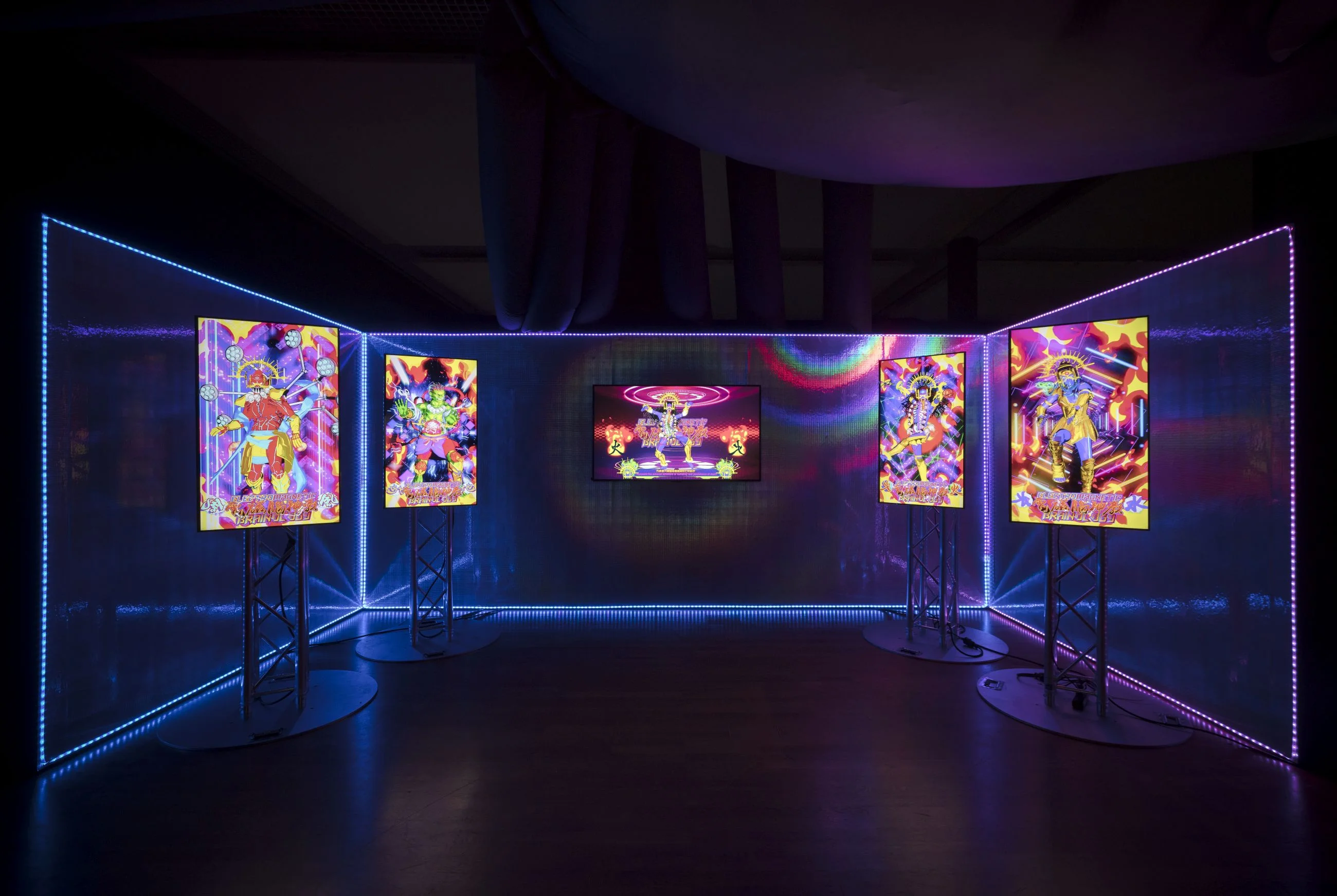
Video Art emerged in the late 1960s as a groundbreaking art form, transforming the creative landscape by integrating technology and artistic expression. Rooted in experimentation, it utilized video technology to challenge traditional artistic boundaries and redefine the viewer's experience.
To innowacyjne medium połączyło performance, instalację i sztukę konceptualną, oferując dynamiczne, czasowe wizualizacje, które angażowały publiczność w nowe, immersyjne sposoby. Poprzez eksplorację tematów tożsamości, kultury i krytyki społecznej, Video Art nie tylko odzwierciedlał postępy technologiczne swojej epoki, ale także przedefiniował możliwości twórczego opowiadania historii. Its evolution has embraced digital platforms and interactivity, ensuring its continued relevance in a world increasingly shaped by multimedia. Over the decades, Video Art has expanded into diverse formats, from single-channel videos to complex installations, showcasing its versatility and impact.
Początki i Ewolucja
Video Art began as a revolutionary departure from traditional artistic practices, utilizing emerging video technology to challenge the static nature of conventional media. Pioneering artists explored its potential to merge visuals, sound, and time, creating a new form of storytelling.
Narodziny Video Art
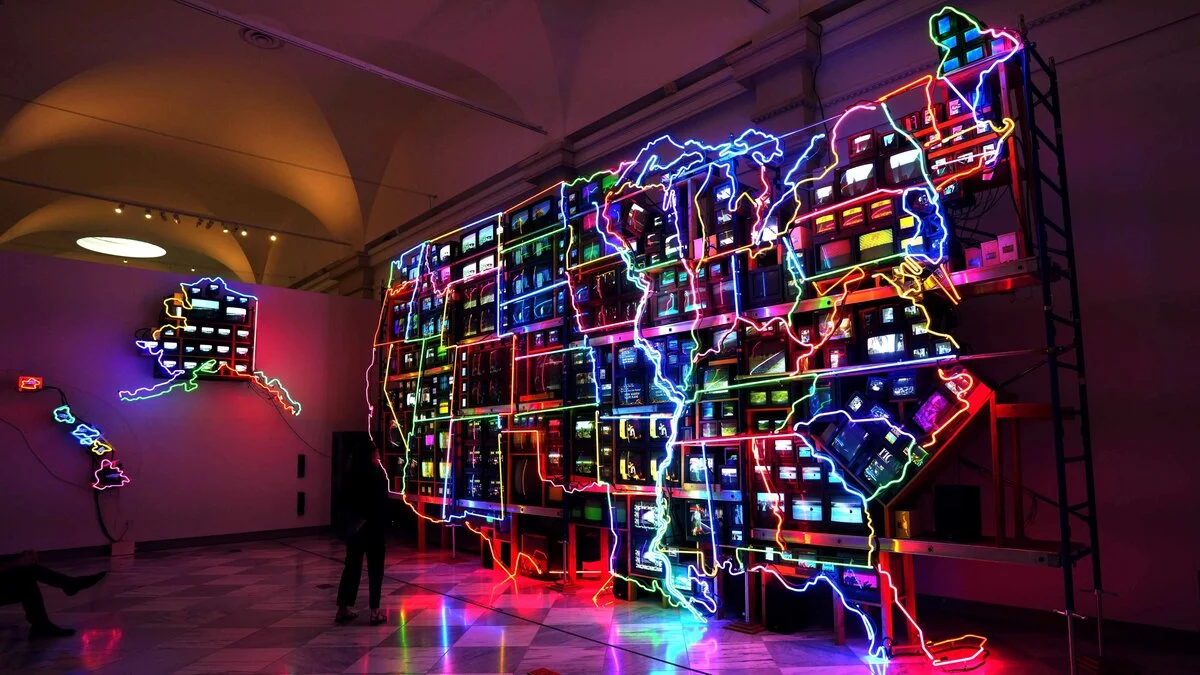
Video Art wyłonił się w latach 60., zbieżnie z rozwojem telewizji i przenośnej technologii wideo. Pionierami byli artyści tacy jak Nam June Paik, who used video as a tool to challenge traditional art forms, the movement marked a shift toward dynamic, time-based mediums. Paik’s use of video cameras and monitors was groundbreaking, enabling artists to combine performance, installation, and experimental cinema. This fusion challenged the static nature of traditional art, emphasizing fluidity and interactivity.
By the 1970s, Video Art expanded globally, with artists in Europe and Japan adopting the medium to explore themes of technology, identity, and communication. Video became a platform for experimentation, offering new possibilities for storytelling and visual aesthetics. Artists began integrating cultural and political commentary into their works, using video as a means to critique societal norms and challenge traditional power structures. This period also saw collaborations between visual artists and musicians, resulting in multimedia installations that pushed the boundaries of artistic expression.
Postępy technologiczne i globalny zasięg
As video equipment became more affordable and accessible, the movement grew in scope. The availability of portable video cameras, like Sony’s Portapak, enabled artists to document performances and create installations. Video Art was no longer confined to galleries; it found its way into public spaces, festivals, and broadcasts. The rise of digital technology in the 1990s further transformed the medium, allowing artists to integrate 3D animation, computer-generated imagery, and interactive elements into their works.
Today, Video Art is a global phenomenon, nieustannie ewoluujący through advancements in virtual reality (VR), augmented reality (AR), and artificial intelligence (AI). These innovations have expanded its reach, cementing its place as a key player in contemporary art. By blending cutting-edge technology with storytelling, Video Art enables immersive experiences that challenge traditional boundaries of viewer engagement. Its adaptability ensures its relevance in addressing contemporary issues, making it a dynamic medium for artistic exploration and societal critique.
Aesthetic Concept
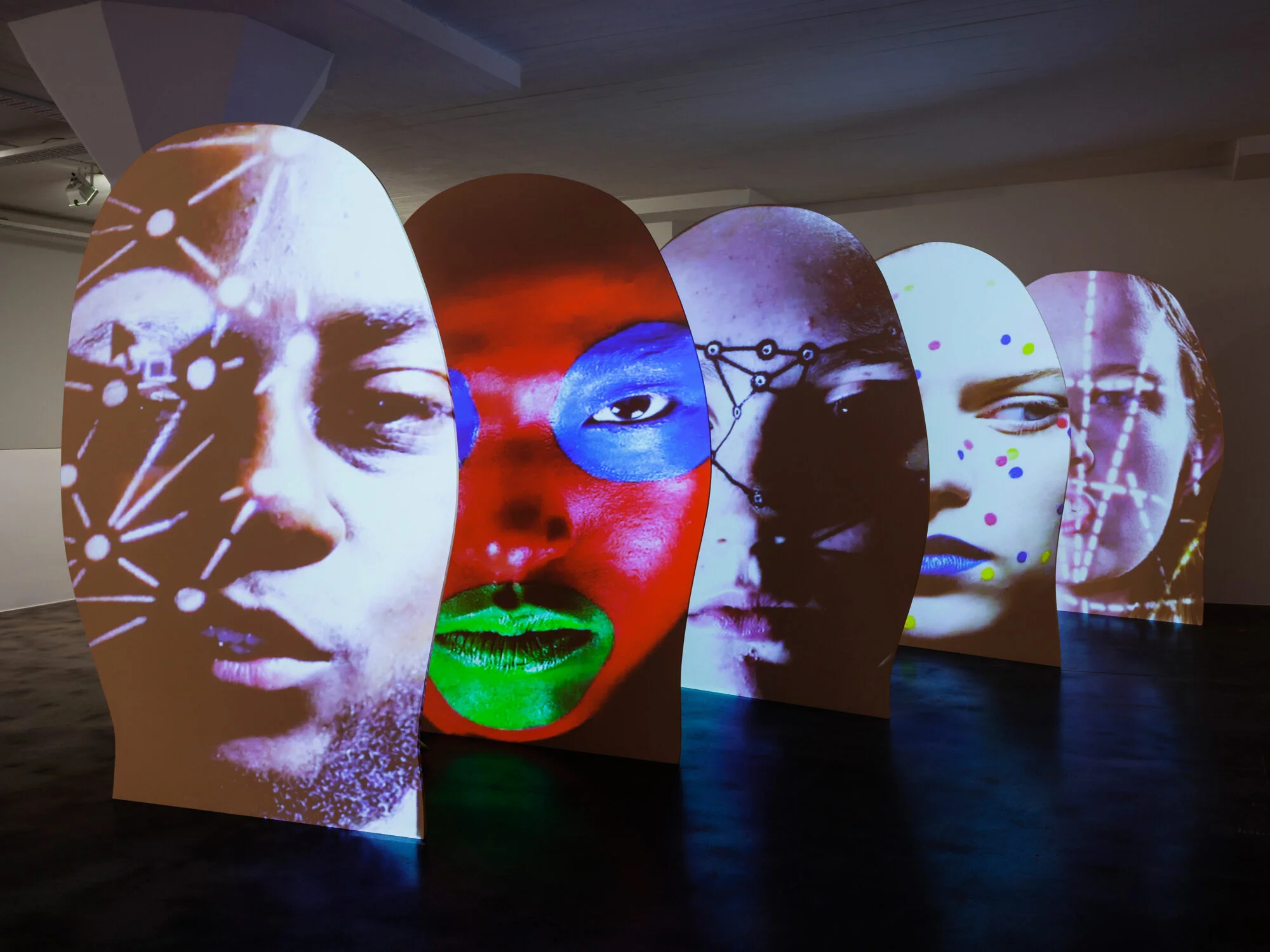
The aesthetic of Video Art prioritizes the moving image as a central medium, integrating experimental techniques such as layering, distortion, and narrative fragmentation. This approach allowed artists to explore themes ranging from personal identity to societal issues, redefining visual language.
Eksploracja czasu i przestrzeni
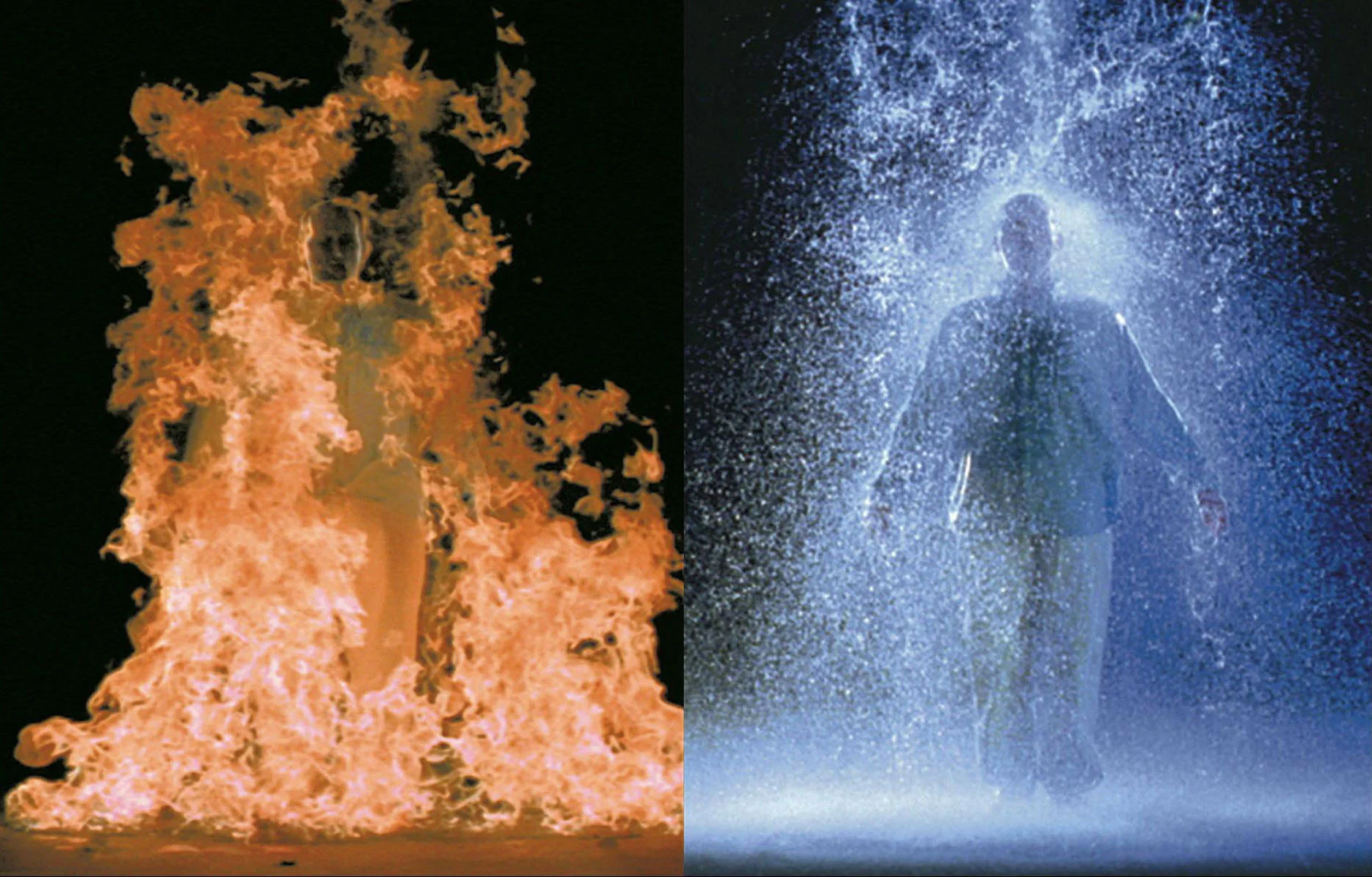
Video Art prioritizes the manipulation of time and space, offering artists the ability to play with real-time narratives, loops, and nonlinear sequences. This temporal aspect distinguishes it from other art forms, creating immersive experiences that evolve over time. Artists like Bill Viola have used slow motion and extended durations to evoke emotion and provoke contemplation, pushing viewers to engage deeply with the passage of time as an artistic medium.
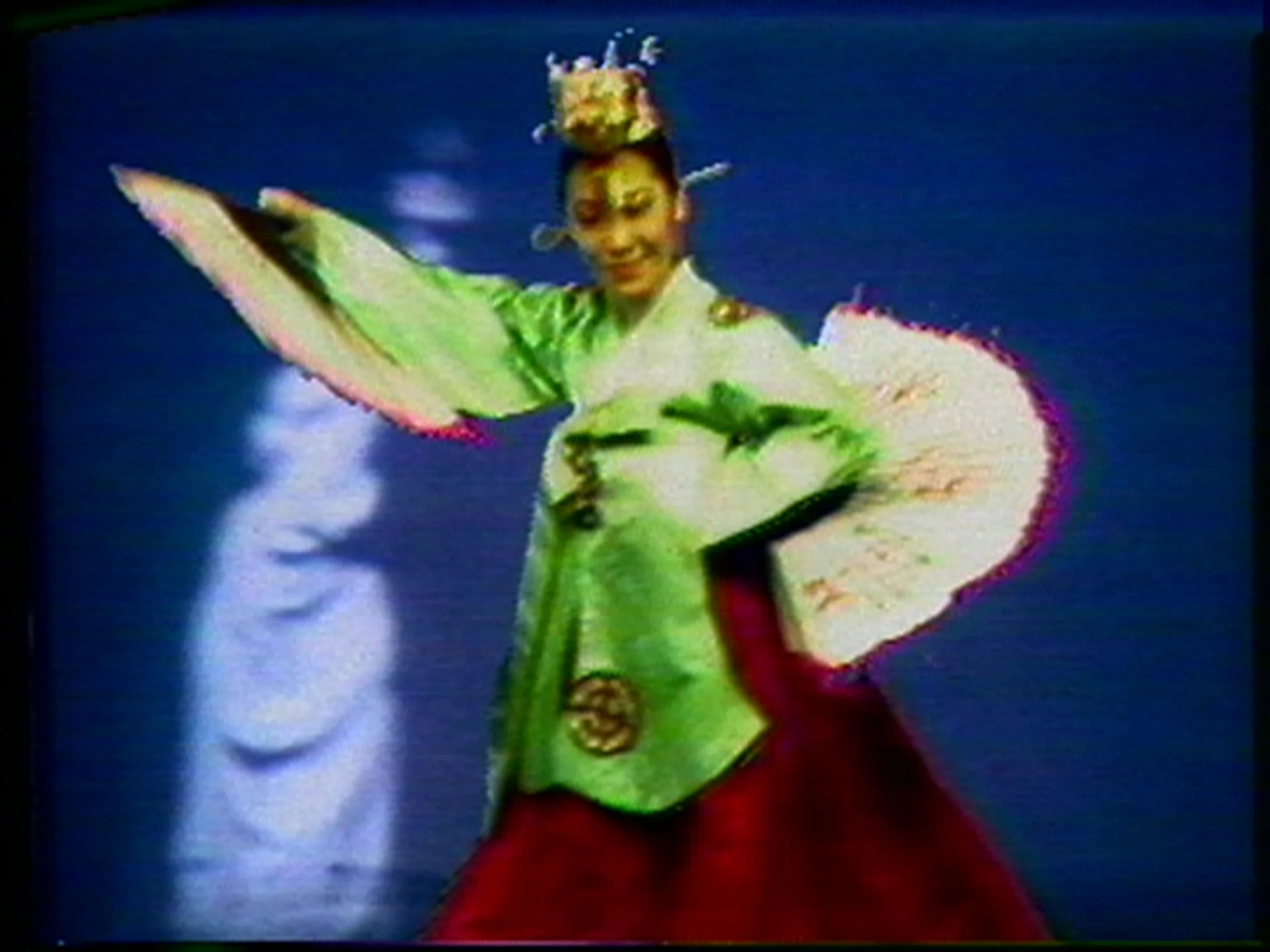
„Ekran jest płótnem, a obiektyw pędzlem.” – Nam June Paik
Medium ability to manipulate dźwięk, światło i ruch przekształcają tradycyjne przestrzenie w dynamiczne środowiska. Instalacje wideo często tworzą bogate sensorycznie atmosfery, zacierając granice między sztuką a kinem. Poprzez integrację warstwowych efektów wizualnych z złożonymi pejzażami dźwiękowymi, dzieła te wzmacniają swoją emocjonalną i konceptualną głębię, czyniąc widza aktywnym uczestnikiem rozwijającej się narracji.
Interaktywność i immersja
Interactivity is another hallmark of Video Art. Many works invite viewers to influence the artwork’s progression through movement, touch, or sound. These interactions allow participants to experience art as a dynamic, proces ewolucyjny rather than a static presentation. Video Art’s focus on audience engagement mirrors its broader intention to challenge artistic norms and redefine the role of the spectator.
Pionierzy tacy jak Pipilotti Rist have created immersive video installations that envelop viewers in kaleidoscopic imagery and soundscapes, offering both sensory and intellectual stimulation. This emphasis on participation highlights the democratic nature of Video Art, breaking down barriers between art and its audience. By immersing viewers in interactive environments, artists redefine the spectator's role, fostering a sense of co-creation and shared exploration.
Themes and Motifs
Video Art often delves into introspective and societal themes, addressing issues like cultural identity, political conflict, and technological change. Its versatility enables artists to intertwine personal narratives with broader social commentary, fostering deeper connections with audiences.
Technologia i społeczeństwo
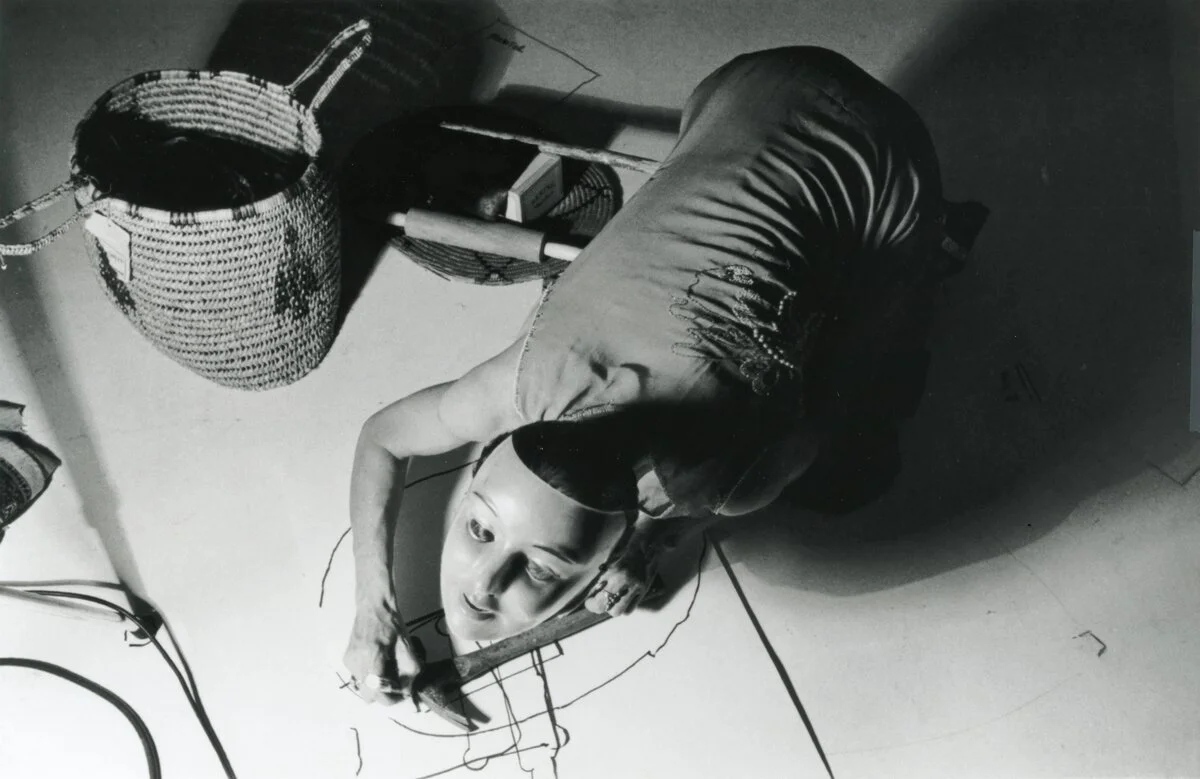
Video Art critically examines the ways technology influences societal behavior, identity, and cultural development. Through its lens, artists challenge audiences to reflect on the pervasive presence of media, surveillance, and digital communication in shaping personal and collective identities. Early pioneers like Joan Jonas utilized video to question how the camera mediates reality, crafting works that revealed the performative nature of human interactions in a digitally mediated age. Her experimental use of layering and juxtaposition drew attention to the fragmented, multi-dimensional ways we experience technology.
This exploration continues to evolve as artists integrate artificial intelligence, virtual reality, and other cutting-edge technologies into their practice. Contemporary creators use these tools to comment on issues such as digital surveillance, the erosion of privacy, and the societal impacts of screen-centric lifestyles. Video Art's adaptability ensures its role as a medium for critiquing the ever-changing relationship between humanity and technology, highlighting both its potential and its pitfalls.

Tożsamość i reprezentacja
Themes of identity and representation play a central role in Video Art, offering artists a platform to challenge stereotypes and amplify marginalized voices. Through video, creators explore complex intersections of race, gender, sexuality, and culture, often łamie konwencjonalne narracje. Shirin Neshat, for example, uses her work to examine the dualities of her Iranian heritage, juxtaposing personal experiences with broader political and social tensions. Her pieces, often blending poetry, music, and visual storytelling, create an intimate yet universal dialogue about identity.
"Video art allows us to see time, memory, and imagination unfold before our eyes." – Joan Jonas
The medium’s capacity for visual and auditory layering allows for nuanced portrayals of identity, transcending static depictions. Artists leverage this to critique cultural biases and create empowering narratives. Through immersive video installations and emotionally resonant imagery, Video Art invites audiences to reflect na wielość ludzkich doświadczeń, sprzyjając empatii i zrozumieniu w coraz bardziej spolaryzowanych społeczeństwach.

Impact and Influence
Wpływ Video Art rozciąga się na różne dyscypliny, wpływając na kino, media cyfrowe i współczesne instalacje artystyczne. Jego połączenie technologii i kreatywności rozszerzyło granice wyrazu artystycznego, kształtując nowoczesne praktyki multimedialne i dyskusje kulturowe.
Rozszerzenie na praktyki współczesne
Video Art has profoundly shaped the evolution of contemporary artistic practices, influencing diverse fields such as installation art, experimental cinema, and digital performance. Its ability to merge sound, visuals, and narrative allows artists to push the boundaries of storytelling and spatial dynamics. Installations by creators like Bill Viola have redefined how audiences experience art, transforming gallery spaces into immersive environments. His works, often meditative and cinematic, demonstrate the medium’s power to engage viewers emotionally and intellectually. This fusion of audio and video elements bridges the gap between traditional fine arts and modern multimedia expressions.
„Sztuka w erze cyfrowej nie jest już statyczna; porusza się, mówi i ewoluuje.” – Bill Viola
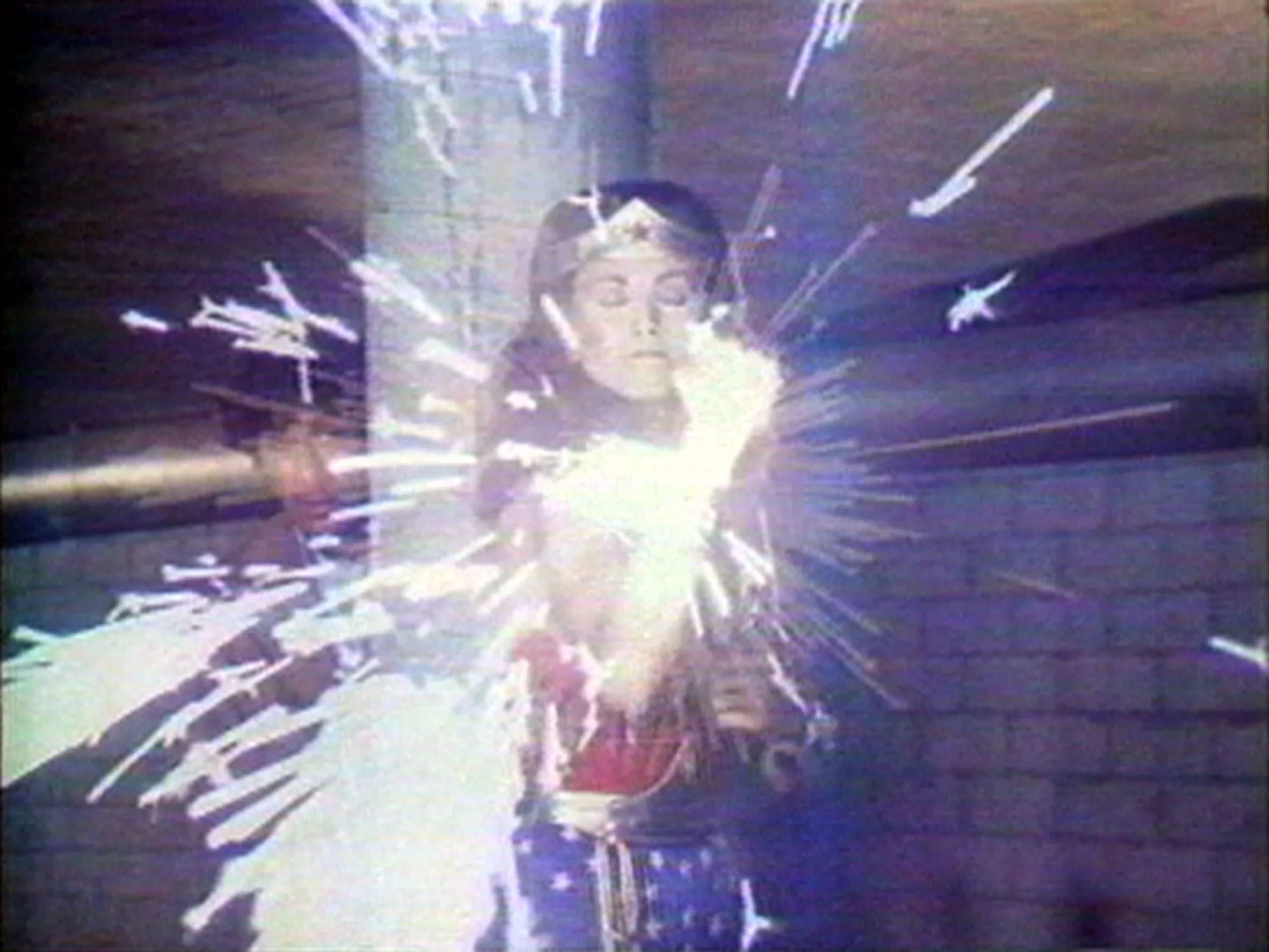
Poza galerią techniki Video Art przeniknęły do obszarów takich jak teledyski i reklama, gdzie ich eksperymentalne podejście kwestionuje tradycyjne formaty. Reżyserzy tacy jak Chris Cunningham, influenced by the aesthetics of Video Art, create visually innovative works that combine narrative and abstraction. The interplay between high art and commercial applications ensures that Video Art continues to influence how visual content is conceptualized and presented in contemporary culture.
Trwała aktualność w kulturze cyfrowej
The rise of digital technology and online platforms has given Video Art a renewed and expansive globalny zasięg. Artists leverage platforms like YouTube, Vimeo, and social media to share their works, breaking free from the confines of traditional exhibition spaces. This accessibility democratizes Video Art, allowing it to reach diverse audiences and engage with pressing societal issues in real-time. Virtual reality (VR) and augmented reality (AR) technologies further enhance its capabilities, immersing viewers in dynamic, interactive experiences that challenge the boundaries of perception.
"Video is a tool to challenge perception and expand consciousness." – Pipilotti Rist
Innovators like Hito Steyerl exemplify how Video Art adapts to digital culture. Her works critically engage with topics such as surveillance, AI, and the commodification of data, blending documentary techniques with artistic abstraction. This interplay between technology and art ensures that Video Art remains a relevant and potężne medium w erze definiowanej transformacją cyfrową, nieustannie przesuwając granice tego, co sztuka może osiągnąć w opowiadaniu historii i krytyce społecznej.
Przykłady reprezentatywne
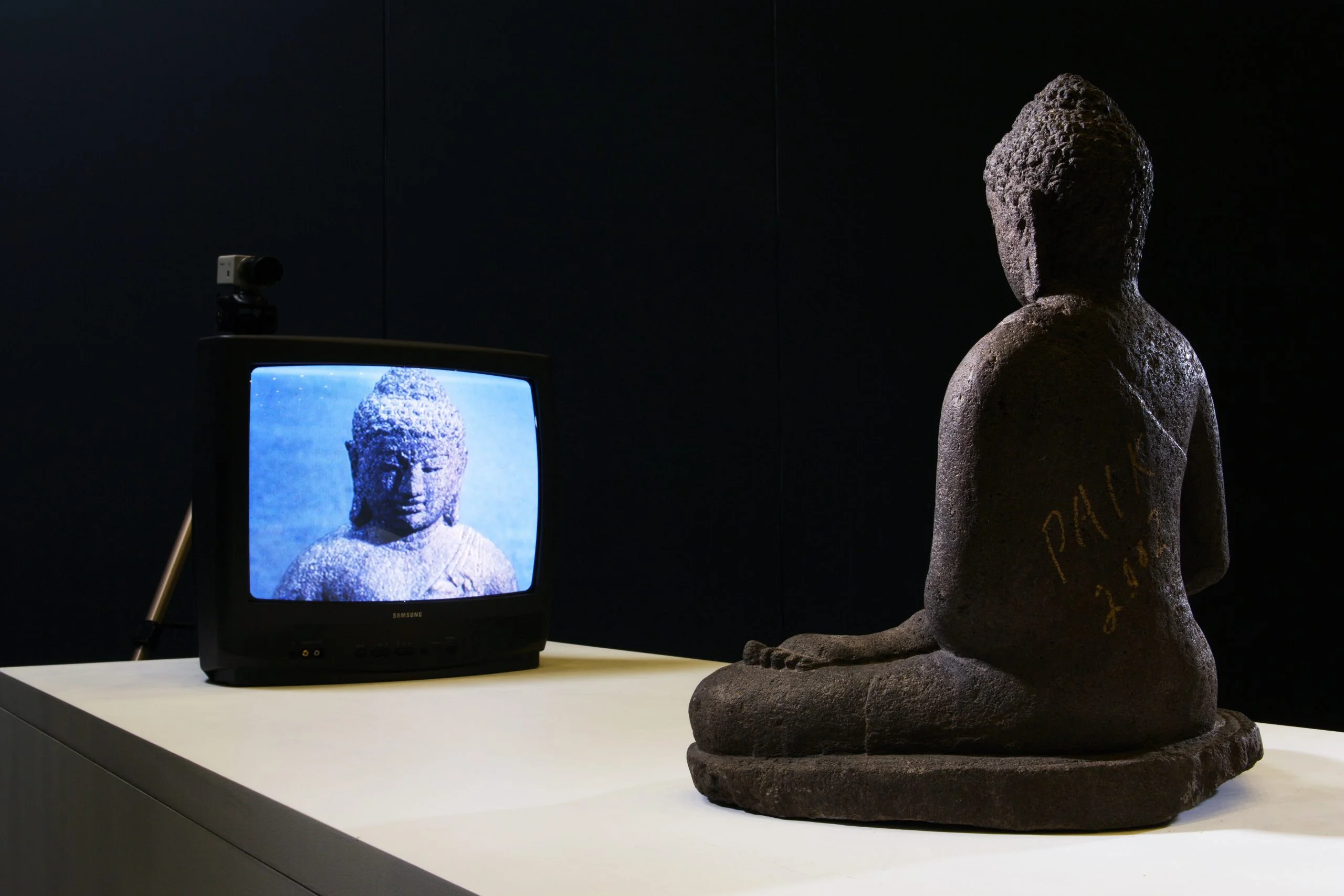
"TV Buddha" autor Nam June Paik (1974)
Nam June Paik's "TV Buddha" is a seminal work that embodies the fusion of technology and philosophy. In this installation, a Buddha statue is positioned opposite a live-feed television monitor, creating a loop where the Buddha gazes at its image on the screen. This cyclical relationship symbolizes the intersection of ancient spirituality and modern media, prompting viewers to reflect on how technology alters nasze postrzeganie siebie i świata wokół nas. Dzieło kwestionuje pojęcia czasu i rzeczywistości, łącząc ciszę z nieustannym ruchem elektronicznych obrazów.
The piece also critiques technology’s growing influence on contemporary life. By juxtaposing a symbol of introspection and enlightenment with a technological device, Paik invites a dialogue about how modern advancements shape human experience. The use of video as a medium reflects wiecznie ewoluujący relationship between tradition and innovation, demonstrating how Video Art can serve as both a mirror and a critique of societal change.
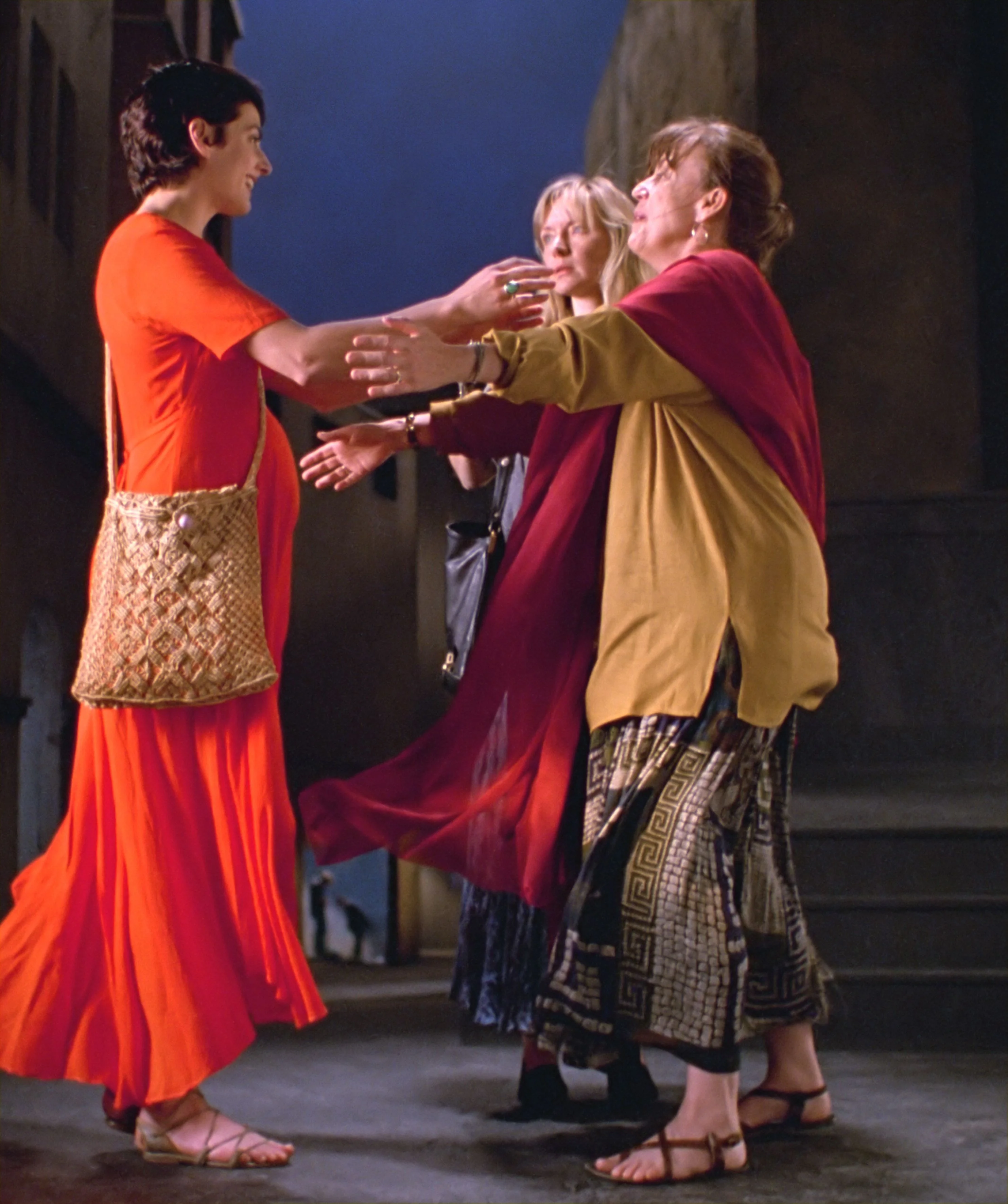
"The Greeting" autor Bill Viola (1995)
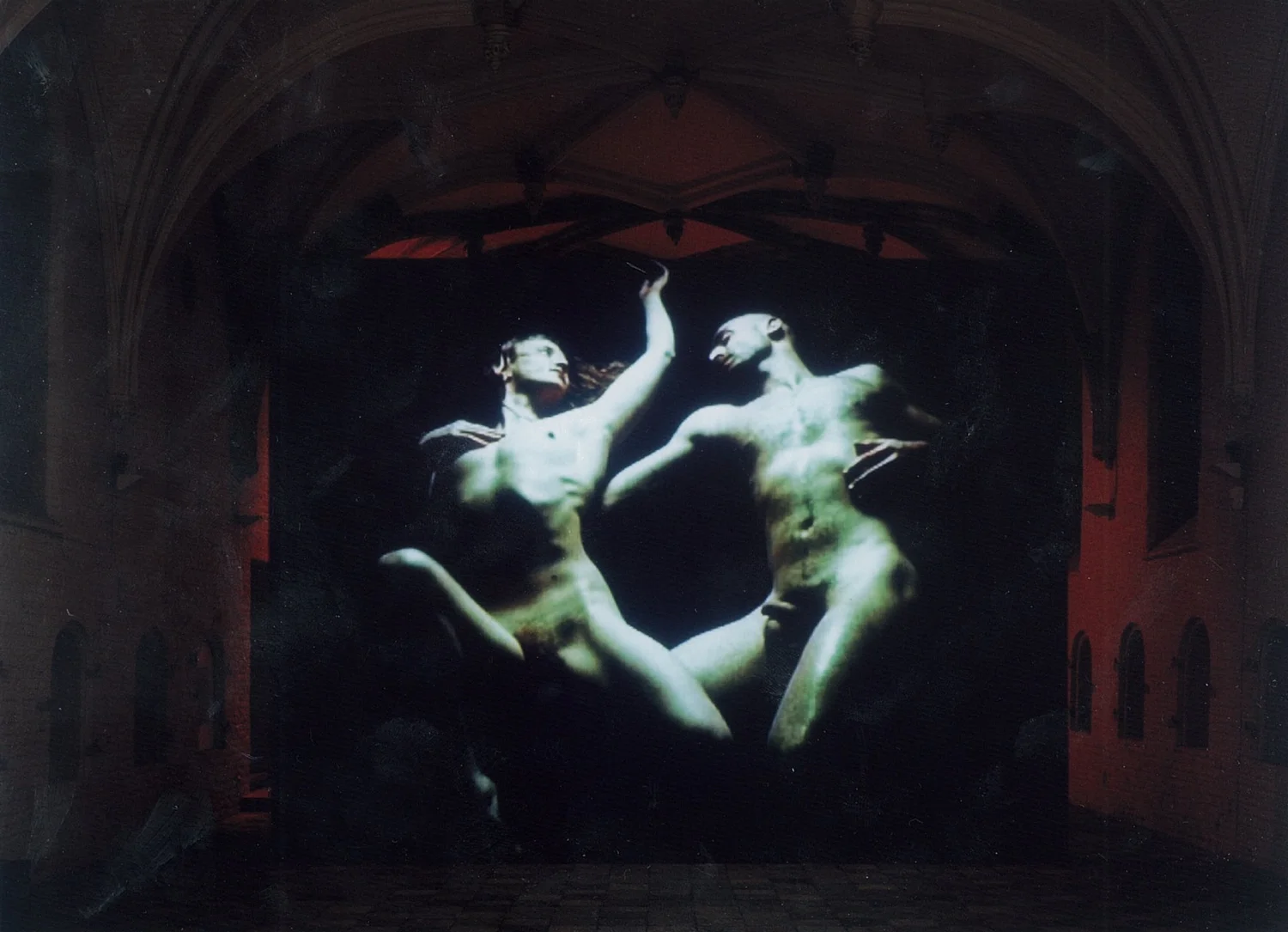
Bill Viola’s "The Greeting" is an evocative exploration of human emotion and spiritual depth, presented through the lens of video art. Inspired by Pontormo’s Mannerist painting "The Visitation," Viola reinterprets the encounter between two women in a slow-motion video. This deliberate pacing intensifies the emotional resonance, encouraging viewers to engage deeply with the subtle gestures and expressions of the characters. The work’s ethereal lighting and carefully composed movements elevate the everyday to a transcendental experience, łącząc estetykę renesansu z współczesną technologią.
Viola’s use of video challenges traditional storytelling methods by focusing on emotion rather than action. The extended time frame creates a meditative space, allowing viewers to immerse themselves in the nuances of the scene. This work exemplifies how Video Art transforms classical narratives into modern reflections, offering new perspectives on timeless themes of connection, empathy, and human interaction.
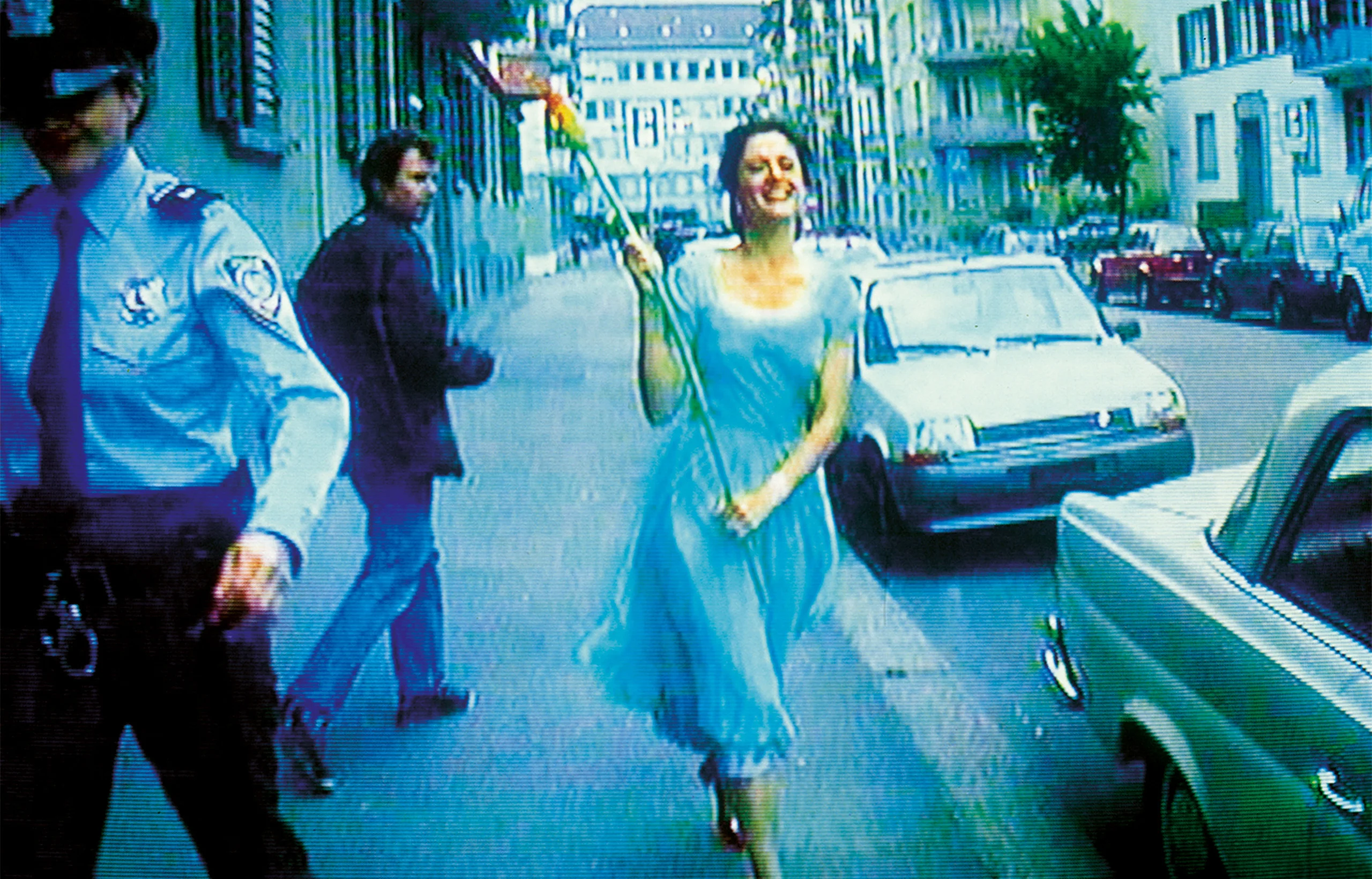
"Ever Is Over All" autor Pipilotti Rist (1997)
Pipilotti Rist’s "Ever Is Over All" is a striking example of Video Art’s ability to juxtapose beauty and disruption. In this piece, a woman confidently strides through an urban street, joyfully smashing car windows with a long-stemmed flower. The scene alternates between serene imagery of flowers in a field and the woman’s unexpected act of destruction, creating a layered narrative that kwestionuje normy społeczne. Żywe kolory i oniryczna jakość wideo potęgują jego surrealistyczną atmosferę, łącząc kaprys z buntem.
Rist’s work provokes questions about power, femininity, and the duality of human nature. By combining visual beauty with an act of defiance, the piece subverts traditional expectations of behavior and decorum, inviting viewers to consider the boundaries between freedom and control. This iconic work demonstrates how Video Art can evoke complex emotions and engage audiences through its dynamic, wielowątkowe opowiadanie.
"Women Without Men" autor Shirin Neshat (2009)
Shirin Neshat’s "Women Without Men" is a poignant video installation that weaves together the intersecting lives of Iranian women during a turbulent period in the country’s history. Through poetic imagery and layered narratives, Neshat explores themes of oppression, identity, and resilience. Each woman’s story is imbued with symbolism, reflecting their personal struggles and the broader sociopolitical context. The work’s use of monochromatic tones and carefully staged compositions creates an atmosphere of introspekcja i melancholia.
This installation exemplifies the power of Video Art to address complex sociopolitical issues with emotional depth. Neshat’s ability to blend personal and collective narratives invites viewers to engage with the characters’ experiences on a deeply human level. By combining cinematic techniques with the intimacy of installation art, "Women Without Men" serves as a powerful commentary on gender, culture, and resistance, solidifying its place as a landmark in contemporary art.

Upadek i dziedzictwo
While Video Art has evolved into new forms, its foundational ideas continue to shape contemporary art practices. Its legacy lies in its capacity to bridge art and technology, influencing everything from virtual reality to digital storytelling.
Przejście w kierunku integracji multidyscyplinarnej
Video Art, though still influential, has seen its dominance evolve into a more multidisciplinary approach. Contemporary artists often merge video with other mediums, such as sculpture, performance, and immersive digital media, reflecting the medium's adaptability. This blending of forms allows video to transcend its original confines, enriching artistic practices with layers of complexity. For instance, installations that combine physical objects and projected visuals engage viewers on wielopoziomowe doznania sensoryczne, tworząc dynamiczne, interaktywne środowiska, które redefiniują tradycyjne pojęcia sztuki.
The integration of video into broader artistic disciplines also aligns with technological advancements, encouraging the exploration of hybrid forms like virtual reality and mixed media installations. Artists continue to leverage video’s narrative and emotive capabilities while incorporating elements from other disciplines, ensuring its relevance. This multidisciplinary evolution highlights how Video Art has expanded its potential, offering nieograniczone możliwości twórcze odzwierciedlające złożoność współczesnego życia i postępu technologicznego.

Trwały wpływ kulturowy i technologiczny
The enduring legacy of Video Art lies in its ability to bridge the gap between technology and creativity, influencing not only contemporary art but also digital culture. Its emphasis on experimentation and innovation laid the groundwork for numerous artistic and commercial applications, including music videos, digital performances, and immersive storytelling. Artists like Pipilotti Rist and Nam June Paik exemplify how video continues to inspire innovation, kwestionując tradycyjne konwencje artystyczne, jednocześnie przyjmując nowe formy wyrazu.
Moreover, Video Art’s role in advancing visual and conceptual storytelling remains significant. It has inspired generations of artists to use technology as a tool for social commentary, narrative exploration, and cultural critique. From museum galleries to online platforms, its influence extends across mediums and industries, fostering a dynamic interplay between art and technology. This legacy ensures that Video Art remains a vital force in shaping contemporary visual culture and pushing the boundaries of artistic expression.
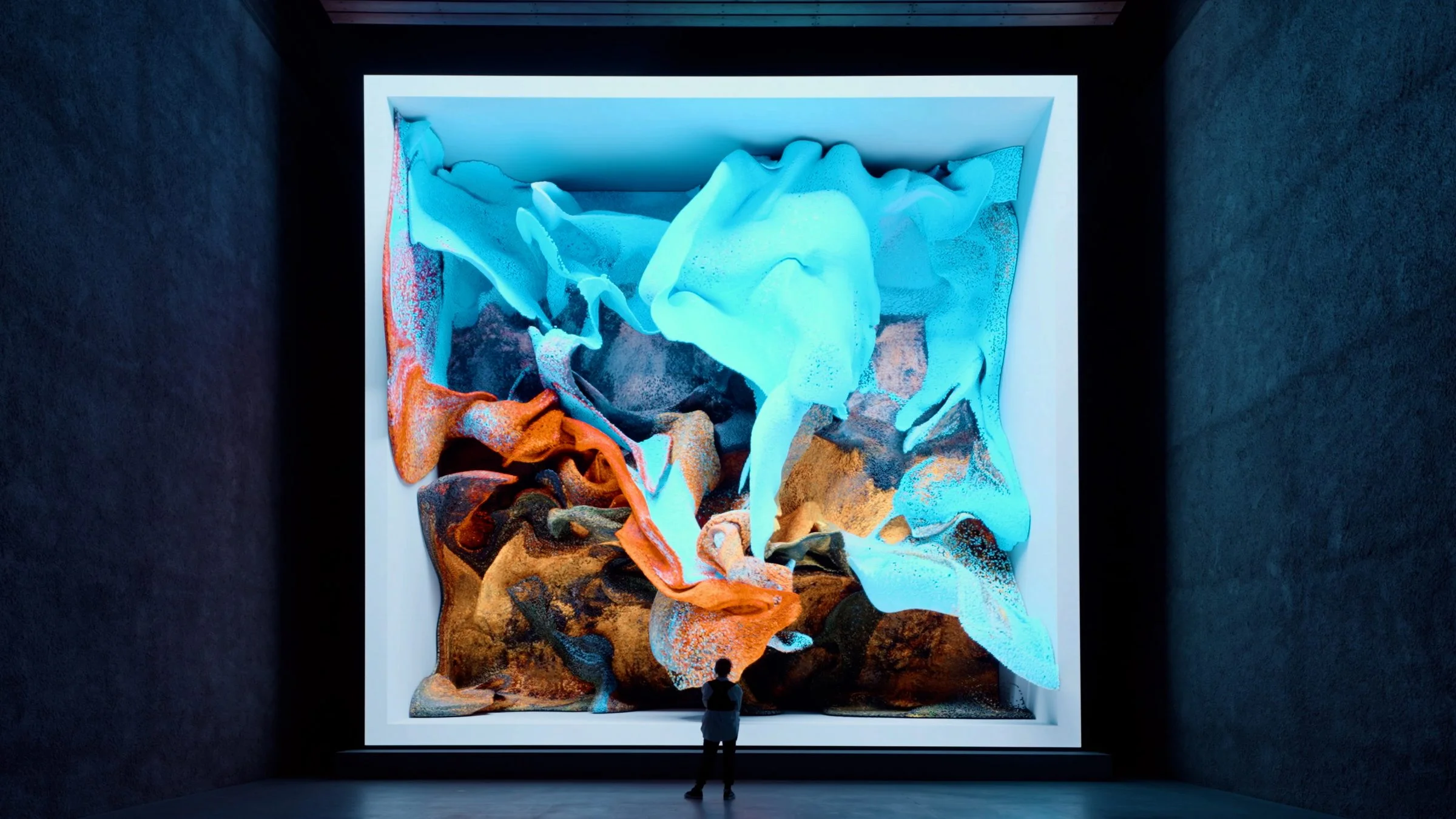
Conclusion: Video Art redefined artistic boundaries by blending technology, storytelling, and visual innovation. From experimental origins to its role in digital culture, it remains a dynamic platform for creativity and critical reflection, ensuring its enduring relevance.
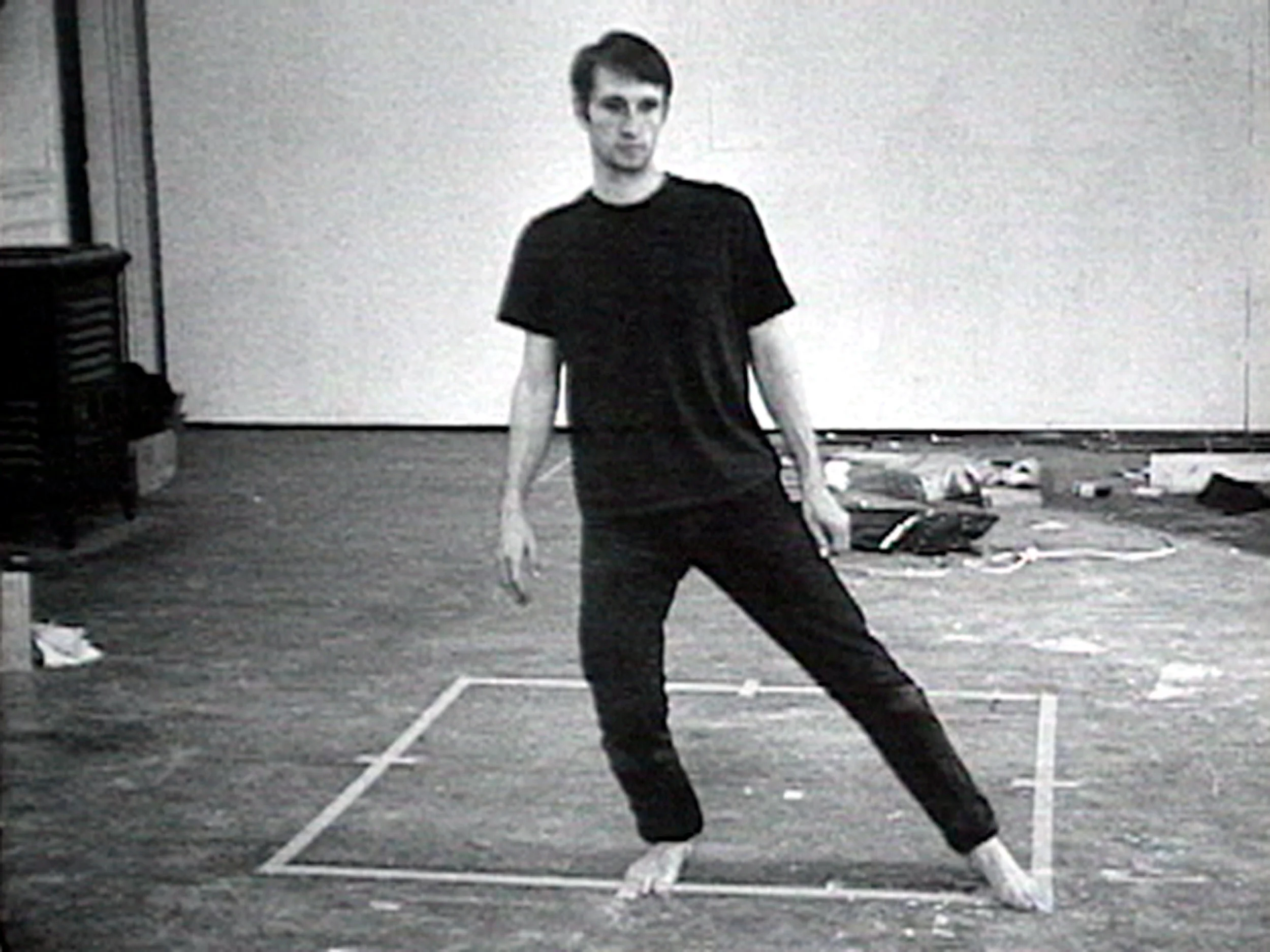
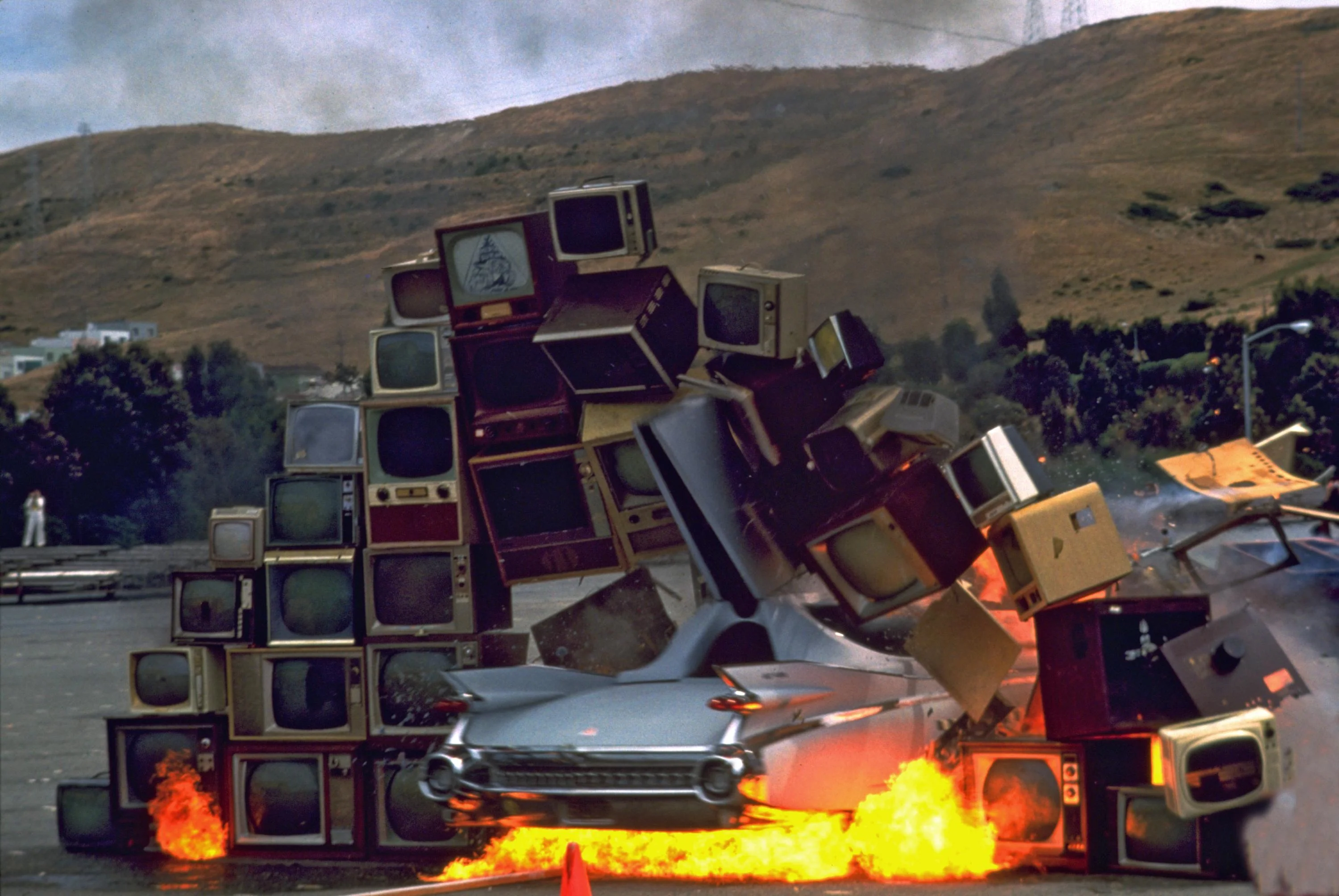
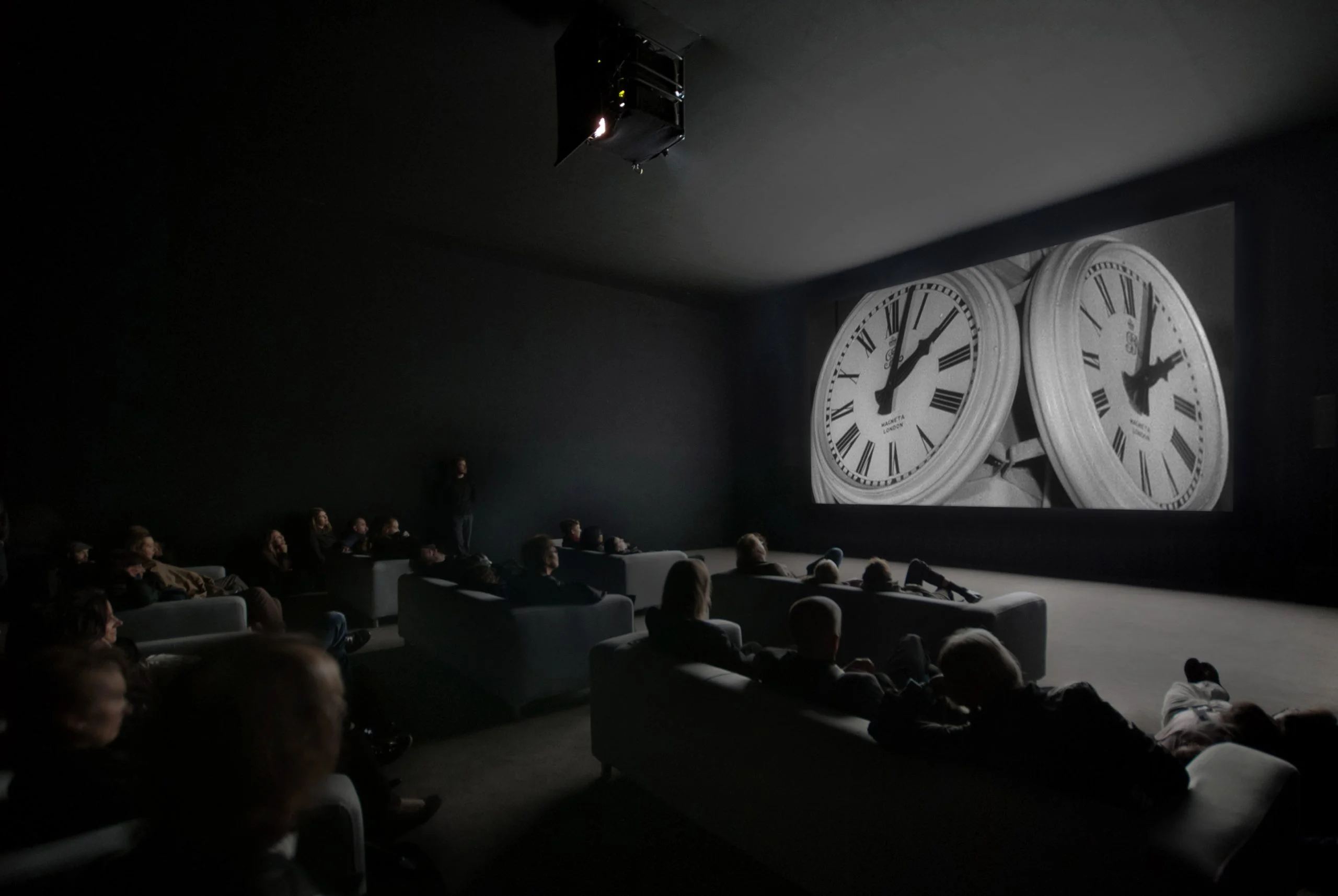
Przykłady wizualne
.webp)


Czym wyróżnia się video art od tradycyjnego filmowania?

Video art stands apart by prioritizing creative expression over narrative structure. Unlike traditional filmmaking, it often explores abstract visuals, experimental techniques, and unique perspectives. Frequently displayed in galleries or installations, video art challenges conventions, using moving images to provoke thought and engage audiences in non-linear ways.
How do artists use video art to engage audiences?
Video art creates immersive experiences by combining visual, auditory, and spatial elements. Artists use techniques like multi-channel projections, dynamic editing, and interactive setups to evoke emotion and stimulate thought. This flexibility allows them to tackle cultural, political, and technological themes in innovative ways, engaging audiences deeply.
Dlaczego video art stał się wpływowy we współczesnej kulturze?
Video art merges technology and creativity, making it a vital contemporary medium. Its presence in galleries, public installations, and digital platforms showcases its adaptability. By addressing modern themes like identity, media, and society, video art connects traditional art forms with digital innovation, inspiring diverse audiences globally.

Sofiya Valcheva
Copywritter
When I’m writing, I’m in my zone, focused, creative, and pouring my heart into every word. When I’m not, I’m probably dancing around, lost in my favorite music, or chasing inspiration wherever it may lead!


_(1).webp)
_(1).webp)