_(1).webp)
Sztuka wizygocka rozkwitła na Półwyspie Iberyjskim, gdzie Wizygoci założyli swoje królestwo po upadku Zachodniego Cesarstwa Rzymskiego. Łączyła wpływy wcześniejszych tradycji rzymskich z elementami germańskimi i bizantyjskimi, tworząc estetykę zarówno funkcjonalną, jak i bogato symboliczną, łączącą światy klasyczny i średniowieczny.
Visigothic art not only reflected the cultural diversity of the kingdom but also served as a medium for expressing emerging Christian ideals. Its emphasis on durable architecture and intricate metalwork underscored the Visigoths’ commitment to creating enduring legacies, shaping the artistic landscape of early medieval Europe.
Początki i Ewolucja
Visigothic art developed during a time of political and cultural transformation, shaped by the Visigoths’ migration and settlement in the Iberian Peninsula. It represented a unique cultural identity that balanced tradition and innovation, leaving a lasting imprint on early medieval European art.
Wczesne fundamenty
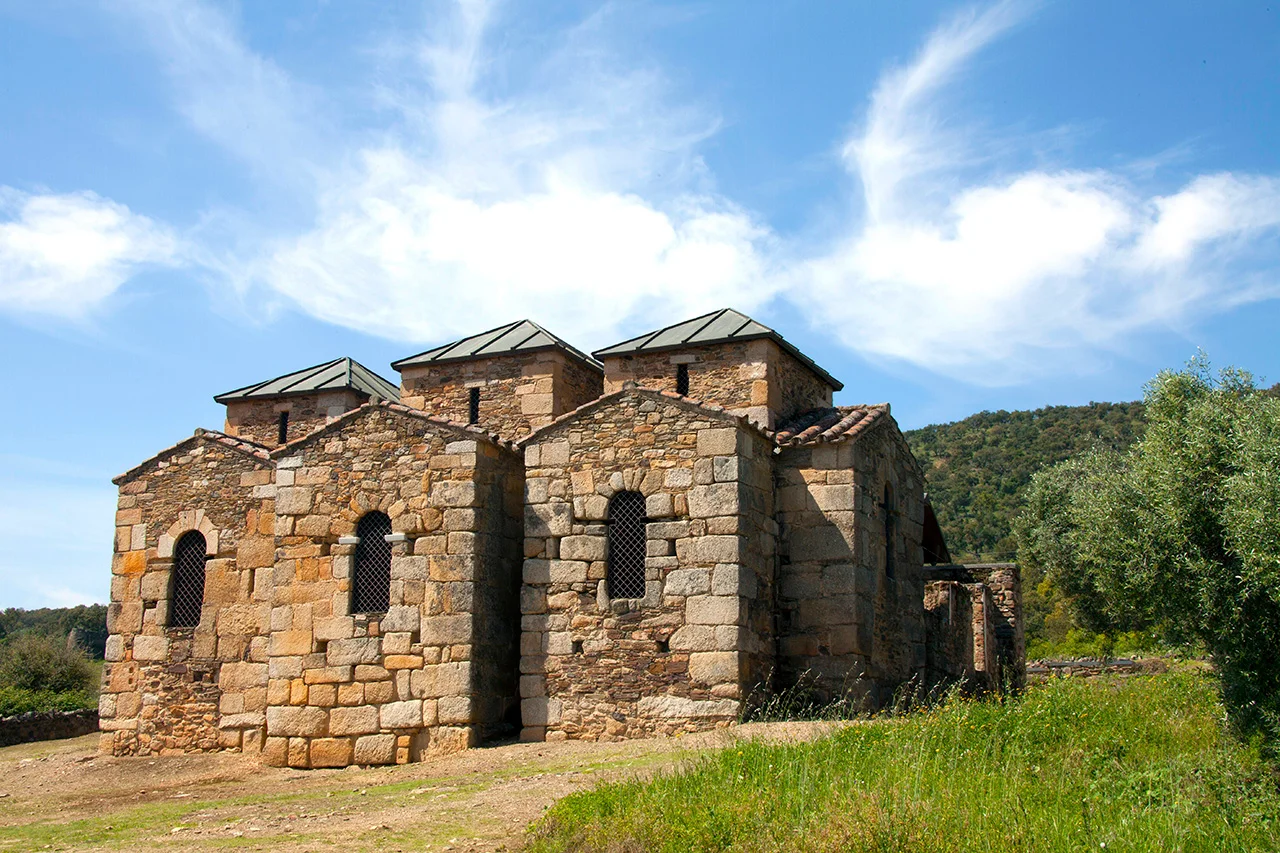
Visigothic art emerged during a period of transition, incorporating Roman artistic traditions into a new cultural context. The construction of churches like San Juan de Baños illustrates this blend, retaining the basilica layout while introducing hallmark Visigothic features such as horseshoe arches and thick stone walls. These innovations created intimate yet monumental sacred spaces, emphasizing durability and functionality. At the same time, architectural carvings began to reflect a shift toward Christian themes, featuring biblical motifs alongside geometric and floral designs that were influenced by Byzantine craftsmanship.
In addition to architecture, early Visigothic decorative arts demonstrated a mastery of intricate metalwork. Fibulae, used as ornate clasps, and votive crowns, like those of King Recceswinth, displayed exceptional craftsmanship, combining geometric precision with symbolic Christian motifs such as crosses. These objects not only served practical or devotional purposes but also communicated status and faith, reflecting the Visigothic synthesis of cultural, religious, and artistic traditions.
.webp)
Integracja i innowacja
As the Visigoths solidified their rule, their art began to express a more cohesive identity, shaped by the integration of diverse cultural influences. The adoption of Christianity played a central role in this evolution, leading to the creation of sacred objects like reliquaries and altar pieces adorned with Christian iconography. These items often featured intertwined animal motifs and abstract patterns, symbolizing both spiritual and cultural narratives. The Visigothic script, a uniquely calligraphic style, further exemplified this cultural synthesis, blending Roman and Germanic elements to reflect the kingdom’s intellectual aspirations.
In architecture, churches such as San Pedro de la Nave combined Roman structural elements with distinctive Visigothic features, like biblical reliefs carved with simplicity and clarity. These innovations reflected a deliberate effort to convey religious themes in an accessible yet aesthetically rich manner. By merging influences from Roman, Byzantine, and Germanic traditions, Visigothic art forged a distinctive visual language that bridged the classical past and medieval future, leaving an enduring legacy in the Iberian Peninsula.
.webp)
Aesthetic Concept
Sztuka wizygocka charakteryzuje się skromną skalą, funkcjonalnym przeznaczeniem i bogatymi detalami dekoracyjnymi, odzwierciedlając zarówno religijną pobożność, jak i tożsamość kulturową. Bezproblemowo łączyła praktyczność z misterną sztuką, tworząc dzieła odzwierciedlające zarówno codzienne życie, jak i głębokie wierzenia duchowe.
Cechy architektoniczne
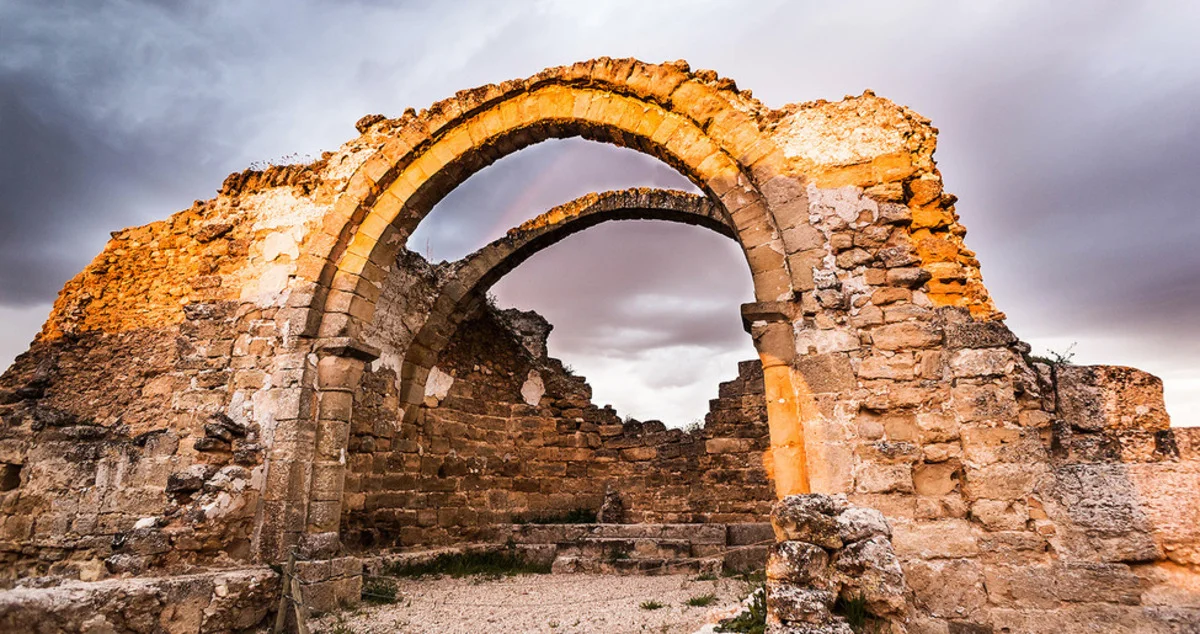
Visigothic architecture stands out for its innovative adaptations of Roman structural techniques, resulting in sacred spaces that were both functional and spiritually resonant. The use of horseshoe arches, as seen in San Pedro de la Nave, became a defining feature, enhancing the visual rhythm of interiors while offering structural stability. Thick stone walls and small windows created intimate yet fortified spaces, reflecting both the architectural constraints and the cultural emphasis on durability. Stone reliefs depicting biblical scenes adorned the interiors, offering a visual narrative of Christian faith while maintaining a simplicity that was characteristic of Visigothic style.
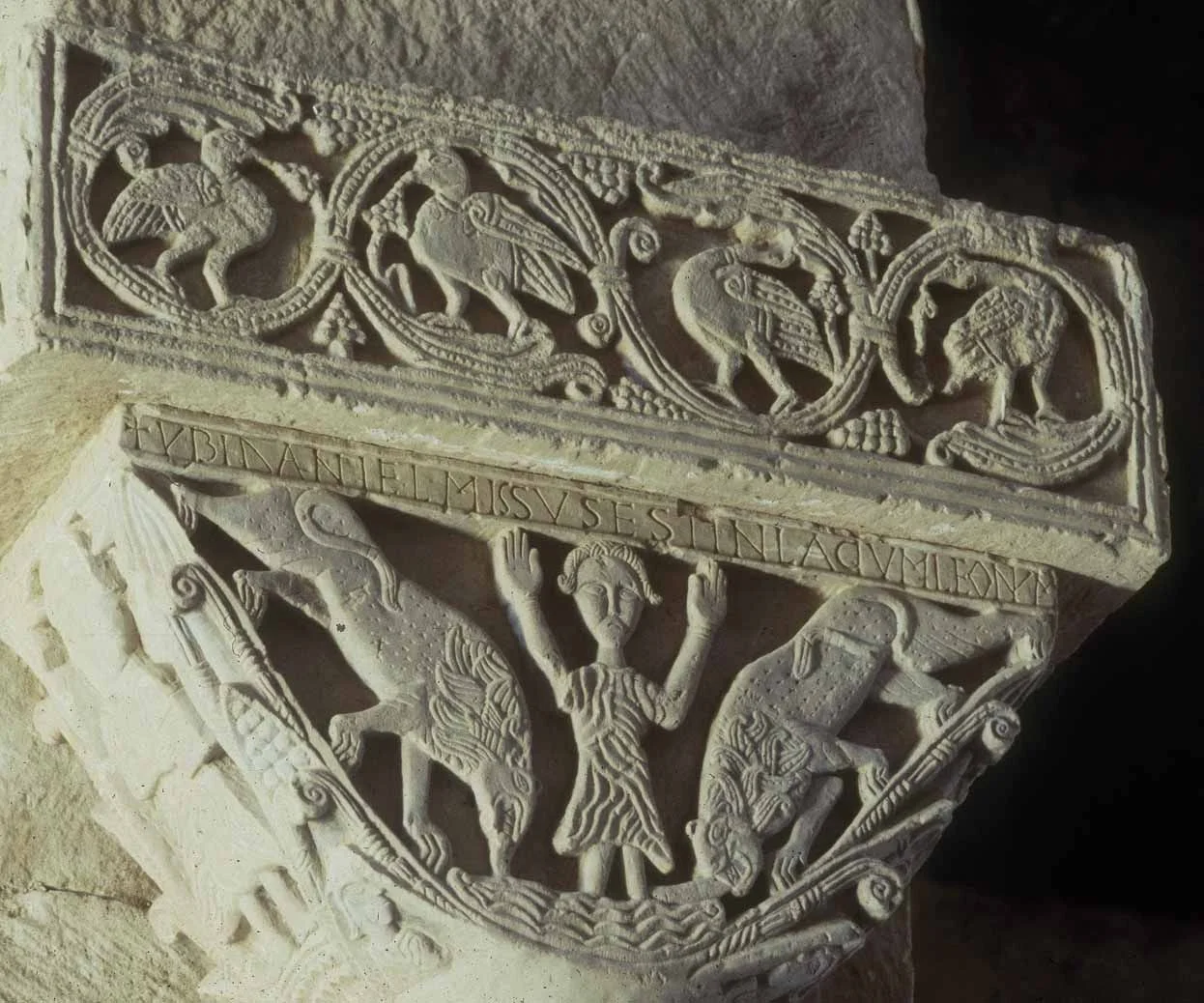
The emphasis on harmony and proportion in Visigothic architecture bridged Roman engineering and Germanic ornamentation. Biblical motifs carved into stone, such as depictions of Daniel in the lions’ den, combined symbolic storytelling with stylistic restraint. This approach allowed churches to function as both places of worship and cultural monuments, demonstrating the Visigoths’ ability to adapt and innovate within their architectural heritage.
Projekt ornamentacyjny
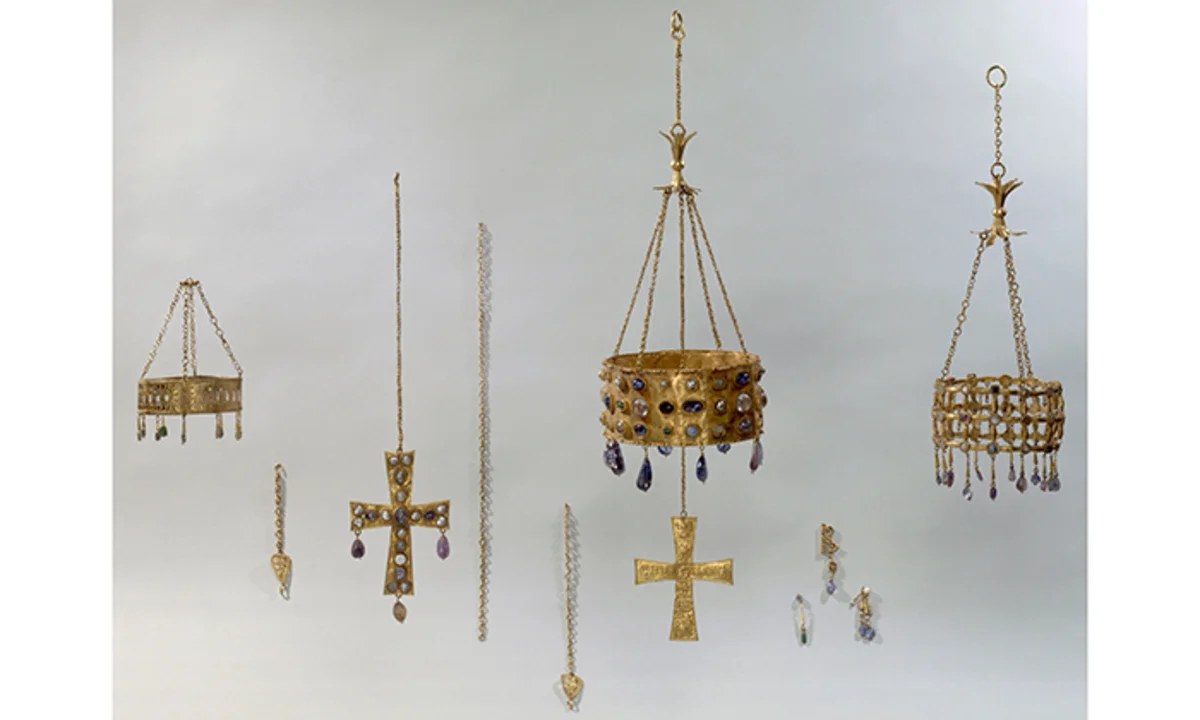
Visigothic decorative arts exemplified the kingdom’s artistic sophistication, particularly in the realm of goldsmithing and metalwork. The votive crowns, such as those of King Recceswinth, are among the most iconic examples, combining intricate filigree, inlaid gemstones, and Christian iconography like crosses. These crowns not only reflected the growing influence of Christianity but also served as royal offerings, symbolizing piety and power. The geometric precision and organic motifs in these designs represented the Visigothic commitment to order and divine harmony.
"Ich sztuka przemawia w wzorach, gdzie geometria i duchowość spotykają się." – Wczesnośredniowieczny uczony
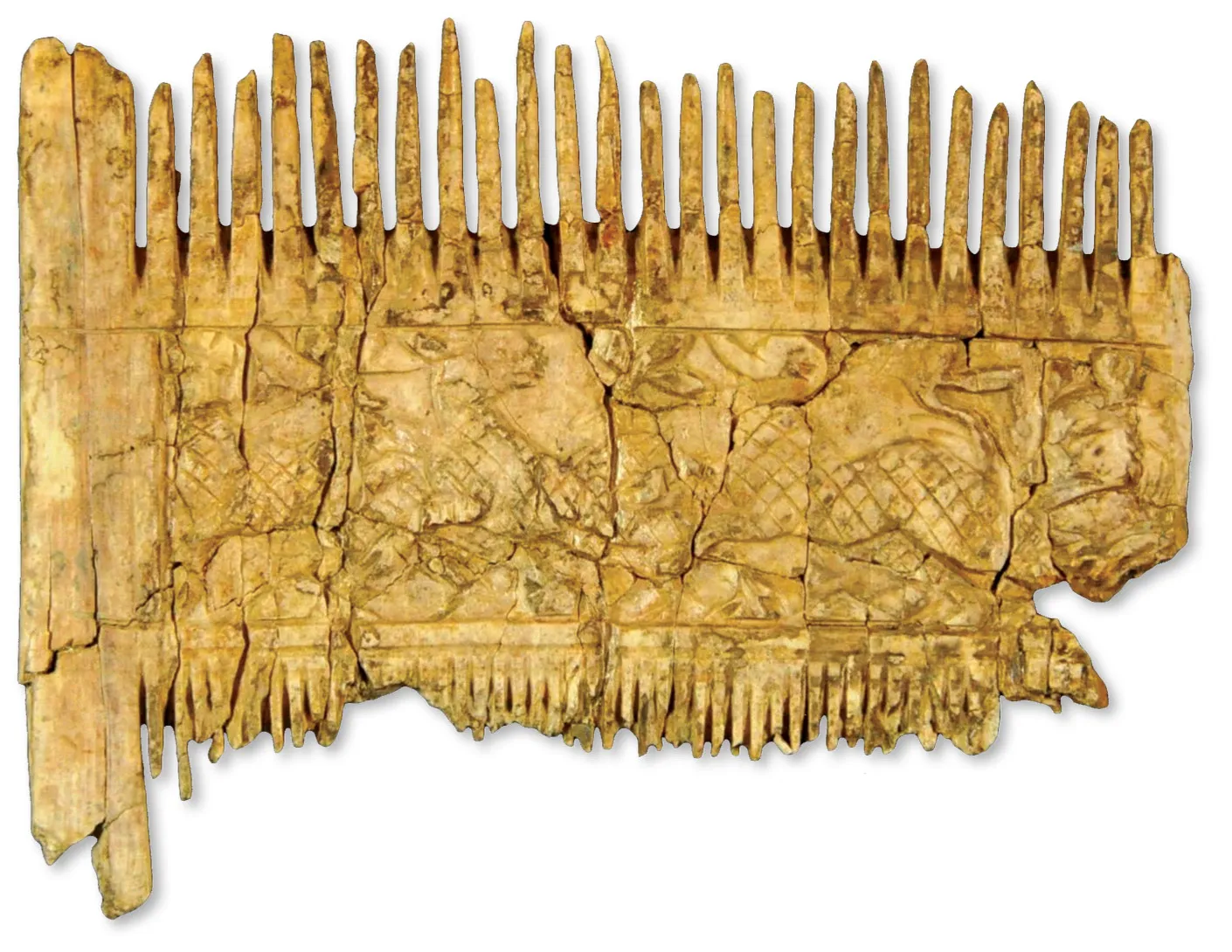
In addition to metalwork, everyday items such as fibulae and belt buckles showcased the same attention to detail, with elaborate designs that blended functionality and artistry. These artifacts often incorporated interlaced animal forms and abstract patterns, reflecting the Visigoths’ Germanic heritage. By merging symbolic ornamentation with technical expertise, Visigothic decorative arts communicated cultural identity and spiritual devotion, solidifying their place as an integral aspect of early medieval craftsmanship.
Themes and Motifs
Visigothic art explored themes of faith, authority, and cultural identity, employing motifs that combined Christian symbolism with Germanic traditions. It embodied a dynamic interplay of influences, creating a distinct visual narrative that celebrated both spiritual devotion and cultural heritage.
Chrześcijańska wiara i pobożność
The spread of Christianity deeply influenced Visigothic art, leading to the creation of objects and spaces designed to inspire devotion and reinforce religious beliefs. Churches became central to this expression, with carved biblical scenes such as Daniel w jaskini lwów adorning stone walls, conveying spiritual narratives in a clear and accessible manner. Crosses and other Christian symbols were prominently featured in both architectural and decorative contexts, emphasizing the faith’s central role in Visigothic identity. Reliquaries and altar pieces, crafted with intricate designs, served as physical connections to the divine, transforming abstract theology into tangible expressions of belief.
"Visigothic art is a dialogue between the sacred and the functional, merging faith with craftsmanship." – Anonymous Historian
Metalwork also played a significant role in conveying Christian themes, with items like votive crowns symbolizing the unity of spiritual devotion and royal authority. These crowns, adorned with crosses and other sacred motifs, were both acts of worship and political statements, reflecting the intertwined nature of church and state. Through these creations, Visigothic artists not only celebrated their faith but also established a distinctive visual language that reinforced the Christianization of the Iberian Peninsula.
Synteza kulturowa
Visigothic art is a testament to the cultural synthesis that defined the kingdom, blending Germanic, Roman, and Byzantine influences into a cohesive and unique style. Motifs such as intertwined animals, seen in intricate metalwork like fibulae, reflected the Visigoths’ Germanic heritage, symbolizing strength and continuity. At the same time, Roman architectural techniques, including the use of basilica layouts and carved reliefs, introduced a sense of order and proportion that elevated Visigothic design. Byzantine elements, particularly in ornamental metalwork, added a layer of refinement, with geometric patterns and religious symbols enhancing the aesthetic complexity.
This fusion extended into the overall visual language of Visigothic art, which celebrated the kingdom’s multifaceted identity. In churches like San Pedro de la Nave, architectural carvings combined classical forms with Christian iconography, reflecting the integration of Roman and Byzantine traditions. By incorporating these diverse elements, Visigothic art achieved a balance between cultural heritage and innovative expression, creating a lasting legacy that influenced subsequent artistic movements in the Iberian Peninsula.
.webp)
Impact and Influence
Visigothic art laid the groundwork for subsequent artistic developments in medieval Europe, influencing regional styles and religious art. It served as a bridge between antiquity and the medieval era, shaping artistic expressions that reflected a blend of resilience and innovation.
Regionalne dziedzictwo
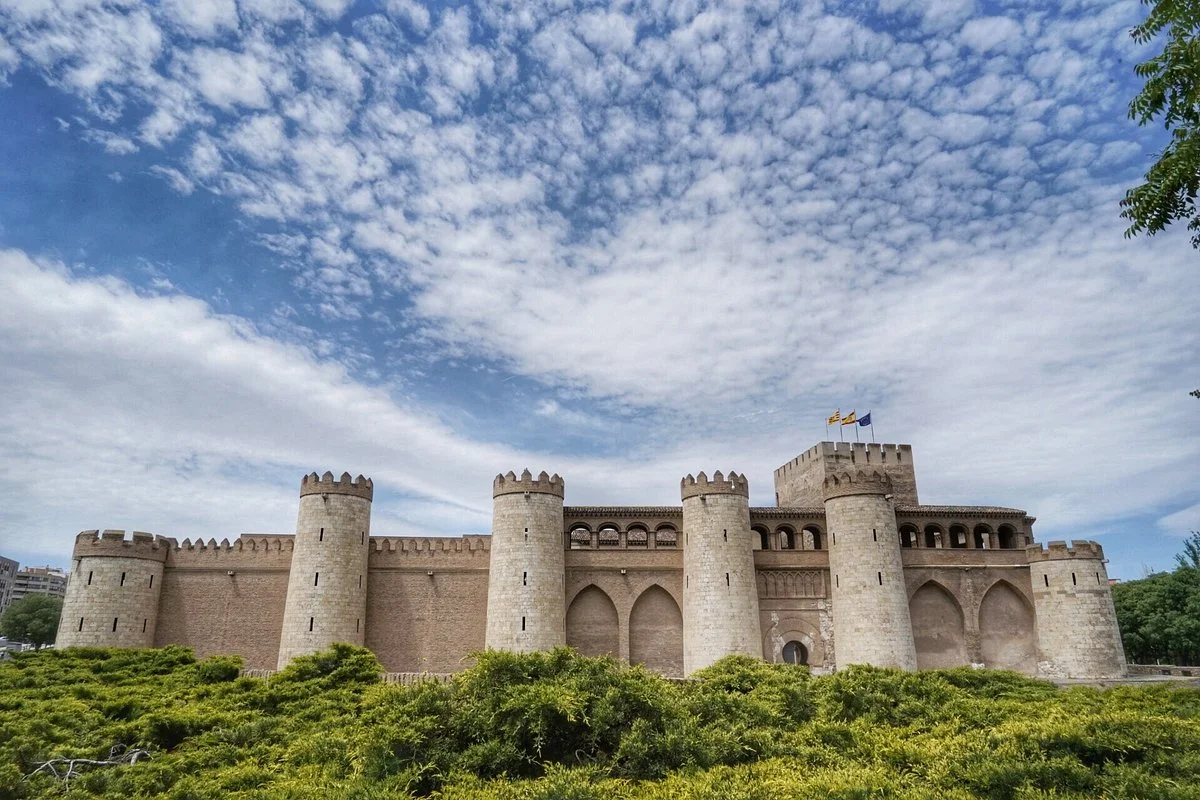
Visigothic art left a profound imprint on the development of later styles in the Iberian Peninsula, bridging cultural and religious transitions over centuries. Architectural elements such as the horseshoe arch became a defining feature in Mozarabic art, a style developed by Christians living under Islamic rule. These arches, first seen in Visigothic structures like San Pedro de la Nave, were adapted into Islamic architecture and later reintroduced into Spanish Christian designs, demonstrating their enduring influence. The integration of these forms in later Romanesque churches further highlights their significance, underscoring the Visigoths’ role in shaping architectural traditions.
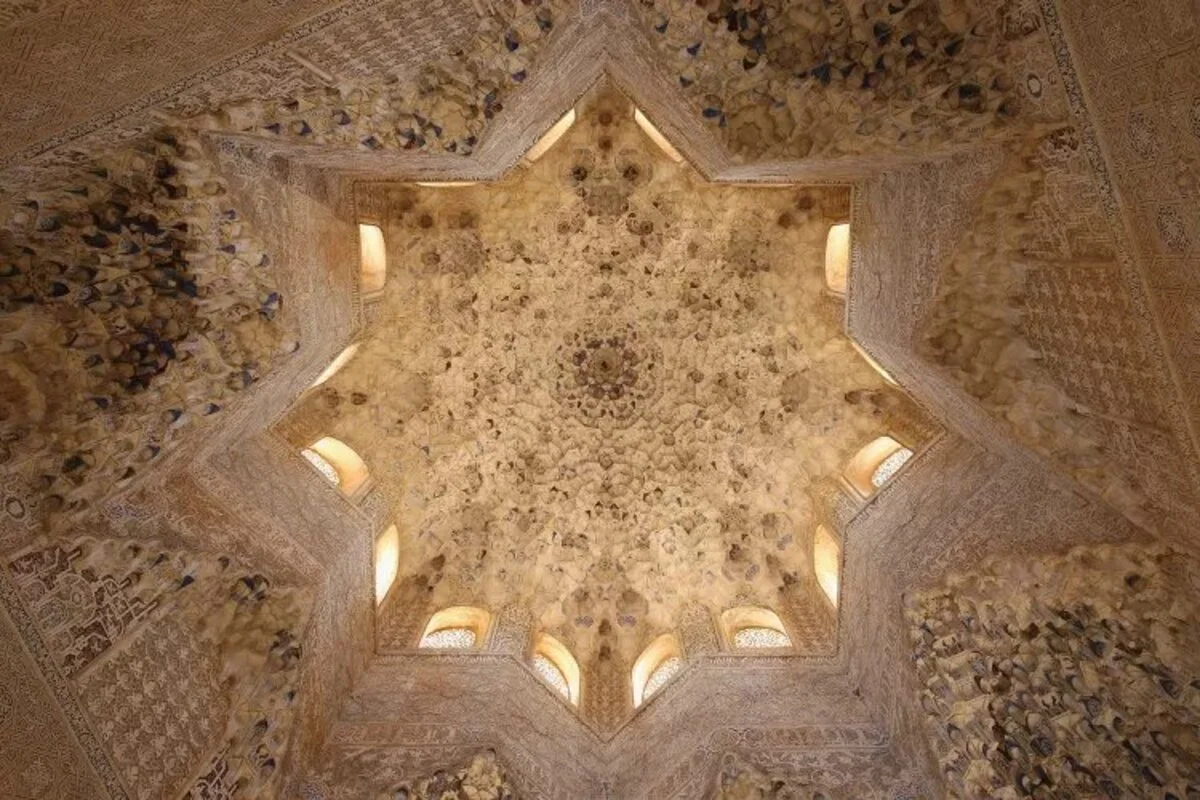
Beyond architecture, Visigothic ornamental motifs such as interlaced patterns and geometric designs influenced subsequent decorative arts. These elements were adapted into Islamic craftsmanship, including tile work and metalwork, and continued to appear in Spanish Christian artifacts. The ability of Visigothic art to transcend cultural boundaries and inspire new movements underscores its importance as a foundational artistic tradition in medieval Iberia.
Zachowanie artystyczne
Mimo islamskiej konkwisty Półwyspu Iberyjskiego w 711 r. n.e., liczne wizygockie osiągnięcia artystyczne zostały zachowane, zarówno poprzez adaptację, jak i jako cenione zabytki historyczne. Kościoły takie jak Santa Comba de Bande i San Pedro de la Nave zachowały swoją integralność architektoniczną, ukazując trwałość i kulturowe znaczenie wizygockiego designu. Budowle te stały się symbolami ciągłości, łączącymi epokę przedislamską i chrześcijańską rekonkwistę.
Artifacts such as votive crowns and fibulae also survived, often housed in churches and later in museums, where they became sources of study and admiration. The rediscovery and reinterpretation of these works during the 19th-century revival of medieval art brought renewed attention to the Visigoths’ contributions. By preserving these creations, later generations ensured that the Visigothic legacy remained a vital and celebrated thread in the broader tapestry of European artistic history.
.webp)
Przykłady reprezentatywne
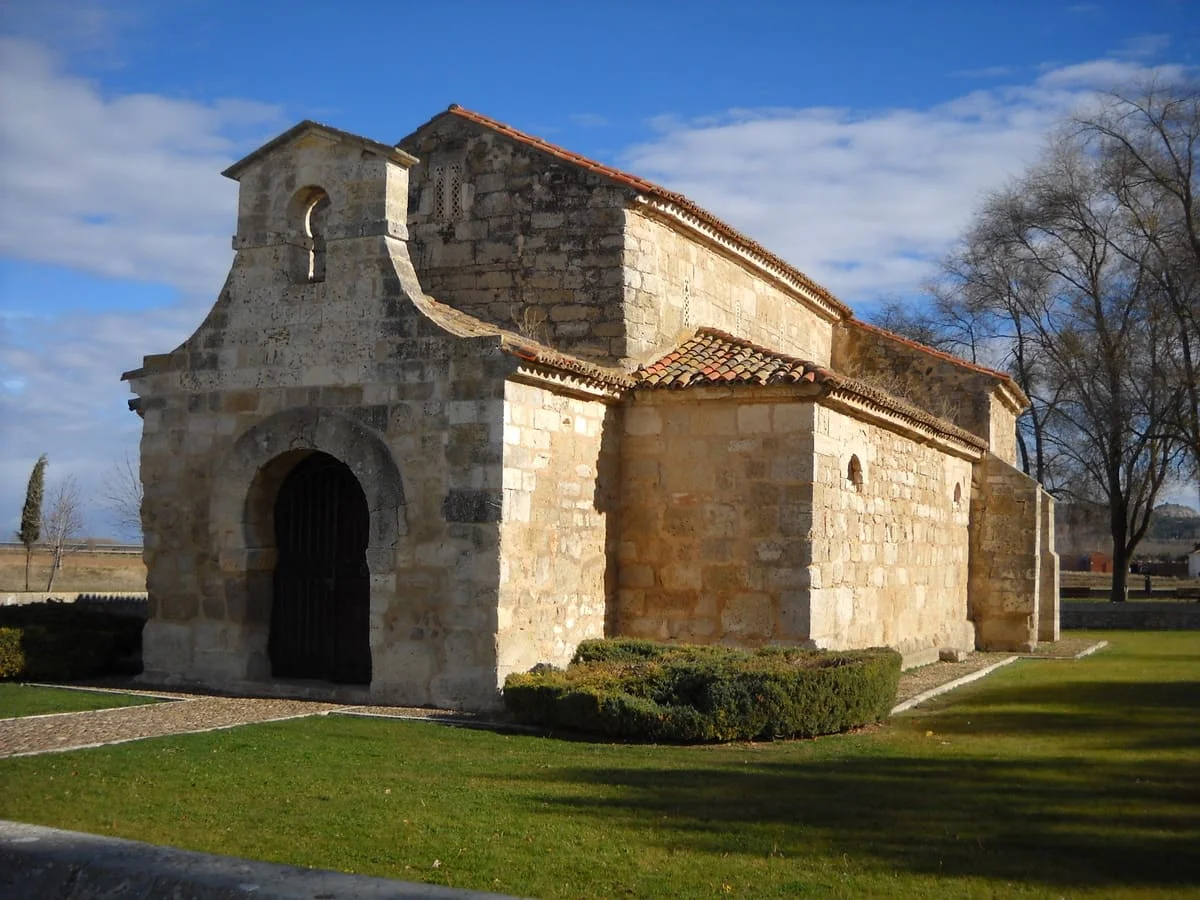
San Juan de Baños, Palencia (VII wiek)
San Juan de Baños is one of the earliest surviving examples of Visigothic architecture, commissioned by King Recceswinth. Its basilica layout reflects Roman influence, while its horseshoe arches and thick stone walls introduce distinctly Visigothic elements. The interior is simple yet functional, designed to create an intimate space for worship. The use of carved capitals adorned with abstract and vegetal motifs reflects the merging of classical traditions with emerging medieval aesthetics.
The church’s enduring structure demonstrates the Visigothic commitment to architectural durability and spiritual expression. San Juan de Baños remains a significant cultural and historical landmark, representing the integration of Roman engineering with Visigothic innovation. Its design influenced later religious structures in the Iberian Peninsula, laying the foundation for the development of Mozarabic and Romanesque styles.
Wotywna korona króla Recceswintha (VII wiek)
The Votive Crown of King Recceswinth is a stunning example of Visigothic metalwork, combining intricate filigree with Christian iconography. Adorned with hanging crosses and inlaid gemstones, the crown reflects the growing influence of Christianity in the Visigothic kingdom. It was likely offered as a royal dedication, symbolizing both piety and the divine authority of the monarchy.
This artifact highlights the sophistication of Visigothic craftsmanship and the fusion of artistic and spiritual ideals. The crown’s ornate design, balancing geometric precision with symbolic motifs, influenced later medieval metalwork across Europe. Preserved in collections such as the Treasure of Guarrazar, it continues to captivate historians and art enthusiasts alike, serving as a testament to the cultural and artistic achievements of the Visigoths.
.webp)
Wizygockie fibule (VI–VII wiek)
Visigothic fibulae are exquisite examples of early medieval jewelry, showcasing the intersection of functionality and artistry. These brooches, used to fasten garments, were crafted with intricate designs, often featuring interlaced animal forms and geometric patterns. The use of gold, silver, and inlaid stones reflects the wealth and craftsmanship of the Visigothic elite.
The fibulae also carried symbolic significance, representing status and cultural identity. Their designs, influenced by Germanic traditions, blended seamlessly with Roman and Byzantine techniques, creating a unique visual language. These artifacts are celebrated for their technical and aesthetic sophistication, offering a glimpse into the daily life and artistic priorities of the Visigothic era.
.webp)
Santa Comba de Bande, Ourense (VII wiek)
Santa Comba de Bande exemplifies Visigothic architectural ingenuity, combining Roman construction methods with distinctive regional adaptations. The church’s square layout and horseshoe arches create a balanced and harmonious structure, emphasizing simplicity and functionality. Its stone walls and small windows reflect the Visigothic focus on durability and intimacy in sacred spaces.
The interior features remnants of decorative elements, including carved capitals and altar fittings that echo the geometric and floral motifs characteristic of Visigothic design. Santa Comba de Bande’s architectural principles influenced later Mozarabic and Romanesque churches, demonstrating the lasting impact of Visigothic art and engineering. As one of the best-preserved examples of Visigothic architecture, it stands as a vital link to the early medieval history of the Iberian Peninsula.
.webp)
Upadek i dziedzictwo
Visigothic art declined following the Islamic conquest of the Iberian Peninsula in the 8th century, yet its influence persisted in regional art and architecture. It served as a cultural cornerstone, influencing artistic transitions and bridging the classical and medieval periods through its innovative designs and symbolic depth.
Spadek popularności
The Islamic conquest of the Iberian Peninsula in 711 CE marked a turning point in the decline of Visigothic art and culture. The fall of the Visigothic Kingdom disrupted the production of its distinct artistic and architectural styles, as Islamic influences began to dominate the region. Structures like San Pedro de la Nave and Santa Comba de Bande, while spared from destruction, became relics of a bygone era. Elements of Visigothic architecture, such as horseshoe arches, were absorbed into Islamic designs, forming the basis for the Moorish style that would flourish in the region for centuries.
"Nawet w swoim upadku, styl wizygocki szeptał przez łuki i rzeźby, kształtując sztukę tych, którzy go podążali." – Historyk architektury
This cultural shift relegated Visigothic art to a secondary role, as Islamic aesthetics and techniques took center stage. However, the Visigothic influence persisted subtly, blending with new traditions to create hybrid styles such as Mozarabic art. This integration ensured that aspects of Visigothic design continued to resonate, even as the kingdom itself faded into history. The decline of Visigothic art underscores the transformative power of conquest and cultural exchange in shaping artistic evolution.
.webp)
Trwałe dziedzictwo
Despite its decline, Visigothic art has left an enduring legacy, particularly in its contributions to medieval European art and architecture. The rediscovery of Visigothic artifacts, such as the Treasure of Guarrazar and votive crowns, brought renewed attention to the period’s intricate craftsmanship and symbolic richness. These objects now serve as vital links to the artistic and cultural heritage of early medieval Iberia, inspiring contemporary appreciation and study.
"Visigothic art’s enduring legacy lies in its ability to adapt and inspire, leaving echoes in the medieval imagination." – Modern Art Historian
Visigothic architectural innovations also shaped subsequent styles, influencing the development of Romanesque and Gothic traditions. Elements like the horseshoe arch were reinterpreted and revived in later Christian structures, bridging the cultural gap between Islamic and Christian art. By preserving and adapting Visigothic elements, later generations ensured that its artistic principles remained a vital part of Europe’s medieval artistic tapestry. This legacy highlights the resilience and adaptability of Visigothic art in the face of historical change.
%2520(1).webp)
Conclusion: Visigothic art represents a unique fusion of cultural influences, bridging classical traditions and medieval innovation. Its architectural and decorative achievements laid the foundation for later styles in the Iberian Peninsula, ensuring its place as a significant chapter in the history of European art and culture.
Przykłady wizualne
.webp)
.webp)
Co definiuje sztukę wizygocką?

Sztuka wizygocka definiowana jest przez skromną skalę, misterną ornamentykę oraz syntezę wpływów rzymskich, bizantyjskich i germańskich. Charakteryzuje się łukami podkowowatymi, geometrycznymi wzorami i chrześcijańską symboliką w architekturze oraz sztukach dekoracyjnych, odzwierciedlając tożsamość kulturową Królestwa Wizygotów.
Jak sztuka wizygocka wpłynęła na późniejsze style?
Sztuka wizygocka wpłynęła na style mozarabickie i romańskie, szczególnie na Półwyspie Iberyjskim. Elementy takie jak łuki podkowowate i geometryczne wzory zostały przyjęte przez tradycje islamskie i chrześcijańskie, co świadczy o trwałym wpływie innowacji wizygockich na średniowieczną sztukę europejską.
Dlaczego sztuka wizygocka upadła?
Sztuka wizygocka upadła po islamskiej konkwisty Półwyspu Iberyjskiego w 711 r. n.e., która wprowadziła nowe wpływy kulturowe i artystyczne. Jednak wiele elementów wizygockich zostało zachowanych i włączonych do islamskich oraz późniejszych chrześcijańskich projektów, zapewniając ich trwałe dziedzictwo.

Sofiya Valcheva
Copywritter
When I’m writing, I’m in my zone, focused, creative, and pouring my heart into every word. When I’m not, I’m probably dancing around, lost in my favorite music, or chasing inspiration wherever it may lead!