Art Deco powstało we Francji na początku XX wieku, osiągając szczyt w latach 20. i 30. XX wieku. Ruch wziął swoją nazwę od Exposition Internationale des Arts Décoratifs et Industriels Modernes, która odbyła się w Paryżu w 1925 roku, gdzie artyści, projektanci i architekci prezentowali swoje nowoczesne projekty. Art Deco aros
Ruch stał się synonimem designu wysokiej klasy, integrating opulent materials like marble, lacquer, glass, chrome, and polished wood to create pieces that were both functional and ornamental. With its sophisticated aesthetic, Art Deco became a defining symbolu nowoczesności i elegancji, influencing a broad range of artistic disciplines worldwide.
„Art Déco reprezentuje elegancję, wyrafinowanie i celebrację ery zdominowanej przez maszyny.” – Bevis Hillier
Z wpływami sięgającymi od Kubizmu i Futuryzmu to motywów egipskich i azteckich, Art Deco brought together traditional and modern elements in innovative ways. Artists and designers valued clean lines, symmetry, and geometric shapes, infusing these with bold colors and lavish detailing. Art Deco’s influence quickly spread beyond France, impacting architecture, interior design, fashion, and even cinema on a global scale. This movement mirrored the societal shift toward modernism while retaining a sense of artistry and elegance, making it a defining style of the interwar period.
Początki i Ewolucja
Paryska Ekspozycja i Narodziny Art Deco
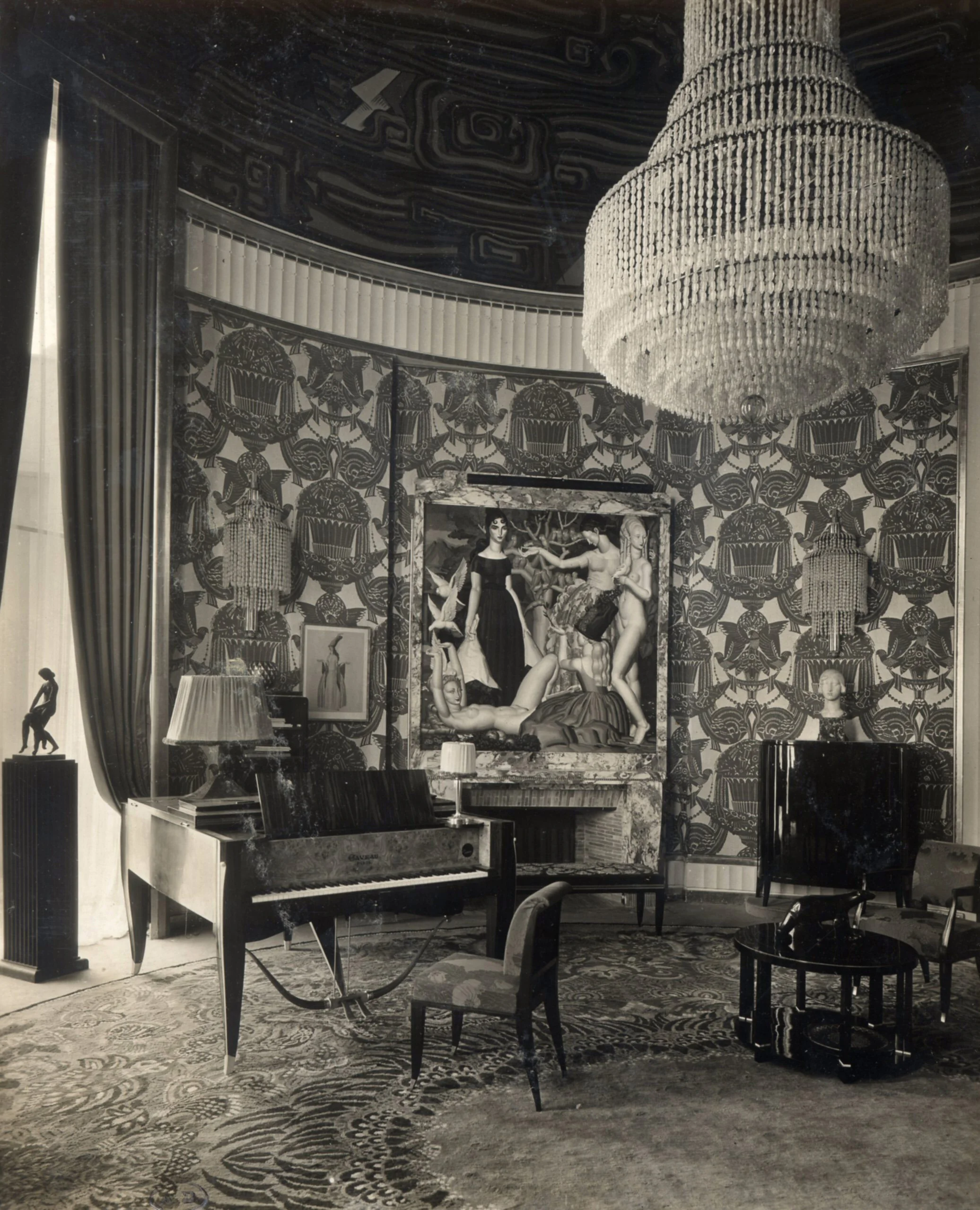
The 1925 Exposition Internationale des Arts Décoratifs et Industriels Modernes in Paris officially introduced Art Deco to an international audience. Organized to celebrate modern decorative arts, the exposition showcased works that emphasized luxury, glamour, and modern design. Unlike its predecessor, Art Nouveau, Art Deco focused on a more streamlined and symmetrical aesthetic, replacing organic curves with clean lines and geometric shapes. Artists like Émile-Jacques Ruhlmann and René Lalique prezentował meble, biżuterię i szkło, które łączyły rzemieślniczą umiejętność z nowoczesnymi materiałami, wyznaczając ton stylistycznej tożsamości Art Deco.
„Paryska Wystawa z 1925 roku była triumfem blasku i innowacji, łącząc przeszłość i przyszłość w odważny, nowy sposób.” – Alastair Duncan
This exposition marked a turning point in the decorative arts, establishing Art Deco as the epitome of modern luxury. The movement embraced both traditional craftsmanship and industrial methods, reflecting the postwar era’s fascination with mechanization and new technologies. Art Deco’s appeal lay in its ability to blend funkcjonalność z przepychem, making high-end design accessible to a growing middle class. This early period defined the movement’s emphasis on lavish materials and bold geometry, setting the stage for Art Deco’s rapid international spread.
Globalna Ekspansja Art Deco
Art Deco szybko zyskało popularność poza Francją, szczególnie w United States, where it became associated with luxury and the promise of a new, modern era. In the U.S., architects like William Van Alen and Raymond Hood adapted Art Deco principles to create iconic skyscrapers, such as the Chrysler Building i Rockefeller Center, which reflected the American fascination with progress and urban life. Art Deco’s emphasis on streamlined forms and geometric patterns resonated with the optimism and technological advancements of the period, leading to its widespread adoption in public buildings, theaters, and luxury stores.
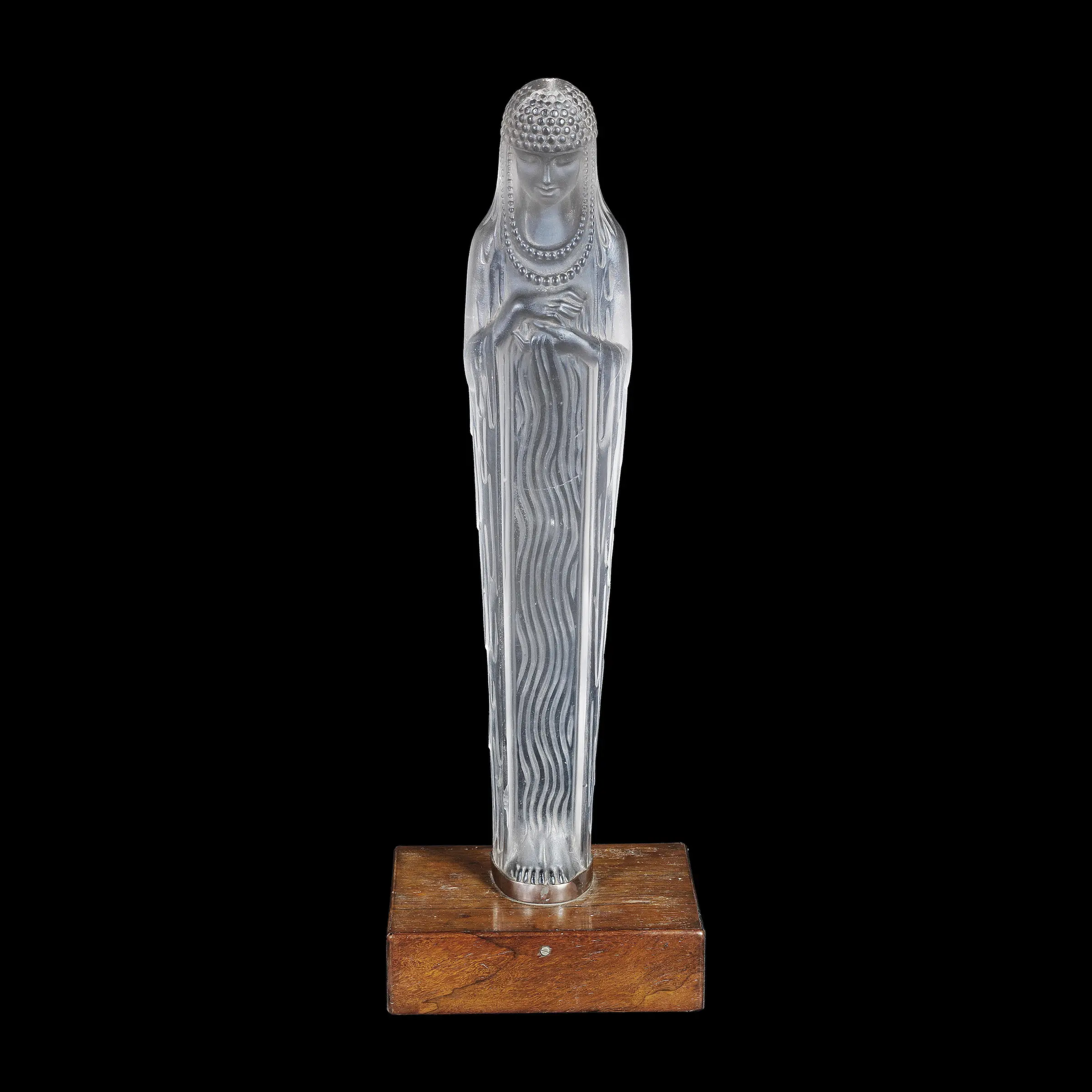
In addition to architecture, Art Deco influenced fashion, jewelry, and industrial design, becoming a cultural phenomenon. Fashion designers like Jeanne Lanvin and Elsa Schiaparelli włączali motywy Art Deco do swoich ubrań, podczas gdy jubilerzy tacy jak Cartier created pieces that mirrored the movement’s aesthetic of symmetry and sophistication. This global adoption of Art Deco marked it as more than just a style; it became a symbol of a modern, cosmopolitan lifestyle that transcended national borders. Art Deco continued to evolve, adapting to the tastes and technologies of each region, solidifying its place as an international movement.

Koncepcja Estetyczna
Geometria i Symetria
Tożsamość wizualna Art Deco definiuje podkreślenie geometrii i symetrii, reflecting the movement’s embrace of both traditional craftsmanship and modern industrial aesthetics. Art Deco artists and designers frequently used angular shapes, zigzags, and bold lines to create compositions that were structured yet visually engaging. This preference for geometric form distinguished Art Deco from earlier movements, which often favored organic shapes, and signaled a shift toward order and precision in design. Artists like Tamara de Lempicka włączała te geometryczne zasady do portretów, tworząc dzieła o opływowych formach i smukłych, kanciastych cechach.
„Geometria i symetria Art Déco nadają mu ponadczasowy, uniwersalny urok, który pozostaje aktualny w różnych kulturach i pokoleniach.” – Judith Miller
W architekturze geometryczna estetyka Art Deco przełożyła się na wysokie budowle i misternie zdobione fasady, które łączyły prostotę z rozbudowanymi detalami. The Chrysler Building w Nowym Jorku, z jej motywami słonecznika and streamlined spire, exemplifies the balance between symmetry and ornamentation. By emphasizing balance and structure, Art Deco architecture captured the movement’s modernist aspirations while maintaining a sense of grandeur and elegance. This geometric approach also permeated interior design, where patterns and furnishings reflected the harmonious and bold characteristics of Art Deco style.
Luksusowe materiały i rzemiosło
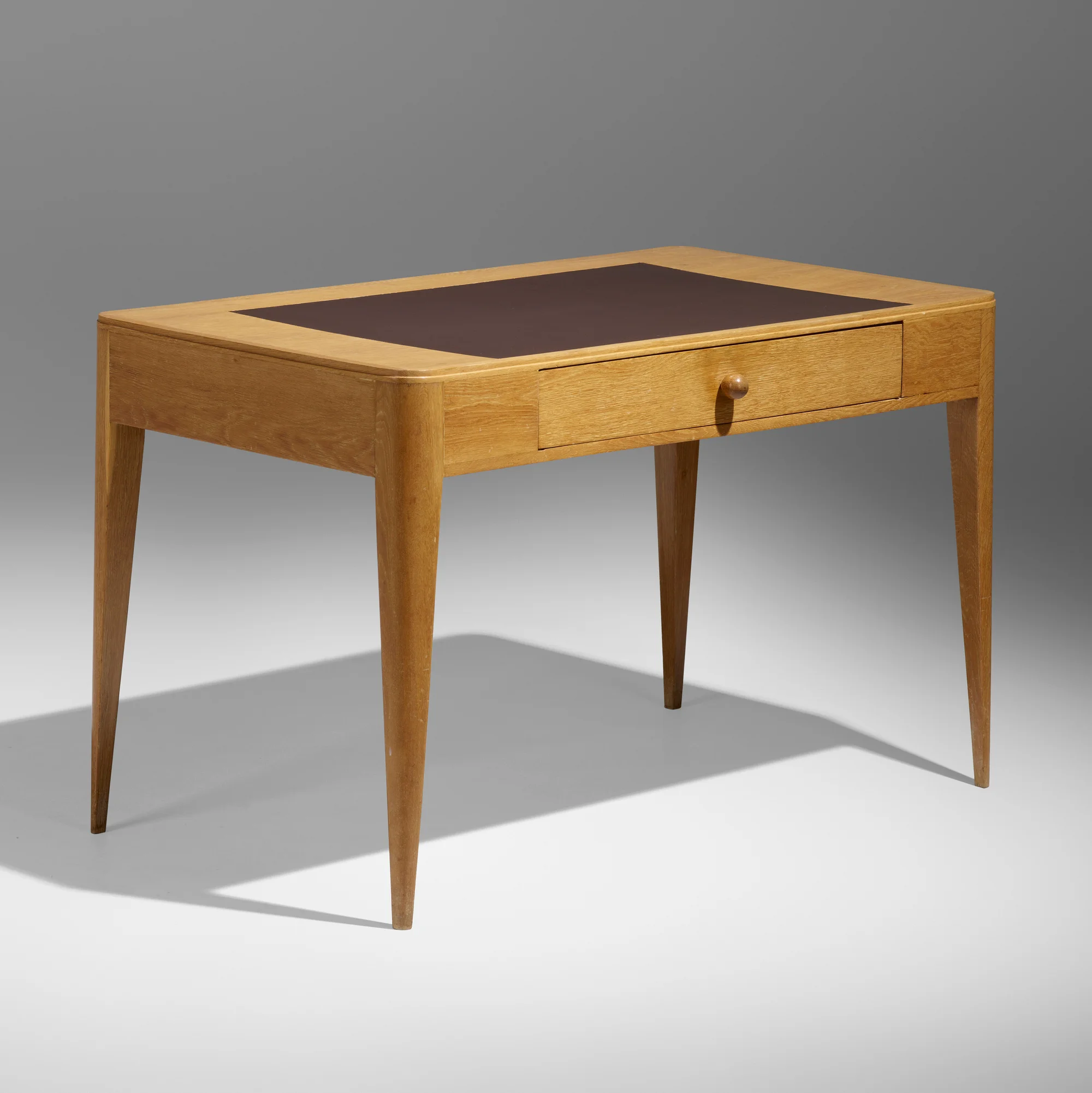
Jedną z definiujących cech Art Deco było jego użycie wystawnych materiałów to create a sense of sophistication and exclusivity. Designers employed polished woods, lacquer, marble, ivory, and metals like chromu i złota to craft pieces that were luxurious yet functional. This emphasis on high-quality materials conveyed a sense of elegance and durability, aligning with the movement’s commitment to artisanal craftsmanship. Furniture by Émile-Jacques Ruhlmann często wykorzystywano egzotyczne drewno i drobiazgowe detale, symbolizujące ideał luksusu i wyrafinowania w Art Deco.
"Design Art Deco przekształca codzienne przedmioty w ikony piękna i funkcjonalności." – Jean-Paul Bouillon
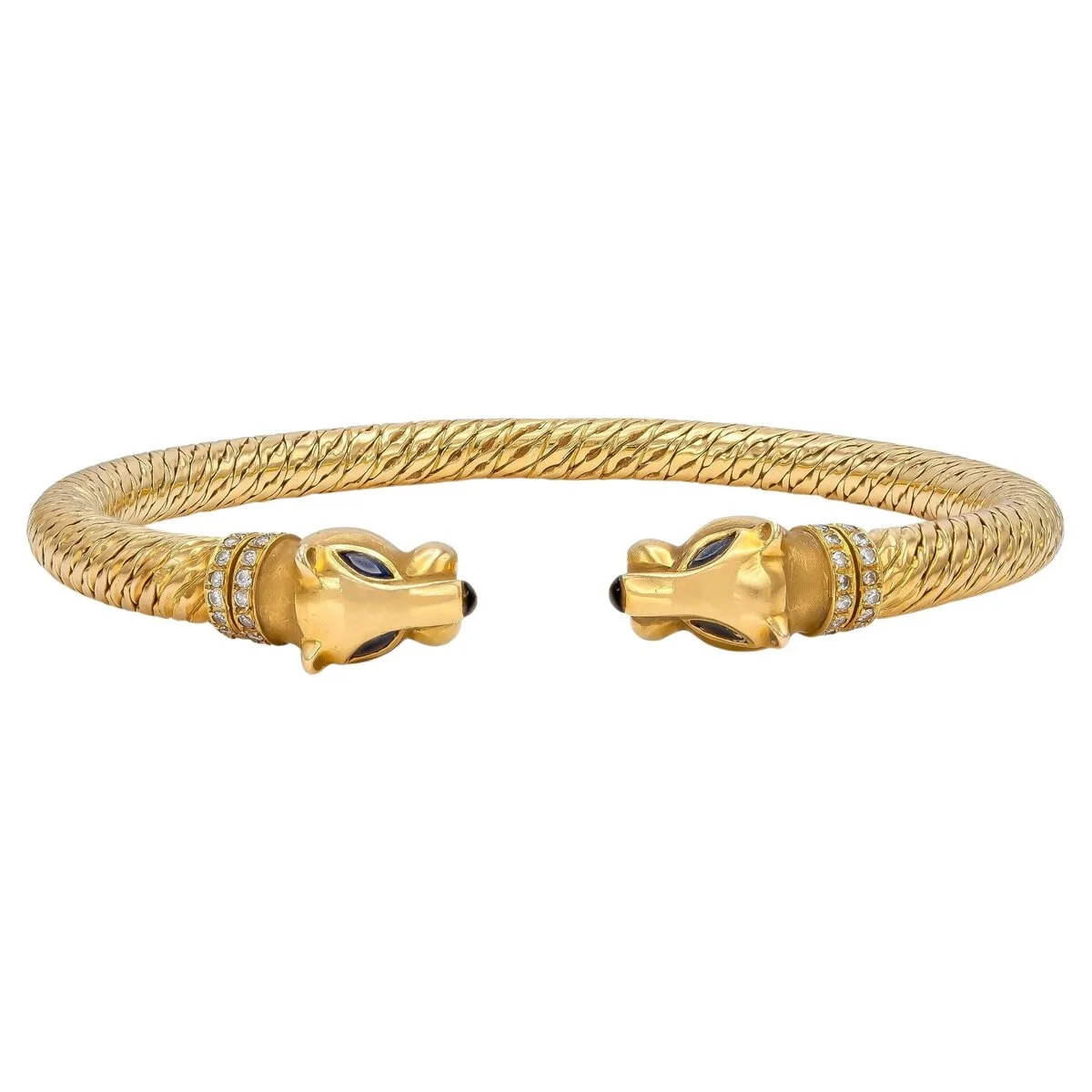
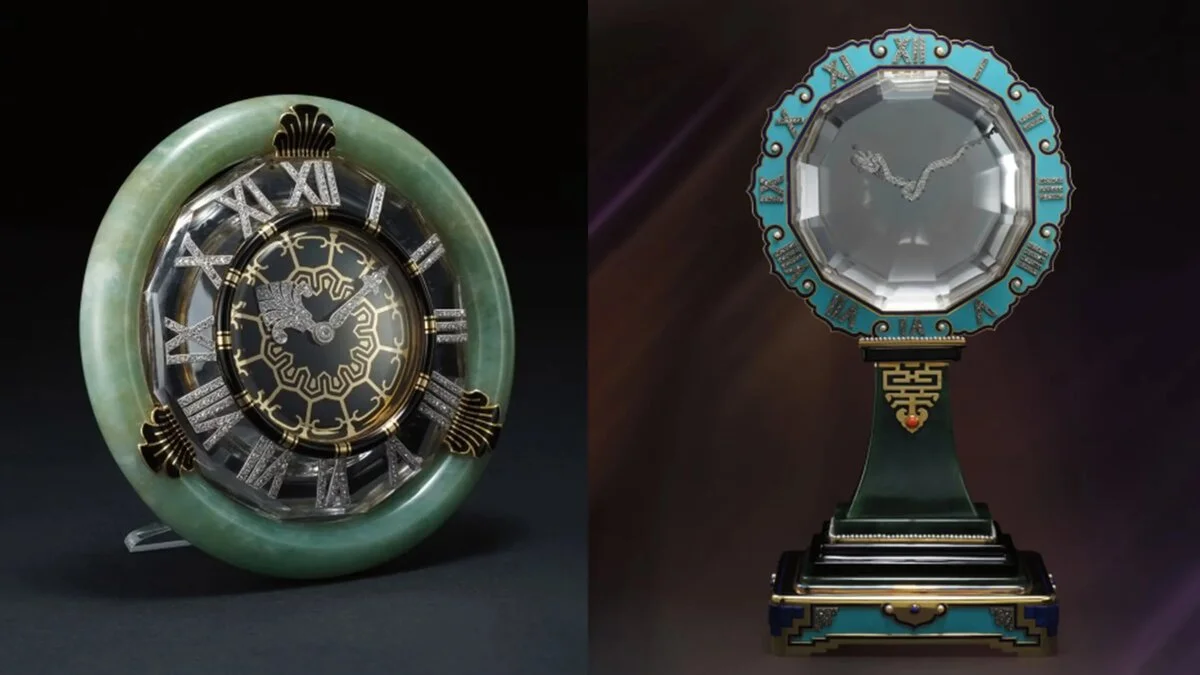
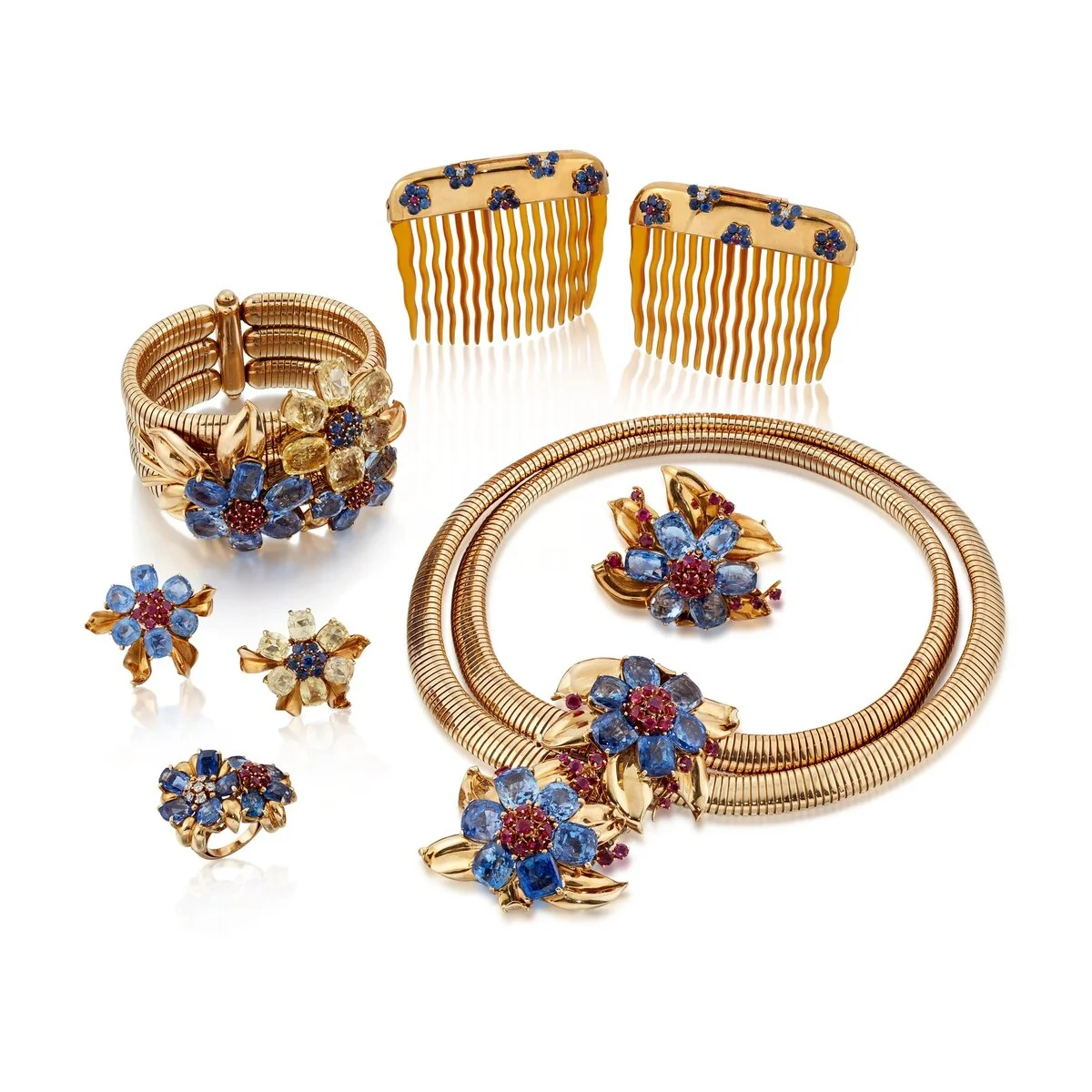
In addition to materials, Art Deco design showcased exceptional craftsmanship, with artists blending techniki ręczne z procesami przemysłowymi. Projektanci biżuterii, tacy jak Cartier i Van Cleef & Arpels, wykorzystywali geometryczne motywy Art Deco w dziełach z diamentami, szafirami i innymi drogocennymi kamieniami, tworząc projekty łączące elegancję z nowoczesnym stylem. To połączenie rzemiosła i współczesnej estetyki stało się jedną z najbardziej rozpoznawalnych cech Art Deco, odróżniając ją od innych ruchów modernistycznych, które preferowały bardziej użytkowe podejścia.
Tematy i motywy
Epoka Maszyn i Nowoczesność
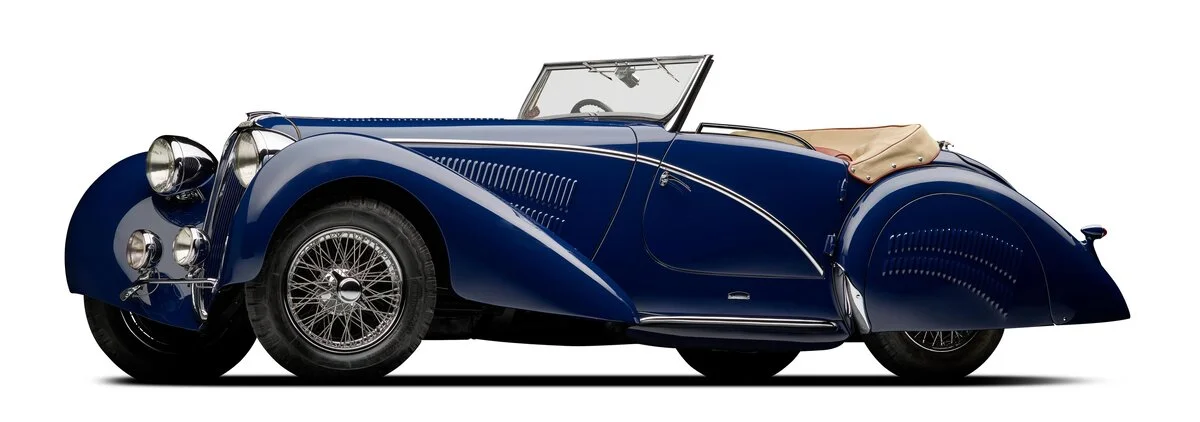
Art Deco celebrowało Epokę Maszyn, drawing inspiration from technological advancements and the rise of mechanized society. Designers incorporated elements of machinery into their work, using streamlined shapes, polished surfaces, and metallic finishes that reflected the precision and efficiency of industrial production. These machine-inspired designs aligned with the broader cultural fascination with technology, positioning Art Deco as a movement that embraced both artistic and scientific progress.
Wieżowce i samochody, symbole Epoki Maszyn, silnie wpływały na formy i motywy architektoniczne Art Deco. Smukła estetyka widoczna w Rockefeller Center autorstwa Raymonda Hooda and Empire State Building reflected the movement’s admiration for speed, innovation, and urbanization. This theme also extended to fashion, where designers used sleek silhouettes and metallic fabrics to evoke the futuristic spirit of Art Deco, merging elegance with the energy of modern life.
Egzotyzm i starożytne kultury
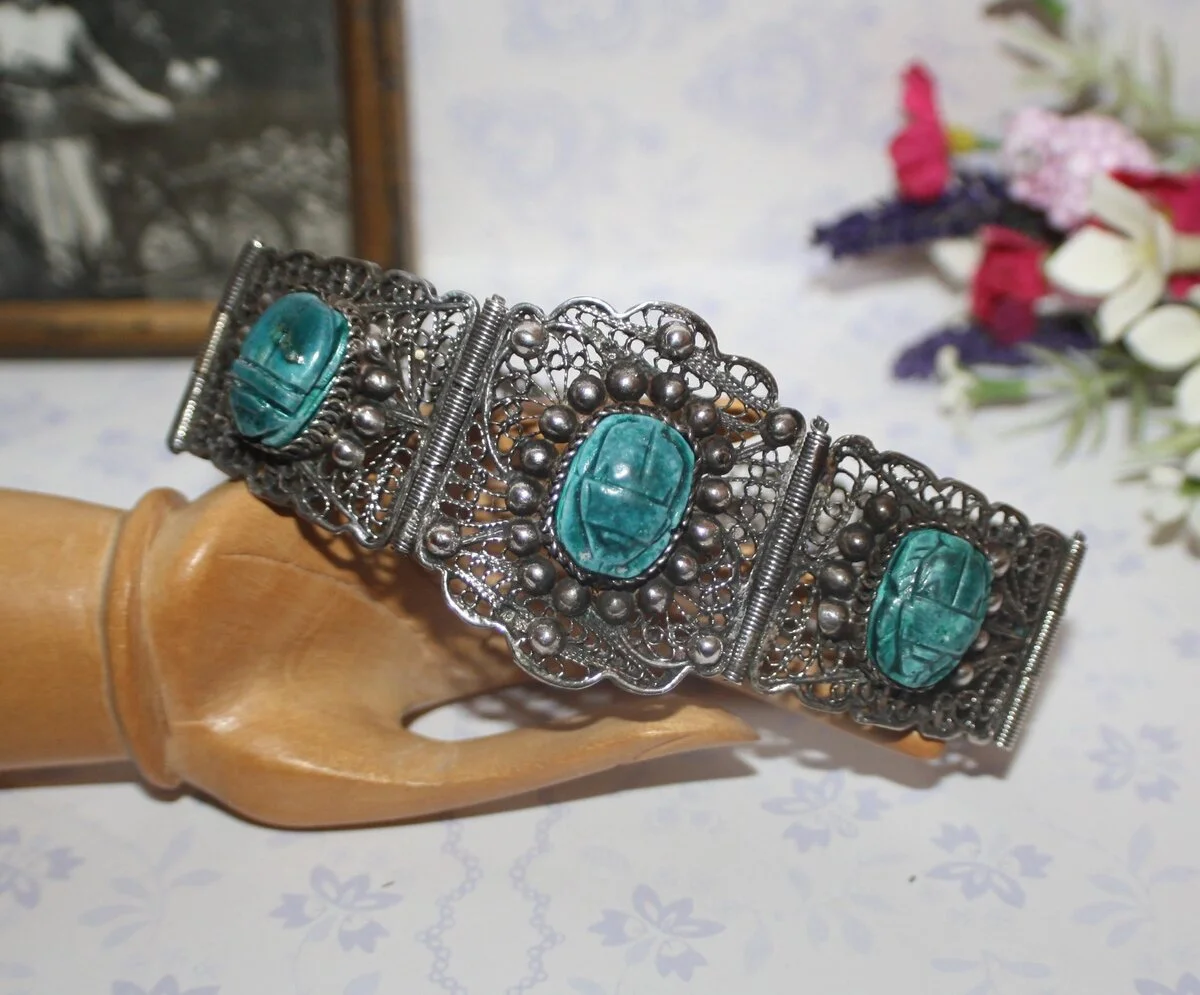
Art Deco czerpało także z egzotycznych i starożytnych kultur, incorporating motifs from Egypt, Mesopotamia, Africa, and East Asia to add an element of mystique and sophistication to its designs. The discovery of grobowiec króla Tutanchamona w 1922 roku fueled a fascination with Egyptian motifs, which appeared in jewelry, architecture, and interior decoration. Artists and designers incorporated hieroglyphics, stylized animals, and geometric patterns inspired by ancient art, infusing Art Deco works with a sense of history and opulence.
„Art Déco to mariaż sztuki starożytnej i industrialnej elegancji, gdzie historia spotyka się z nowoczesnością.” – Jared Goss
Ta fascynacja egzotyką pozwoliła Art Déco połączyć nowoczesność z ponadczasowym urokiem, tworząc dzieła, które były zarówno innowacyjne, jak i przesiąknięte tradycją. Wpływy egipskie i azjatyckie często adaptowano w stylizowanych wzorach, podczas gdy motywy afrykańskie pojawiały się w tekstyliach i sztuce dekoracyjnej, celebrując różnorodność kulturową i luksus. Włączając te egzotyczne tematy, Art Déco utrzymywało globalny zasięg i pozycjonowało się jako styl międzynarodowy, który przekraczał granice europejskie i amerykańskie.
Wpływ i oddziaływanie
Wpływ na późniejsze nurty
Wpływ Art Deco rozciągał się daleko poza szczyt w latach 30., torując drogę dla designu mid-century modern i Modernism . Nacisk ruchu na geometrię, prostotę, and high-quality materials found new expressions in postwar design, where sleek, functional forms became central. Modernist architecture and design, particularly in the 1950s and 1960s, drew on Art Deco’s clean lines and sense of sophistication, adapting them to a more utilitarian, less ornamental aesthetic. The movement also influenced graphic design and advertising, with bold typography, streamlined layouts, and dynamic patterns becoming standard in mid-century visual communication.
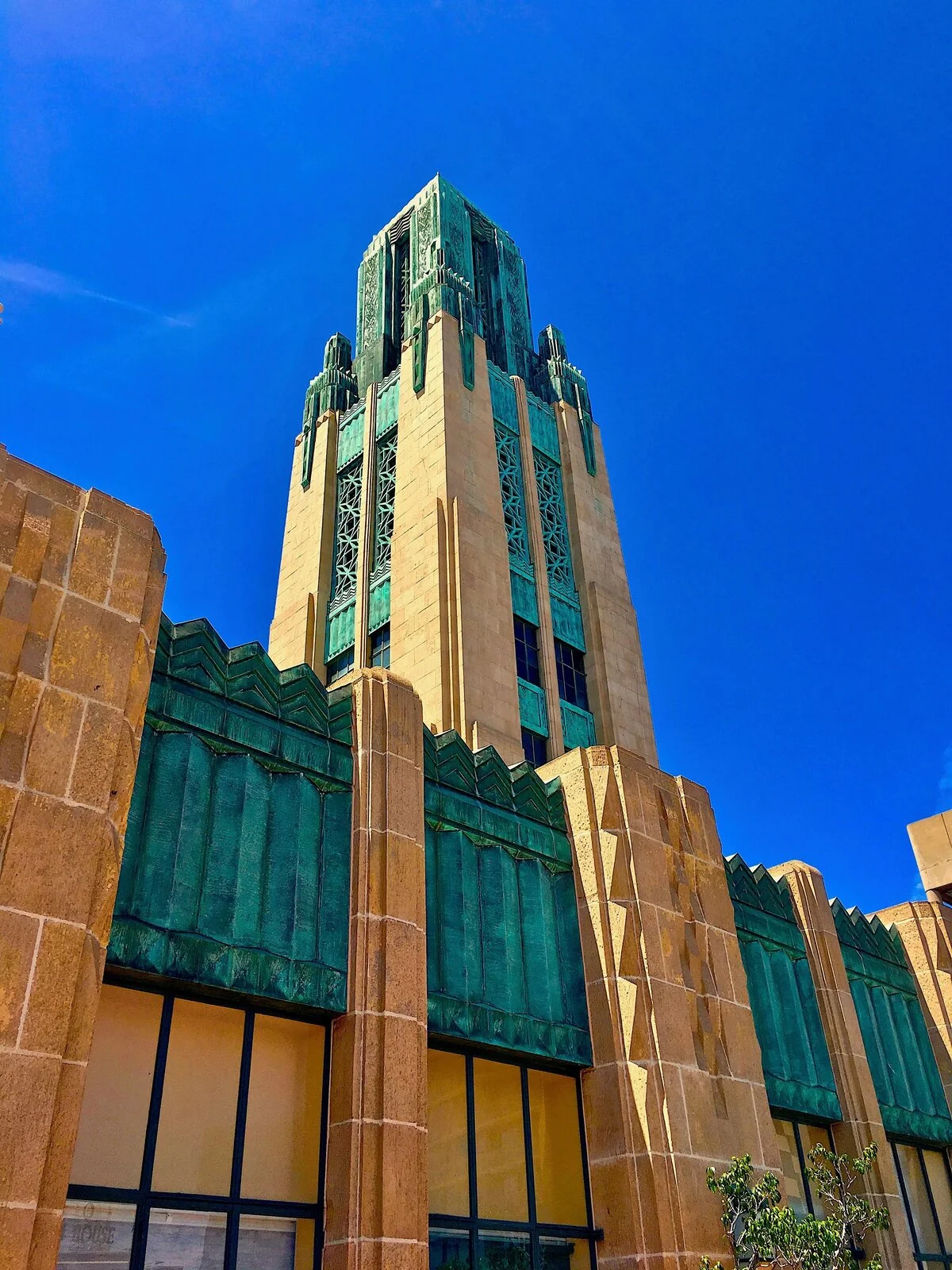
Wpływ Art Deco jest również widoczny w Hollywood i kulturze popularnej, where its glamorous style inspired set designs and costumes in films from the 1930s through the 1950s. The luxurious look of Art Deco helped shape the cinematic portrayal of elegance and modernity, creating a visual language that became synonymous with sophistication. This enduring appeal made Art Deco a lasting influence, reappearing in fashion, film, and even contemporary interior design, where its decorative elements continue to evoke a sense of timeless luxury.
Trwałe dziedzictwo we współczesnej sztuce i designie
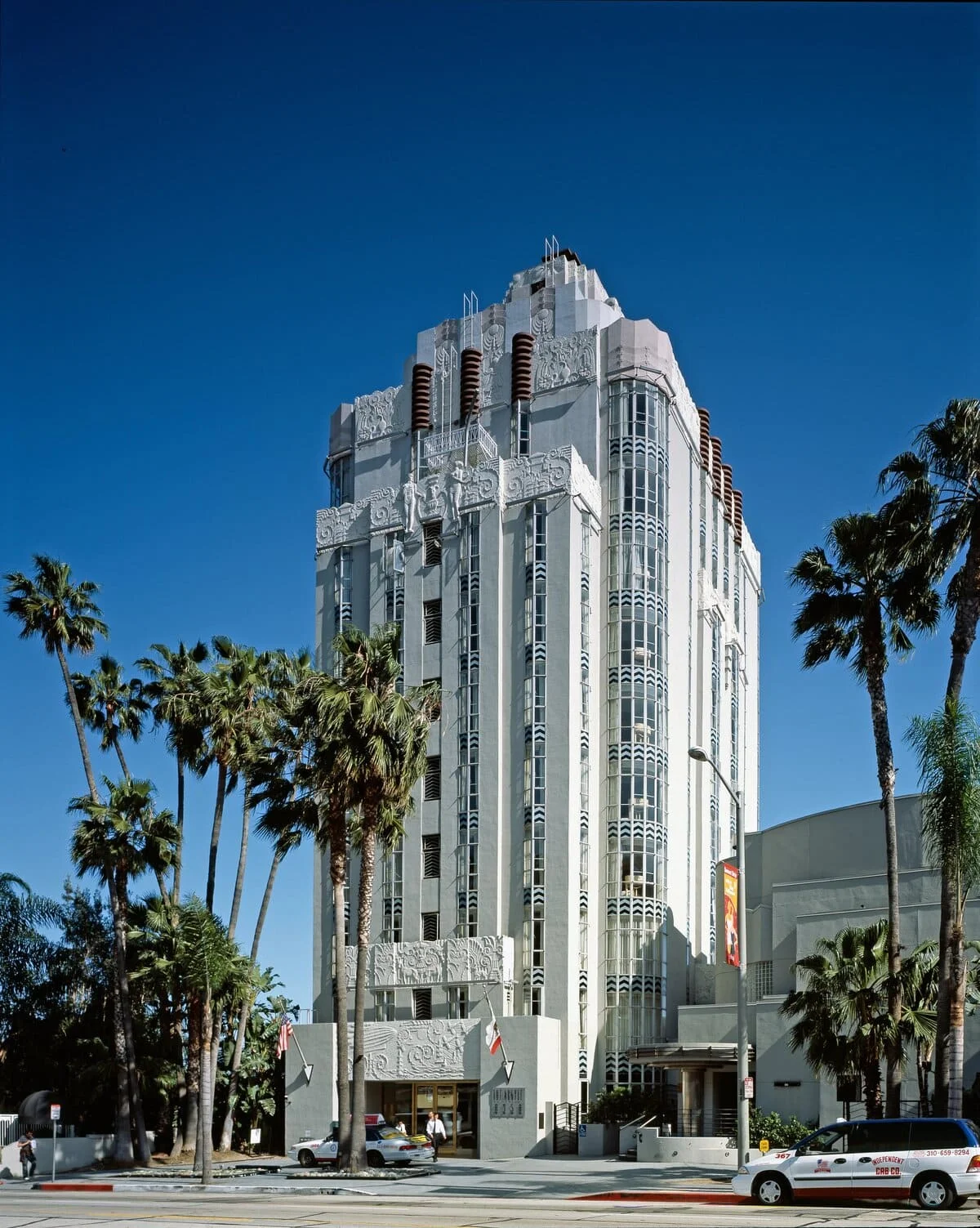
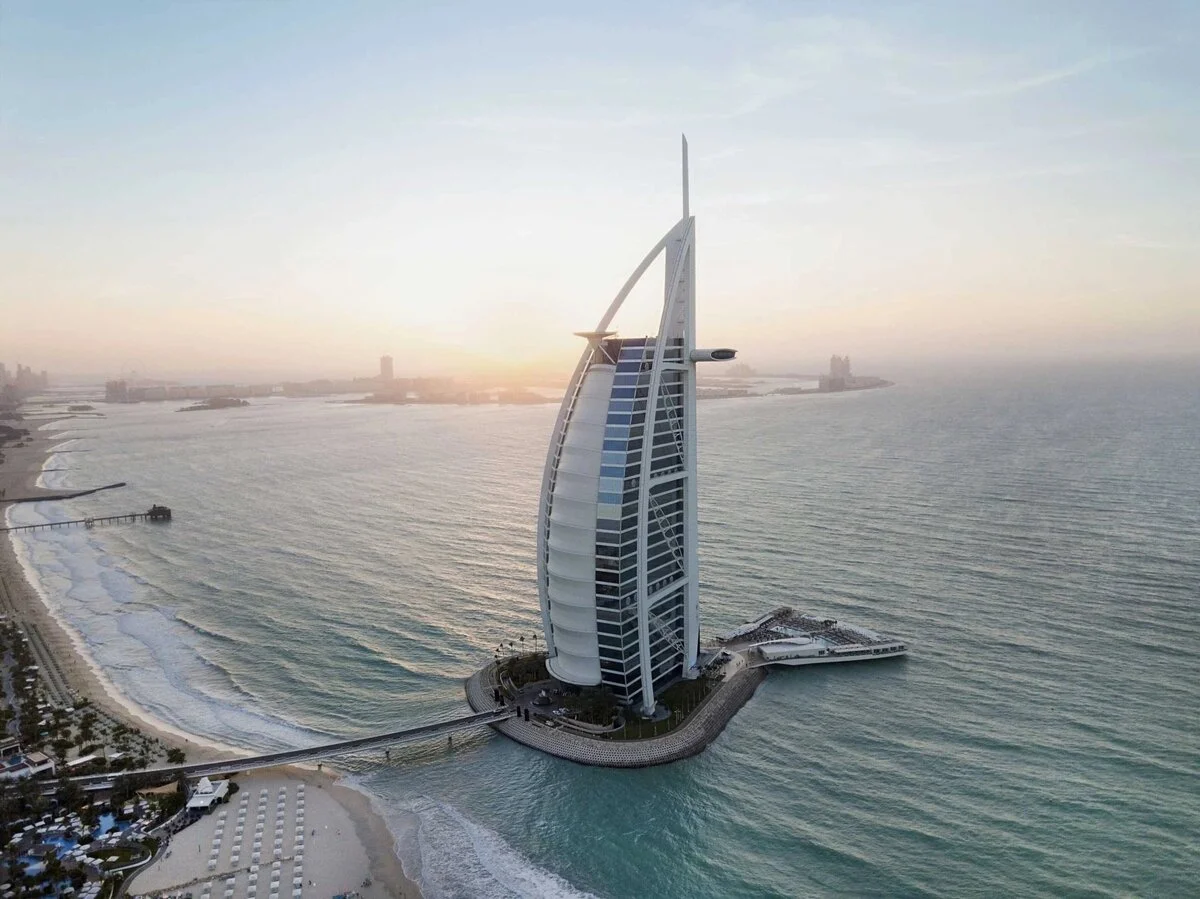
Dziś dziedzictwo Art Deco jest widoczne w współczesnej architekturze i designie, where its principles of symmetry, bold geometry, and quality materials continue to inspire. Modern adaptations of Art Deco can be seen in skyscrapers, hotels, and luxury brands that emphasize clean lines and opulent finishes. Art Deco’s influence is also prevalent in jewelry and fashion, where designers draw from its motifs to create pieces that reflect both elegance and individuality.
Odrodzenie Art Deco we współczesnym designie odzwierciedla nieustające fascynowanie się społeczeństwa blaskiem i nowoczesnością, które reprezentuje. From graphic design to architecture, Art Deco’s blend of historical motifs with streamlined, modern aesthetics remains popular, capturing a sense of sophistication that transcends trends. This lasting appeal has made Art Deco an iconic style that bridges the gap between traditional artistry and contemporary design, securing its place as a timeless influence in visual culture.
Przykłady reprezentatywne
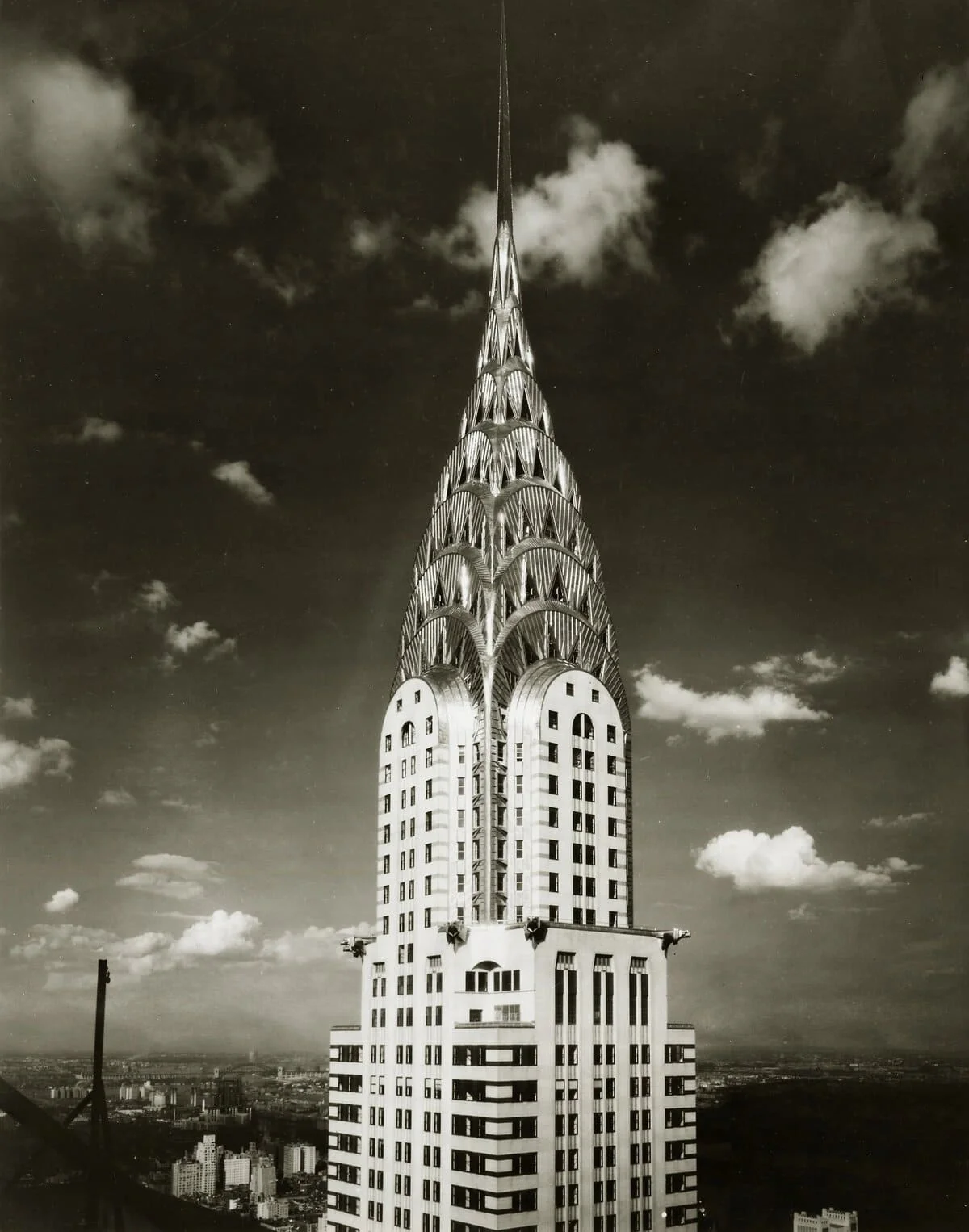
Chrysler Building by William Van Alen (1930)
The Chrysler Building w Nowym Jorku jest jednym z najbardziej cenionych przykładów architektury Art Deco, znanym ze swojego lśniącego iglicy, misternych detali i eleganckich proporcji. Zaprojektowany przez architekta Williama Van Alena, drapacz chmur odzwierciedla fascynację ruchu Art Deco nowoczesną technologią i miejską wyrafinowaniem. Budynek ikoniczny wzór promieni słonecznych on the spire symbolizes energy and progress, capturing the spirit of the Machine Age that Art Deco embraced. Chrome-nickel steel was used extensively to accentuate the building’s streamlined form, adding a futuristic quality that celebrated the material innovations of the era.
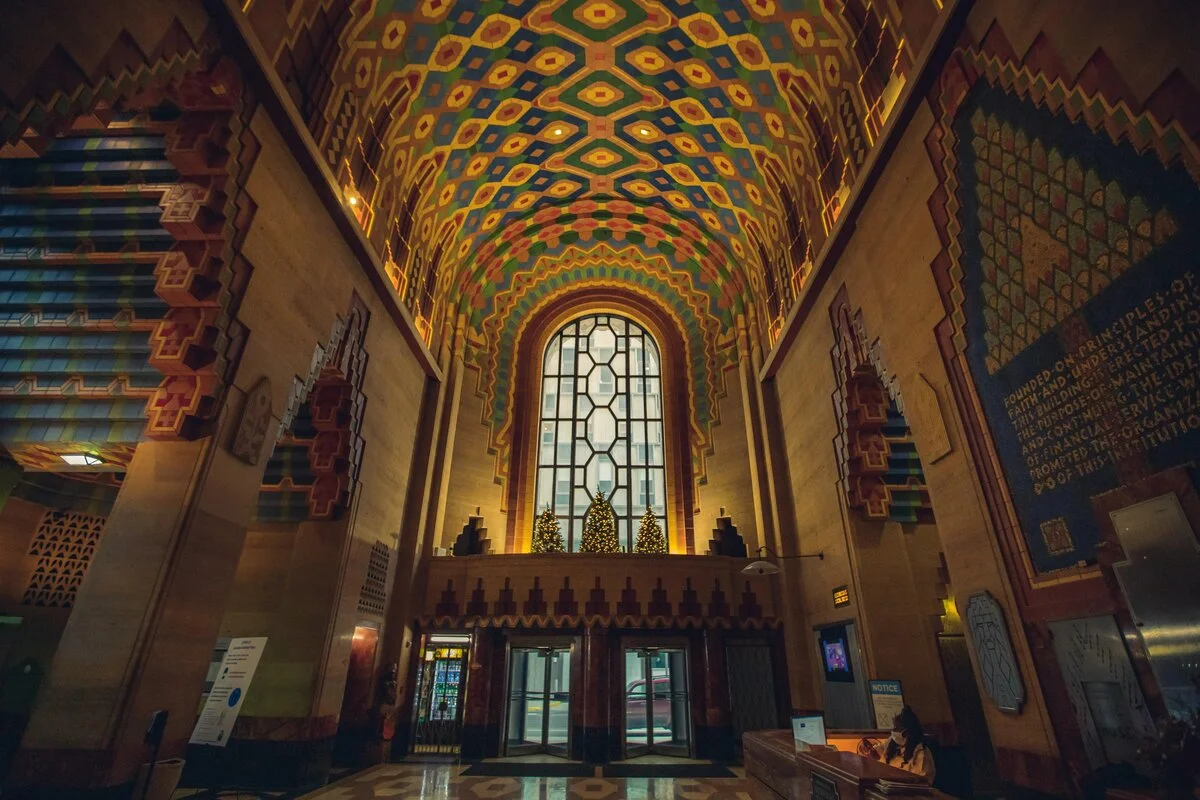
Poza jego elewacją, wnętrze Chrysler Building ilustruje przepych i precyzję kojarzone z Art Deco. Hol jest bogato zdobiony geometrycznymi wzorami, marmurem i wykonanymi na zamówienie elementami, które showcase craftsmanship and attention to detail. The Chrysler Building’s design marries functionality with lavish embellishment, making it a quintessential example of the Art Deco style. This building not only served as an architectural marvel of its time but also embodied the ambition and glamour of 1930s New York, cementing its place as a timeless icon of modern luxury and artistry.
Autoportret w zielonym Bugatti by Tamara de Lempicka (1929)
Tamary de Lempickiej Autoportret w zielonym Bugatti is a striking portrayal of independence, elegance, and power, embodying błyskotliwy duch epoki Art Deco. In this painting, de Lempicka portrays herself behind the wheel of a sleek green Bugatti, capturing the allure of speed and luxury. The work is characterized by clean lines, geometric precision, and bold colors, all hallmarks of Art Deco, which podkreślają nowoczesność i pewność siebie. The painting’s composition, with its structured forms and smooth planes, evokes the streamlined aesthetics of the 1920s and 1930s, creating a vision of effortless sophistication.
Ten autoportret odzwierciedla zainteresowanie ruchu Art Deco przedstawianiem wzmocnionej jednostki, gdy de Lempicka ukazuje siebie jako zarówno śmiałą, jak i wyrafinowaną. Her choice of a Bugatti, a symbol of technological advancement and exclusivity, reinforces the modernist ideals of freedom and strength. The painting celebrates not only de Lempicka’s identity as a female artist but also transformujący potencjał sztuki to reflect social and cultural change. Autoportret w zielonym Bugatti oddaje fuzję sztuki i osobistej ekspresji, czyniąc go definiującym dziełem epoki Art déco.

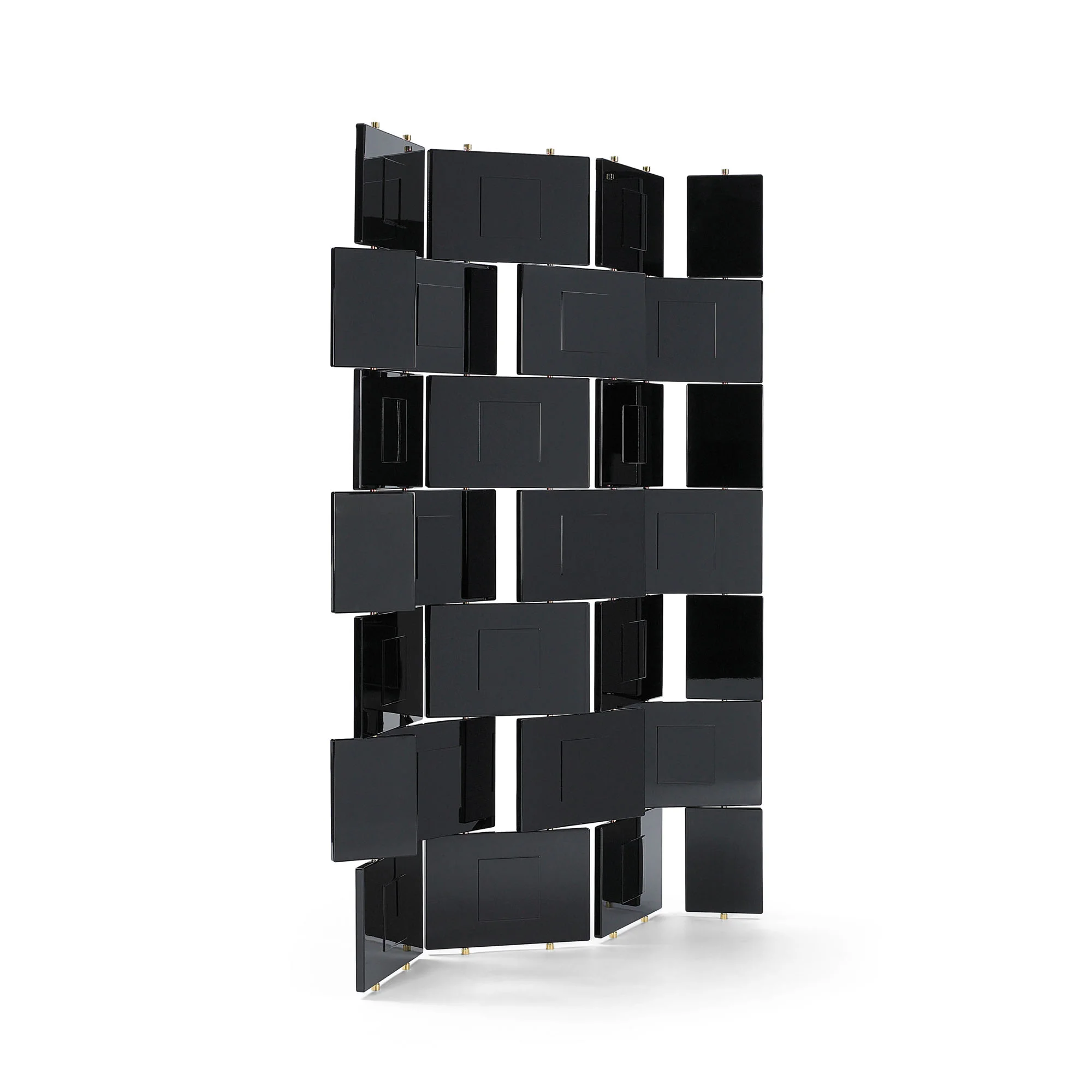
Parawan by Eileen Gray (1922)
Eileen Gray Parawan ilustruje fuzję nowoczesności z rzemiosłem w Art Deco, prezentując misterną pracę lakierniczą zainspirowane tradycyjnym azjatyckim designem. Składa się z wielu lakierowanych paneli, Parawan prezentuje abstrakcyjne wzory geometryczne, które odzwierciedlają fascynację Art déco symetrią i odważnymi kształtami. Użycie przez Gray polerowanych powierzchni i czystych linii dodaje eleganckiego, wyrafinowanego charakteru, łącząc dekoracyjną elegancję z funkcjonalnością. Ten parawan demonstruje nacisk Art déco na wysokiej jakości materiały i skrupulatne detale, ucieleśniając pragnienie epoki luksusu i wyrafinowania w codziennych przedmiotach.
Poza jej pięknem, Parawan podkreśla globalne wpływy Art Deco, czerpiąc z japońskich i chińskich technik lakierniczych while incorporating modern European aesthetics. Gray’s innovative approach reflects the movement’s focus on blending cultural elements to create designs that feel both timeless and avant-garde. As a decorative yet practical piece, Parawan uosabia zasadę Art déco o integracji sztuki z codziennym życiem, służąc jako symbol wpływu ruchu na meblarstwo i projektowanie wnętrz. Poprzez dzieła takie jak Parawan, Art Deco continues to inspire, illustrating the lasting appeal of łącząc sztukę z funkcjonalnością.
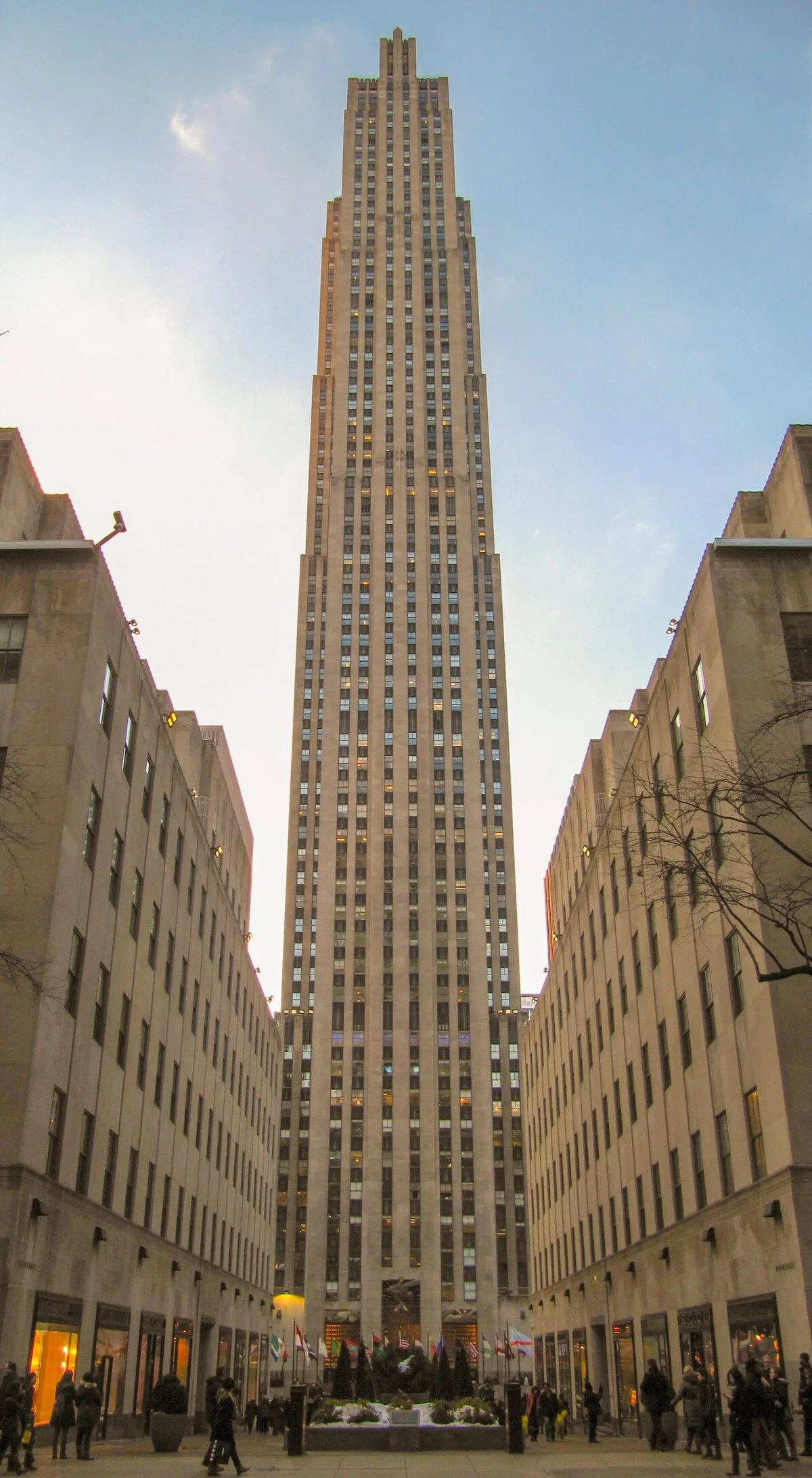
Rockefeller Center by Raymond Hood (completed in 1939)
Rockefeller Center, designed by Raymond Hood, stands as a monumental example of Art Deco’s influence on urban architecture, blending functionality with decorative elegance. Comprising several buildings in New York City, the complex is characterized by streamlined forms, geometric motifs, and an emphasis on verticality that captures the essence of the Art Deco style. The buildings feature a mix of granit, marmur i wapień, with intricate metalwork that accentuates their sleek facades, creating a cohesive design that celebrates the power and elegance of the modern city.
The interiors of Rockefeller Center are equally opulent, featuring murals, relief sculptures, and art installations that exemplify the Art Deco movement’s dedication to integrując sztukę w przestrzeniach publicznych. This architectural complex represents the era’s ambition and optimism, providing a space that reflects both New York’s urban dynamism and the Art Deco ideal of harmony between art and industry. Rockefeller Center remains a cultural and architectural landmark, symbolizując trwały urok luksusowych i innowacyjnych projektów Art Deco.
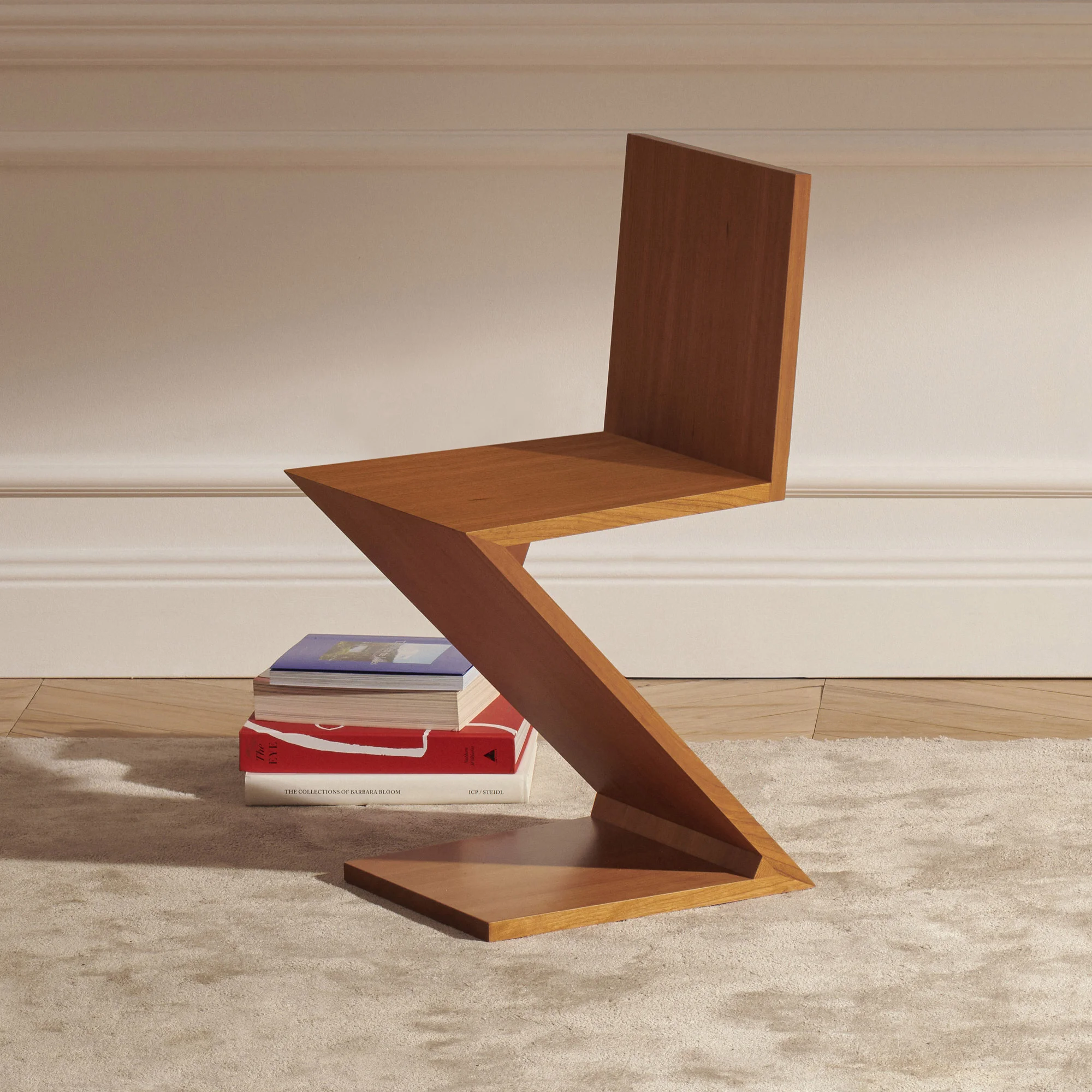
Krzesło Zig-Zag by Gerrit Rietveld (1934)
Gerrit Rietveld Krzesło Zig-Zag is a modern, innovative piece that combines Usprawniona estetyka Art Deco z zasadami De Stijl funkcjonalności i abstrakcji. Choć Rietveld jest częściej kojarzony z ruchem De Stijl, jego Krzesło Zig-Zag reflects Art Deco’s embrace of clean, geometric lines and simplicity in design. Made from interlocking planes of wood, the chair creates a visually striking zig-zag form that challenges traditional ideas of furniture design, showing a równowaga między innowacją artystyczną a praktycznością.
Kątowy, minimalistyczny design krzesła ilustruje skupienie ruchu Art Deco na creating pieces that were both visually captivating and structurally sound. Its sleek, modular appearance speaks to the Art Deco ideals of modernity and efficiency, while its unique shape demonstrates the movement’s experimental spirit. The Krzesło Zig-Zag is celebrated for its sculptural quality and simplicity, blending art and utility in a way that was przełomowe jak na tamte czasy, ucieleśniając wyrafinowanie i nowatorską naturę Art Deco.
Upadek i dziedzictwo
Spadek i transformacja po wojnie
Upadek Art Deco rozpoczął się po II wojna światowa, as society shifted its focus from luxury to practicality, ushering in the rise of modernizmie połowy wieku. The economic challenges and scarcity of materials in the postwar period made the opulence of Art Deco less feasible, with consumers and designers seeking more functional, cost-effective styles. As tastes evolved, the movement’s decorative, luxurious elements came to be seen as outdated, and the clean, minimalist aesthetics of modernist design gained popularity. This transition reflected the cultural shift toward simplicity and efficiency, aligning with the postwar desire for practicality over extravagance.
Despite its decline as a dominant style, Art Deco continued to influence design in subtle ways. Certain elements, like streamlined forms, geometric patterns, and metallic finishes, persisted in projektowaniu wnętrz and produkcja przemysłowa. Art Deco’s influence also reappeared periodically in fashion and film, where its elegance and sophistication made it an attractive reference for retro-inspired styles. Although its prominence waned, Art Deco’s principles remained present in select areas, evolving to complement new design philosophies.

Trwały wpływ na współczesny design i kulturę
Dziedzictwo Art Deco trwa w współczesnym designie, architekturze i modzie, where its emphasis on luxury, geometry, and symmetry continues to inspire. Many 21st-century architects and designers have revisited Art Deco’s aesthetic, incorporating its signature patterns and materials into new projects, from skyscrapers to boutique hotels. In cities like Nowym Jorku i Miami, Art Deco buildings remain iconic landmarks, celebrated for their historical significance and stylistic beauty, with ongoing preservation efforts to protect these architectural treasures.
In addition to architecture, Art Deco has left a lasting impact on biżuterii, projektowaniu graficznym i dekoracji wnętrz, where its distinct visual language frequently resurfaces. Modern interpretations of Art Deco can be seen in jewelry lines that feature bold geometry and precious stones, while Art Deco-inspired interior designs bring a sense of vintage luxury to contemporary spaces. The movement’s lasting appeal lies in its ability to bridge the gap between classic craftsmanship and modern innovation, making Art Deco a timeless style that continues to resonate across cultures and generations.
.webp)
Podsumowanie: Art déco pozostaje symbolem nowoczesnego luksusu, elegancji i innowacji, oddając optymizm i wyrafinowanie początku XX wieku. Jego charakterystyczne połączenie geometrycznych kształtów, bogatych materiałów i międzykulturowych wpływów stworzyło ponadczasowy styl, który przetrwał dekady zmieniających się gustów. Chociaż wpływ Art déco osłabł po II wojnie światowej, jego zasady nadal inspirowały, znajdując odrodzenie we współczesnym wzornictwie, architekturze i modzie. Dziedzictwo ruchu trwa jako celebracja artystycznego rzemiosła, nowoczesności i trwałego uroku piękna w projektowaniu.
Przykłady wizualne
Co zainspirowało rozwój designu Art Deco?

Art Deco było inspirowane szybkim postępem przemysłowym i fascynacją luksusem w początkach XX wieku. Łączyło wpływy starożytnych cywilizacji, takich jak Egipt i Mezoameryka, z nowoczesnymi materiałami i odważnymi geometrycznymi wzorami. To połączenie stworzyło innowacyjną i pełną blasku estetykę.
Jak Art Deco wpłynęło na codzienne życie w swoich czasach?
Art Deco podniosło codzienne życie, wprowadzając styl i luksus do funkcjonalnych przedmiotów, takich jak meble, biżuteria i artykuły domowe. Uczyniło design dostępnym, zachowując jednocześnie wyrafinowanie. Wpływ ruchu był widoczny w transporcie, wnętrzach i modzie, odzwierciedlając dążenie epoki do nowoczesności i elegancji.
Co wyróżniało architekturę Art Deco?
Architektura Art déco wyróżniała się symetrią, geometrycznymi detalami i luksusowymi wykończeniami, takimi jak marmur, chrom i szkło. Budynki takie jak Chrysler Building wykorzystywały opływowe formy i skomplikowane zdobienia, aby symbolizować postęp i wyrafinowanie, odzwierciedlając optymizm lat 20. i 30. XX wieku.

Sofiya Valcheva
Copywriter
Kiedy piszę, jestem w swoim żywiole, skupiona, kreatywna i wkładam całe serce w każde słowo. Kiedy nie piszę, prawdopodobnie tańczę, zatracona w ulubionej muzyce, albo gonię za inspiracją, gdziekolwiek mnie ona zaprowadzi!
.webp)
.webp)