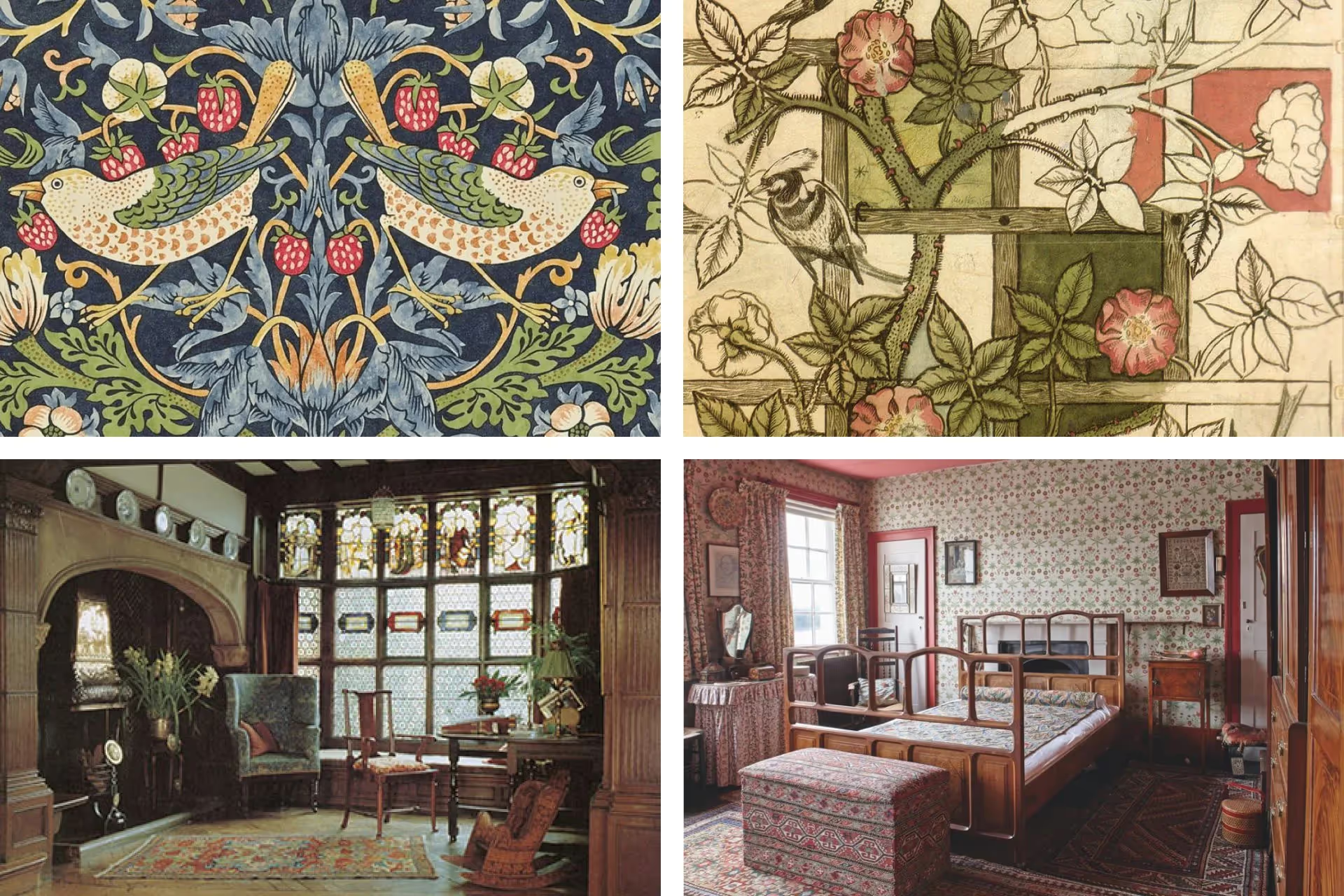
Ruch Arts and Crafts wyłonił się pod koniec XIX wieku jako reakcja na szybko rosnącą industrializację i mechanizację, która zdominowała społeczeństwo zachodnie. Artyści, projektanci i rzemieślnicy byli coraz bardziej zaniepokojeni wpływem masowej produkcji na jakość towarów i wartość artystyczną.
This approach was seen as a way to counter the impersonal nature of factory-produced goods and restore individuality to both the artistic process and the objects produced. The movement promoted the belief that the osobisty dotyk twórcy and attention to detail imbued each piece with character, transforming it into something more meaningful than a mass-produced item. Additionally, Arts and Crafts advocates aimed to reconnect people with their environment and community through designs that reflected the natural world and celebrated beauty in the ordinary.
"Nie miej w domu niczego, czego byś nie uważał za użyteczne lub czego byś nie uważał za piękne." – William Morris
Driven by a desire to bring beauty into everyday life, Arts and Crafts advocates sought to połącz funkcję i design, making art accessible to all social classes. They promoted simplicity, natural forms, and honest materials, encouraging artisans to focus on quality and integrity. The movement podkreślano wartość rękodzieła object and believed that art and craftsmanship could improve society as a whole, aligning with Morris’s belief that "art is man’s expression of his joy in labor." As it spread to other countries, particularly the United States, the Arts and Crafts movement helped redefine art, design, and architecture, leaving a lasting impact on modern aesthetics.
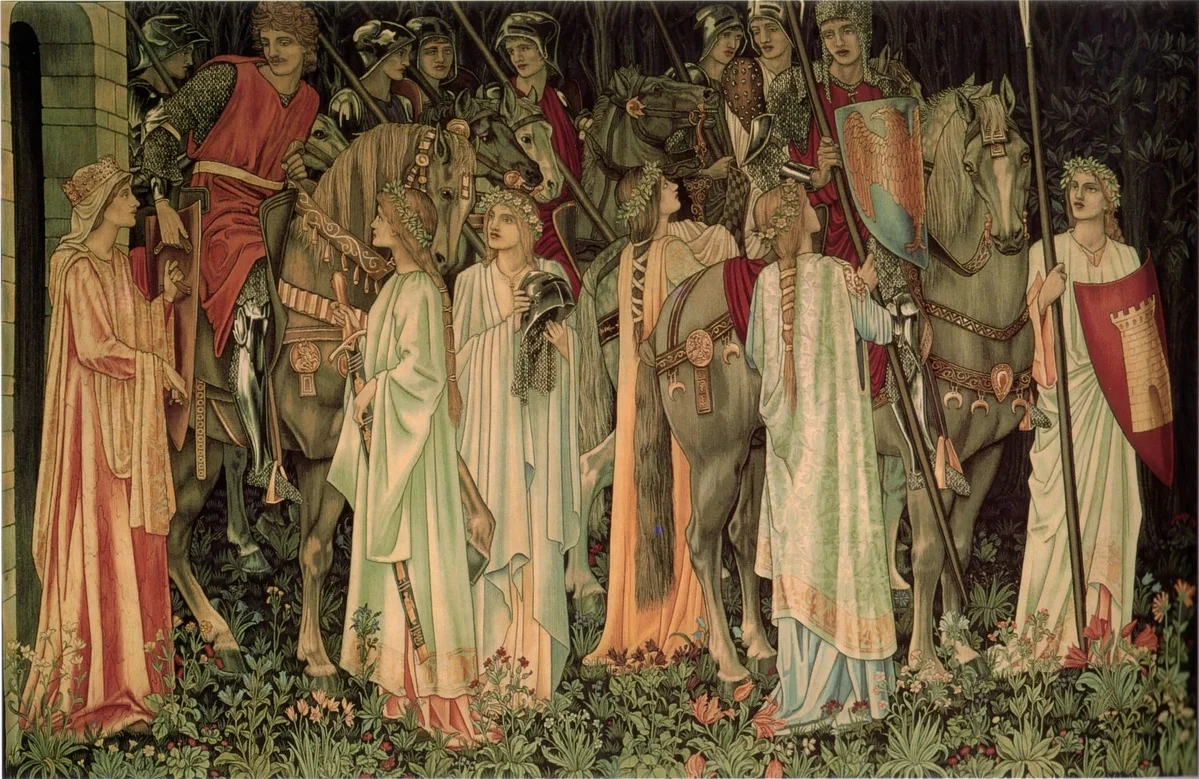
Początki i Ewolucja
Reakcja przeciw industrializacji
The Arts and Crafts movement developed as a reaction to the Industrial Revolution’s impact on art and craftsmanship. Rapid mechanization and mass production had led to a flood of inexpensive but low-quality goods, and many artisans felt that the traditional standards of craftsmanship were being sacrificed in favor of efficiency. Leaders of the movement, such as William Morris and John Ruskin, byli głośnymi krytykami procesów przemysłowych, argumentując, że masowa produkcja odczłowiecza pracowników i pogarsza jakość produktów. Ich wizja skupiała się na ponownym połączeniu rzemieślników z ich pracą, restoring a sense of purpose i dumą z rzemiosła.
"Sztuka nie jest rzeczą; jest sposobem." – Elbert Hubbard
The movement sought to odżywić tradycyjne techniki i materiały, advocating for handcraftsmanship and the use of natural materials. By returning to pre-industrial methods, Arts and Crafts practitioners aimed to produce items of enduring piękno i jakość. This movement was rooted in the belief that creating beautiful, functional objects could foster social harmony and improve the quality of life for individuals, promoting a more human-centered approach to production and consumption.
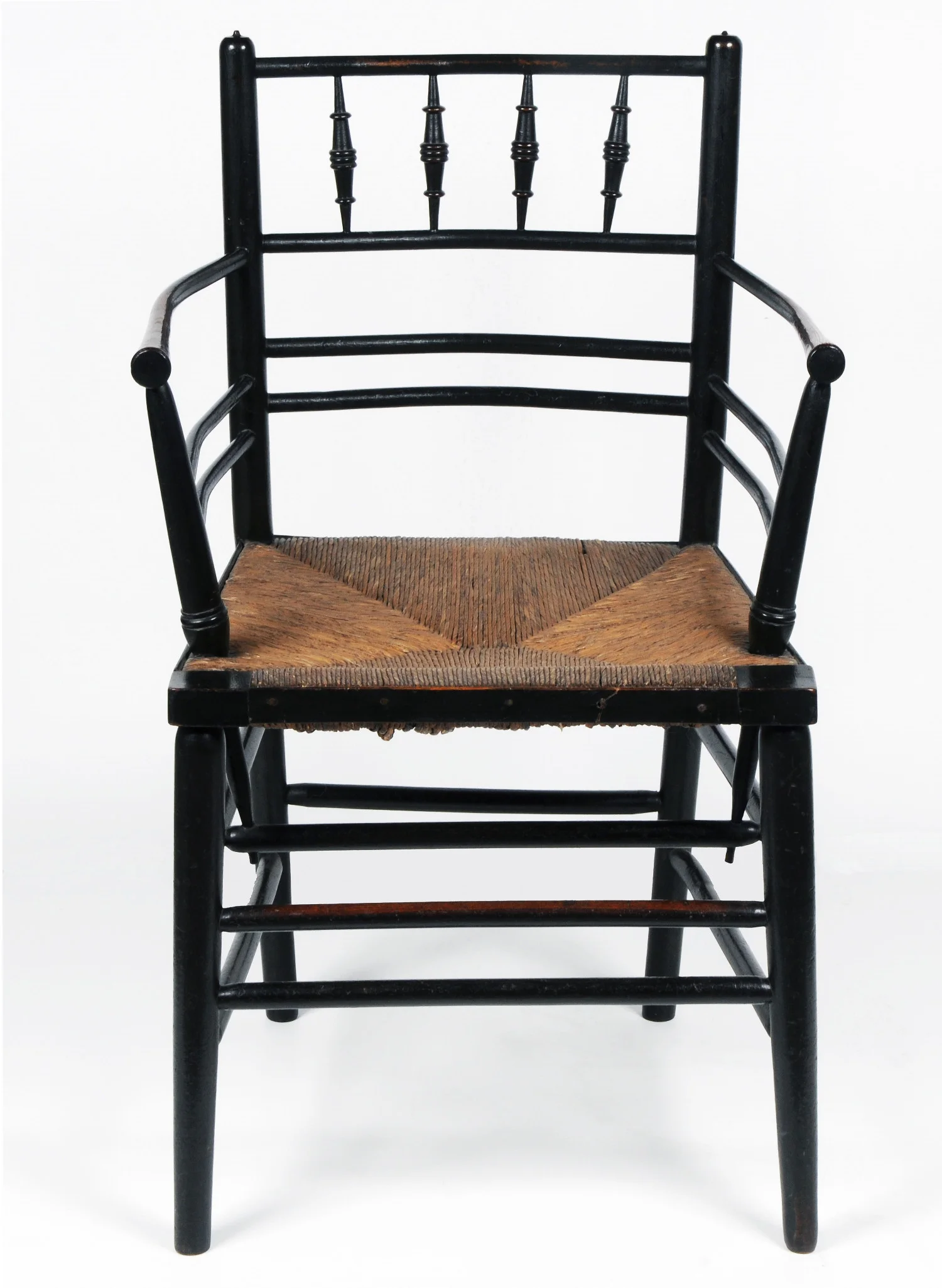
Designed by Philip Webb and produced by Morris & Co., the Sussex Chair is a modest yet refined example of Arts and Crafts furniture. Crafted from stained wood with rush seating, it emphasizes prostota i rzemiosło ponad ornamentacją. The chair’s minimalist design and sturdy construction reflect the movement’s opposition to mass-produced, overly ornate Victorian furniture, showcasing an intentional return to honest materials and traditional techniques.
Międzynarodowa ekspansja i amerykańska adaptacja
Chociaż ruch Arts and Crafts narodził się w Wielkiej Brytanii, szybko rozprzestrzenił się do Stanów Zjednoczonych i innych części Europy. W Ameryce ruch przyjął własną tożsamość, łącząc ideały Arts and Crafts z lokalnymi stylami i materiałami. Postacie takie jak Gustav Stickley i bracia Greene stali się prominentnymi zwolennikami ruchu, projektując meble i budynki, które zawierały prostotę, naturalne materiały i harmonijną relację z otoczeniem. W USA ideały Arts and Crafts inspirowały szereg projektów, od ręcznie robionych mebli po całe style architektoniczne, takie jak style Craftsman i Prairie School.
W Europie, the movement influenced a range of disciplines, including ceramics, textiles, and stained glass. Each region adapted Arts and Crafts principles to its unique cultural context, resulting in a różnorodność stylów within the movement. Although the popularity of the Arts and Crafts movement eventually declined with the rise of modernist design in the early 20th century, its emphasis on craftsmanship and quality materials continued to influence subsequent design philosophies.
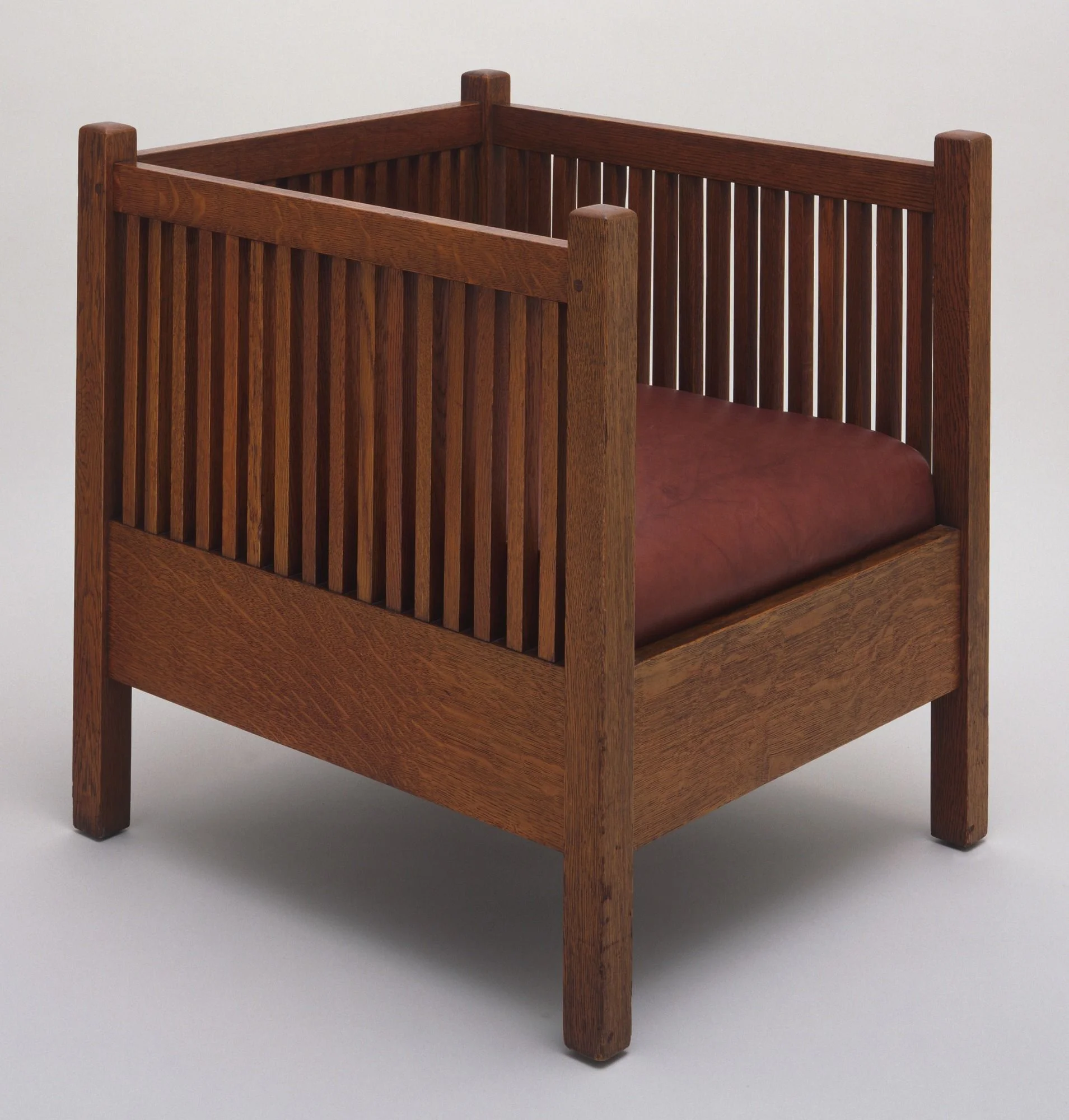
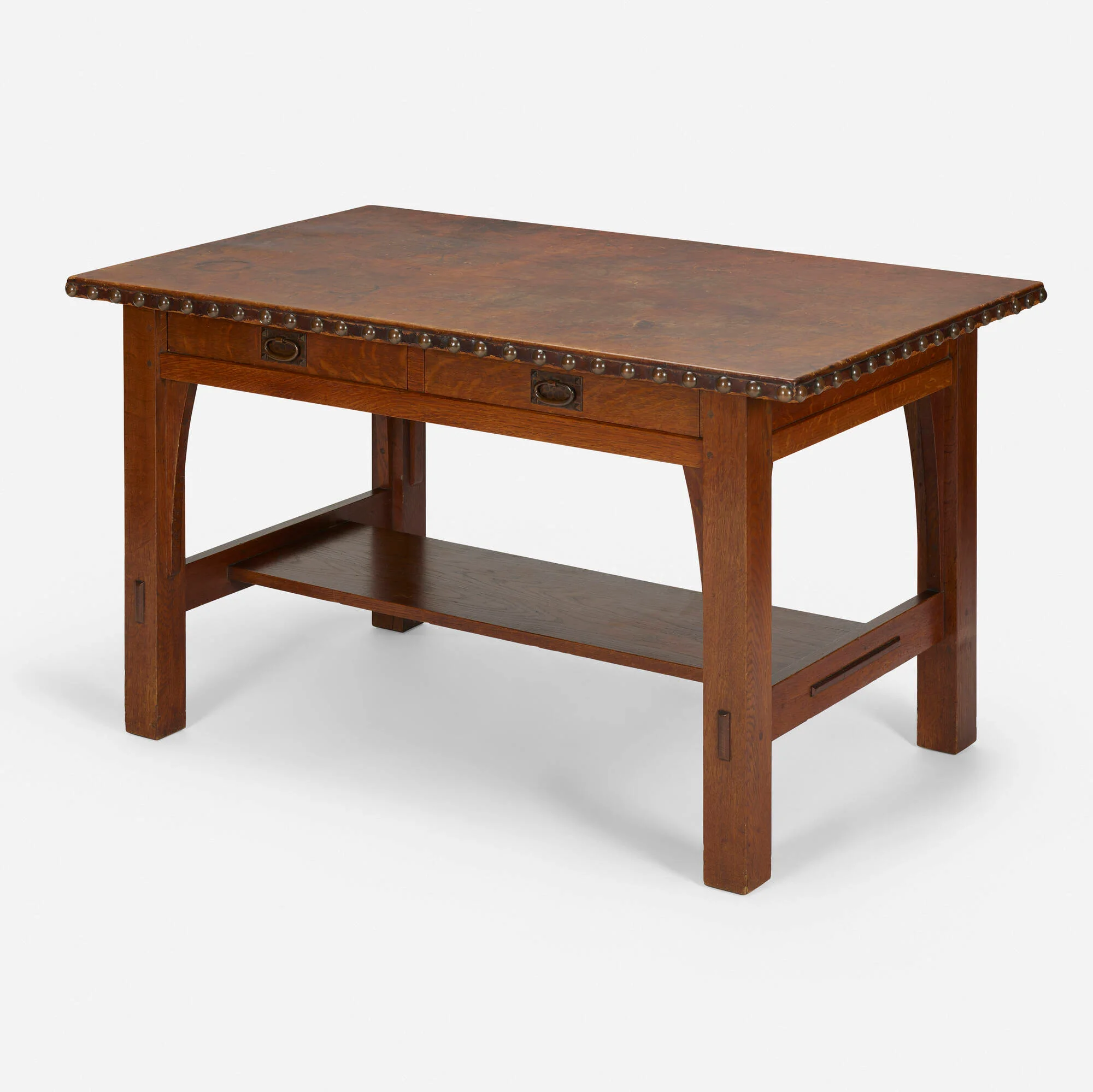
Fotel Stickleya ucieleśnia amerykańską interpretację of the Arts and Crafts movement, known as the Craftsman style. Made from solid oak with a strong, functional design, the chair demonstrates Stickley’s commitment to simplicity and durability. The exposed joinery and handcrafted elements emphasize the honesty of materials, while the chair’s form integrates function and aesthetics, mirroring the movement’s values as it evolved in the United States.
Koncepcja Estetyczna
Nacisk na rzemiosło i integralność materiału
Central to the Arts and Crafts movement was przekonanie, że prawdziwe piękno tkwi w honesty of materials and craftsmanship. Artisans working in this style prioritized quality and integrity, choosing natural materials like wood, leather, and stone, and allowing the inherent qualities of these materials to shine through. This approach was a direct contrast to the ornate and artificial styles of the time, which often hid the natural characteristics of materials. Instead, Arts and Crafts artisans świętował fakturę, słoje i niedoskonałości każdego materiału, szanując jego autentyczność.
Praktycy Arts and Crafts również wierzyli, że rzemiosło może wynieść codzienne przedmioty, creating pieces that were not only functional but also beautiful. They valued handmade over machine-made, believing that the unique touch of the artisan added an irreplaceable element of individuality and care. This dedication to craftsmanship resulted in works that were durable and visually harmonious, embodying the movement’s principle that piękno i użyteczność mogą współistnieć nawet w najprostszych przedmiotach.
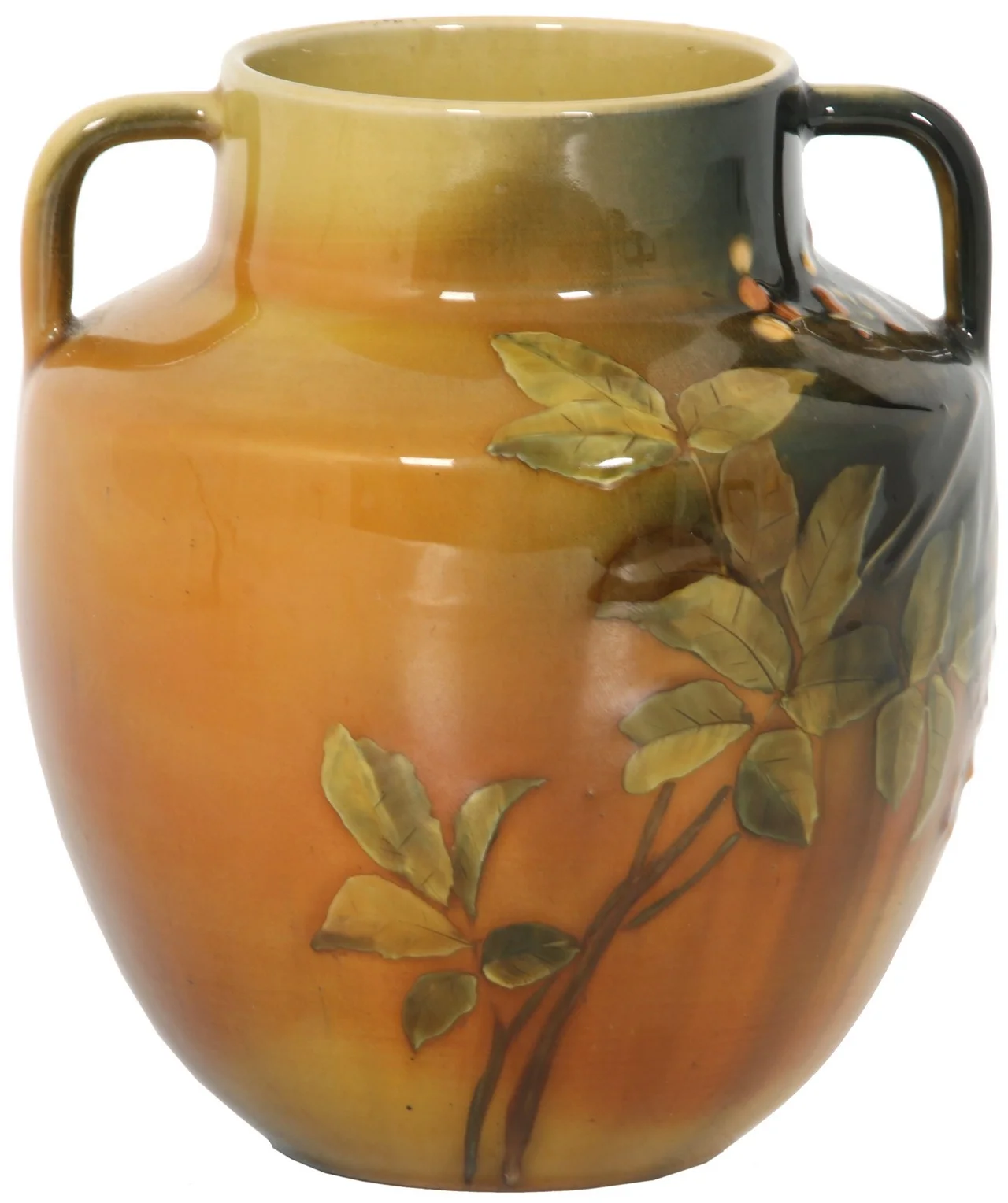
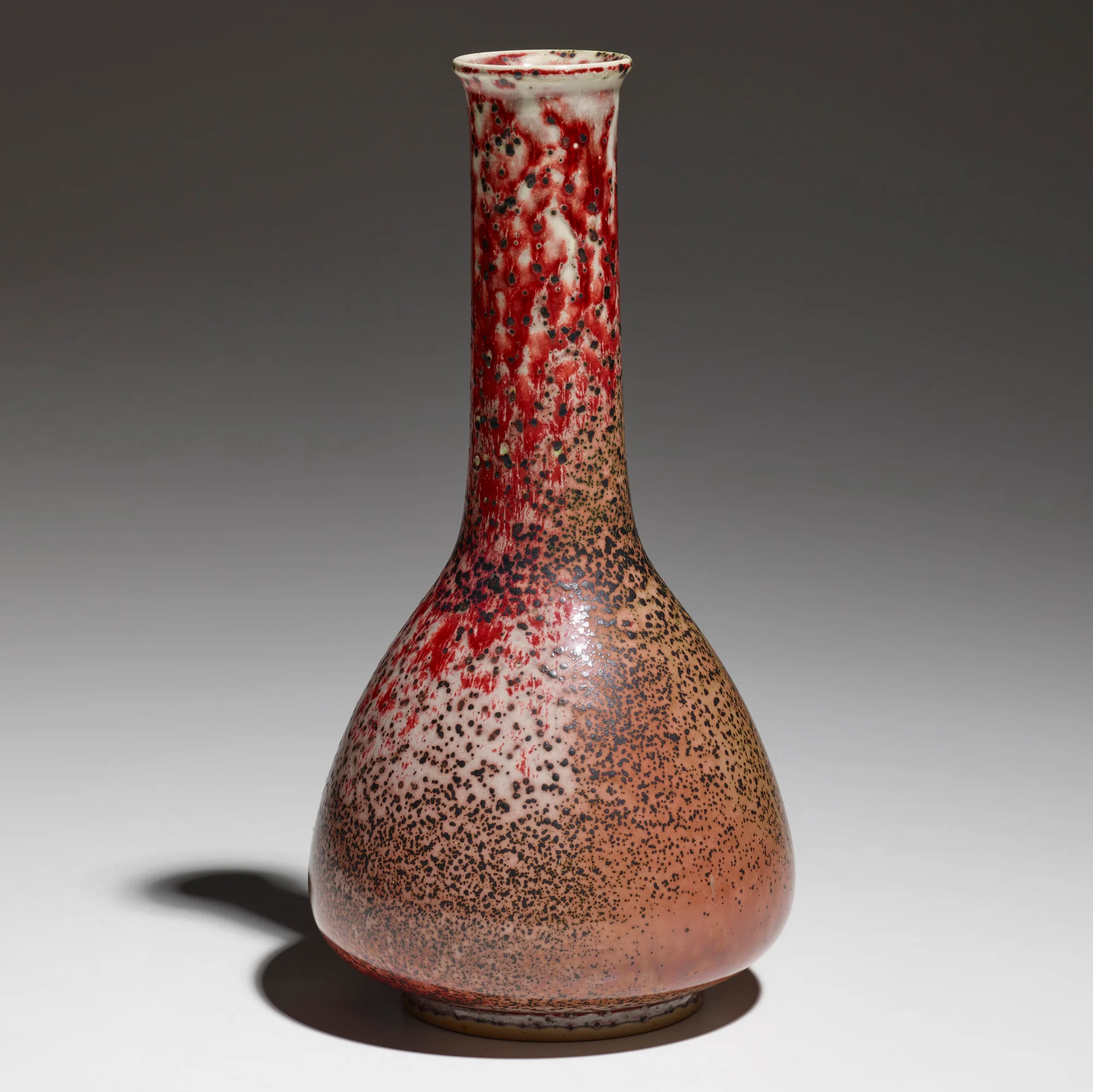
This vase is a hallmark of the Arts and Crafts movement’s emphasis on wysokiej jakości rzemiosło i naturalne materiały. Handcrafted with meticulous attention to detail, Rookwood’s pottery features organic forms and subtle glazes that reveal the clay’s natural beauty. The vase reflects the movement’s appreciation for the artisanal process, prioritizing material integrity and craftsmanship over mass production.
Wzory inspirowane naturą i prostota formy
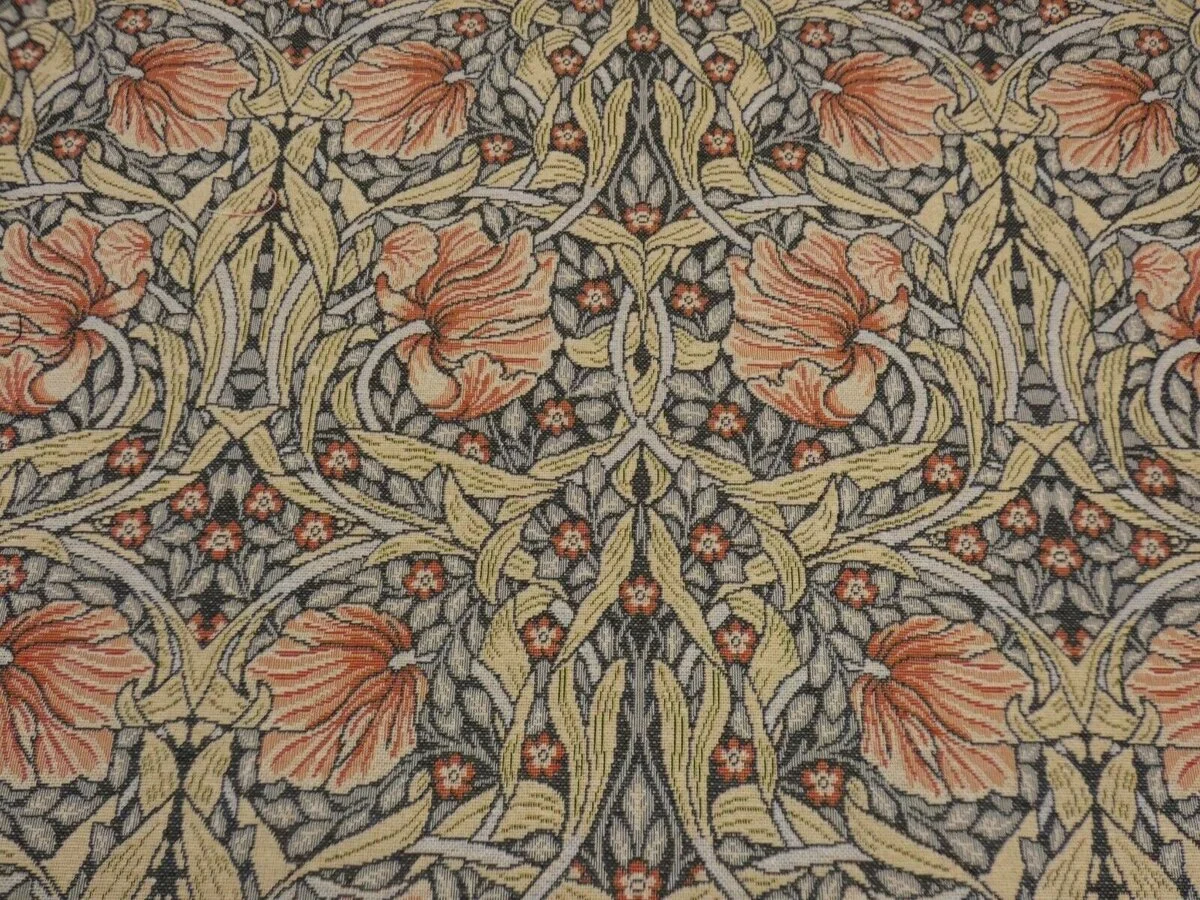
Wzory Arts and Crafts często czerpały inspirację z natury, incorporating organic forms, flowing lines, and motifs from plants, animals, and the natural world. These designs were simplified and stylized, reflecting a move away from the overly decorative and intricate patterns of the past. By focusing on natural beauty and simplicity, Arts and Crafts artisans aimed to create pieces that would evoke a sense of tranquility and connection to the environment, emphasizing harmony with nature rather than imposing upon it.
"Piękno, które jest tym, co rozumiemy pod sztuką... jest najbardziej pozytywną i organiczną potrzebą człowieka." – William Morris
Wzory tego ruchu również stawiały na prostotę formy, używając czystych linii i zrównoważonych proporcji to achieve a timeless, understated elegance. This simplicity was both a stylistic choice and a philosophical statement, as Arts and Crafts artisans believed that the form of an object should reflect its purpose without unnecessary embellishment. The movement’s nature-inspired and straightforward designs were meant to celebrate the beauty of everyday life, making art accessible to all.
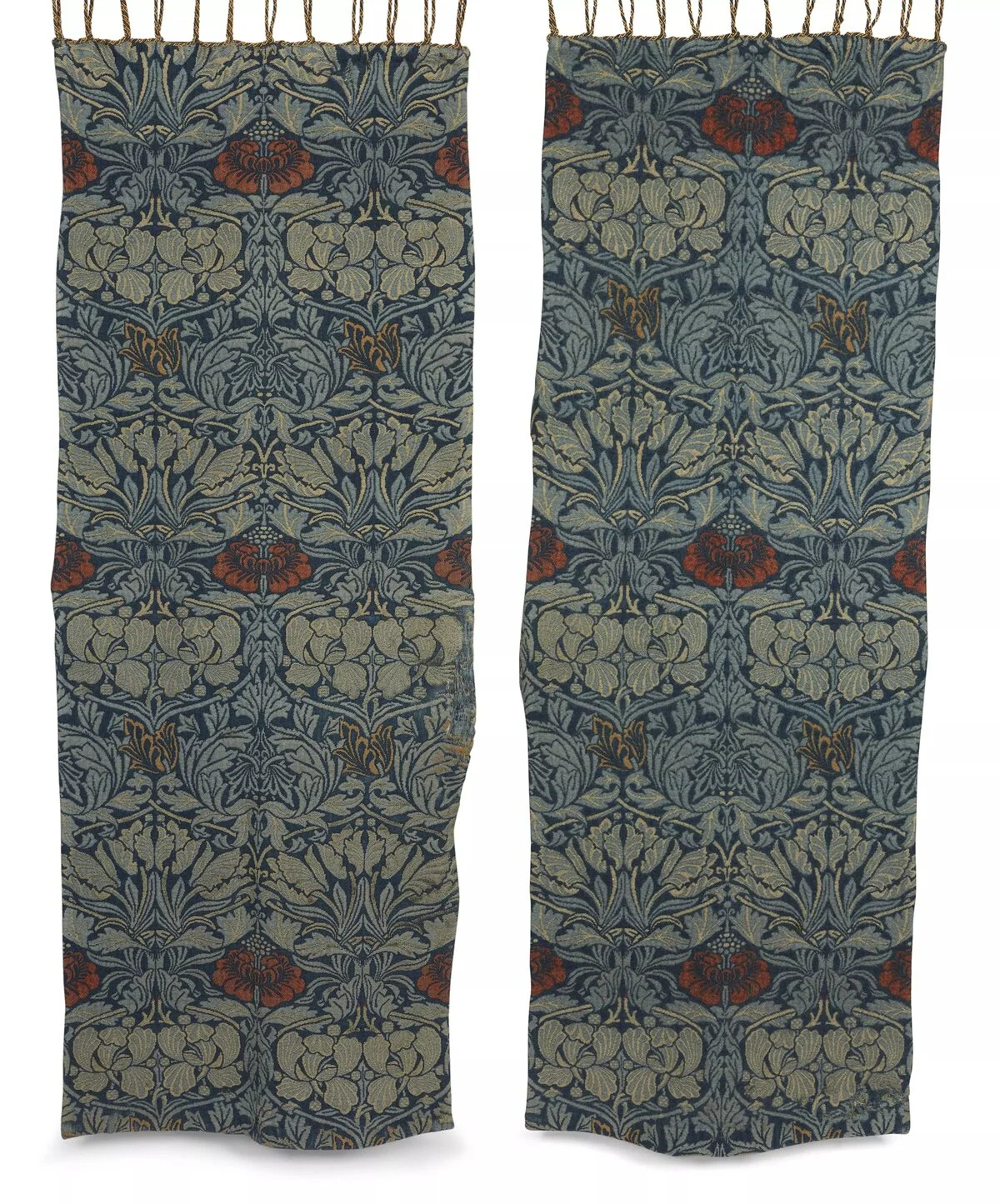
Morrisa Dywany Tulipany i Róże jest przykładem zamiłowania ruchu Arts and Crafts do motywów inspirowanych naturą. Dywan, z wzorem stylizowanych tulipanów i róż, jest ręcznie tkany z naturalnych barwników, które wprowadzają poczucie harmonii i więzi z naturą. Projekt Morrisa unika skomplikowanych detali na rzecz stylizowanych, płynnych form, które tworzą wrażenie prostoty, przekształcając codzienny przedmiot w dzieło sztuki, które oddaje hołd światu przyrody.
Tematy i motywy
Reforma społeczna i etyczna produkcja
Ruch Arts and Crafts nie dotyczył wyłącznie estetyki; it also carried a strong social message. Leaders like William Morris believed that art could be a force for social reform, improving both the lives of artisans and the quality of life for society as a whole. They opposed exploitative factory practices and advocated for fair wages, ethical labor conditions, and the production of high-quality goods. By promoting ethical production, Arts and Crafts practitioners sought to create a world where workers byli dumni ze swoich dzieł, a konsumenci cenili jakość ponad ilość.
"Nie powinno się tworzyć niczego pracą ludzkich rąk, co nie jest warte stworzenia, ani co musi być tworzone pracą poniżającą twórców." – John Ruskin
Skupienie ruchu na etycznej produkcji było głęboko powiązane z jego wartościami artystycznymi, as artisans believed that the act of making something with care and intention imbued the work with a unique character. This ethical approach to art and craftsmanship aligned with broader social movements of the time, popierając prawa pracowników and emphasizing the dignity of labor. The Arts and Crafts movement, therefore, was both a celebration of handmade objects and a critique of the social inequalities perpetuated by mass production.
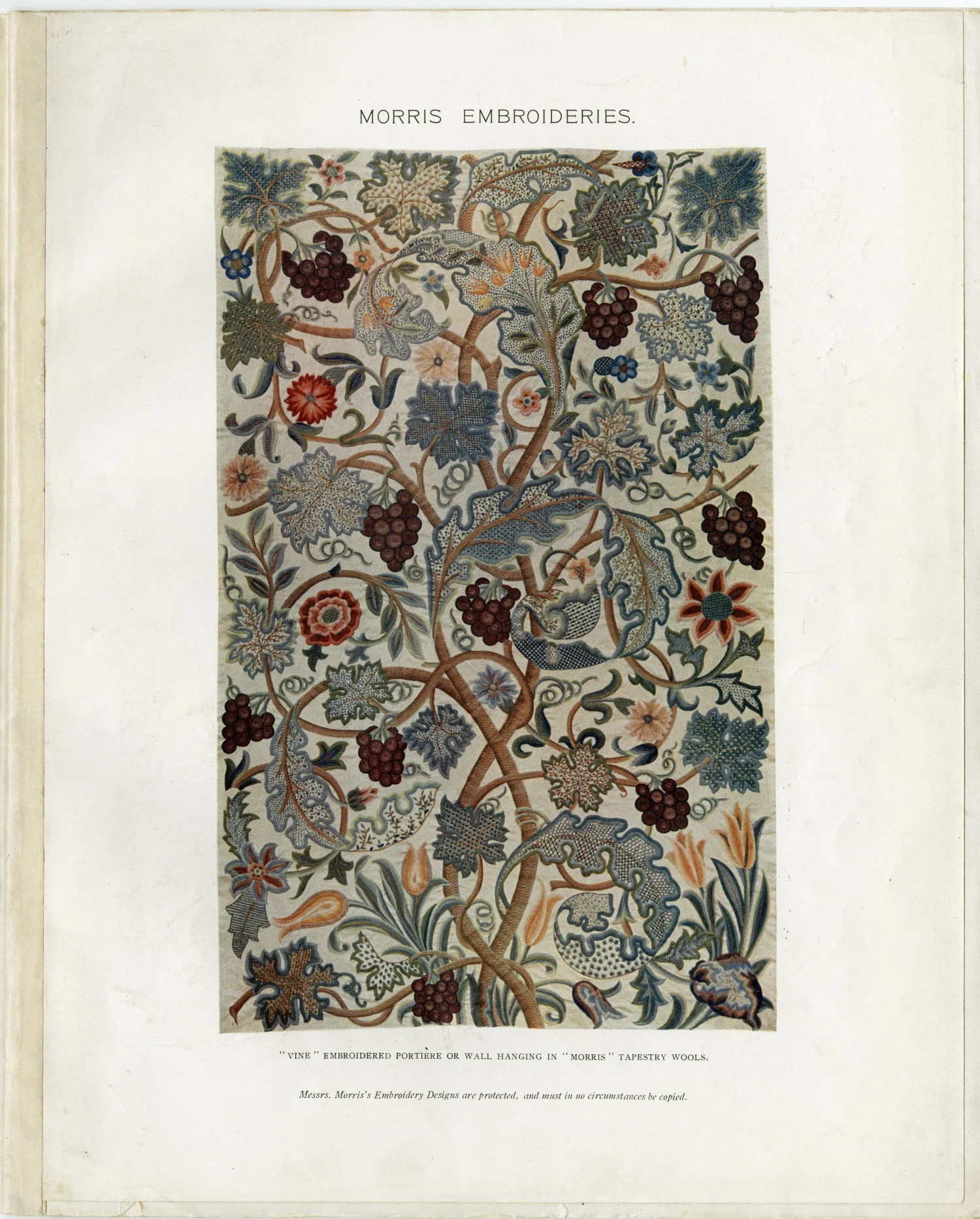
Ta haft z firmy Morris’a odzwierciedla ruch Arts and Crafts zaangażowanie to ethical production and high-quality, handmade goods. The intricate stitching and use of natural materials emphasize the labor and skill of the artisans, standing as a testament to the movement’s focus on fair working conditions and sustainable practices. Each piece was crafted by skilled embroiderers, making it not only a decorative item but also a symbol of social reform w praktykach pracy.
Jedność sztuki i życia
Ruch Arts and Crafts dążył to dissolve the boundary between art and daily life, believing that beauty and creativity should permeate every aspect of the home and community. Arts and Crafts practitioners wanted to make art accessible to all, not confined to elite or grand settings, but part of the everyday environment. By creating beautiful, functional items for the home, they aimed to enhance the quality of life i uczynić sztukę integralną częścią codziennego życia.
Ten motyw jedności sztuki i życia przenosił się również na architekturę, gdzie domy projektowano tak, by harmonizowały z naturalnym otoczeniem, a funkcjonalność szła w parze z estetyką. Projektanci wierzyli, że dobrze wykonany przedmiot, czy to mebel, czy cały dom, ma moc podnoszenia codziennych doświadczeń, sprzyjając pełniejszemu i bardziej zrównoważonemu życiu. To holistyczne podejście było znakiem rozpoznawczym ruchu, wzmacniając ideę, że sztuka i rzemiosło mogą wzbogacić każdy aspekt ludzkiej egzystencji.
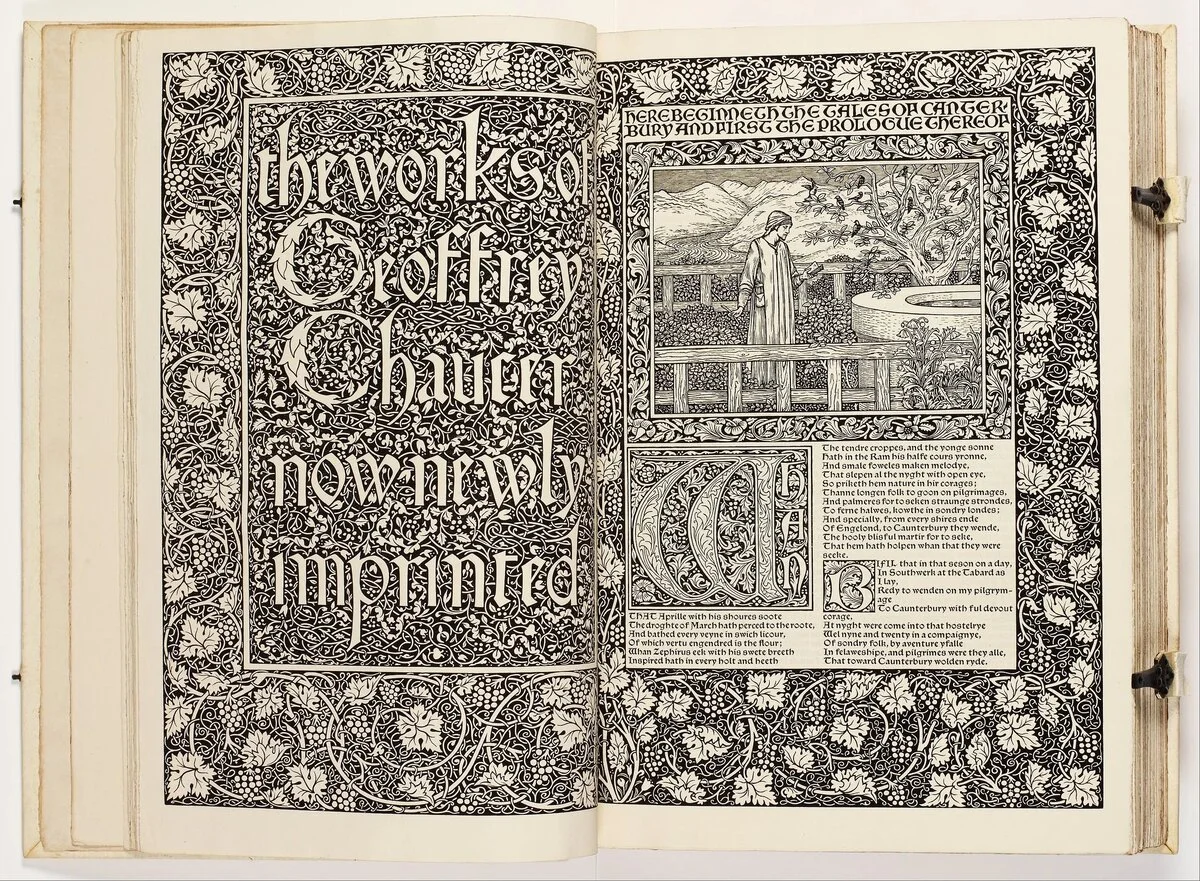
Znany jako jeden z najpiękniej wykonanych książek ruchu Arts and Crafts, ten Kelmscott Chaucer ucieleśnia jedność sztuki i codziennego życia. Opublikowany przez Kelmscott Press Morris’a, książka zawiera ręcznie drukowany tekst i misternie wycięte ilustracje w drewnie, a także ozdobne ramki i dekoracyjne inicjały. Morris współpracował z artystą Edward Burne-Jones to create a work that combined literary content with visual artistry, making the book a functional object elevated to a work of art.
Ta publikacja odzwierciedla przekonanie Morris’a, że nawet praktyczne przedmioty, takie jak książki, powinny być piękne i solidnie wykonane. Dzięki zastosowaniu rękodzielniczych technik i wysokiej jakości materiałów, Kelmscott Chaucer nie tylko prezentuje umiejętności ich twórców, ale także wprowadza koncepcję „sztuka dla wszystkich” into the home. Its careful design, from typography to illustration, exemplifies the Arts and Crafts movement’s aim to integrate beauty into everyday objects, making each use a meaningful and aesthetically enriching experience.
Wpływ i oddziaływanie
Wpływ na nowoczesny design i architekturę
Ruch Arts and Crafts miał głęboki wpływ na współczesny design, kładąc podwaliny pod ruchy XX wieku, takie jak modernizm, Art Nouveau i Szkoła Bauhaus. Jego nacisk na prostotę, funkcjonalność i uczciwość materiałów rezonował z modernistycznymi ideałami, inspirując projektantów do priorytetyzacji formy i funkcji nad ornamentyką. Zaangażowanie ruchu w rzemiosło wpłynęło również na późniejszych projektantów, którzy cenili jakość i integralność, sprzeciwiając się masowej produkcji.
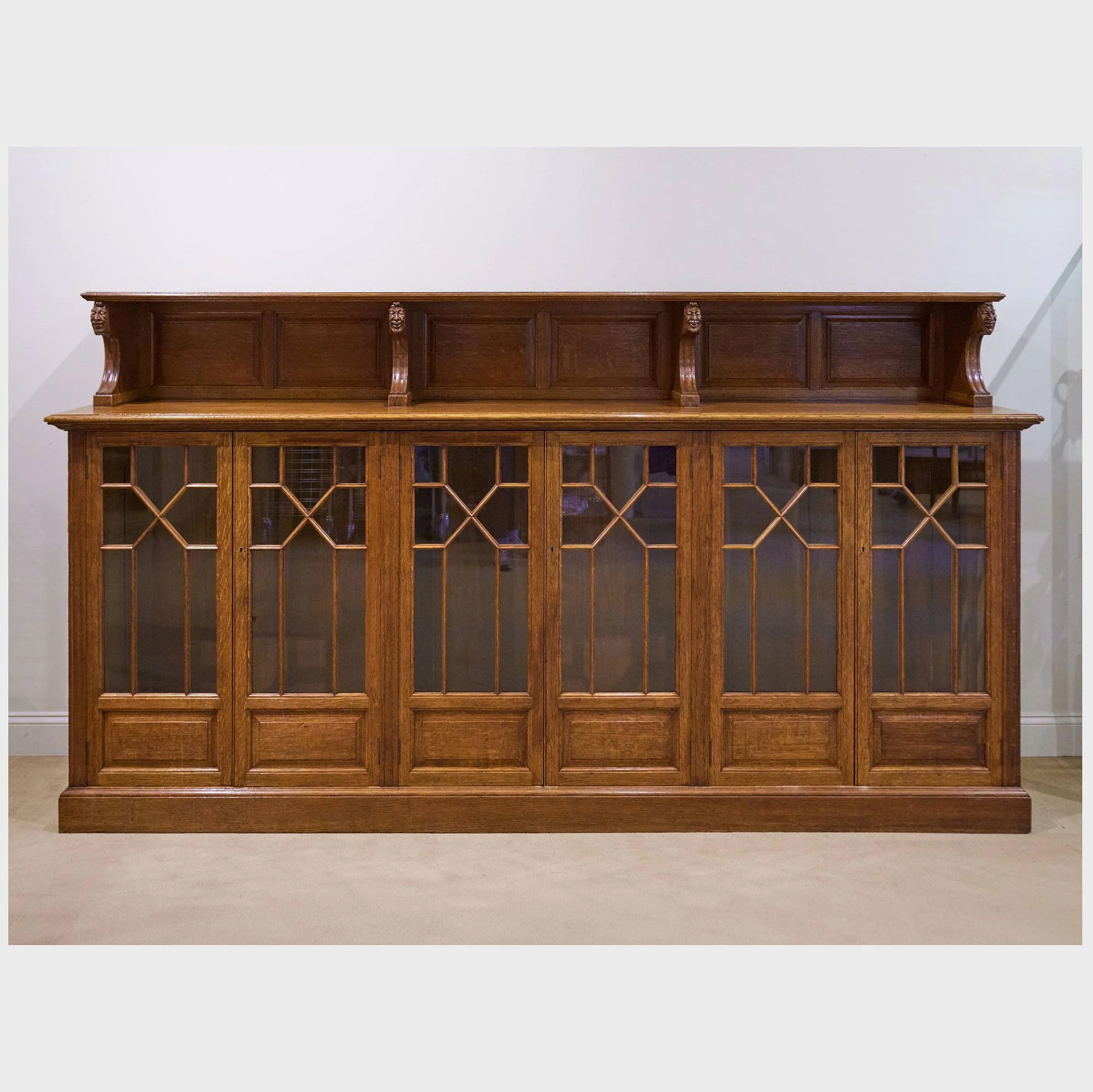
W architekturze ruch Arts and Crafts inspirował style, takie jak Craftsman and Prairie School, both of which emphasized simplicity, natural materials, and a harmonious relationship with the environment. Architects like Frank Lloyd Wright adopted these principles, designing homes that blended with their surroundings and reflected a commitment to craftsmanship. The legacy of the Arts and Crafts movement can be seen in the enduring appeal of handcrafted furniture, textiles, and architectural styles that prioritize function and beauty.
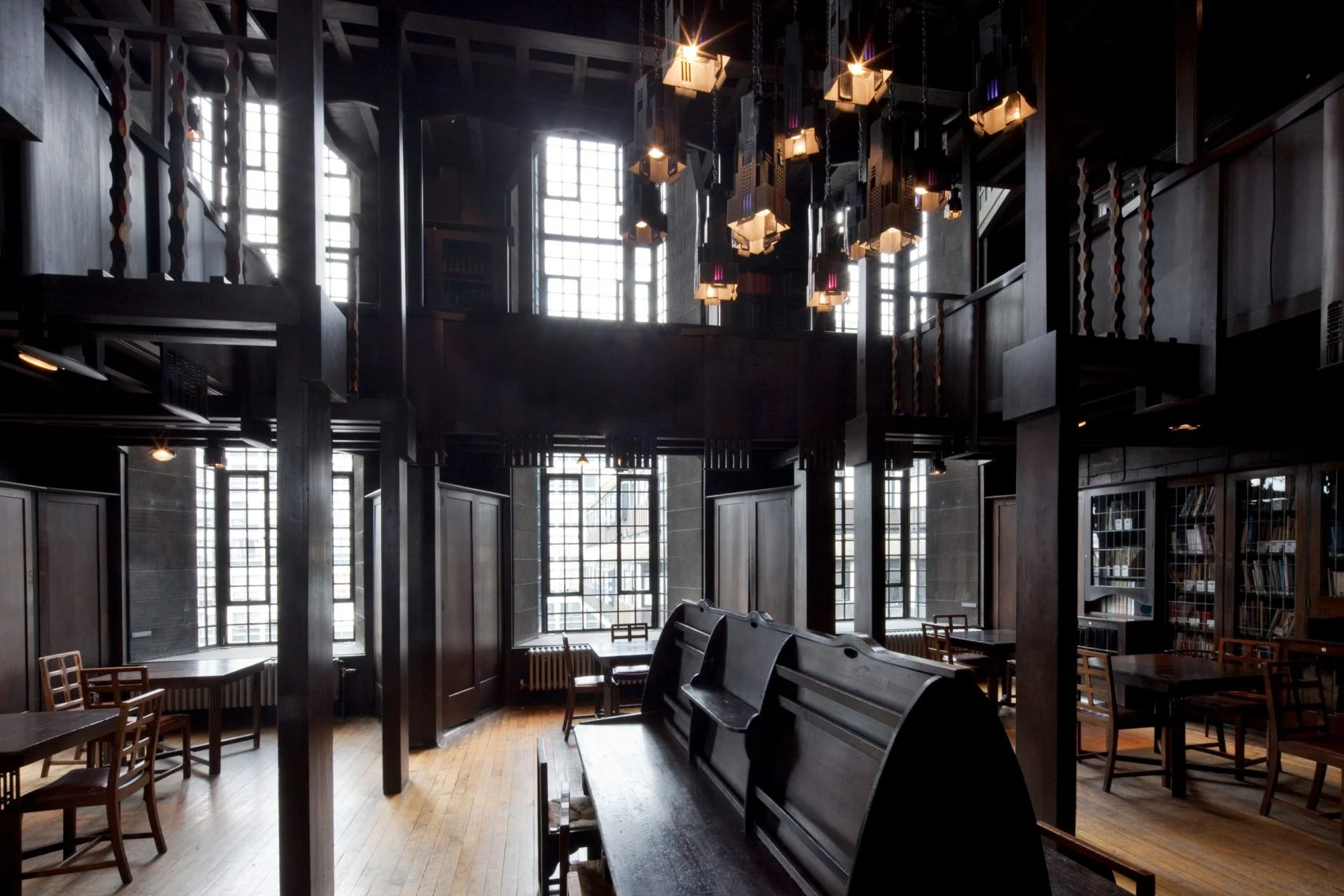
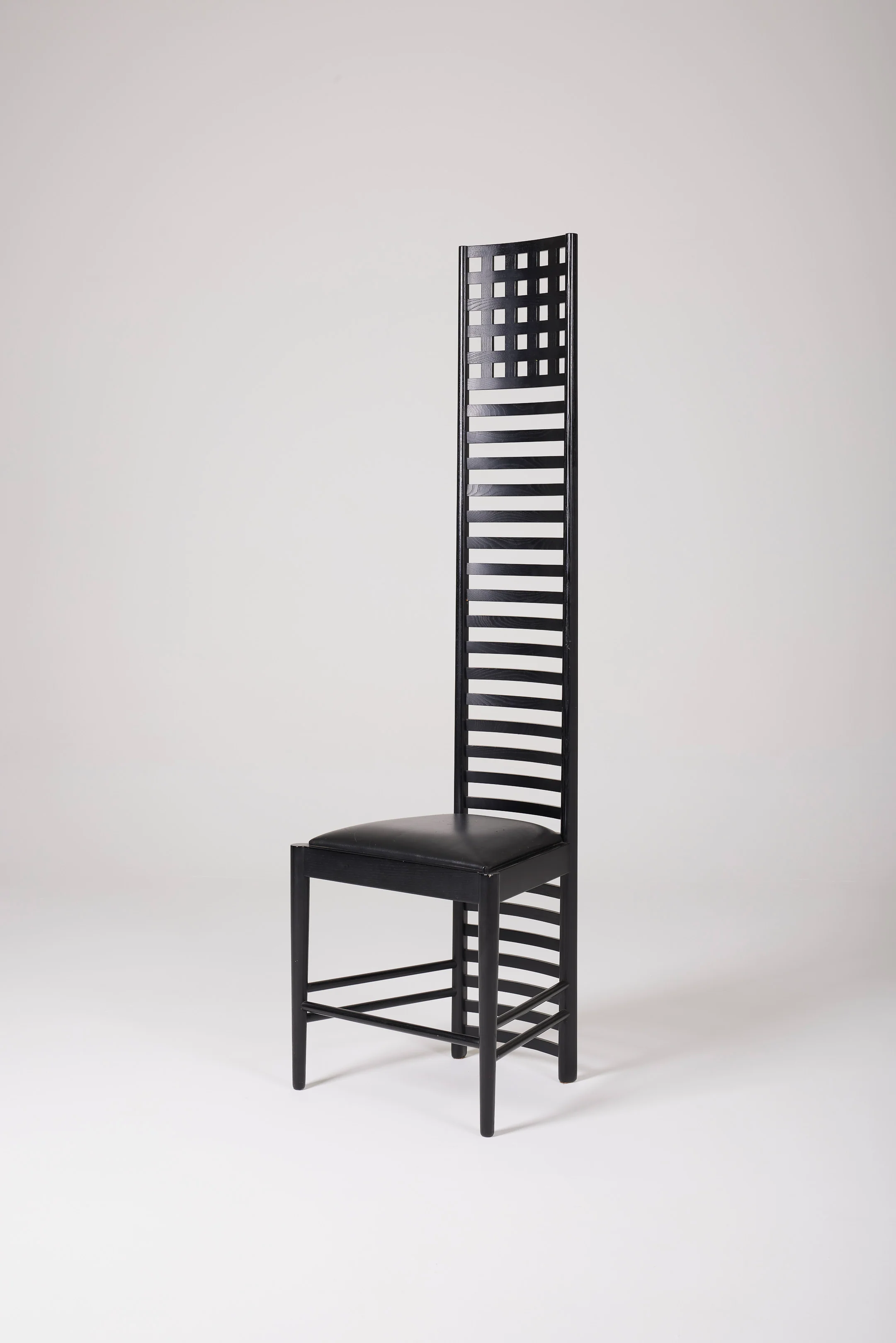
Biblioteka w Glasgow School of Art ilustruje wpływ Arts and Crafts na nowoczesną architekturę, szczególnie poprzez innowacyjne wykorzystanie przestrzeni, materiałów i światła. Mackintosh combined Arts and Crafts ideals with a modern aesthetic, using form geometrycznych i drewnianych detali that bring warmth and functionality to the space. His design reflects the movement’s legacy in architecture, inspiring a blend of craftsmanship and modern sensibility.
Odrodzenie i współczesne znaczenie
The Arts and Crafts movement experienced a revival in the late 20th century as people began to seek alternatives to mass-produced goods and disposable culture. This renewed interest in rzemiosła, zrównoważonego rozwoju i rękodzieła quality reflected a growing appreciation for the movement’s ideals. In contemporary art and design, many artisans, furniture makers, and architects continue to draw inspiration from Arts and Crafts principles, emphasizing jakość, zrównoważony rozwój i etyczna produkcja.
Dziś wpływ tego ruchu można dostrzec w powolnym designie i odrodzeniu rzemiosła movements, as well as in an increasing demand for locally made, handcrafted items. The Arts and Crafts movement’s commitment to integrity in materials and processes has found a new audience among those who value sustainability and craftsmanship in a world dominated by mass production. Its legacy endures, reminding us of wartości przedmiotów wykonanych z troską, umiejętności i szacunku zarówno dla rzemieślnika, jak i dla przyrody.
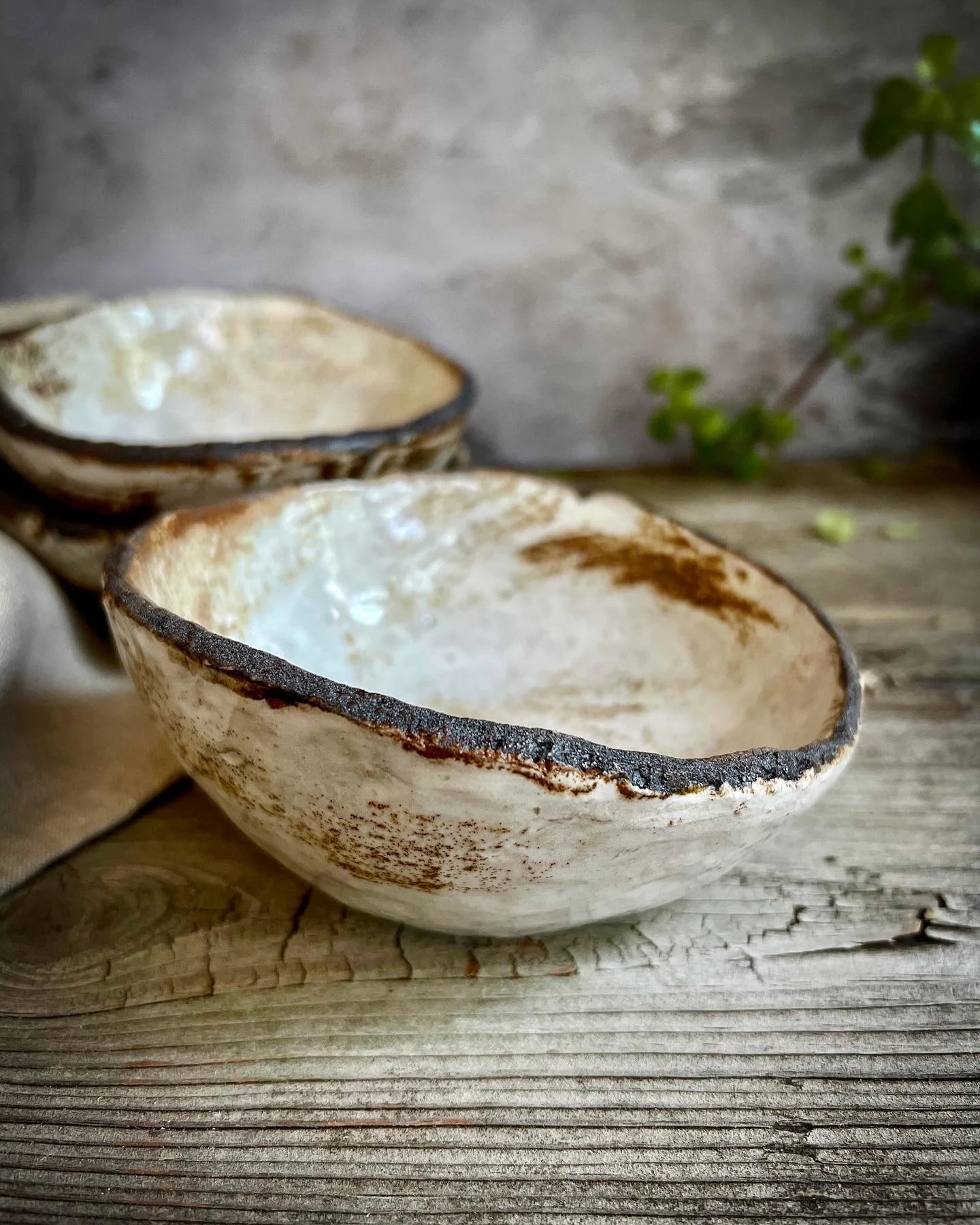
Te ręcznie wykonane ceramiczne miski przez współczesnych rzemieślników podkreślają ciągłą aktualność wartości Arts and Crafts we współczesnym świecie designu. Wykorzystując naturalną glinę i techniki ręcznego toczenia, te dzieła przyjmują autentyczność i zrównoważoność propagowane przez ruch. Dzięki ich prostym, organicznym kształtom and artisanal quality, the bowls demonstrate how Arts and Crafts principles continue to inspire a desire for craftsmanship, durability, and ethical production in contemporary design.
Przykłady reprezentatywne
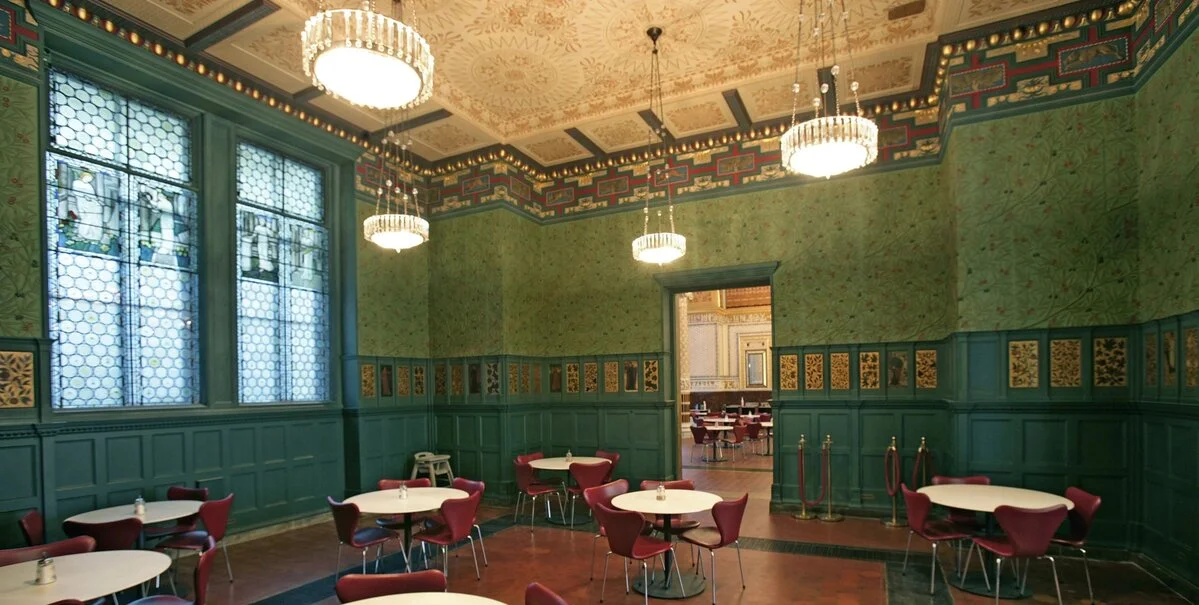
The Green Dining Room autorstwa Williama Morrisa (1867)
The Green Dining Room, zaprojektowane przez William Morris for the South Kensington Museum (now the Victoria and Albert Museum), is a quintessential example of Arts and Crafts interiors, showcasing nature-inspired motifs and a dedication to fine craftsmanship. Morris used his iconic floral wallpaper designs in this room, creating a harmonious environment where handcrafted furnishings and decor resonate with the organic patterns of the natural world. This room exemplifies the Arts and Crafts commitment to udostępnianie sztuki w codziennych przestrzeniach, incorporating intricate details that demonstrate the artisan’s skill in every element, from wallpaper to furniture. The room’s color palette, primarily green with warm, earthy tones, evokes a sense of tranquility and connection to nature, embodying the movement’s aesthetic principles.
Projekt Morrisa nie tylko celebruje piękno przedmiotów wykonanych ręcznie, ale także wnosi poczucie jedności i spójności do przestrzeni wewnętrznych. The Green Dining Room ilustruje filozofię Arts and Crafts, że otoczenie powinno karmić ducha oraz zapewniać funkcjonalność, łącząc dekoracyjne i praktyczne elementy w sposób płynny. Ta jadalnia reprezentuje wizję sztuki Morris’a jako integralną część codziennego życia, where each component contributes to an overall sense of well-being and artistic unity. Through this space, Morris offered a blueprint for how beauty and craftsmanship could elevate even the simplest aspects of home life, inspiring others to incorporate artistry into everyday settings.
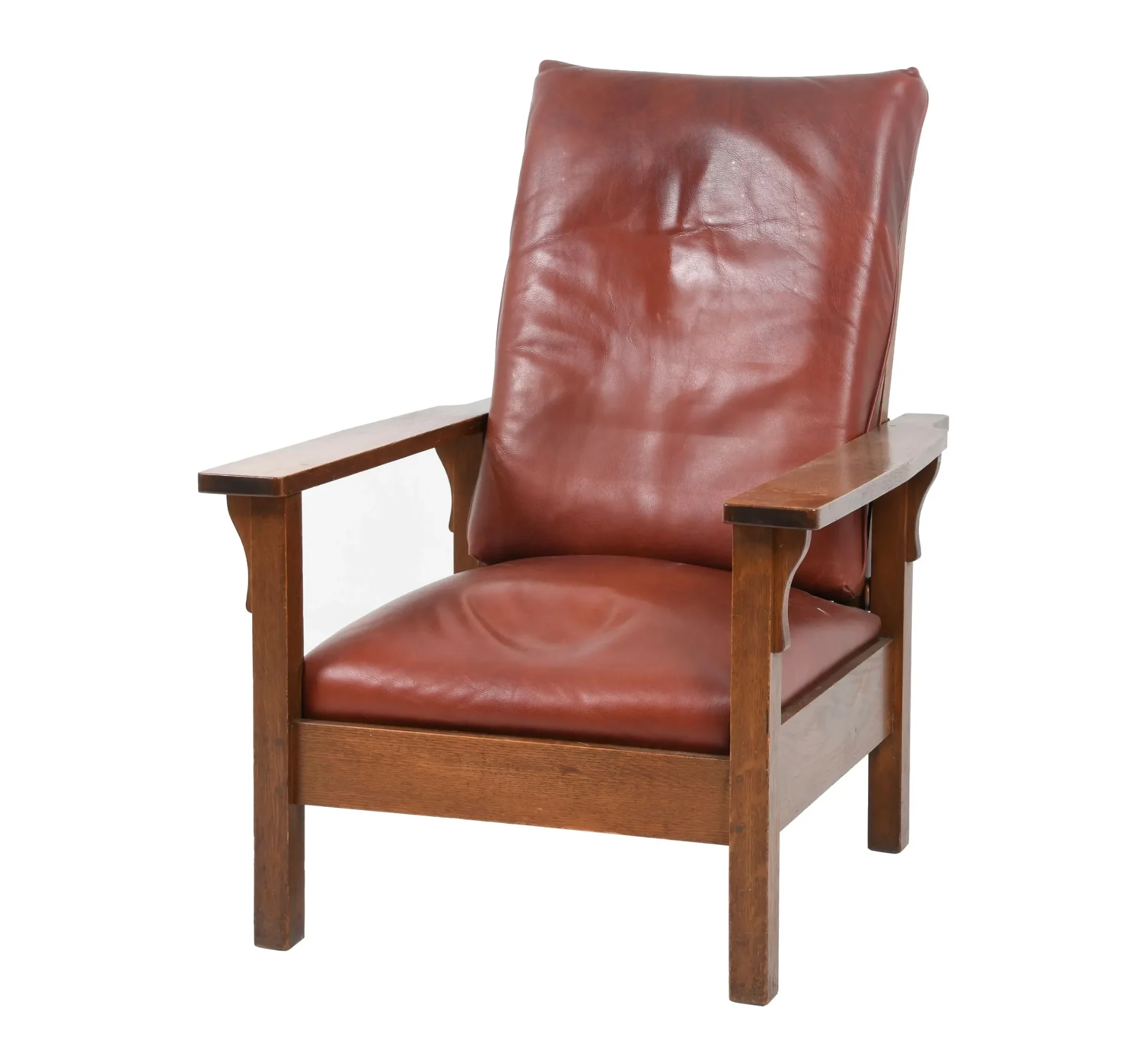
Krzesło Morrisa autorstwa Gustava Stickleya (1904)
The Krzesło Morrisa, zaprojektowane przez Gustav Stickley, jest jednym z charakterystycznych mebli Arts and Crafts, ucieleśniając prostotę, komfort i rzemiosło. Known for its solid structure and reclining back, this chair exemplifies Stickley’s approach to functionality paired with straightforward, high-quality design. Crafted with exposed joinery, the chair celebrates the beauty of wood and the structural integrity of handmade work, allowing each component’s craftsmanship to be appreciated. Stickley, a leader of the Arts and Crafts movement in America, was dedicated to creating furniture that was both trwałość i wygodę, zgodnie z przekonaniem ruchu o uczciwym wykorzystaniu materiałów i szacunku dla umiejętności twórcy.
Stickleya Krzesło Morrisa również odzwierciedla amerykańskie podkreślenie Arts and Crafts w zakresie jakości i ponadczasowego designu, prioritizing comfort and utility over decoration. The design showcases Stickley’s dedication to accessible furniture that could bring beauty and simplicity to ordinary homes, connecting to the movement’s larger ideals of ethical production and purposeful design. The chair’s straightforward elegancji i praktycznych cech made it popular in homes across America, marking a shift toward furniture that prioritized natural beauty and usability. This piece continues to be an icon of Arts and Crafts design, representing the movement’s legacy of integrity in materials and craftsmanship.
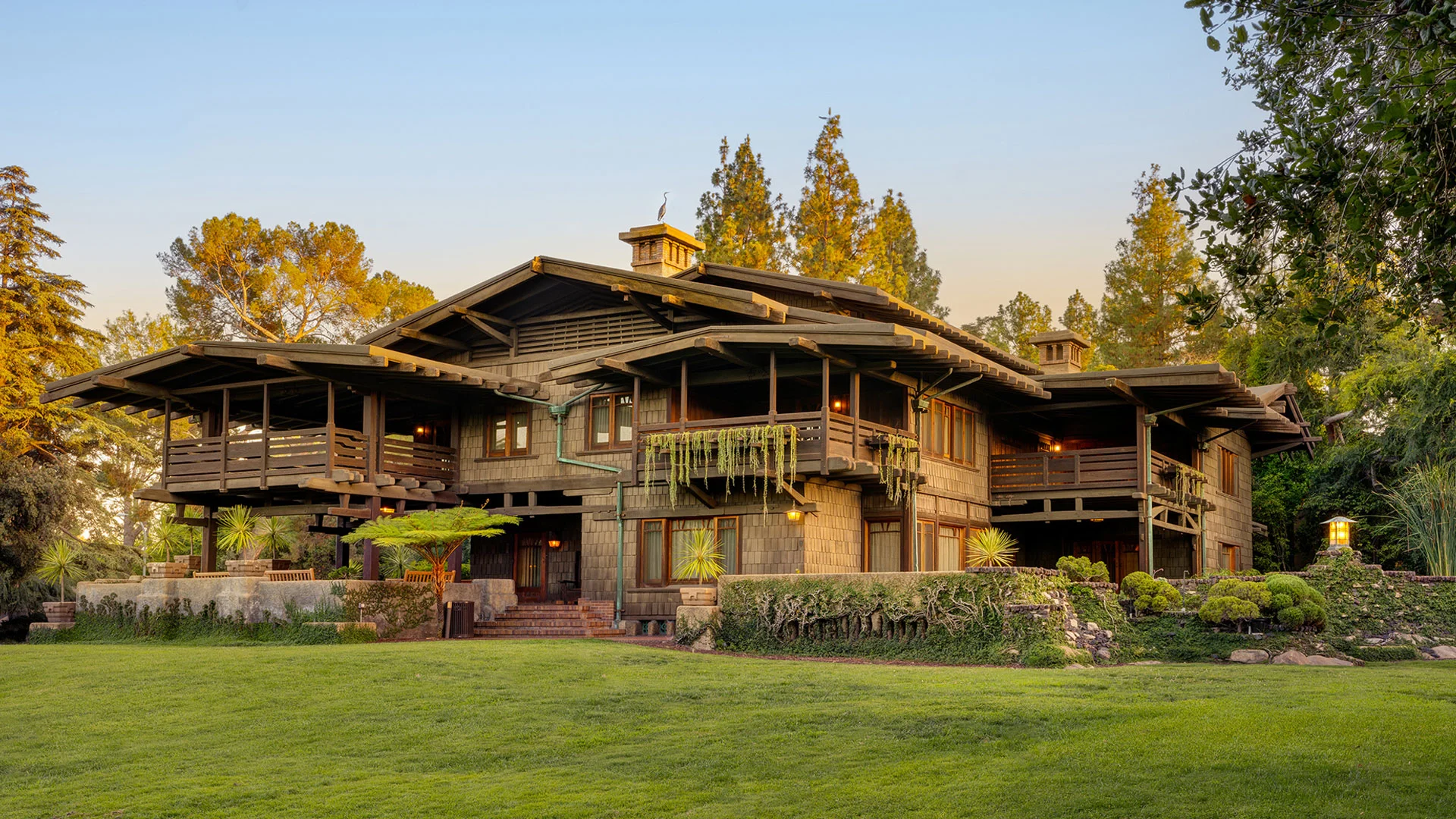
The Gamble House Autor: Greene i Greene (1908)
The Gamble Housezaprojektowane przez Charlesa i Henry'ego Greene'ów, jest arcydziełem architektury Arts and Crafts w Pasadenie w Kalifornii. Ten dom w stylu rzemieślniczym słynie z harmonijnej integracji struktury z naturalnym otoczeniem, z misterną stolarką, inkrustowanymi wzorami i ziemistą paletą kolorów, która płynnie wtapia się w krajobraz. Bracia Greene położyli nacisk na naturalne materiały, w tym sekwoję, dąb i mahoń, i zwrócili skrupulatną uwagę na szczegóły, a każda część domu została wykonana tak, aby harmonizowała z całością. Projekt domu oddaje filozofię ruchu, zgodnie z którą architektura nie powinna tylko zapewniać schronienie, ale także tworzyć spokojne, spójne połączenie z naturą.
Wnętrze, The Gamble House zawiera ręcznie robione meble, witraże i niestandardowe oprawy oświetleniowe, all designed to match the house’s organic aesthetic. The Greenes treated the house as a complete work of art, where each detail contributes to the overall sense of balance and craftsmanship. This commitment to a unified, handcrafted aesthetic is evident throughout the house, making it a model of the Arts and Crafts movement’s principles. By fostering intymną relację między strukturą, funkcją i otoczeniem, The Gamble House jest dziedzictwem ideałów Arts and Crafts w amerykańskiej architekturze i nadal inspiruje podziw dla jego skomplikowanego piękna i artyzmu.
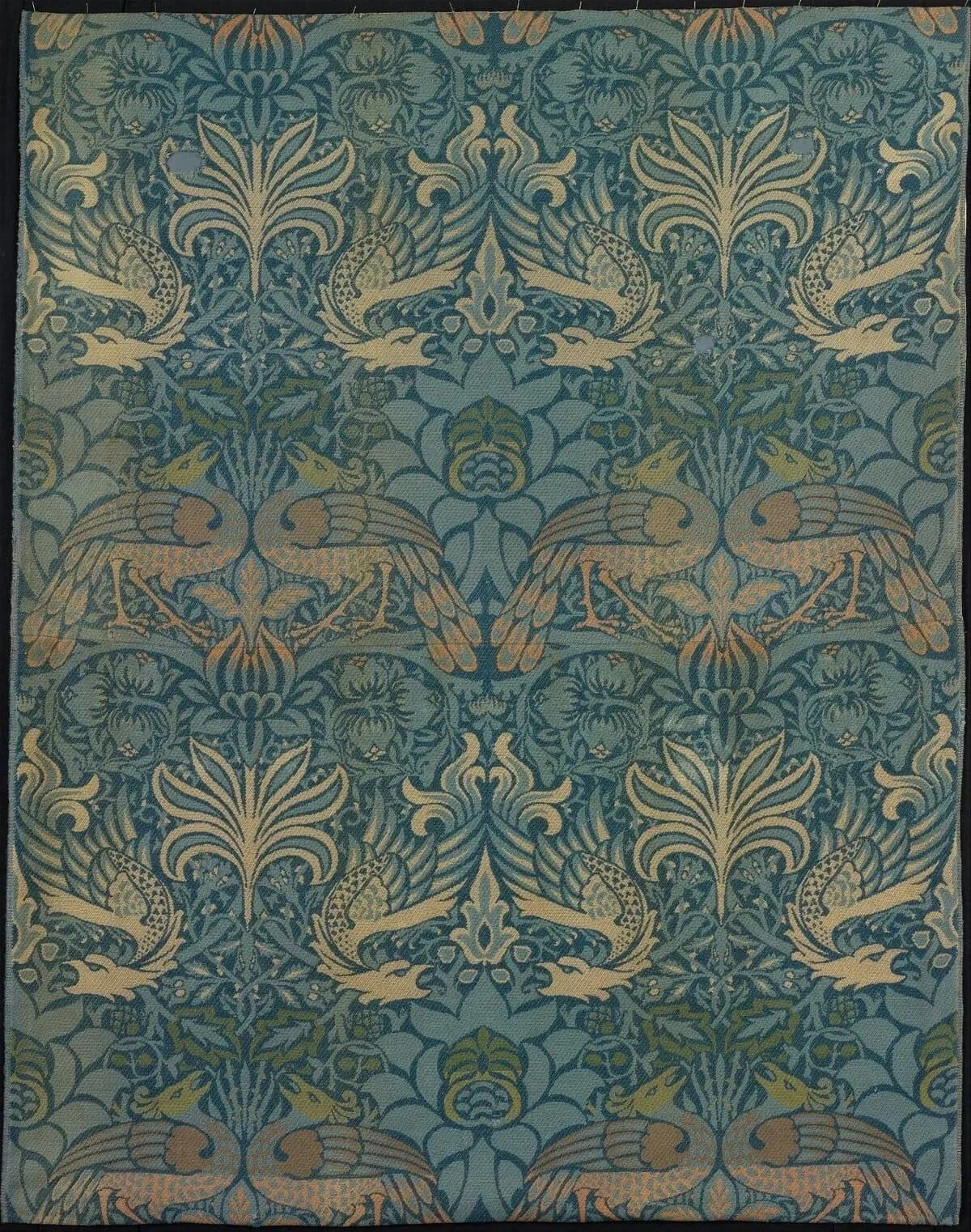
Paw i Smok Tekstylia autorstwa Williama Morrisa (1878)
Willama Morrisa Paw i Smok tekstylia jest a classic example of the intricate, nature-inspired patterns that defined the Arts and Crafts movement. The design features stylized peacocks and dragons intertwined in a richly colored pattern, showcasing Morris’s skillful use of kolor i forma to create dynamic, organic compositions. This textile highlights the movement’s focus on nature as a primary source of inspiration, celebrując naturalne piękno poprzez stylizowane, a jednocześnie rozpoznawalne formy. Użycie odważnych kolorów i szczegółowych wzorów odzwierciedla przekonanie Morris’a, że tekstylia i przedmioty codziennego użytku mogą być zarówno funkcjonalne, jak i estetycznie urzekające.
Morrisa Paw i Smok również podkreśla ruchu dedication to high-quality, handcrafted items in an era of mass-produced goods. The textile’s intricate design and labor-intensive production demonstrate a return to traditional techniques and a rejection of machine-made simplicity. The piece is a reflection of Morris’s commitment to artistic integrity and craftsmanship, as he sought to create objects that enriched the home environment and honored the artisan’s hand. Paw i Smok jest emblematem zaangażowania ruchu Arts and Crafts w integrację sztuki z codziennym życiem, pokazując, że piękno i cel mogą współistnieć w funkcjonalnych obiektach.
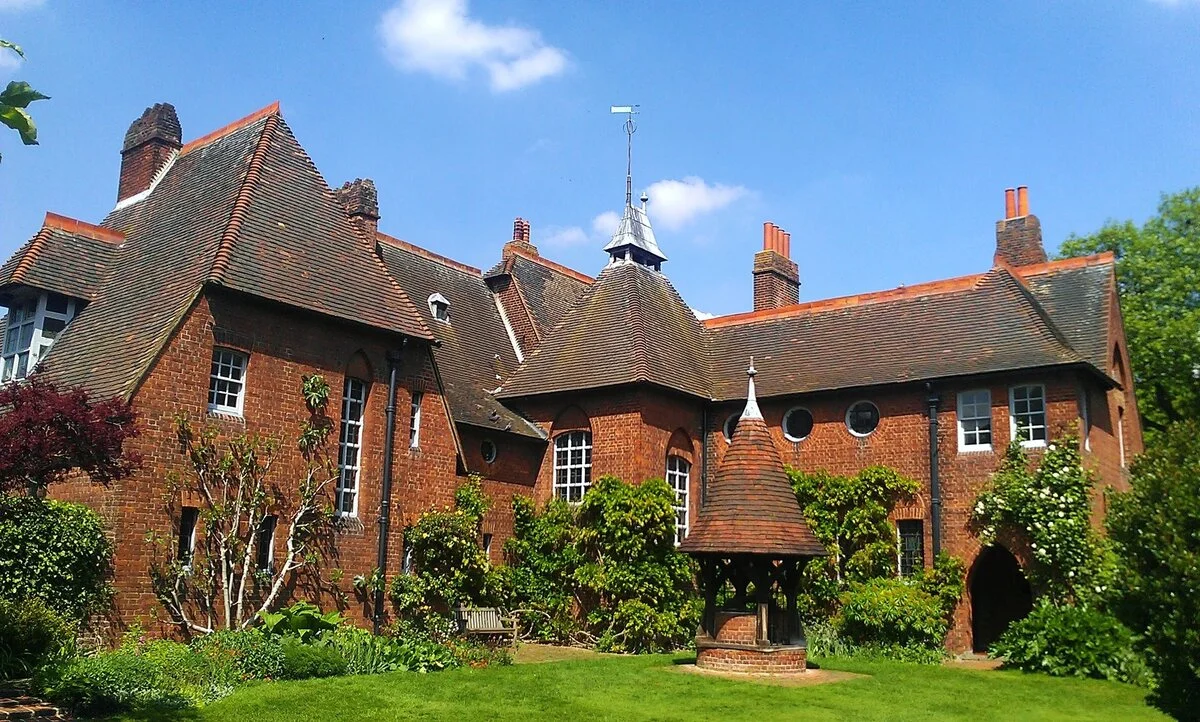
The Red House autor: Philip Webb i William Morris (1859)
Zaprojektowane przez Philipa Webba dla Williama Morrisa, The Red House is an iconic residence that captures the Arts and Crafts philosophy of unity between architecture and its environment. Built with traditional red brick and featuring asymmetrical design elements, the house stands as a testament to handcrafted quality, with each component carefully considered to complement the others. Webb and Morris worked closely to ensure that the house ucieleśniało ich wspólną wizję of creating a space that was both piękne i funkcjonalne, blending medieval-inspired features with a straightforward, practical layout. The home’s architectural details, including hand-painted tiles and custom furnishings, reflect a dedication to craftsmanship that became central to the movement.
Wnętrze The Red House, every element was designed to wzmacnia ogólną estetykę and provide a warm, inviting environment for everyday living. The house’s design celebrates the natural materials and artistry, from the intricately carved woodwork to the handcrafted furniture, textiles, and tapestries created by Morris and his collaborators. This home was intended to be a holistic reflection of Arts and Crafts values, representing the belief that architecture should be personalized, functional, and harmonious with nature. The Red House remains a symbol of the movement’s ideals and trwały przykład of how the Arts and Crafts movement sought to elevate the quality of life through art, design, and thoughtful craftsmanship.
Upadek i dziedzictwo
Przejście do modernizmu i wyzwania przemysłowe
By the early 20th century, the Arts and Crafts movement began to decline as it napotkało rosnące wyzwania from the very forces it opposed: industrialization and mass production. The movement’s emphasis on handcrafted goods made its products labor-intensive and, therefore, more expensive than factory-made alternatives. As modernist ideas gained momentum, society increasingly embraced functionality, speed, and efficiency, making mass production more appealing to the general public. Movements like Art Nouveau and Bauhaus emerged with a more streamlined and pragmatic approach, blending art and industry in ways that differed significantly from the Arts and Crafts ideals. Bauhaus, in particular, focused on simplifying forms and incorporating industrial processes, marking a departure from the intricate, handmade techniques central to Arts and Crafts.
Mimo malejącej popularności, ruch Arts and Crafts położył a vital foundation for 20th-century design, influencing modernism’s principles of functionality and simplicity. While its focus on craftsmanship did not align with the mass-production mindset of later eras, Arts and Crafts ideals remained influential in advocating for integrity in materials and respect for the maker’s skill. This movement thus left an enduring mark on design philosophy, encouraging later artists and designers to question the balance between art, industry, and quality.
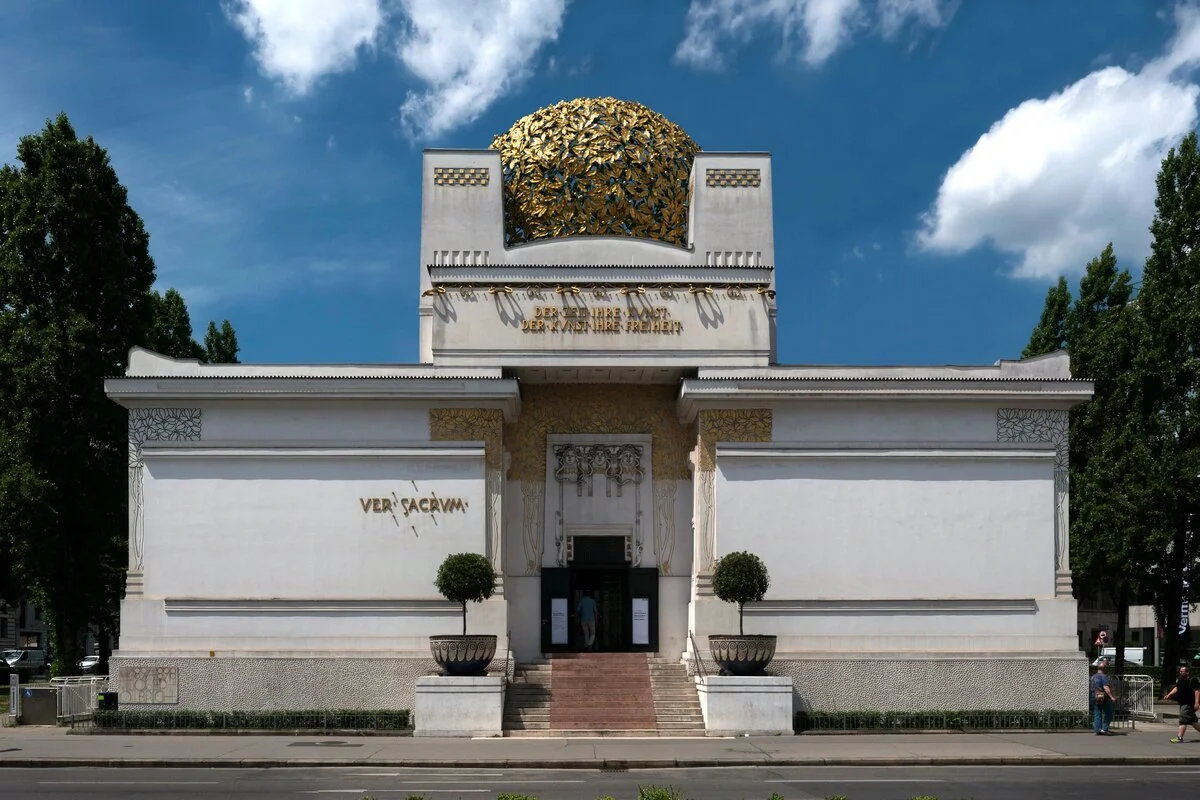
The Budynek Secesji Wiedeńskiej by Joseph Maria Olbrich, completed in 1898, represents a pivotal point in the transition from Arts and Crafts to modernism, embodying early modernist trends influenced by the movement's principles of craftsmanship and quality. Built as the headquarters for the Vienna Secession—a group of artists who sought artistic freedom from traditional academic constraints—the building’s design combines simplicity with decorative elements that nod to both ideały Arts and Crafts i estetyka Art Nouveau. The building’s clean lines, geometric forms, and gold leaf dome highlight a streamlined yet refined approach, bridging the handcrafted quality championed by Arts and Crafts with a new, modernist outlook.
Odrodzenie i trwały wpływ na współczesny design
Pod koniec XX wieku, a renewed interest in craftsmanship, sustainability, and ethical production led to a revival of Arts and Crafts values. As people began to question the environmental and social costs of mass production, the movement’s principles found new relevance. Today, the movement’s emphasis on quality, handmade processes, and sustainable materials continues to inspire the slow design and odrodzenie rzemiosła movements, as well as a broader appreciation for locally-made goods. Artisans, designers, and architects are increasingly drawn to the idea of creating with intention and mindfulness, echoing the Arts and Crafts belief that beauty lies in the care and skill invested in each object.
"Prawdziwa sztuka tkwi w działaniu, nie w produkcie." – Charles R. Ashbee
Dziedzictwo Arts and Crafts można dostrzec w współczesnej architekturze, projektowaniu mebli i wystroju wnętrz które priorytetowo traktują proste formy, naturalne materiały i funkcjonalność. Wpływ ruchu rozciągnął się także na edukację, gdzie jego zasady zachęcają do praktycznej kreatywności i integracji sztuki w codziennym życiu. Dziś ruch Arts and Crafts pozostaje a symbol of integrity in design, offering a timeless reminder of the value in handmade quality and the harmonious relationship between art, craft, and the environment. Its legacy continues to resonate with those seeking to reconnect with a more personal, sustainable, and meaningful approach to art and design.

The Targowisko Etsy has become a global platform where rzemieślnicy, twórcy rękodzieła i niezależni producenci can showcase and sell their handmade creations, embodying the values of the Arts and Crafts movement in a modern, digital context. By prioritizing unique, one-of-a-kind items over mass-produced goods, Etsy fosters a renewed appreciation poszukujący rzemiosła, autentyczności i jakości. Sprzedawcy często tworzą przedmioty ręcznie, stakie jak biżuteria, meble, ceramika i tekstylia, making the platform a thriving community for those who value the artistry and individual touch associated with handmade products.
Rynek Etsy również wspiera małe firmy i promuje zrównoważone praktyki, aligning with the ethical and social reform values that were central to Arts and Crafts ideals. In offering a wide range of artisanal goods that bring beauty and individuality into daily life, Etsy has become a modern-day extension of the Arts and Crafts movement, connecting artists and consumers who appreciate the enduring importance of handcrafted, thoughtfully made objects.
Wniosek: Ruch Arts and Crafts na nowo zdefiniował relację między sztuką a życiem codziennym, kładąc nacisk na rzemiosło, jakość i etyczną produkcję w odpowiedzi na wpływ industrializacji. Promując ręcznie wykonane przedmioty, naturalne materiały i proste formy, ruch ten podważył bezosobowy charakter masowej produkcji, ceniąc dotyk artysty i jego integralność. Chociaż ostatecznie ustąpił miejsca ruchom modernistycznym, zasady ruchu Arts and Crafts nadal inspirują współczesny design, oferując ponadczasowe przypomnienie o pięknie odnalezionym w rzemiośle, jakości i połączeniu sztuki z codziennym życiem.
Przykłady wizualne
Co definiuje ruch Arts and Crafts?

Ruch Arts and Crafts koncentruje się na ręcznie wykonanych projektach, które priorytetowo traktują funkcjonalność i prostotę, często wykorzystując naturalne materiały. Powstał w odpowiedzi na masową produkcję przemysłową, celebrując tradycyjne rzemiosło i piękno pracy ręcznej, jednocześnie integrując artyzm z codziennymi przedmiotami, aby zwiększyć ich wartość.
Jak ruch Arts and Crafts kwestionował tradycyjną sztukę?
Ruch Arts and Crafts odrzucił industrializację, kładąc nacisk na jakość ręcznego wykonania i integrację sztuki z przedmiotami funkcjonalnymi. Podważył koncepcję sztuki ograniczonej do sztuk pięknych, zamiast tego łącząc ją z rzemiosłem, promując ideę, że nawet przedmioty użytkowe mogą być dziełami piękna i ekspresji artystycznej.
Dlaczego ruch Arts and Crafts jest dziś nadal istotny?
Ruch Arts and Crafts pozostaje istotny ze względu na swoje skupienie na zrównoważonym rozwoju, autentyczności i wartości prac ręcznie wykonanych. W świecie zdominowanym przez masową produkcję inspiruje współczesnych twórców do doceniania kunsztu rzemieślniczego, promowania etycznej produkcji oraz harmonijnego łączenia funkcjonalności z estetyką w znaczący sposób.

Sofiya Valcheva
Copywriter
Kiedy piszę, jestem w swoim żywiole, skupiona, kreatywna i wkładam całe serce w każde słowo. Kiedy nie piszę, prawdopodobnie tańczę, zatracona w ulubionej muzyce, albo gonię za inspiracją, gdziekolwiek mnie ona zaprowadzi!
.webp)