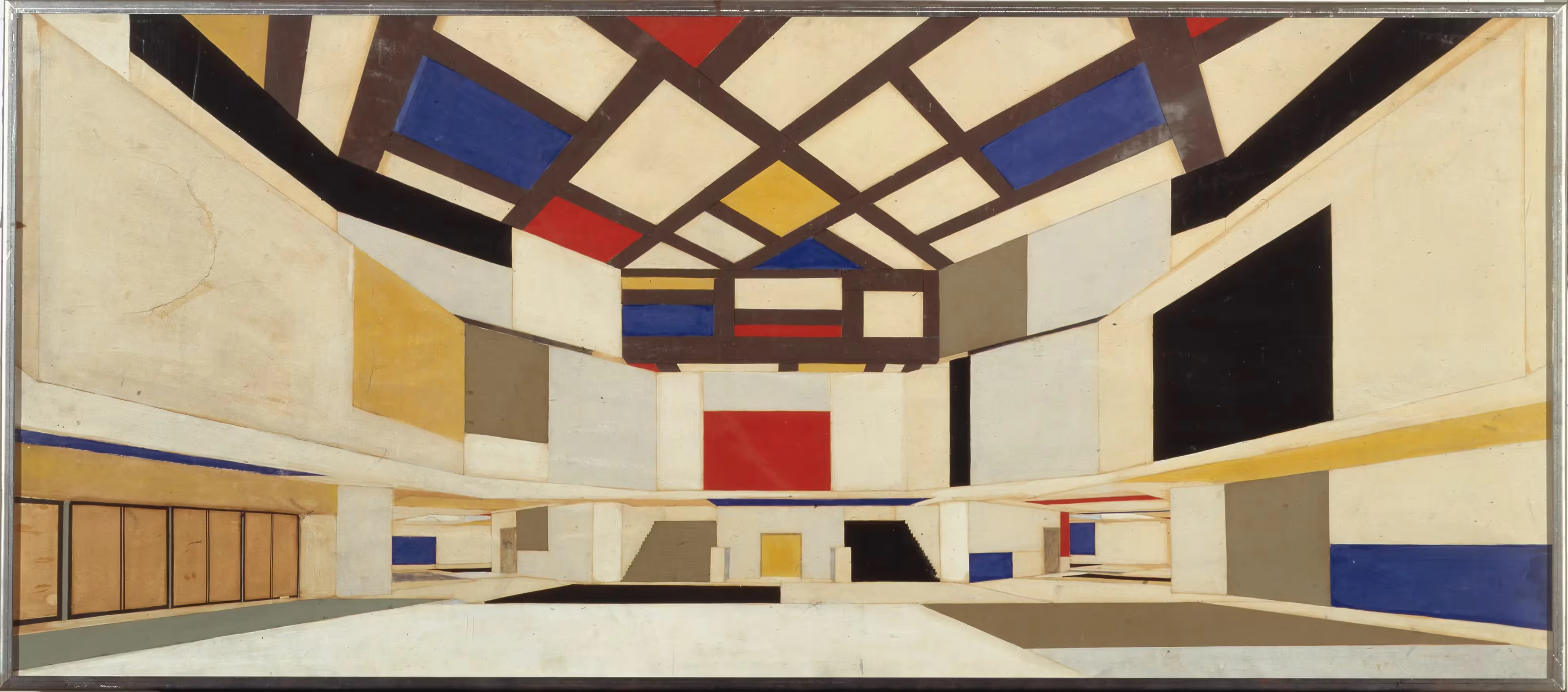
De Stijl, also known as Neoplasticism, emerged in the Netherlands in 1917 as a pioneering movement dedicated to achieving harmony, order, and abstraction in art, design, and architecture. Founded by Theo van Doesburg and Piet Mondrian, De Stijl sought to strip art down to its essential elements.
De beweging had als doel individuele expressie en natuurlijke vormen te overstijgen, en werken te creëren die universele schoonheid en balans weerspiegelen. Geïnspireerd door the philosophical and spiritual ideals of a new, harmonious society, De Stijl artists believed that their strict visual language could unite art with everyday life.
De Stijl was not only a style but a philosophy that extended to multiple disciplines, including painting, architecture, furniture design, and typography. Mondrian’s vision of “Neoplasticism” bood een basis for the movement’s ideals, while Van Doesburg expanded these principles into architecture and design, advocating for art that was both functional and universally understood. This commitment to geometrische abstractie en minimalistisch color became hallmarks of modernism, with De Stijl influencing art, design, and architecture on a global scale. Although the movement formally dissolved in 1931, its legacy endures in contemporary minimalist design and modernist architecture, which continue to reflect De Stijl’s ideals of purity, simplicity, and order.
Oorsprong en Evolutie
Oprichting en vroege jaren (1917–1920s)
De Stijl was established in 1917 by Theo van Doesburg, who published a magazine named De Stijl om een nieuwe kunstvorm te promoten die gericht is op zuiverheid, orde en eenvoud. Van Doesburg, alongside Piet Mondrian, was driven by a desire to express universal beauty through abstracte vormen and a limited color palette of primary colors, black, white, and gray. They believed that by stripping art down to basiselementen, ze konden een vorm bereiken die vrij was van persoonlijke expressie, iets dat Mondrian benadrukte als een manier om een "hogere, spirituele orde." Deze eenvoud, volgens Mondrian, weerspiegelde een perfecte balans en afstemming op universele waarheden.
The theory of Neoplasticism, which Mondrian developed, became the philosophical backbone of De Stijl. In his view, “color and form are reduced to essentials,” removing the chaotic influence of reality and creating something timeless and universally accessible. Van Doesburg played a crucial role in expanding these ideas beyond painting, advocating for De Stijl principles in architectuur, meubilair en grafisch ontwerp. Early recognition of De Stijl marked a decisive shift toward abstraction in 20th-century art, establishing a new language in design and visual culture.
Uitbreiding naar architectuur en ontwerp (1920s)
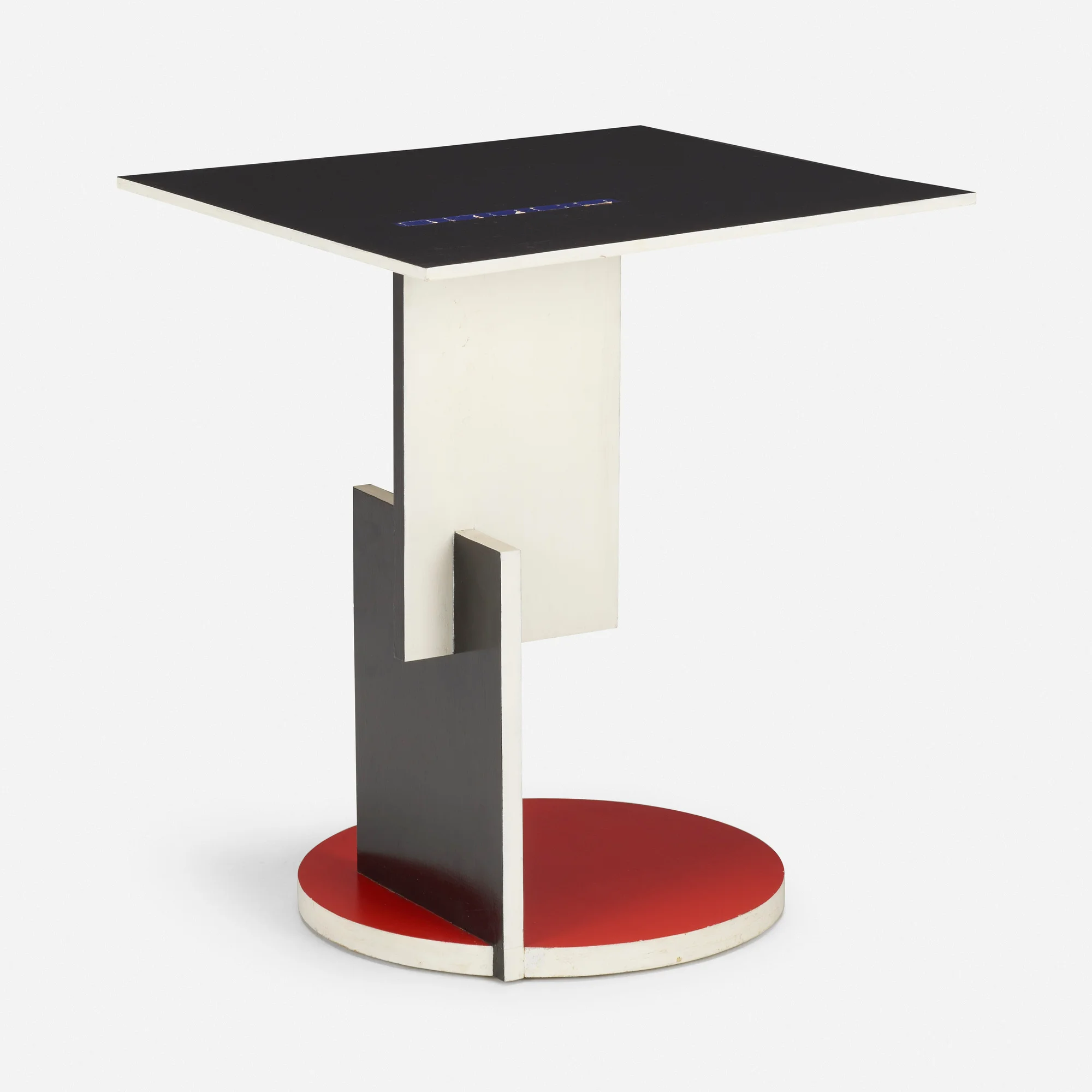
In the 1920s, De Stijl extended its reach into architectuur en industrieel ontwerp, aligning visual art with functional, everyday objects. Gerrit Rietveld, an influential De Stijl member, was instrumental in bringing De Stijl ideas into furniture and architecture, notably with his designs like the Rietveld Schröder House (1924). Rietveld’s work demonstrated how De Stijl principles could be applied practically, merging esthetische harmonie met functionaliteit. His Red and Blue Chair exemplifies this concept, using primary colors and simple lines to create a structure that is as visually striking as it is functional.
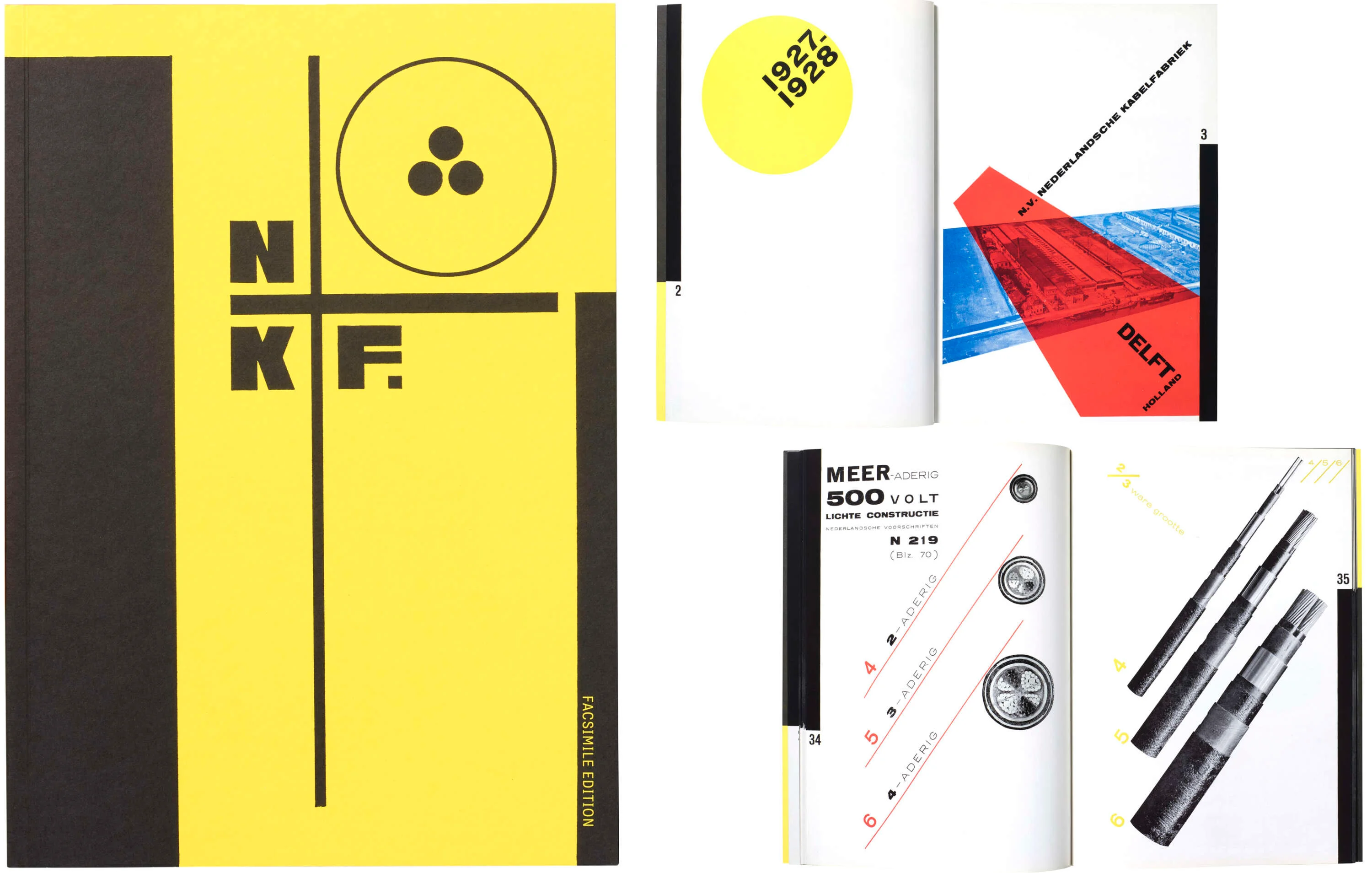
This era saw Van Doesburg expanding the scope of De Stijl to include diagonal lines, which he felt added dynamische spanning to compositions. Mondrian, however, believed that “diagonals disrupt the balance,” leading to creative differences and eventually to the split between the two artists. Despite their divergence, De Stijl’s influence grew, especially as it began intersecting with Bauhaus and other European modernist movements. De Stijl principles permeated typografie, meubilair en architectuur, met nadruk op helderheid en geometrische abstractie in verschillende disciplines.
Esthetisch Concept
Eenvoud en abstractie
The De Stijl aesthetic is defined by simplicity and abstraction, met een focus op het reduceren van kunst tot de essentie: rechte lijnen, geometrische vormen en primaire kleuren. Deze benadering minimaliseerde individuele expressie, en benadrukte een gestructureerde visuele taal bedoeld om over te brengen universele harmonie. De Stijl artists believed, as Mondrian stated, that “true beauty resides in pure form,” allowing each composition to achieve balance without reference to the external world. The restricted color palette and grid-like structures are intended to create works that are objective, detached from nature, and imbued with spiritual resonance.
"De puurste en meest bedachtzame geesten zijn degenen die het meest van kleur houden." – John Ruskin

Door te focussen op geometrie en minimalisme, De Stijl compositions achieve a visual clarity that transcends personal subjectivity. Mondrian’s grid paintings, for instance, use simple lines and color blocks to convey stability, a quality De Stijl artists felt could serve as a model for moderne samenleving. Van Doesburg, similarly, integrated simplicity and abstraction into typographic designs, which aimed to present words as pure, visual forms. For De Stijl, art and design had the potential to bring order to a chaotic world through balans en harmonie in their visual language.
"True beauty resides in pure form." – Piet Mondrian
Beyond just a style, De Stijl’s aesthetic was a filosofisch ideaal aimed at integrating beauty into daily life. Through abstraction, the movement aspired to remove emotional influences, allowing each composition to represent an idealized vision of reality. In addition to painting, De Stijl influenced grafisch ontwerp en architectuur, gericht op modulaire lay-outs, rechte lijnen en een schone esthetiek die integraal werden voor modernistisch design.
Thema's en Motieven
Geometrische Harmonie en Balans
De Stijl’s core theme is geometrische harmonie, bereikt door gestructureerde composities of vertical and horizontal lines and balanced color fields. This alignment of shapes and colors aimed to represent an ideal world that existed beyond personal emotion or subjective experiences. The rigorous grid systems and modular compositions allowed for total balance, a value central to De Stijl’s mission to inspire orde en helderheid in society.
"Art must elevate itself to a higher level, transcending personal feeling." – Theo van Doesburg
Deze nadruk op universele harmonie in De Stijl’s aesthetic was intended to symbolize a perfect, peaceful world. The movement’s commitment to structured compositions, pure primary colors, and geometric forms reflected a desire to remove chaos and instead provide a model of universal order. This commitment to balanced forms can be seen not only in Mondrian’s and Van Doesburg’s paintings but also in Rietveld’s architectural layouts and furniture pieces, which translated these ideas into physical structures.
De Stijl artists believed that these abstract, geometric forms could lead to greater societal harmony. Through gestructureerde composities en pure vormen, De Stijl’s vision suggested that the world could achieve the same balance and clarity found in their art. This utopian belief underscored the movement’s philosophy, reinforcing the idea that design principles could be applied universally across art, architecture, and life.
Integratie met het Dagelijkse Leven
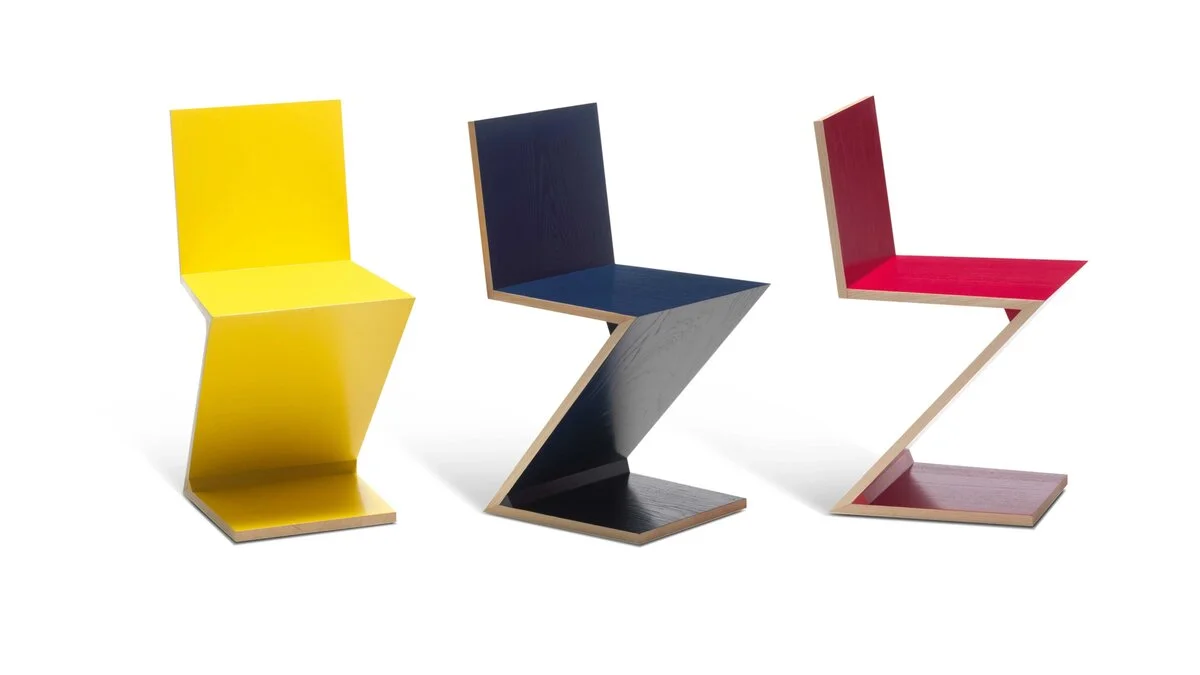
A defining aim of De Stijl was to integrate art and design into dagelijks leven by bringing its principles into architecture, furniture, and typography. As Mondrian believed, “Art must be part of the environment, not set apart.” Gerrit Rietveld’s furniture pieces, like the Red and Blue Chair, showcased this ideal by embodying De Stijl’s colors and forms while providing practical use. The simple, modular structures of these objects encouraged living spaces to reflect the same harmonie en helderheid seen in De Stijl’s art.
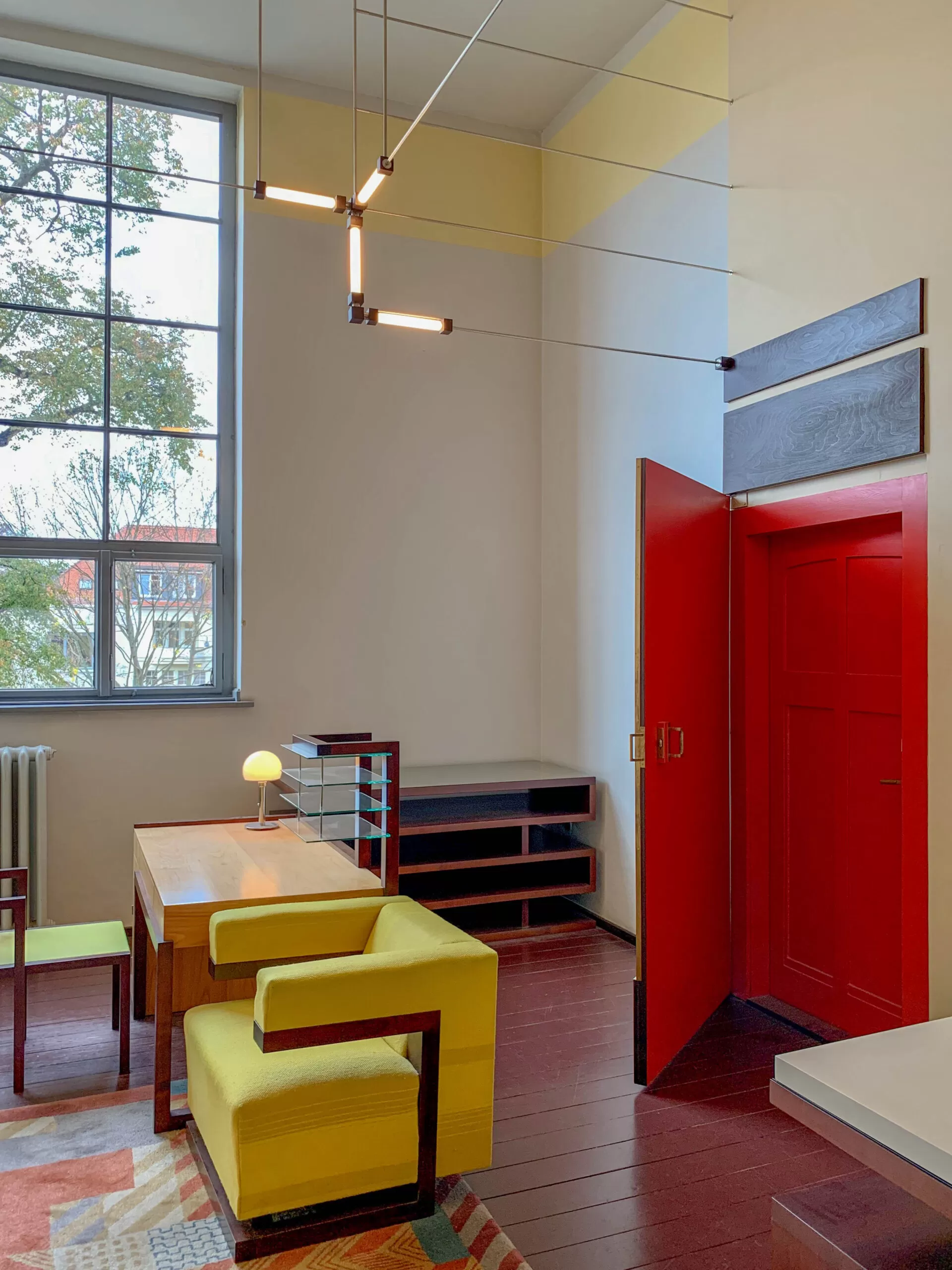
This goal of merging art with life led to De Stijl’s influence on architectuur en interieurontwerp, where artists like Van Doesburg and Rietveld applied their abstract principles to entire buildings. They designed spaces that aligned aesthetically with the movement, creating environments that provided a cohesive, harmonious experience. This cross-discipline approach marked a turning point in design history, as De Stijl paved the way for later modernist movements to merge functionality with aesthetic simplicity.
By bringing De Stijl ideals into functional spaces, the movement aspired to create a more unified world in which all aspects of life resonated with the same ideale orde. This practical application extended De Stijl’s influence beyond art, establishing a language of design that permeated moderne architectuur, meubels en interieurs.
Impact en Invloed
Invloed op Moderne Architectuur en Design
De Stijl had a profound influence on modern architecture and design, particularly through its emphasis on geometrie, eenvoud en functionaliteit. The movement’s principles played a significant role in shaping the International Style of architecture, which architects like Le Corbusier and Mies van der Rohe adopted, emphasizing structurele helderheid en minimalisme. This influence extended to various disciplines, such as graphic design, where the use of grids, primary colors, and minimal text became defining features of modern layouts.
"The modern artist is working with space and time, and expressing his feelings rather than illustrating." – Jackson Pollock
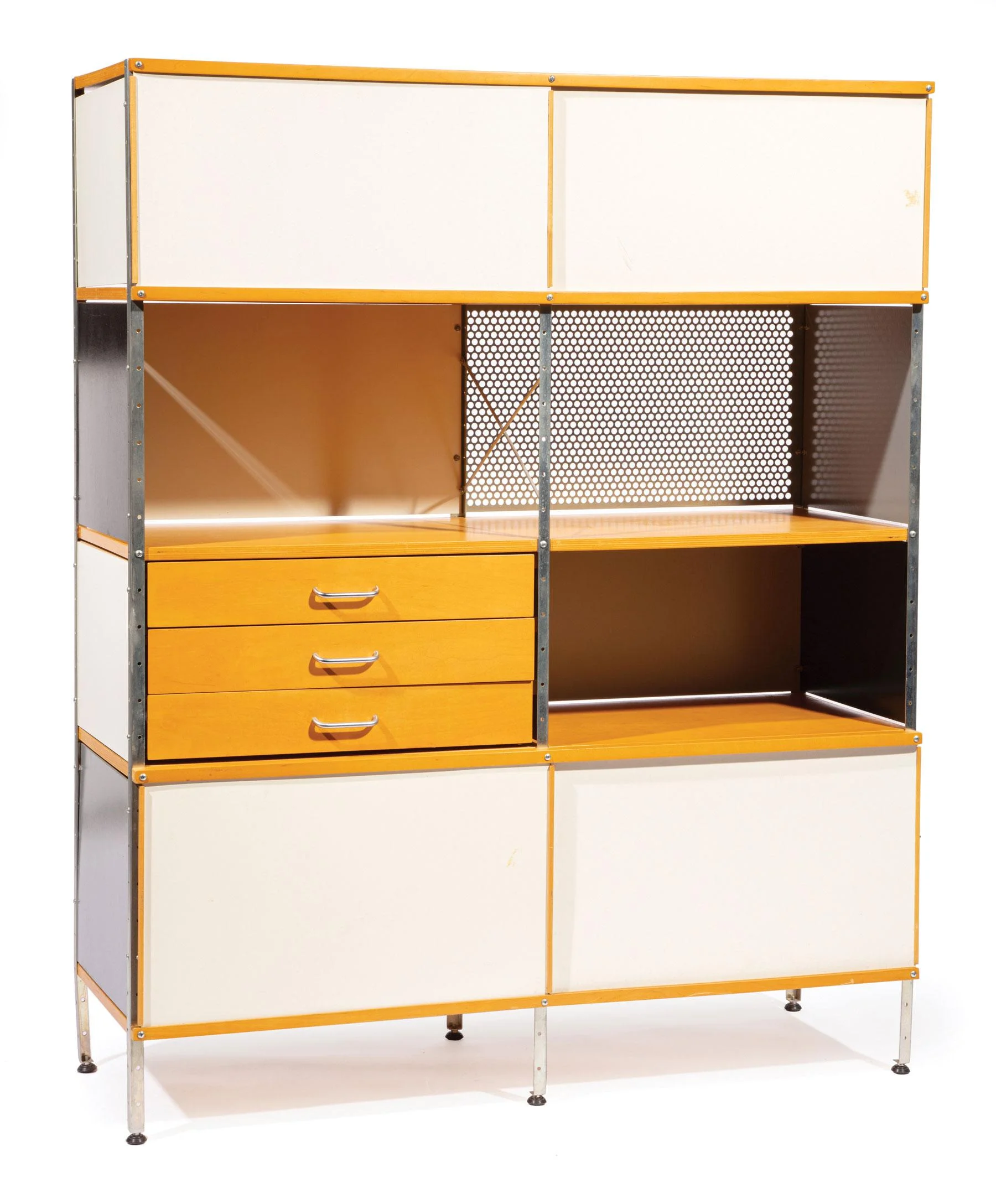
In graphic and industrial design, De Stijl’s impact is evident in the preference for helderheid, structuur en functionaliteit. The bold use of grids, straightforward typography, and minimal ornamentation in mid-century modern advertising and product design reflect De Stijl's emphasis on universality. The movement also influenced design philosophies around simplicity and balance, with companies like IKEA adopting these principles in furniture design to promote clean aesthetics and practical functionality. This lasting influence highlights De Stijl’s reach across both artistic and commercial design.

Representatieve Voorbeelden
Composition with Red, Blue, and Yellow by Piet Mondrian (1930)
Piet Mondrian’s Composition with Red, Blue, and Yellow is one of the most recognizable examples of De Stijl, embodying the movement’s core principles of geometrische abstractie and minimalism. In this composition, Mondrian uses black lines to create a grid that divides the canvas into rectangular sections, filling some with primary colors (red, blue, and yellow) while leaving others white. This restrained approach to color and form reflects De Stijl’s goal of creating a universal aesthetic free from subjective influences or natural representation.
Mondrian’s use of primary colors and grid structure in Composition with Red, Blue, and Yellow has had a lasting impact on modern art and design. This work is celebrated not only for its esthetische zuiverheid maar ook om zijn invloed op interieurontwerp, grafisch ontwerp en zelfs mode. De balans van het schilderij tussen horizontale en verticale lijnen captures the essence of De Stijl’s mission to strip art down to its essential elements, establishing a visual language that was radically different from anything that came before it. The work remains an icon of abstraction, illustrating how De Stijl’s ideals can convey universal beauty through structure and restraint.

Red and Blue Chair by Gerrit Rietveld (1917)
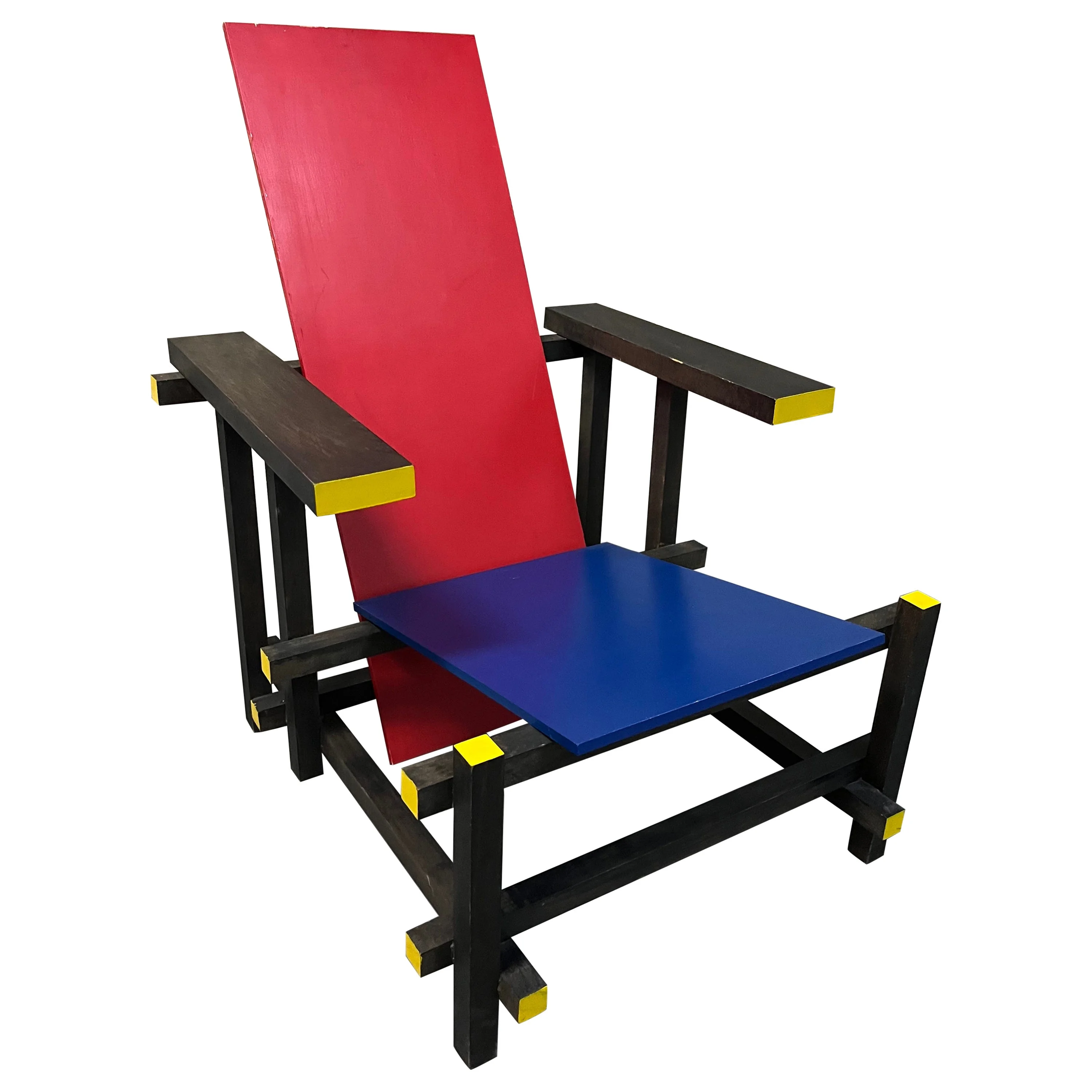
The Red and Blue Chair, designed by Gerrit Rietveld, is a powerful example of De Stijl’s application of art principles to functioneel ontwerp. Created from simple, geometric forms, the chair uses a modular construction with flat, intersecting planes painted in primary colors and black. The colors emphasize the chair’s structure, with each part painted a single color to highlight the composition rather than blend into a unified whole. The chair embodies De Stijl’s principles by reducing a functional object to basis geometrische elementen and pure color, aligning with the movement’s belief in simplicity and universal beauty.
This chair is more than just a piece of furniture; it is an expression of De Stijl's vision of integrating art with everyday life. Rietveld aimed to design a chair that was practical, visually striking, and representative of a moderne, harmonieuze wereld. De Red and Blue Chair has become an iconic work in modern design history, influencing later designers who sought to merge functionality with aesthetic ideals. By creating a chair that serves as both a useful object and an artistic statement, Rietveld bridged the gap between fine art and industrial design, capturing the spirit of De Stijl in a form accessible to everyday life.
Rietveld Schröder House by Gerrit Rietveld (1924)
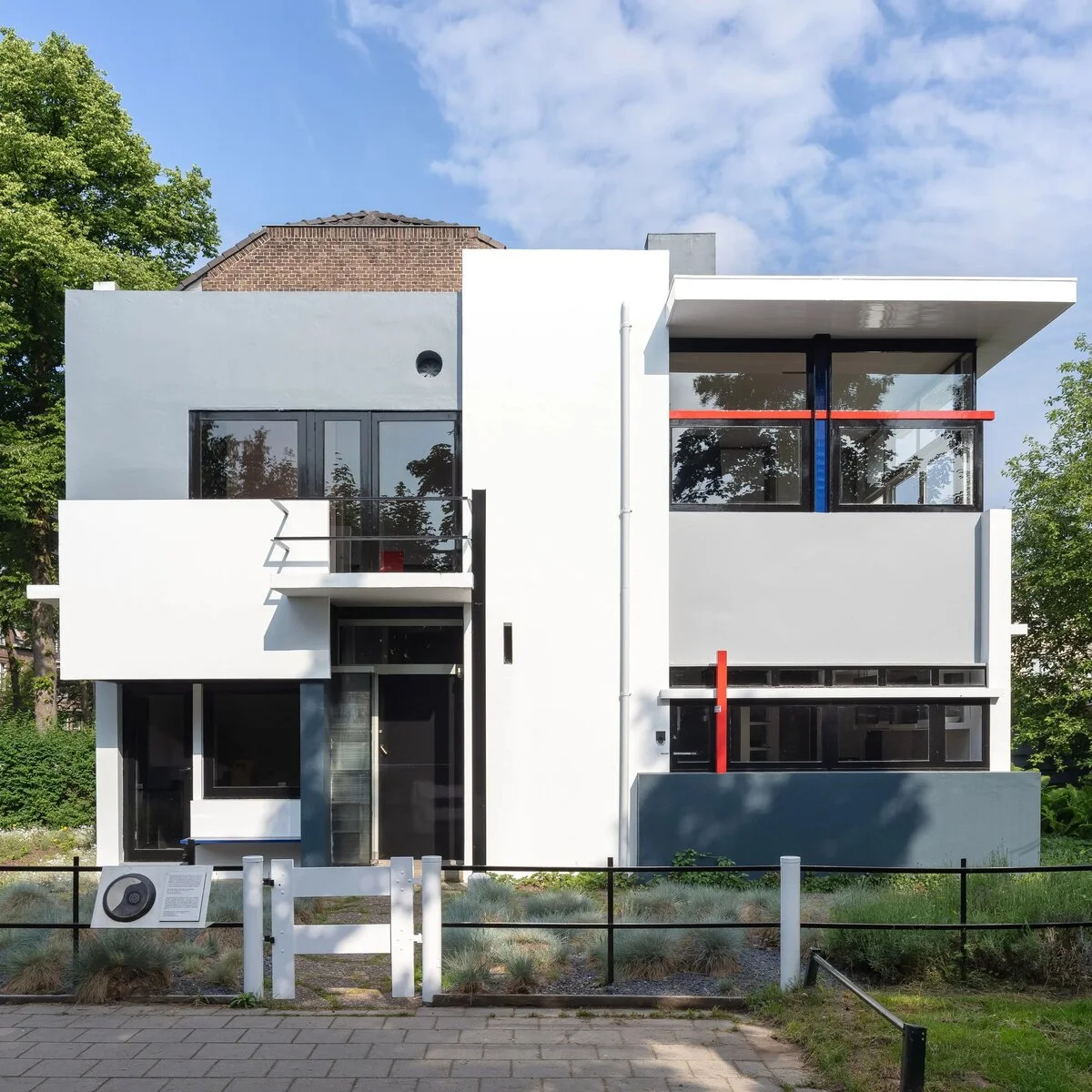
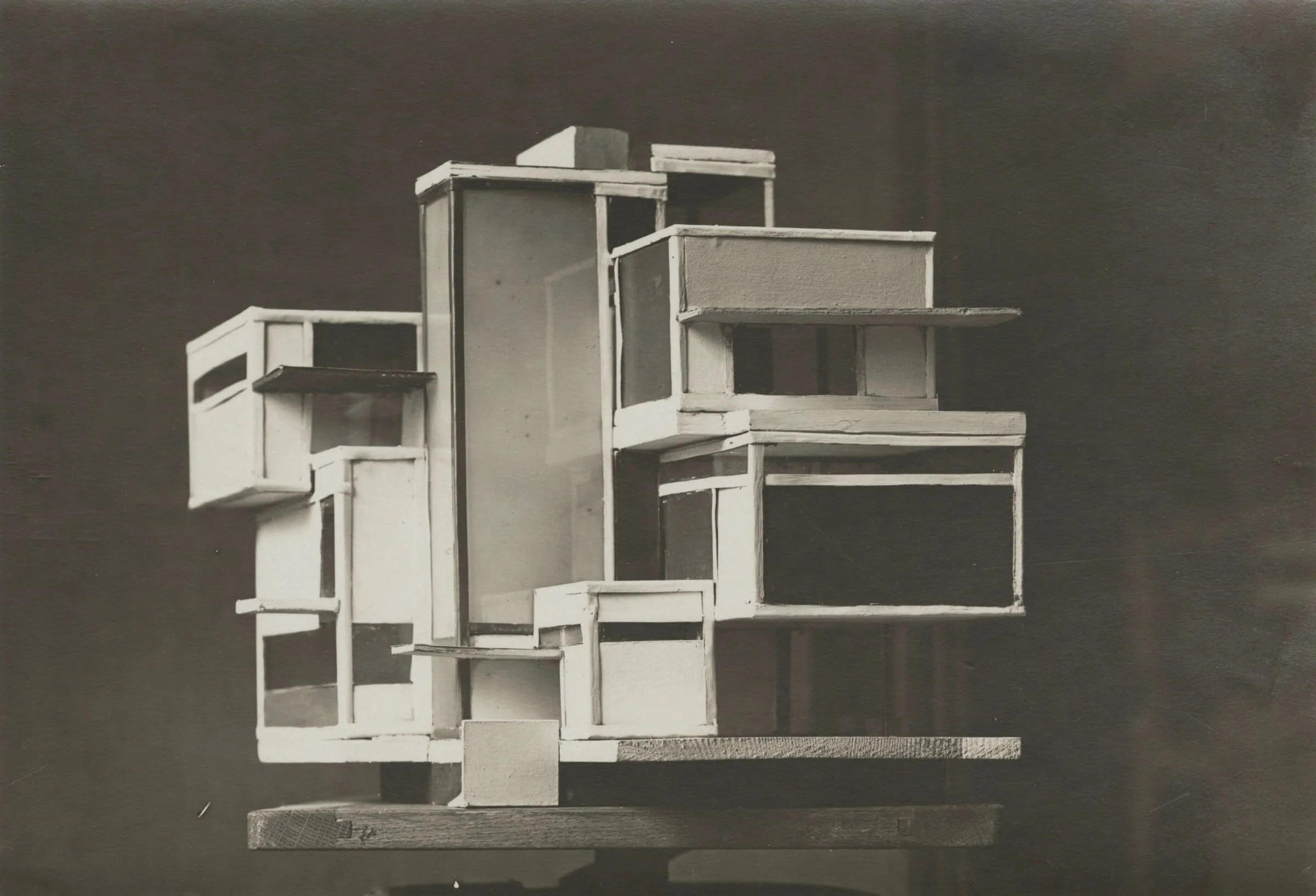
The Rietveld Schröder House, designed by Gerrit Rietveld for Truus Schröder-Schräder, is one of the most significant architectural examples of De Stijl. Located in Utrecht, the house was revolutionary for its use of open, flexible spaces, modular layouts, and primary colors. Rietveld applied De Stijl principles to every aspect of the house, from the structural design to the interior furnishings, which were modular and could be rearranged to transform the space. The house’s exterior reflects De Stijl’s aesthetic with its intersecting planes, simple forms, and color scheme, creating a structure that appears both modern and harmonious.
This house embodies the De Stijl vision of a geïntegreerde, totale omgeving where architecture and interior design work together to create a cohesive aesthetic experience. The open-plan layout and movable walls were innovative for their time, reflecting the movement’s belief in functional, adaptable spaces. The Rietveld Schröder House is now a UNESCO World Heritage Site, recognized for its pioneering contribution to modern architecture. Its influence on later minimalist and modernist architecture demonstrates the impact of De Stijl’s vision of simplicity and abstraction, proving how a radical approach to design can shape the evolution of architecture.
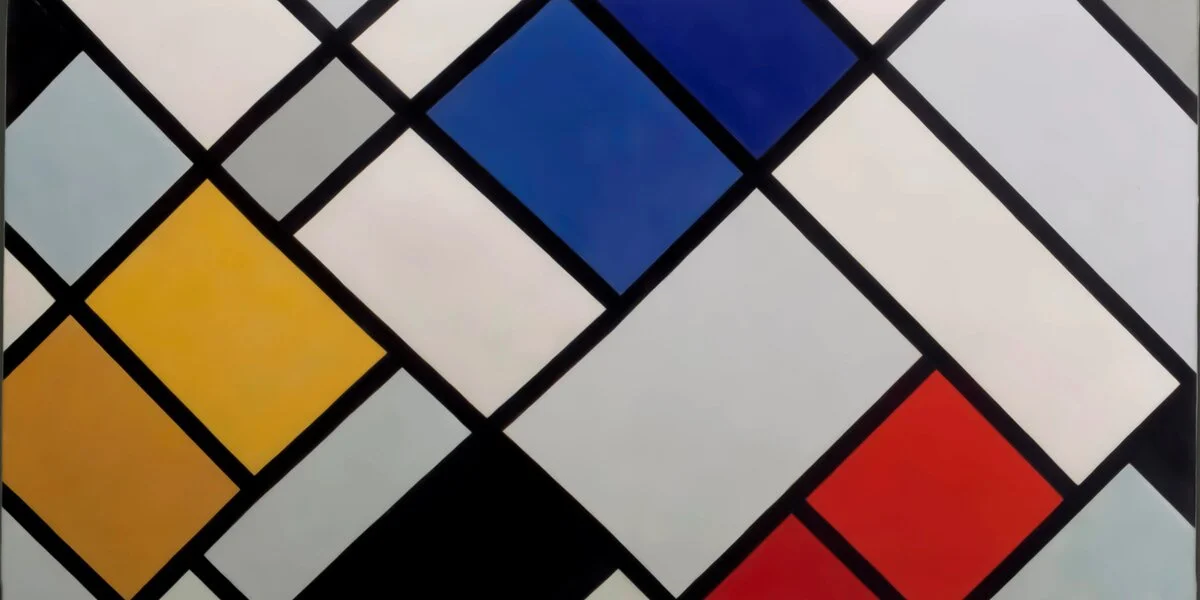
Contra-Composition of Dissonances by Theo van Doesburg (1925)
Contra-Composition of Dissonances by Theo van Doesburg is a bold exploration of De Stijl’s principles, with an experimental twist. Unlike Mondrian, who insisted on the use of vertical and horizontal lines, Van Doesburg introduced diagonaallijnen to create dynamic, energetic compositions. In this work, he uses angled lines and blocks of primary colors to create visual tension and movement, challenging the strict symmetry associated with De Stijl. This composition reflects Van Doesburg’s belief that “art must elevate itself to a higher level, transcending personal feeling,” achieved here by maintaining balance within the seemingly dissonant lines.
This work marked a departure from Mondrian’s rigid philosophy, leading to disagreements that ultimately contributed to the split within De Stijl. However, Van Doesburg’s approach brought a fresh perspective to the movement, highlighting the potential for dynamische harmonie binnen gestructureerde abstractie. Contra-Composition of Dissonances showcases how De Stijl could adapt and evolve, encouraging future artists to experiment with the movement’s foundational principles. The composition has inspired later abstract artists and designers to explore visual tension and movement within ordered structures, showing that even within the confines of simplicity, innovation is possible.
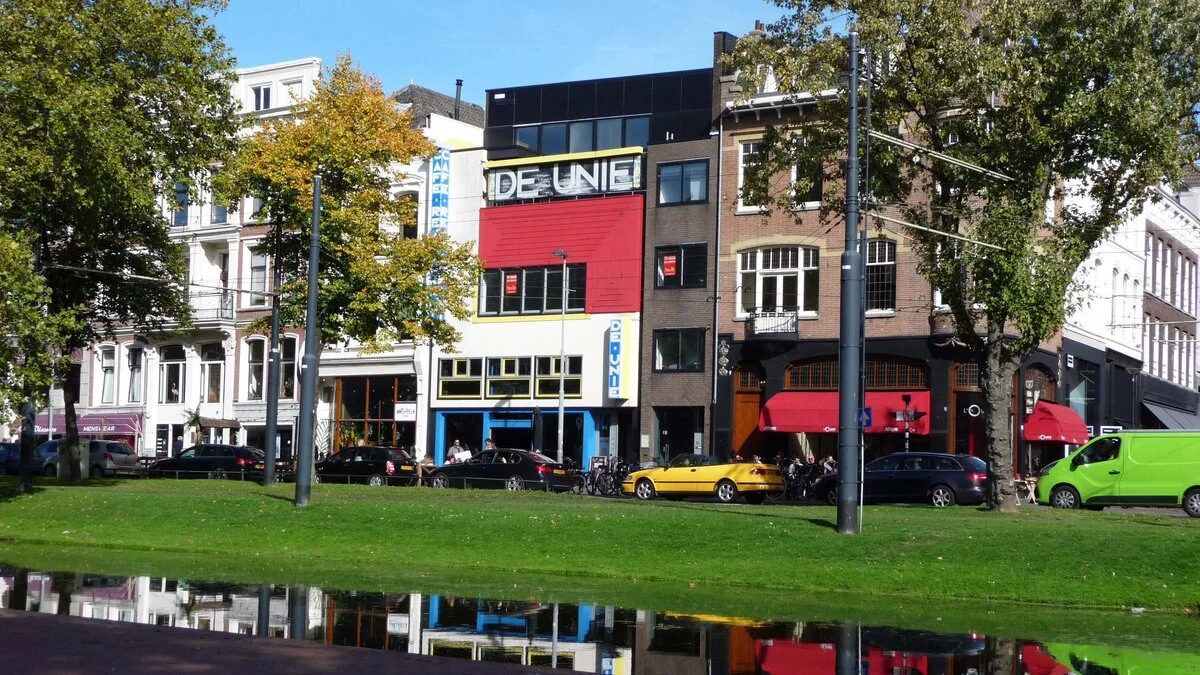
Café de Unie by J.J.P. Oud (1925)
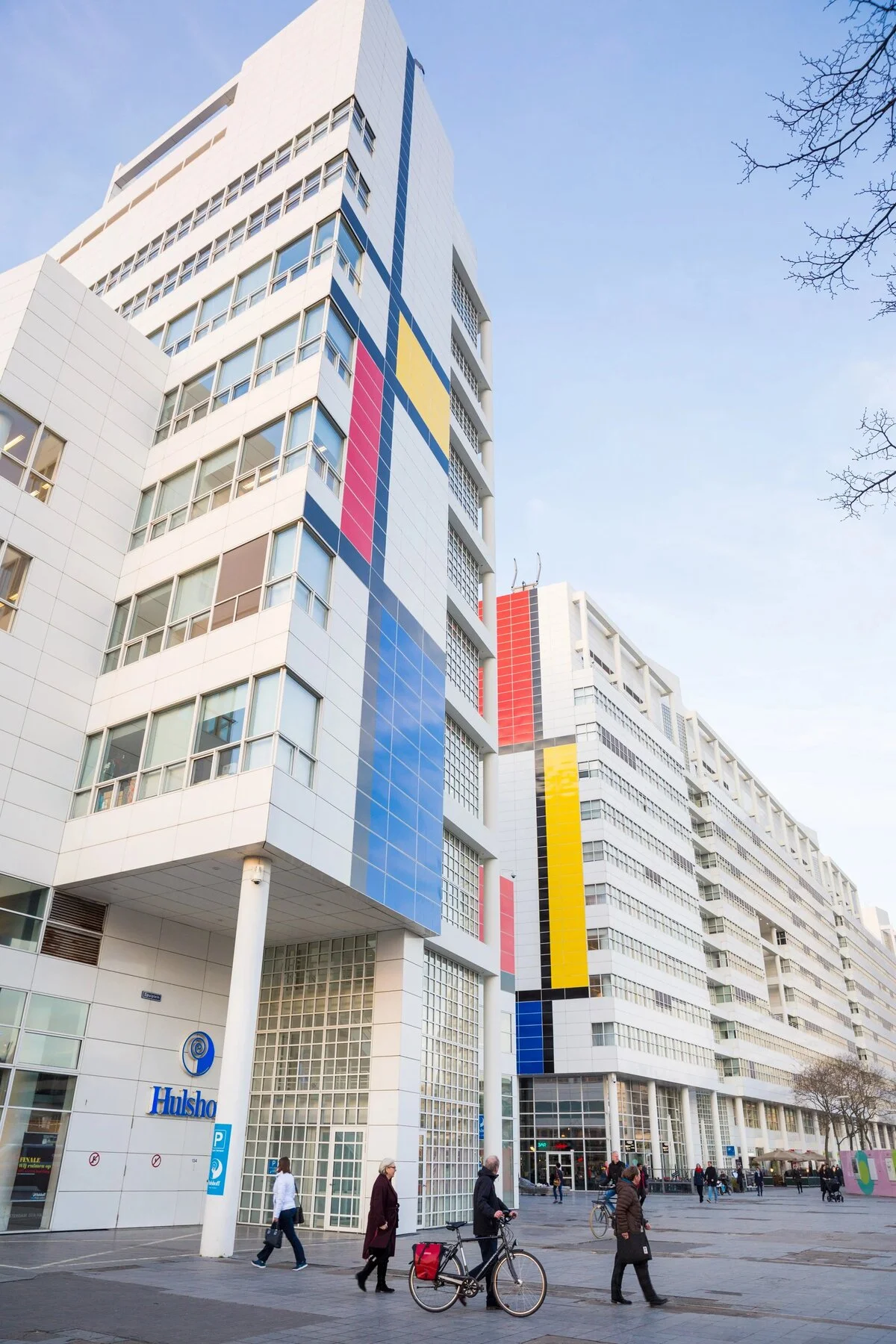
The Café de Unie in Rotterdam, designed by architect J.J.P. Oud, exemplifies De Stijl’s impact on publieke architectuur and its extension beyond fine art. The café’s facade is a striking display of De Stijl’s aesthetic, featuring rectangular blocks in primary colors and an asymmetrical layout that creates visual interest. The bold, abstract design was a departure from traditional architecture, demonstrating how De Stijl’s ideals could be applied to everyday buildings and contribute to a modern urban landscape. By incorporating these elements, Oud brought De Stijl’s vision to a functional public space, making the movement’s aesthetic accessible to the community.
Café de Unie diende als een levendige uitspraak over het potentieel van architectuur om te weerspiegelen moderne idealen and shape the environment in which people live. Though the original building was destroyed in World War II, its design was so iconic that it was later reconstructed, highlighting its lasting impact on Dutch urban design. By blending artistieke abstractie met architecturale functie, Café de Unie represents the De Stijl philosophy of integrating art into everyday life. This building remains a celebrated example of how De Stijl influenced not only the design of objects and private spaces but also public architecture, bridging art and community through modern design principles.
Verval en Nalatenschap
Verval en Overgang
The De Stijl movement began to decline in the late 1920s, largely due to interne meningsverschillen between Piet Mondrian and Theo van Doesburg, who held opposing views on the use of diagonaallijnen. Mondrian betoogde dat alleen verticale en horizontale lijnen could express the pure balance and harmony that De Stijl aimed for, while Van Doesburg believed that diagonal lines introduced a necessary element of dynamische spanning. This rift, coupled with the rise of new art movements like Surrealism and Abstract Expressionism, which emphasized emotion and spontaneity, made De Stijl’s principles appear rigide en beperkend in vergelijking, bijdragend aan de geleidelijke ontbinding van de beweging.
Despite its end as a formal movement, De Stijl’s invloed bleef bestaan, met name via de International Style in architecture and modernist design. Its fundamentele principes of simplicity, geometric form, and unity continue to shape contemporary architecture, industrial design, and graphic arts. The movement’s emphasis on universele harmonie and minimalism has inspired generations of architects, designers, and artists, making De Stijl one of the most enduring influences on hedendaagse esthetiek.
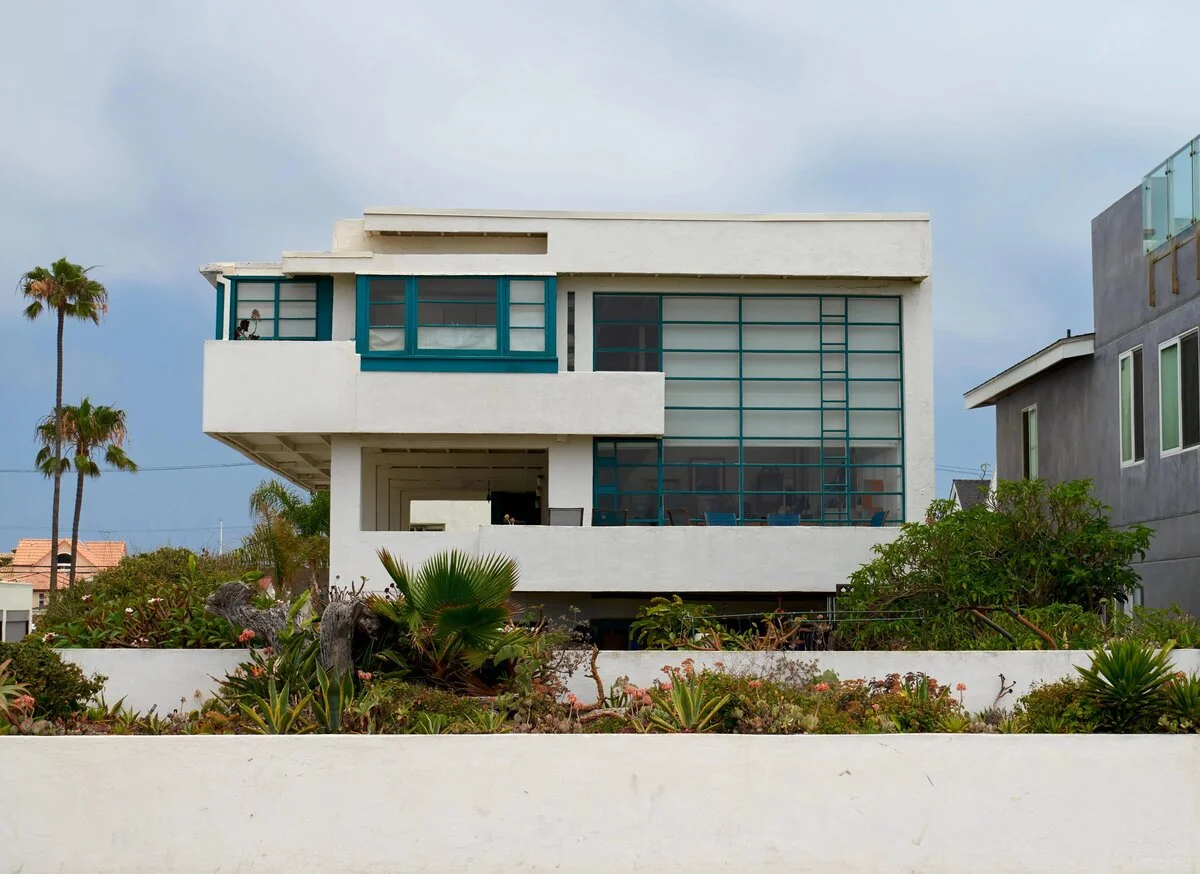
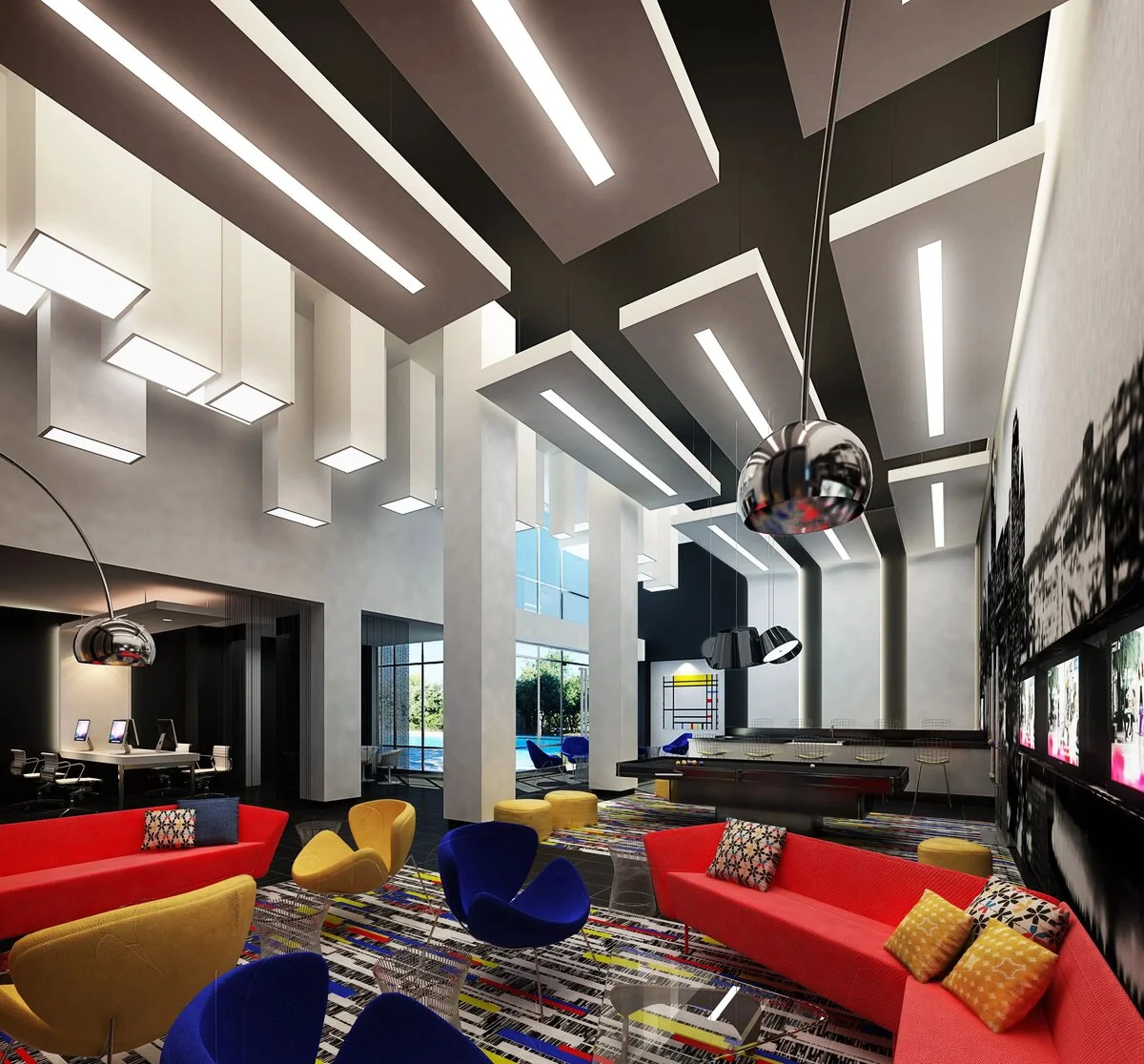
As De Stijl’s formal movement declined, its ideals continued to evolueren en inspireren across different creative fields, adapting to the changing aesthetics and needs of the 20th century. Architects and designers in the Bauhaus School integrated De Stijl's emphasis on modularity and functionality, establishing a legacy that impacted modernist architecture on a global scale. Even in urban planning and furniture design, the De Stijl focus on schone lijnen and structurele helderheid informed the minimalist styles that gained prominence mid-century. The movement’s legacy can be seen in today’s fascination with minimalistische interieurs and modulaire ontwerpen, underscoring how De Stijl’s pursuit of order and simplicity in art and life has remained relevant across generations, continuously shaping how we perceive and design our environments.
Invloed op Hedendaags Digitaal en Grafisch Ontwerp
In the digital age, De Stijl’s principles of simplicity, geometrische orde, en functioneel minimalisme have found new life in contemporary graphic and web design. The movement’s influence is evident in user interface (UI) and user experience (UX) design, where clarity, structure, and efficient navigation are paramount. Following De Stijl’s emphasis on grids and geometric forms, digital designers use grids to organize content visually and enhance user accessibility. This structured approach aligns with De Stijl’s commitment to clarity and balance, helping create intuitive digital environments that reflect its design philosophy.
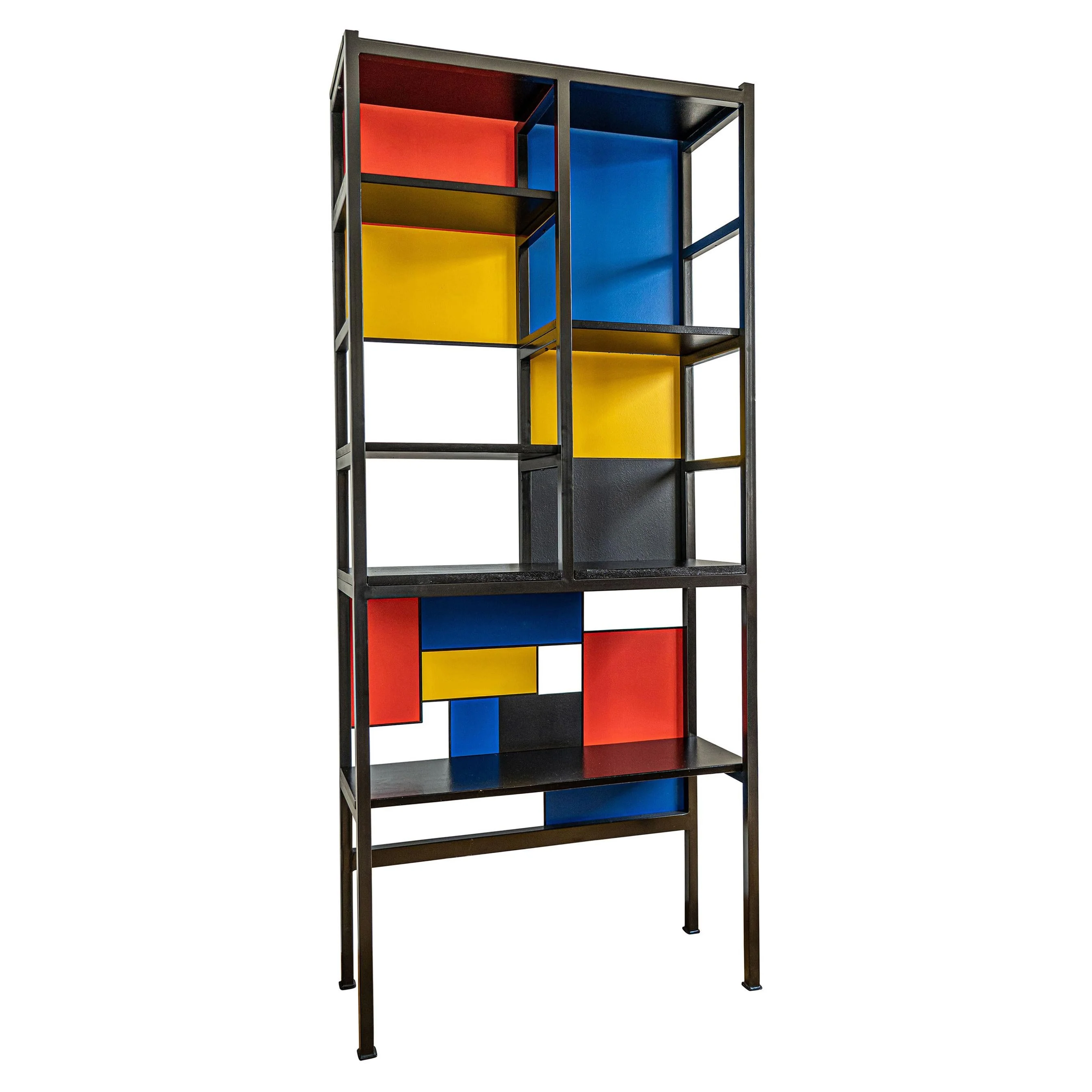
Color-blocking, another hallmark of De Stijl, is frequently used in branding, webindelingen en advertenties, employing bold colors and straight lines to create visually engaging yet minimalistic compositions. The movement’s limited color palette of primary colors, combined with a focus on simple shapes, continues to inspire minimalist logo design and branding in the corporate world. For instance, tech companies often adopt these elements to establish an aesthetic of clarity, reliability, and innovation—values that De Stijl aimed to express through its universal forms. The widespread adoption of sans-serif lettertypen and minimalist iconography in contemporary design further reflects De Stijl’s vision of unadorned, accessible visual communication.
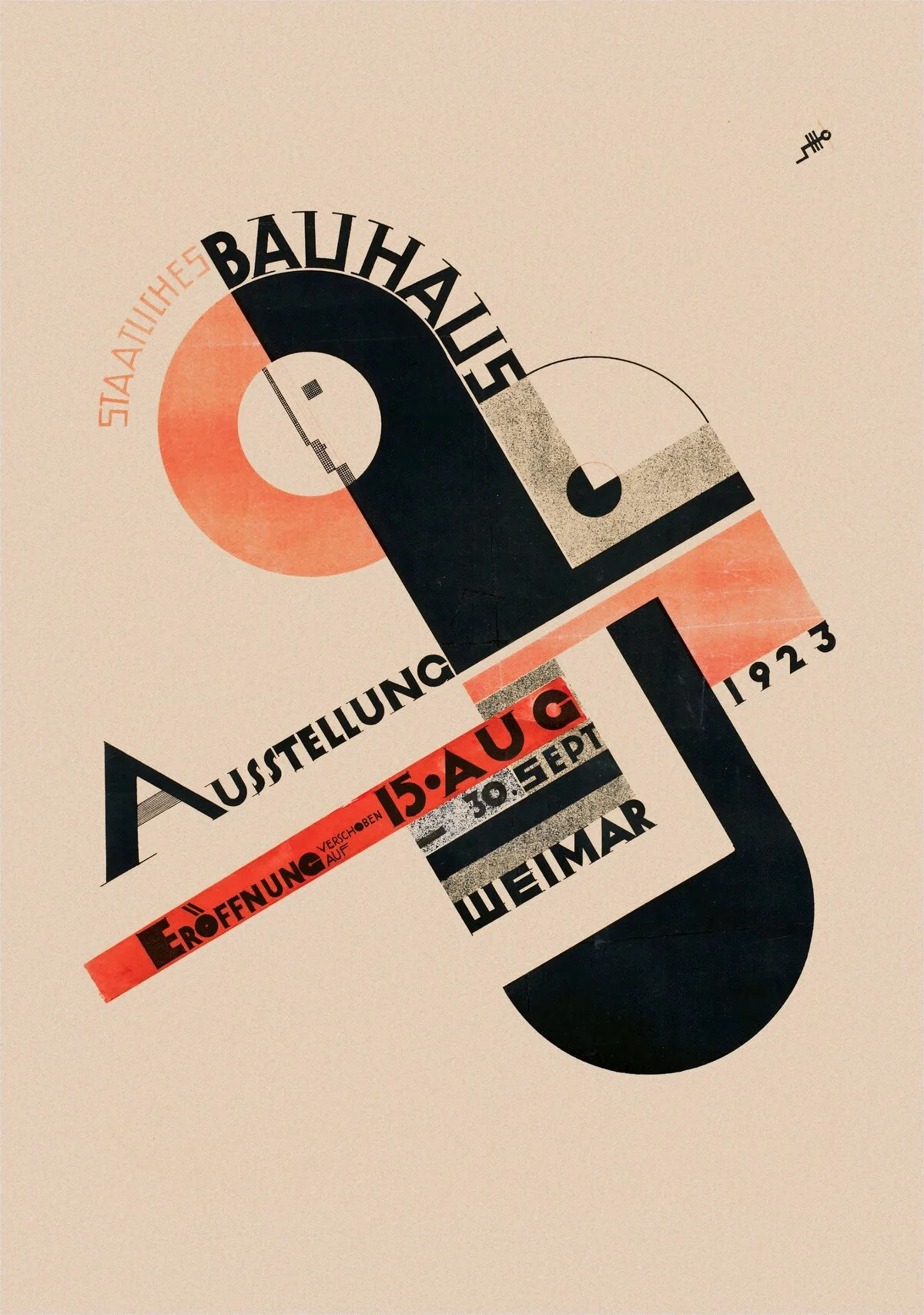
As designers adapt to smaller, more mobile screens, De Stijl’s principles offer a practical foundation for creating digital spaces that are both esthetisch aangenaam and functionally effective. The movement’s influence also permeates graphic design trends in digital publications, advertisements, and social media layouts, where structured layouts and bold color fields make information easy to digest. Today, De Stijl’s legacy lives on as digital designers continue to draw from its principles, merging form and function in a way that remains both relevant and impactful in our digital-first world.
Visuele Voorbeelden
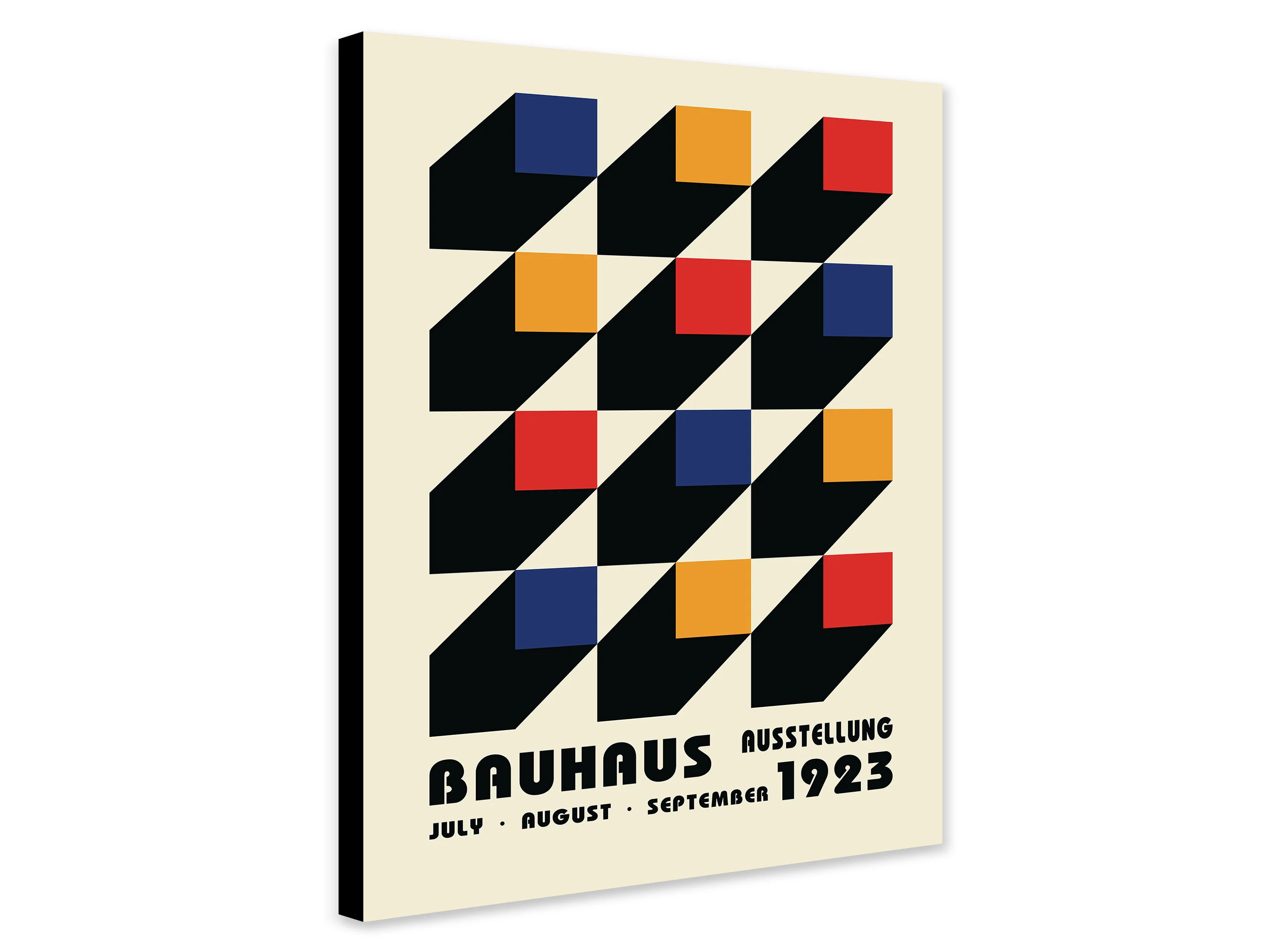

Conclusion: De Stijl’s legacy endures as a cornerstone of modernist aesthetics, influencing art, architecture, and design with its ideals of harmony, simplicity, and abstraction. Though the movement formally ended in 1931, its impact extended globally, shaping modern architecture and interior design. The movement’s commitment to creating universal order through minimalism and functionality continues to inspire, evident in the clean lines and functional forms of contemporary design. By stripping away the superfluous and embracing purity of form, De Stijl established principles that transformed how we understand visual order, proving that simplicity can evoke profound beauty and universal appeal.
What are the defining principles of De Stijl?

De Stijl emphasized simplicity, harmony, and universal order through abstract geometric forms and primary colors. Artists sought to strip art of excess, focusing on straight lines, rectangles, and pure hues like red, blue, and yellow, paired with black, white, and gray to create balanced compositions.
How did De Stijl influence architecture and design?
De Stijl’s principles extended to architecture and design by promoting clean, functional spaces with geometric layouts and a limited color palette. Iconic examples like Gerrit Rietveld’s Schröder House embody these ideas, blending form and function into harmonious environments that reflected the movement’s ideals.
Why is De Stijl still relevant today?
De Stijl remains influential for its emphasis on minimalism and the balance between form and function. Its clean lines and geometric designs resonate in modern architecture, graphic design, and furniture, inspiring contemporary movements like modernism and minimalism to embrace simplicity and clarity.

Sofiya Valcheva
Copywritter
When I’m writing, I’m in my zone, focused, creative, and pouring my heart into every word. When I’m not, I’m probably dancing around, lost in my favorite music, or chasing inspiration wherever it may lead!