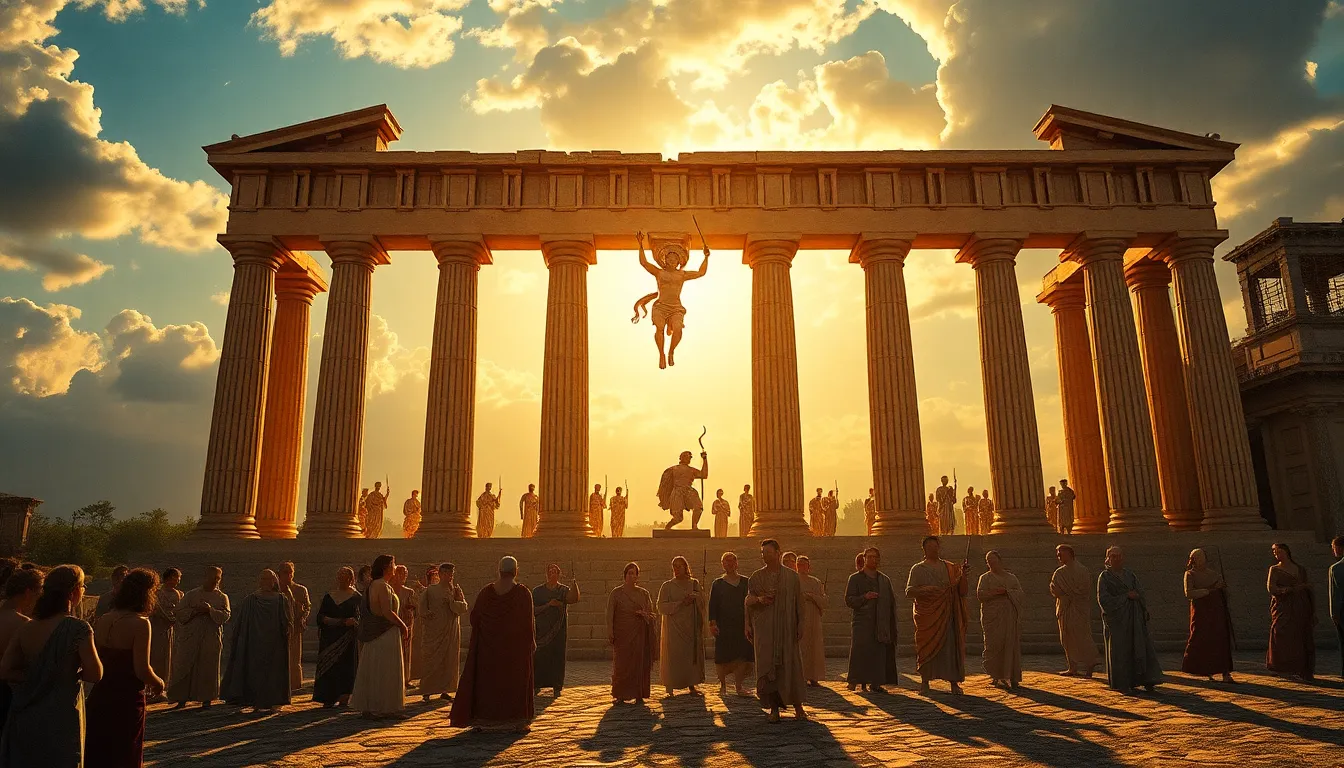
.webp)
Vienna School of Fantastic Realism combined academic painting with surrealist imagination, resulting in highly detailed works that explored mystical and metaphysical ideas. The movement responded to a fractured post-war society by addressing existential questions through visionary imagery and allegory.
Os artistas da escola foram profundamente influenciados pela cultura vienense, pela psicanálise e pela exploração espiritual. Utilizavam técnicas dos Velhos Mestres para criar mundos vívidos e alucinatórios que refletiam a complexidade da experiência humana e a tensão entre realidade e imaginação.

Origens e Evolução
The Vienna School of Fantastic Realism arose as a reaction to the horrors of World War II, offering a means of psychological and spiritual reflection. The movement’s commitment to precision and allegory set it apart as a distinct branch of surrealism.
Fundamentos Iniciais
The Vienna School of Fantastic Realism emerged in the 1940s with a focus on integrating classical techniques with surreal and symbolic imagery. Founding artists like Ernst Fuchs, Rudolf Hausner, and Arik Brauer honed their skills at the Vienna Academy of Fine Arts, drawing on Renaissance and Baroque traditions. This foundation in technical mastery allowed them to craft detailed, visionary works that explored themes of spirituality, transformation, and the subconscious. Ernst Fuchs’s pieces, for instance, often featured biblical allegories entwined with vibrant, psychedelic visions, setting the tone for the movement’s distinctive aesthetic.
"The Vienna School transformed painting into a dialogue between the visible and the invisible." – Ernst Fuchs
These early works not only reflected the individual artists’ fascination with universal myths and archetypes but also responded to the trauma of World War II. Through their intricate compositions, the artists delved into questions of human resilience and spiritual renewal. Their dedication to symbolic depth and historical techniques connected them to a lineage of Old Masters, while their surreal subject matter placed them firmly in the realm of modernity, making their art both timeless and timely.

Reconhecimento Internacional
Na década de 1950, a Escola de Viena do Realismo Fantástico ganhou reconhecimento internacional, com exposições por toda a Europa e Estados Unidos exibindo suas obras. O simbolismo intricado e a genialidade técnica do movimento atraíram plateias fascinadas por sua combinação de precisão dos Velhos Mestres e imaginação surrealista. Rudolf Hausner’s Adam series, celebrated for its psychological depth and allegorical richness, became a standout example of the movement’s impact on global art discourse.
This global exposure highlighted the movement’s unique ability to connect historical traditions with contemporary concerns. Artists from the school were often lauded for bridging the gap between the precision of classical art and the conceptual depth of modern surrealism. Their works inspired new generations of artists worldwide, ensuring the Vienna School of Fantastic Realism maintained its influence beyond its European origins, becoming a key force in the evolution of visionary art.
.webp)
Conceito Estético
The movement's aesthetic revolves around technical mastery, surreal imagery, and symbolic storytelling. It emphasizes a fusion of realism and fantastical imagination to explore profound psychological and spiritual themes.
Precisão e Simbolismo
The Vienna School of Fantastic Realism’s hallmark precision was rooted in classical training and a reverence for historical techniques. Rudolf Hausner’s Adão e Eva series is a testament to this meticulous approach, where each brushstroke contributed to narratives layered with psychological and mythological depth. These works were not just visually arresting; they demanded intellectual engagement, urging viewers to decode their intricate symbols. This marriage of technical mastery and rich storytelling exemplified the movement’s ambition to transcend mere aesthetics.
"Através da precisão e da imaginação, revelamos as verdades profundas ocultas no cotidiano." – Rudolf Hausner
The use of symbolism was equally profound, with biblical and mythological motifs reinterpreted through surreal and modern lenses. Ernst Fuchs, for example, often juxtaposed sacred themes with otherworldly imagery, reflecting a search for spiritual truths amidst contemporary existential questions. This approach created works that resonated universally while retaining deeply personal significance, offering a visual dialogue between the viewer and the artist’s inner world.
.webp)
Imaginação Surreal
Surrealism played a central role in the Vienna School’s creative vision, transforming classical realism into dreamlike fantasies. Ernst Fuchs’s paintings frequently featured vivid, otherworldly figures and fantastical landscapes that blended intricate details with a luminous color palette. These compositions acted as gateways to the subconscious, drawing on Freudian and Jungian theories to explore universal archetypes and hidden desires.
"Fantastic Realism bridges the chasm between dreams and reality, offering a mirror to the soul." – Arik Brauer
This surreal imagination was not limited to visual allure; it served as a means of introspection and philosophical inquiry. Rudolf Hausner’s works often depicted metaphysical realms where time and space seemed fluid, challenging viewers to engage with deeper existential questions. By merging realism with the fantastical, the artists of the Vienna School created a unique artistic language that offered both a reflection of the external world and a profound journey into the psyche.

Temas e Motivos
O movimento explorou temas existenciais, espirituais e psicológicos, muitas vezes por meio de alegorias e motivos surrealistas. Essa exploração conectou o tangível ao etéreo, convidando os espectadores a navegar entre realidade e imaginação.
Exploração Espiritual
The Vienna School of Fantastic Realism delved deeply into spiritual themes, drawing on religious, mystical, and esoteric traditions. Ernst Fuchs’s works often reinterpreted biblical narratives, infusing them with vivid, otherworldly imagery that invited contemplation of the divine and the surreal. This approach transformed familiar spiritual symbols into transcendent visions, bridging the sacred and the imaginative. The movement's emphasis on spirituality resonated with a post-war audience seeking meaning in a fractured world, offering a sense of solace and cosmic wonder through their art.
"Nossa arte vai além da estética, buscando descobrir o espiritual e o eterno nos momentos efêmeros da vida." – Wolfgang Hutter
These spiritual explorations were not confined to overt religious themes but also extended to universal concepts such as creation, transformation, and the eternal. Works often blended mythological and allegorical elements, creating layered narratives that transcended specific faiths or traditions. The meticulous detail and radiant colors used by these artists elevated their works into immersive spiritual experiences, drawing viewers into a meditative dialogue about the mysteries of existence and humanity's place within the cosmos.
.webp)
Profundidade Psicológica
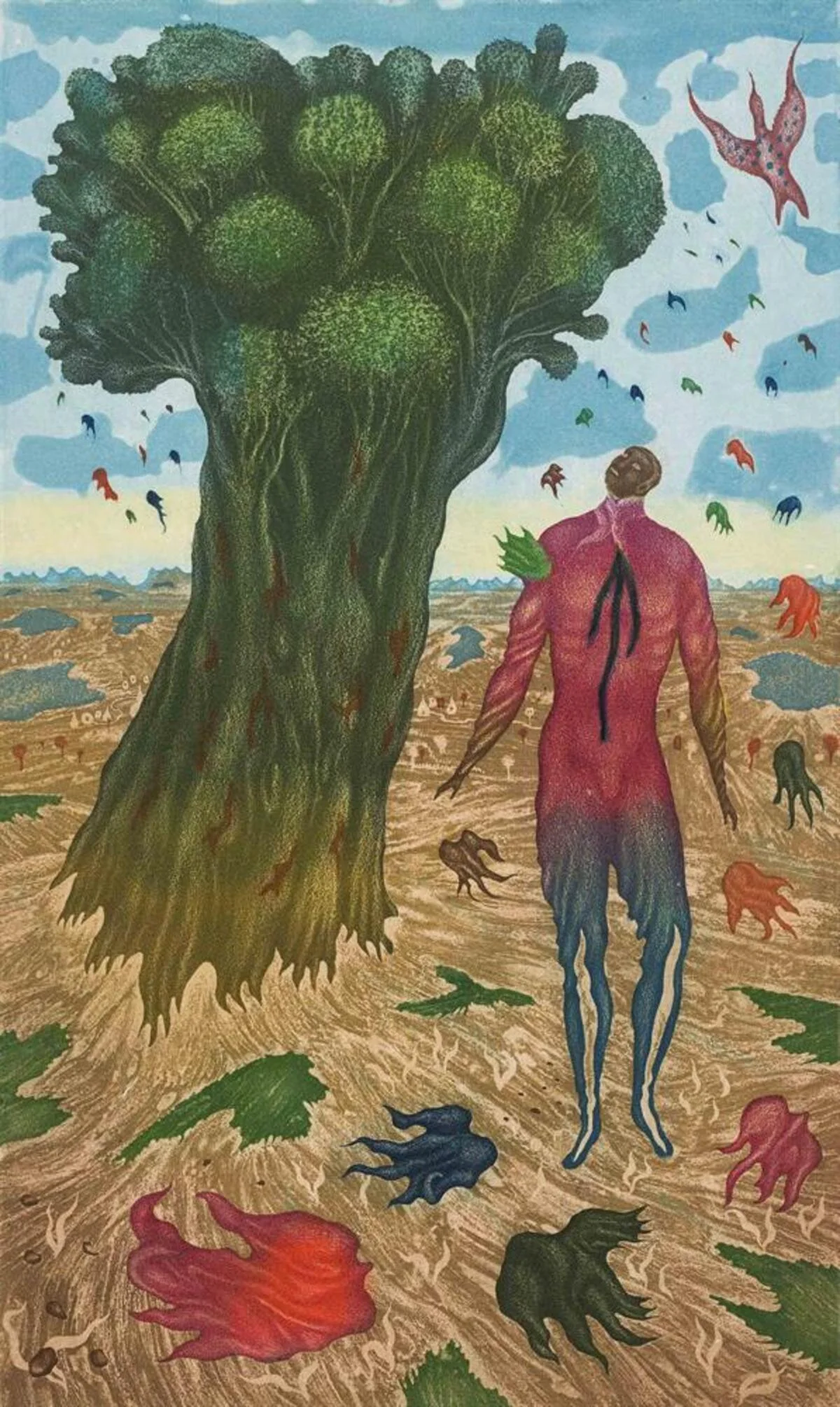
Deeply informed by psychoanalytic theories, the Vienna School of Fantastic Realism explored the subconscious and the complexities of the human psyche. Rudolf Hausner’s haunting depictions of Adam served as an allegory for humanity's existential search for self-awareness and identity. His dreamlike compositions confronted the fractured self, portraying inner conflict and transformation as central to the human experience. This psychological focus added a profound layer of introspection to the movement, inviting viewers to grapple with their own inner worlds.
Os artistas empregavam imagens surreais e simbólicas para aprofundar temas de dualidade, memória e inconsciente. A influência de Freud e Jung é evidente na forma como suas obras visualizam arquétipos e emoções reprimidas, apresentando frequentemente figuras suspensas entre realidade e sonho. Ao trazer esses elementos psicológicos à vida por meio de representações hiperdetalhadas e fantásticas, a Escola de Viena do Realismo Fantástico criou uma arte que não apenas fascinava, mas também provocava profunda reflexão pessoal e envolvimento emocional.
Impacto e Influência
A Escola de Viena do Realismo Fantástico influenciou a arte surrealista e visionária, conectando técnicas clássicas com temas modernos. Sua ênfase em detalhe e imaginação inspirou artistas contemporâneos em diversas mídias.
Influência na Arte Contemporânea
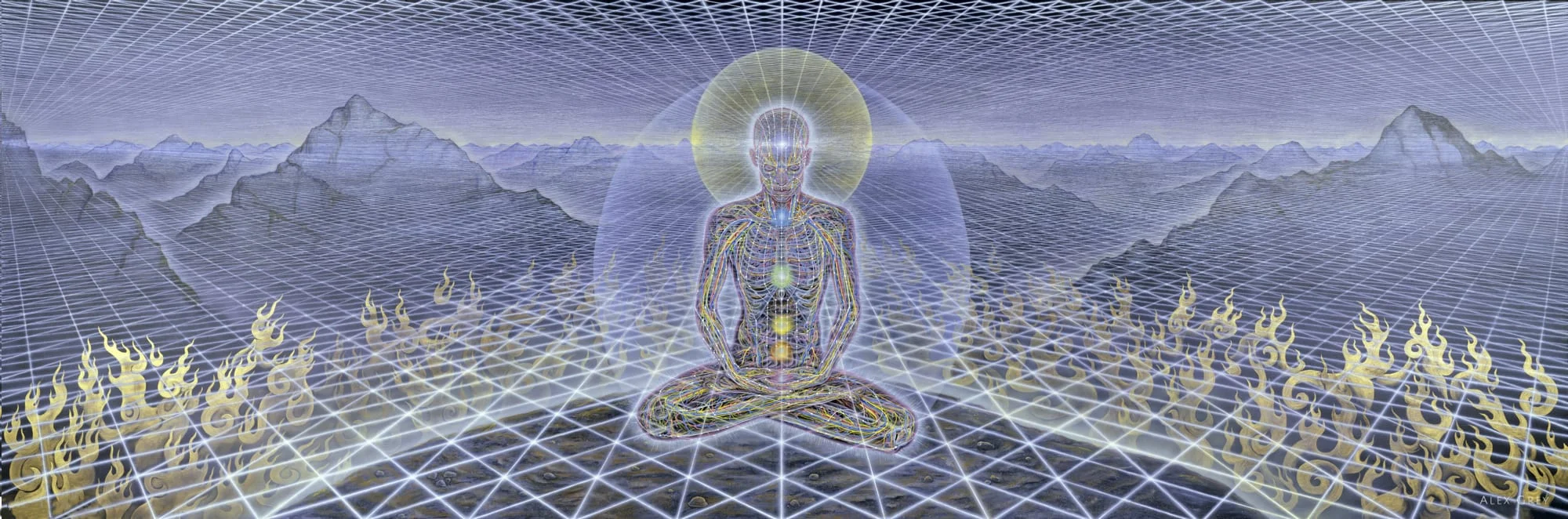
A Escola de Viena do Realismo Fantástico moldou significativamente a arte contemporânea ao unir técnicas clássicas com temas fantásticos e surrealistas. Artistas visionários como Alex Grey e H.R. Giger se inspiraram nas composições detalhadas e simbólicas do movimento, integrando seu ofício meticuloso em seus trabalhos. A influência da escola estendeu-se para além da pintura, inspirando criadores visuais modernos em áreas como arte digital, animação e romances gráficos, onde a fusão do realismo clássico com imagens surrealistas continua a prosperar.
This influence is particularly evident in cinematic and multimedia storytelling. Directors such as Guillermo del Toro have embraced the school’s imaginative approach, incorporating its dreamlike symbolism and intricate designs into their films. The movement’s exploration of the mystical and psychological has also informed game design and virtual reality projects, fostering a new generation of artists who push the boundaries of immersive storytelling while maintaining a connection to traditional artistic roots.
Relevância Duradoura
The Vienna School of Fantastic Realism remains relevant in contemporary art discussions, reflecting the timeless appeal of its detailed and imaginative works. Its commitment to technical excellence combined with symbolic richness offers a blueprint for balancing traditional and innovative artistic practices. Modern galleries and exhibitions dedicated to surreal and visionary art often showcase works directly inspired by the school, underscoring its ongoing impact on art collectors and enthusiasts.
Additionally, the movement’s emphasis on exploring universal themes such as spirituality, transformation, and psychological depth resonates in today’s globalized art world. As audiences continue to seek art that transcends cultural and temporal boundaries, the Vienna School’s fusion of the fantastical with the introspective ensures its lasting legacy. Its enduring appeal highlights the movement’s ability to bridge the gap between classical and contemporary, offering a timeless lens through which to view the complexities of human existence.
%2520(1).webp)
Exemplos representativos
Ernst Fuchs, Triunfo do Unicórnio (1952)
Triunfo do Unicórnio is a masterpiece that epitomizes Ernst Fuchs’s intricate style and thematic depth. The work merges religious iconography with mythical elements, presenting the unicorn as a symbol of purity and transcendence. Fuchs’s meticulous attention to detail is evident in the vibrant interplay of colors and textures, creating a dreamlike yet highly structured composition. The juxtaposition of spiritual and fantastical motifs invites viewers to reflect on the tension between the sacred and the imaginary, making this piece a cornerstone of the Vienna School of Fantastic Realism.
This painting’s layered symbolism extends beyond its visual elements, offering a commentary on the duality of human experience. The unicorn, often associated with innocence, is depicted amidst a complex, almost chaotic backdrop, suggesting the struggle for spiritual enlightenment in a tumultuous world. Fuchs’s technical precision and ability to infuse emotion into intricate details have made Triunfo do Unicórnio a defining work, influencing subsequent artists who seek to balance realism with allegorical storytelling.
.webp)
Rudolf Hausner, Adam (1960)
Rudolf Hausner’s Adam series delves into the psychological depths of human identity and self-awareness. This particular piece portrays Adam not just as a biblical figure but as an archetype of mankind, embodying universal questions of existence and individuality. Hausner’s meticulous brushwork and surrealistic elements create a haunting atmosphere, drawing viewers into a realm where reality and introspection merge. The recurring motifs of mirrors and fragmented forms in the painting symbolize the complexities of self-perception and the search for inner truth.
A intensidade psicológica de Adam reflects Hausner’s fascination with the subconscious, influenced by psychoanalysis and Jungian archetypes. By layering symbolic imagery with hyperrealistic details, the painting transcends its immediate visual impact to provoke deeper contemplation about human nature. Hausner’s work serves as a compelling example of how the Vienna School artists explored the intersection of realism and metaphysical inquiry, enriching the movement’s intellectual and emotional scope.
.webp)
Brauer Arik, Seder Evening (1970s)
Arik Brauer’s Seder Evening exemplifies the Vienna School of Fantastic Realism’s fusion of rich symbolism and technical precision. The painting reimagines the traditional Jewish Passover meal as a surreal and mystical gathering, blending fantastical imagery with cultural and spiritual motifs. Brauer’s use of vibrant, otherworldly colors creates an ethereal atmosphere, emphasizing the interplay between the sacred and the imaginative. The composition features intricate detailing in the figures and table settings, transforming a familiar ritual into a transcendent, dreamlike experience that invites viewers to reflect on themes of tradition, transformation, and spirituality.
Os elementos surrealistas em Seder Evening extend beyond visual aesthetics, engaging deeply with cultural memory and collective identity. The exaggerated expressions of the figures and the symbolic objects on the table evoke a narrative of renewal and liberation, resonating with the broader themes of the Passover story. Brauer’s meticulous brushwork and imaginative interpretation of a cultural ritual embody the Vienna School’s commitment to exploring universal truths through fantastical realism. The painting’s ability to balance historical and mythical dimensions ensures its lasting impact as a hallmark of the movement’s ability to transform the ordinary into the extraordinary.
.webp)
Wolfgang Hutter, Butterfly and Blossom (1965)
Wolfgang Hutter’s Butterfly and Blossom (1965) é um exemplo quintessencial da Escola Vienense do Realismo Fantástico, mesclando o natural e o fantástico em uma composição visualmente cativante. A pintura exibe a maestria de Hutter em detalhes intrincados, com cada pétala e asa renderizada com cuidado meticuloso, criando uma sensação de vivacidade e vida. A borboleta, retratada como delicada e etérea, paira entre flores que parecem florescer para além dos limites da realidade. Essa interação entre o real e o surreal evoca uma qualidade onírica, convidando os espectadores a um mundo onde a natureza transcende suas limitações terrenas.
A obra reflete temas recorrentes de transformação e renovação, centrais à filosofia da Escola Vienense. A borboleta, um símbolo de metamorfose, espelha a exploração do movimento sobre a evolução espiritual e psicológica, enquanto as flores sugerem a beleza fugaz da vida. O uso de cores luminosas e formas fluidas por Hutter realça a atmosfera etérea da pintura, atraindo os espectadores para uma contemplação meditativa da interconexão entre humanidade e natureza. Butterfly and Blossom permanece como um testemunho da capacidade da Escola Vienense de fundir brilhantismo técnico com narrativa simbólica, deixando uma impressão duradoura tanto no olhar quanto na mente.
.webp)
Declínio e Legado
Embora sua proeminência tenha diminuído na década de 1980, a Escola Vienense de Realismo Fantástico continua influente, particularmente na arte fantástica e nas explorações culturais do simbolismo. A capacidade do movimento de combinar domínio técnico com profundidade imaginativa garante sua relevância contínua. Seu legado é celebrado em museus, galerias e por artistas contemporâneos que se inspiram em sua fusão de tradição e surrealismo.
Declínio Durante as Transições Modernas
A Escola Vienense do Realismo Fantástico começou a declinar em proeminência no final do século XX, à medida que as tendências globais da arte se deslocavam para a abstração, o minimalismo e a arte conceitual. O estilo intrincado e representacional do movimento e o foco em temas metafísicos contrastavam com as formas simplificadas e as prioridades conceituais que dominavam a arte moderna na época. Essa divergência fez com que o Realismo Fantástico perdesse seu espaço nos círculos de vanguarda que antes o abraçavam. Além disso, à medida que o otimismo pós-guerra que impulsionou os primeiros anos do movimento diminuía, suas narrativas mitológicas e simbólicas pareciam cada vez mais desalinhadas com um mundo em rápida modernização.
No entanto, o declínio da popularidade não equivalia ao fim de sua influência. Muitos artistas e entusiastas continuaram a valorizar o brilhantismo técnico e a profundidade imaginativa que definiram o movimento. Colecionadores e galerias de nicho desempenharam um papel vital na preservação de seu legado, garantindo que a Escola Vienense do Realismo Fantástico permanecesse acessível a públicos interessados em sua fusão única de realismo e fantasia. O movimento também manteve seu apelo entre certos círculos culturais e regionais, onde seus temas de misticismo e transcendência continuaram a ressoar.
.webp)
Legado Duradouro na Arte Contemporânea
Apesar de sua proeminência diminuída, a Escola Vienense do Realismo Fantástico deixou um legado duradouro que continua a inspirar a arte e o design contemporâneos. O compromisso do movimento com a precisão técnica e sua exploração de temas universais influenciaram a arte fantástica moderna, as tradições surrealistas e até mesmo a ilustração digital. Artistas que trabalham em jogos, cinema e publicação frequentemente citam a Escola Vienense como uma influência fundamental, emprestando seus detalhes intrincados e narrativa simbólica para criar experiências visuais imersivas.
Além disso, o ethos do movimento de mesclar tradição com inovação o tornou um ponto de referência para artistas que buscam equilibrar habilidade técnica com profundidade imaginativa. Museus e retrospectivas em todo o mundo exibem obras da Escola Vienense, apresentando novas gerações à sua rica linguagem visual. Ao unir os reinos do realismo e da fantasia, o movimento continua a oferecer uma estrutura atemporal para explorar ideias complexas através da arte, garantindo sua relevância em um cenário cultural em constante evolução.
%2520(1).webp)
Conclusão: A Escola Vienense do Realismo Fantástico mesclou realismo meticuloso com imaginação surreal, criando uma linguagem visual única que perdura. Embora sua proeminência tenha diminuído, seu legado inspira artistas a explorar as fronteiras entre realidade e fantasia, celebrando o poder transformador da arte.
Visual Examples
.webp)
.webp)
.webp)
O que define a Escola Vienense do Realismo Fantástico?

A Escola Vienense de Realismo Fantástico é definida por sua fusão de técnicas dos Mestres Antigos com imagens surreais e oníricas. Ela enfatiza precisão e simbolismo, explorando temas psicológicos e espirituais através de composições visionárias que mesclam realidade com imaginação.
Quem foram os principais artistas deste movimento?
Os principais artistas da Escola Vienense de Realismo Fantástico incluem Ernst Fuchs, Rudolf Hausner, Arik Brauer, Wolfgang Hutter e Anton Lehmden. Cada um trouxe perspectivas únicas ao movimento, combinando realismo clássico com imaginação surrealista para criar obras profundamente simbólicas.
Como o movimento influenciou a arte moderna?
A Escola Vienense de Realismo Fantástico influenciou profundamente a arte visionária e fantástica, inspirando criadores contemporâneos a combinar técnicas tradicionais com temas surreais. Seu legado se estende ao cinema, literatura e arte digital, onde sua profundidade simbólica continua a ressoar.

Sofiya Valcheva
Redatora Publicitária
Quando estou escrevendo, estou no meu estado ideal, concentrada, criativa e colocando meu coração em cada palavra. Quando não estou, provavelmente estou dançando, perdida na minha música favorita ou perseguindo a inspiração para onde quer que ela me leve!