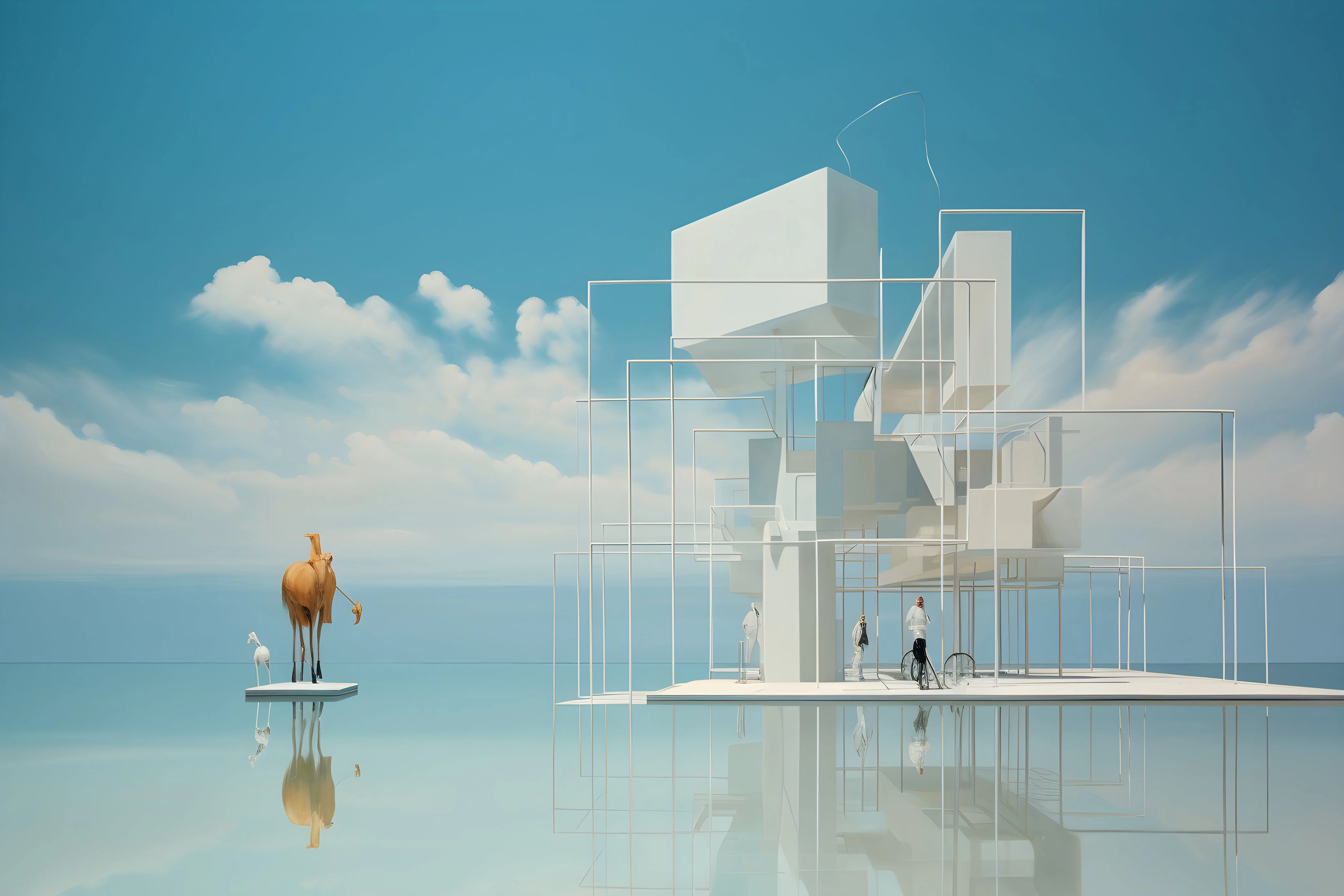
Surrealism emerged as a revolutionary force in the early 20th century, driven by a desire to explore realms of the mind that had been largely ignored in traditional art. Founded in Paris in the 1920s by André Breton, who was inspired by the theories of psychoanalyst Sigmund Freud.
Ao focar em os mistérios dos sonhos e unconscious dos desejos, artistas surrealistas acreditavam que poderiam descobrir verdades ocultas sob a superfície da realidade cotidiana.
Rejeitando as limitações da lógica, os surrealistas abraçaram unconventional techniques to access the depths of the mind, creating artworks that merged fantasy with reality and challenged viewers’ perceptions of the ordinary. The movement was a response to a world shaken by the upheavals of Primeira Guerra Mundial, com os surrealistas buscando escapar os horrores da realidade ao mergulhar no surreal e no absurdo. Por meio de imagens bizarras e justaposições inesperadas, o Surrealismo tornou-se a portal to new dimensions of thought and expression, influencing not only visual art but also literature, film, and culture on a global scale.
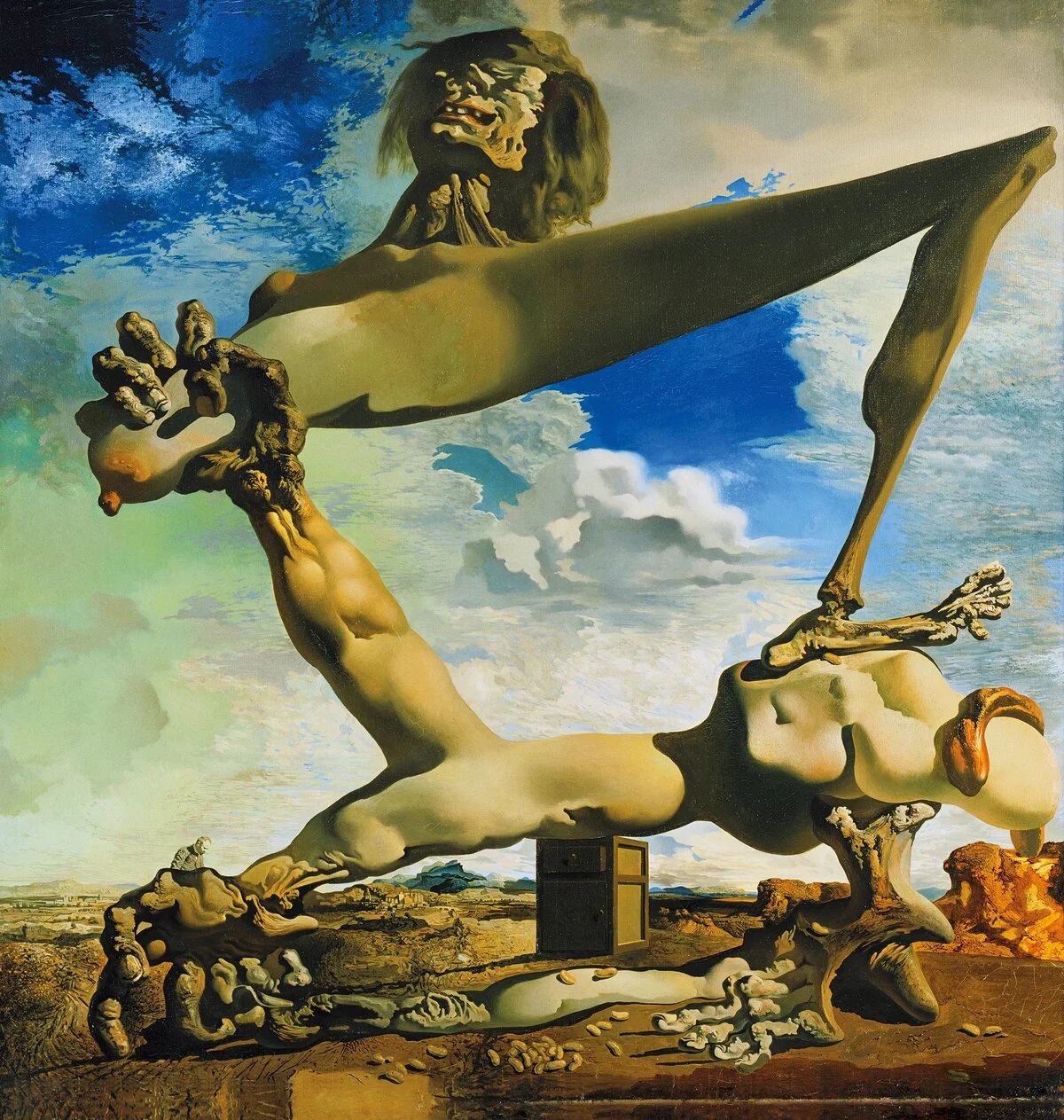
"Surrealism is destructive, but it destroys only what it considers to be shackles limiting our vision." – Salvador Dalí
As a movement, Surrealism aimed to subvert established norms, encouraging artistas a aventurar-se além dos limites do pensamento consciente nos reinos da fantasia e o irracional. Ao acessar o subconsciente, os surrealistas buscaram desmontar as estruturas convencionais que ditavam a expressão artística, permitindo que a imaginação vagueasse livremente e sem filtros. Essa exploração do surreal proporcionou a profound escape from the grim realities of post-war Europe, offering a space where one could examine the depths of human desire, fear, and curiosity. Surrealism’s impact extended well beyond visual art, infiltrating literature, theater, and philosophy, ultimately fostering a cultural environment where creativity was redefined as a pathway to deeper understanding and personal liberation.
Origens e Evolução
Inspiração do Dada e da Psicanálise
Surrealism emerged as an outgrowth of the Dada movement, which desafiou valores tradicionais na arte ao abraçar o nonsense e o absurdo. Insatisfeito com as tendências niilistas do Dada, o escritor francês André Breton published the "Surrealist Manifesto" in 1924, officially establishing Surrealism as a movement dedicated to exploring the mente inconsciente. Ele foi fortemente influenciado por Sigmund Freud theories on psychoanalysis, particularly the concepts of dreams, free association, and the unconscious as a repository for suppressed desires and thoughts.
Breton e seus colegas surrealistas buscaram libertar a criatividade das restrições do racionalismo, empregando técnicas como desenho automático and cadáver exquisito para contornar o controle consciente. Esses métodos permitiram que os artistas acessassem emoções e imagens cruas e sem filtros. A missão central do Surrealismo era revolucionar a experiência humana, derrubando as barreiras entre sonho e realidade e criando arte que questionava societal norms. The movement quickly attracted a following across Europe, reunindo artistas, escritores e cineastas ansiosos por romper os limites do realismo.
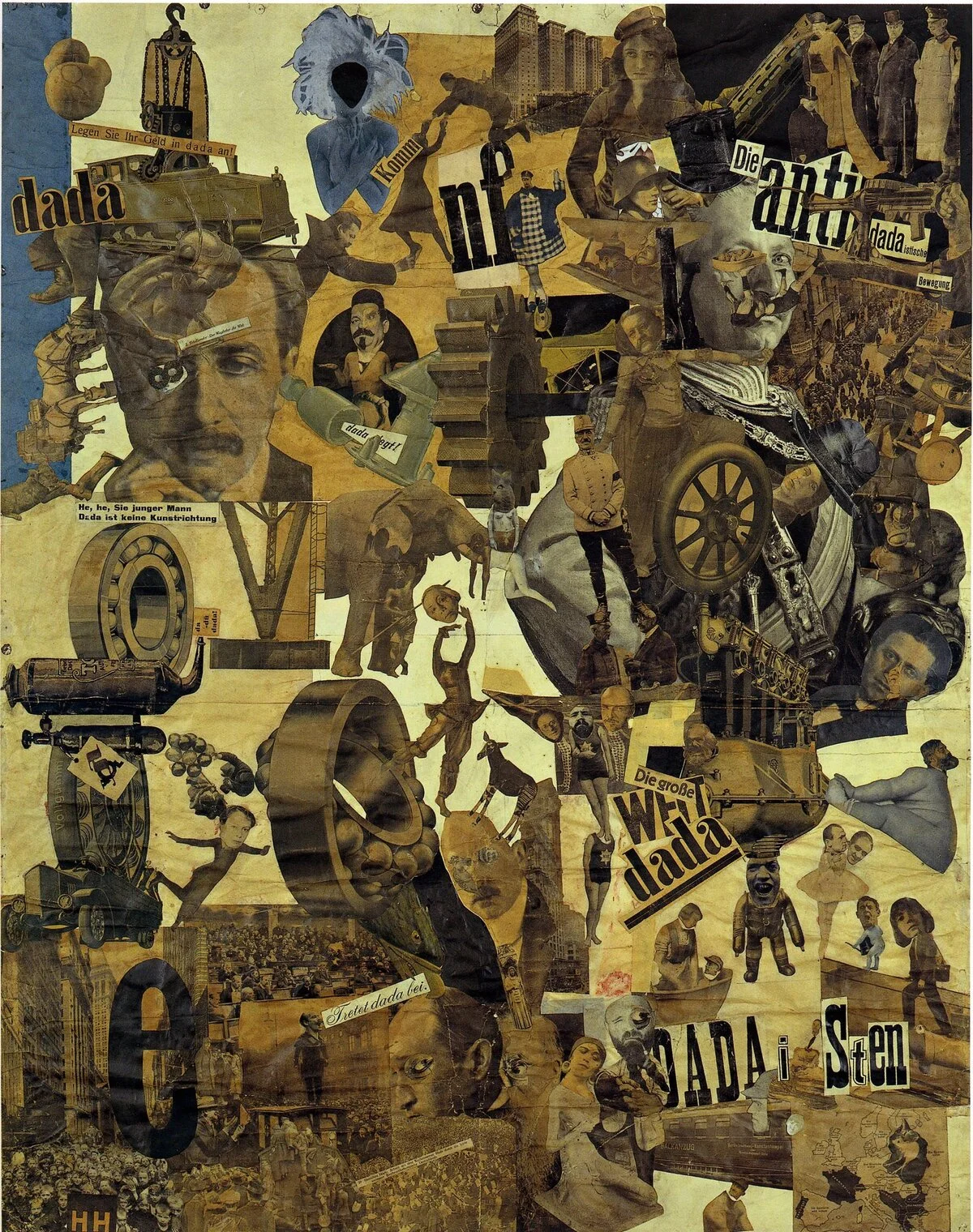
"I believe in the future resolution of these two states, dream and reality, which are seemingly so contradictory, into a kind of absolute reality, a surreality, if one may so speak." – André Breton
As Surrealism spread internationally, evoluiu em diálogo com culturas regionais e cenários políticos. Na década de 1930, o Surrealismo influenciava a arte americana e tornou-se associado a ideias antifascistas e revolucionárias, expressando resistência ao opressão. Essa expansão introduziu novas perspectivas, com os surrealistas adaptando a ênfase do movimento no irracional para explorar temas psicológicos, sociais e culturais mais profundos.
Conceito Estético
Imagens de Sonho e o Inconsciente
O Surrealismo talvez seja mais conhecido pelo uso de imagens de sonho e suas tentativas de acessar o inconsciente. Ao retratar cenas bizarras e oníricas, os surrealistas buscavam to revelar verdades e emoções ocultas. Esse uso de imagens fantásticas permitiu que os artistas retratassem pensamentos e desejos que eram reprimidos ou ocultos sob a superfície. Os objetos frequentemente aparecem distorcidos, e as cenas são preenchidas com justaposições inesperadas e inquietantes, refletindo a ideia de Freud that dreams allow repressed memories and feelings to resurface. This visual style evokes a sense of mystery and wonder, as though inviting the viewer to question the reality they inhabit.
"The mind loves the unknown. It loves images whose meaning is unknown, since the meaning of the mind itself is unknown." – René Magritte
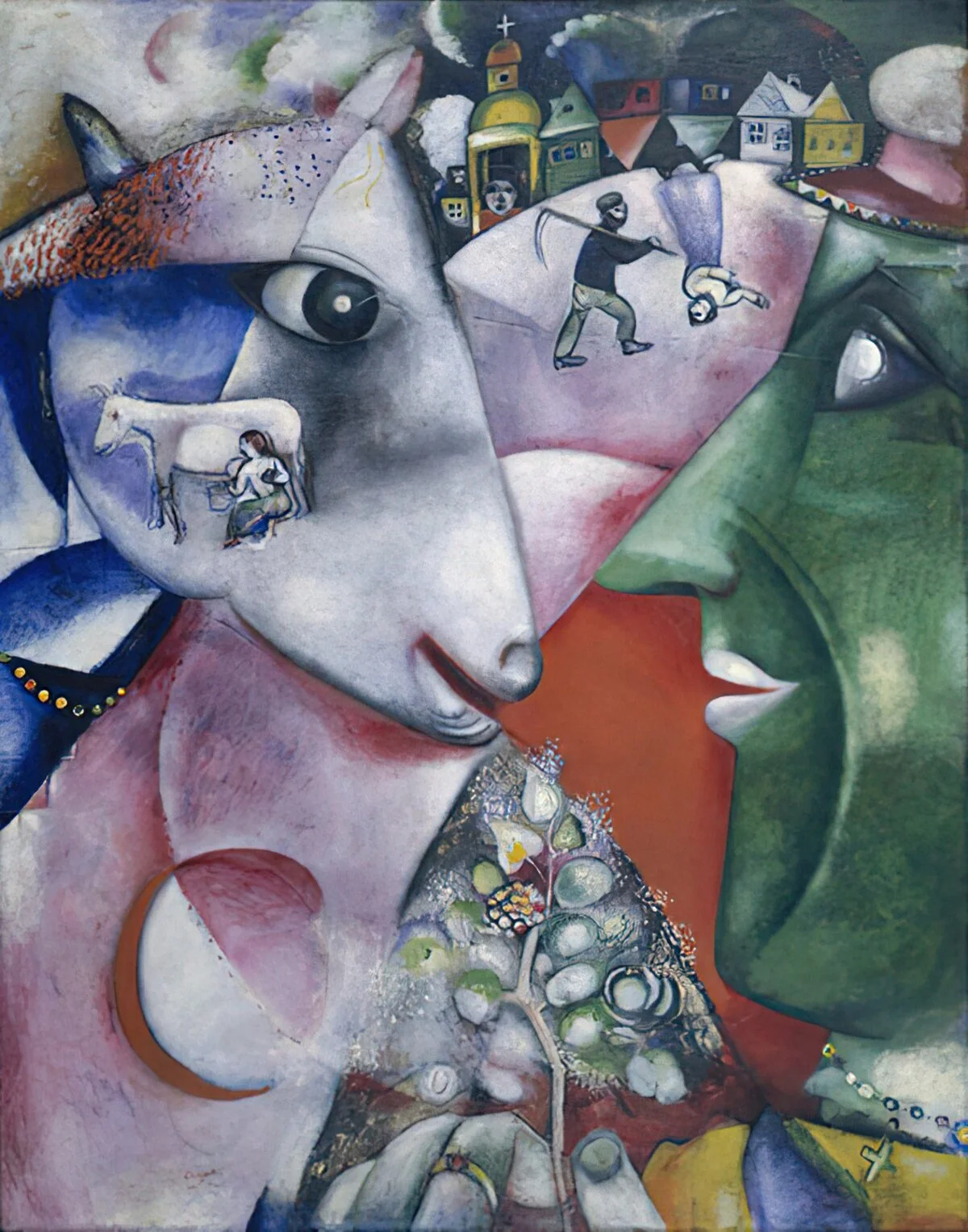
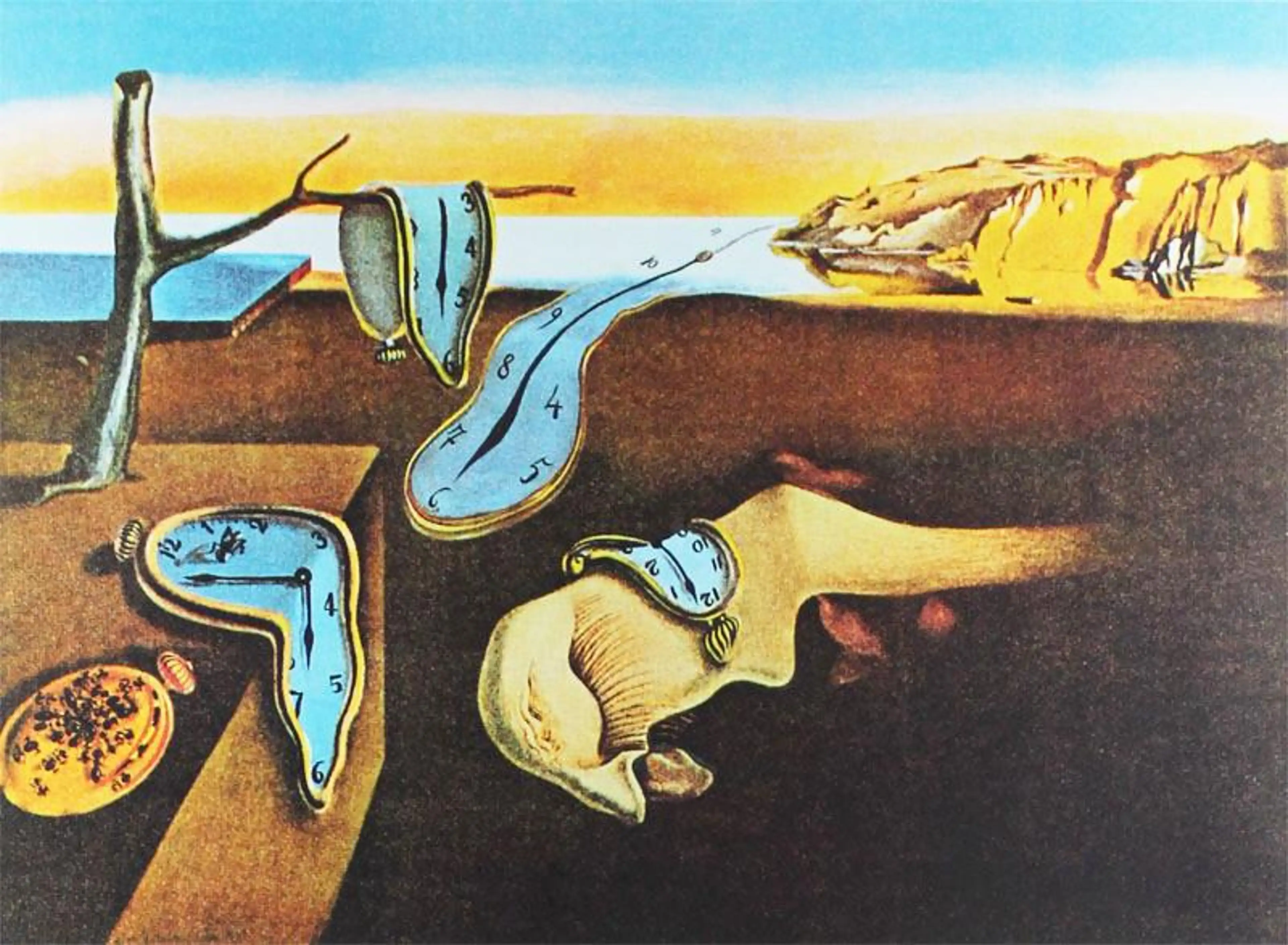
A abordagem do movimento à forma e ao conteúdo era frequentemente influenciada por técnicas "automáticas", onde os artistas deixavam suas mentes vaguear livremente para capturar pensamentos crus e subconscientes sem interferência racional. Essa espontaneidade criou a fluid, illogical quality that captured the irrational nature of dreams. Surrealist compositions are often filled with objetos simbólicos—such as clocks, eyes, and distorted figures—that carry deep psychological meanings, encouraging viewers to interpret the scenes through their own subconscious associations.
Ao capturar a mente subconsciente, o Surrealismo desafiou a ênfase na lógica e na razão que havia dominado a arte e a cultura ocidentais. Sua exploração de sonhos e do irracional introduziu uma nova e radical forma de ver, que valorizava os aspectos místicos e desconhecidos da existência.
Temas e Motivos
Justaposição e o Inesperado
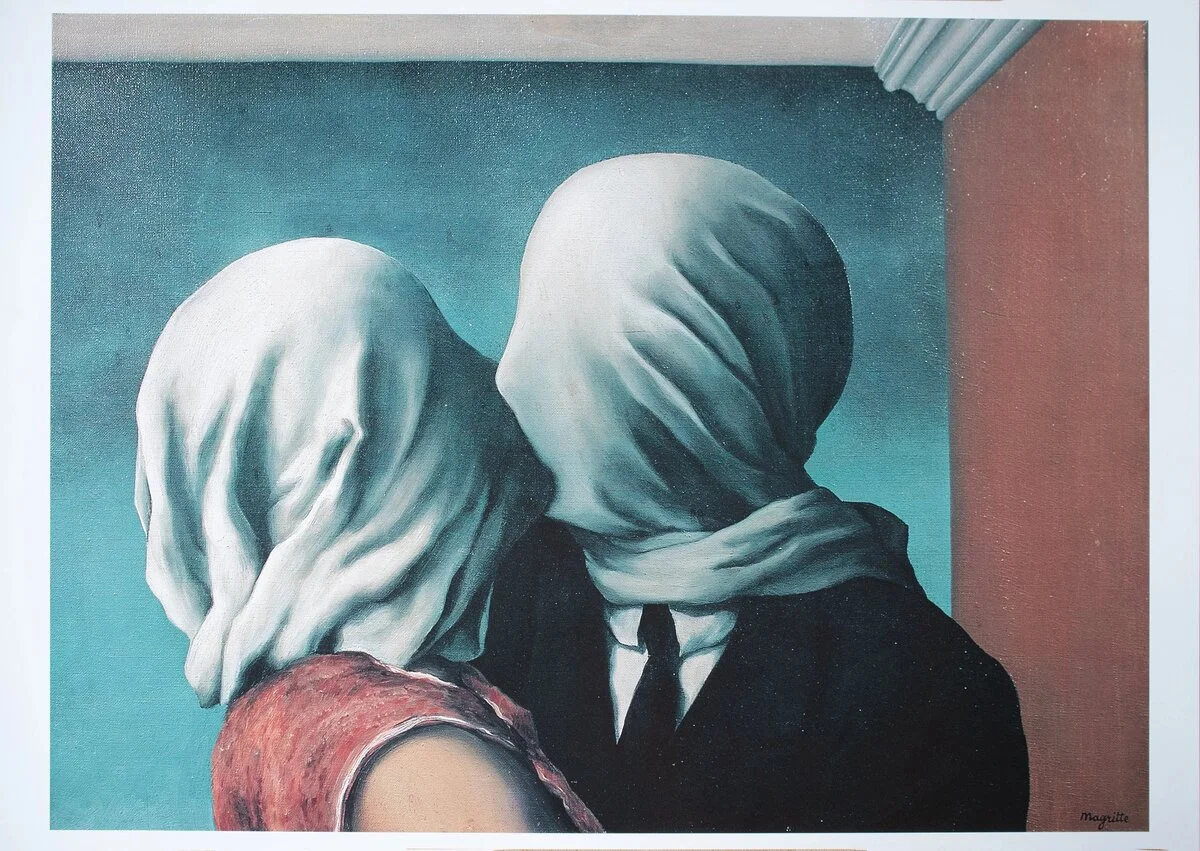
Surrealism is characterized by its use of startling juxtapositions, combining unrelated or incongruous objects and scenes to create a sense of the uncanny. This technique was intended para chocar o espectador e romper suas expectativas, forçando-os a questionar a natureza da realidade. Surrealistas frequentemente colocavam objetos familiares em contextos estranhos ou os alteravam de maneiras bizarras para criar a dreamlike effect. Por meio dessas combinações inesperadas, o Surrealismo explorou como a mente cria sentido e associações. As justaposições do Surrealismo convidam os espectadores a interagir com objetos familiares de maneiras novas e perturbadoras, revelando camadas de significado frequentemente ocultas sob aparências ordinárias. Ao transformar itens mundanos em símbolos do subconsciente, os Surrealistas enfatizaram o poder da imaginação para romper a percepção convencional e evocar respostas emocionais profundas.
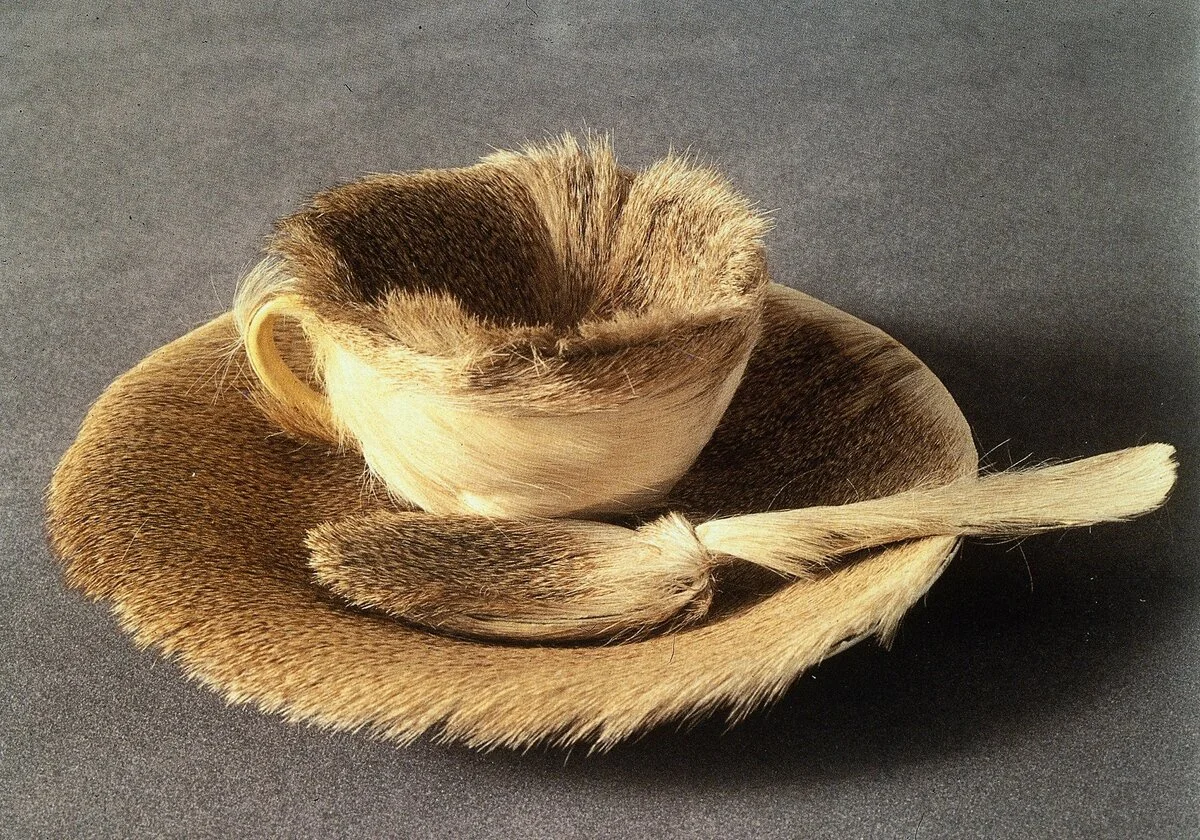
O motivo da justaposição permitiu aos Surrealistas transmitir a complexidade da psique humana e suas emoções contraditórias. Também possibilitou aos artistas para explorar temas sociais e políticos, usando composições estranhas e desconexas para comentar a absurdidade das normas sociais. Esse método incentivou os espectadores a ver o mundo from a different perspective, desafiando-os a interpretar as conexões ocultas entre elementos não relacionados na obra.
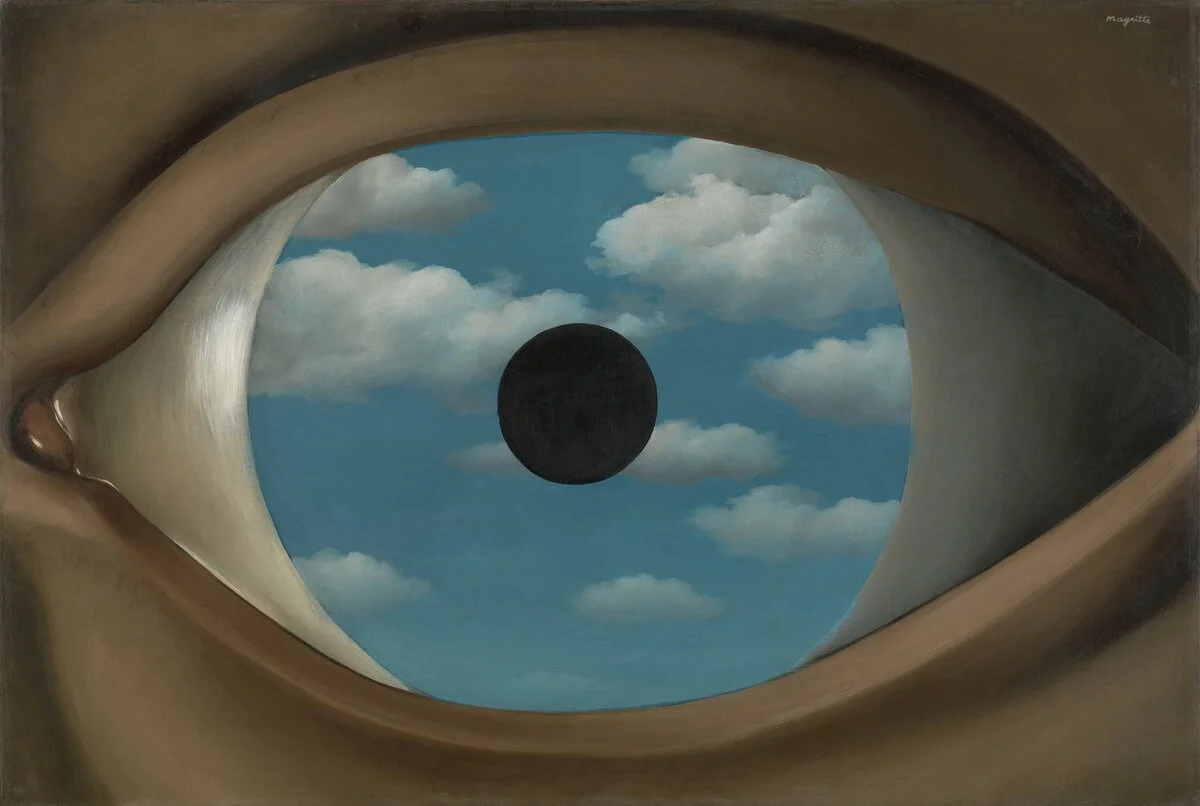
Por meio dessas combinações improváveis, o Surrealismo revelou a natureza irracional e imprevisível do pensamento. Ao unir fantasia e realidade, Surrealists brought viewers into a space where both ordinary and fantastical elements coexist, often in unnerving or whimsical ways. By merging the familiar with the fantastical, Surrealists invited viewers para confrontar as limitações of logic, encouraging a more fluid and imaginative understanding of reality. These juxtapositions created scenes where the ordinary was infused with mystery, revealing that even the most recognizable elements of life could be transformed em símbolos do subconsciente. This blending of realms allowed Surrealism to act as a bridge between everyday experience and the deeper, often hidden layers of thought, challenging the viewer to find new meaning in what might otherwise go unnoticed.
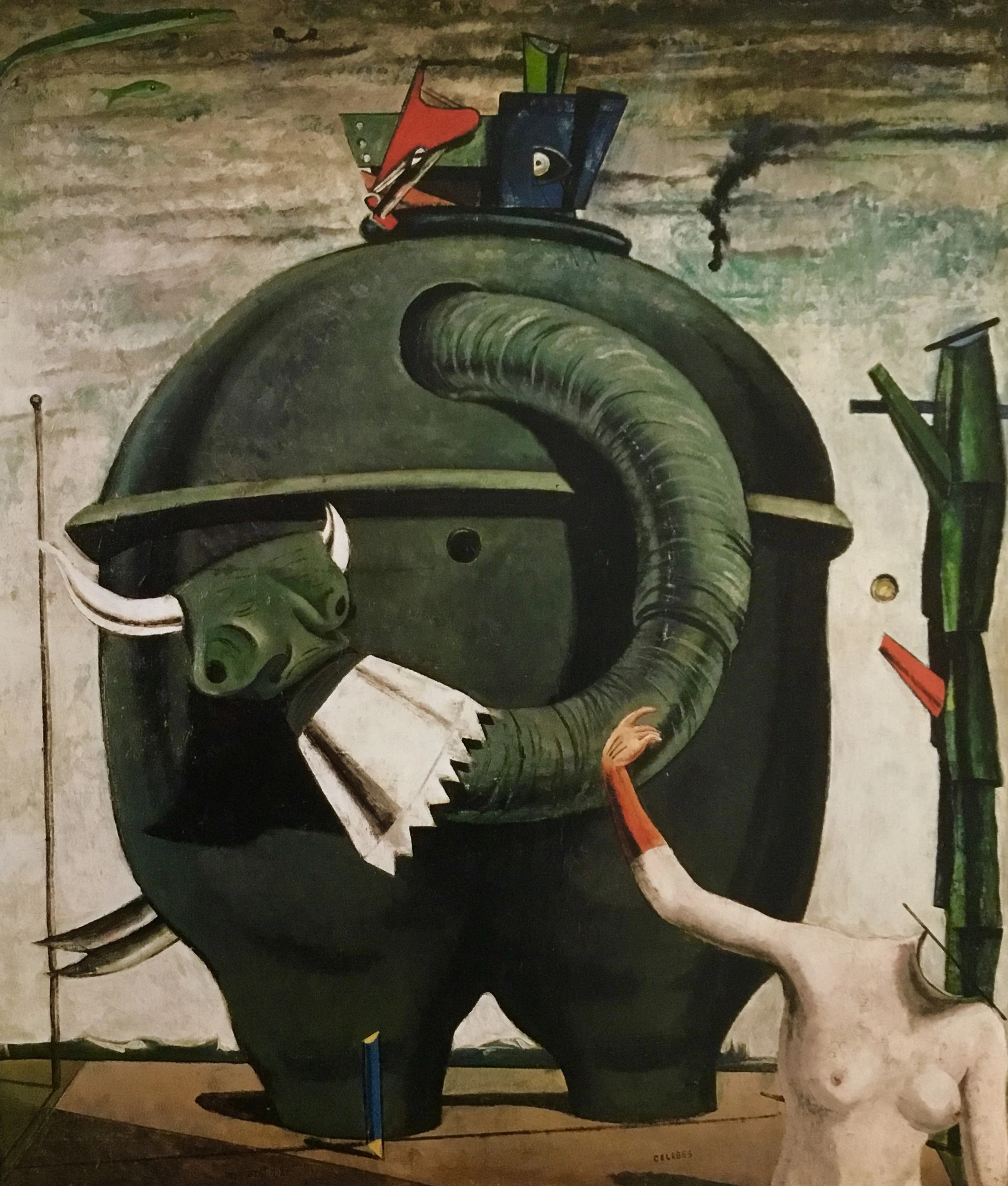
Transformação e Metamorfose
Outro motivo recorrente no Surrealismo é o tema de transformation, onde objetos ou figuras familiares se transformam em formas estranhas, frequentemente irreconhecíveis. Essa transformação reflete a natureza fluida dos sonhos, onde identidades e aparências mudam unpredictably. Metamorphosis was used as a metaphor for change and the hidden layers of identity, encouraging viewers to see beyond surface appearances and into the complex inner worlds of the psyche.
O tema da transformação também permitiu aos artistas explorar ideias psicológicas e filosóficas. By depicting objects in the process of becoming something else, Surrealists conveyed the impermanence of identity and the power of the subconscious to reshape reality. This motif challenged the viewer to confront the fragility of reality and embrace a world where forms and meanings are constantly shifting.
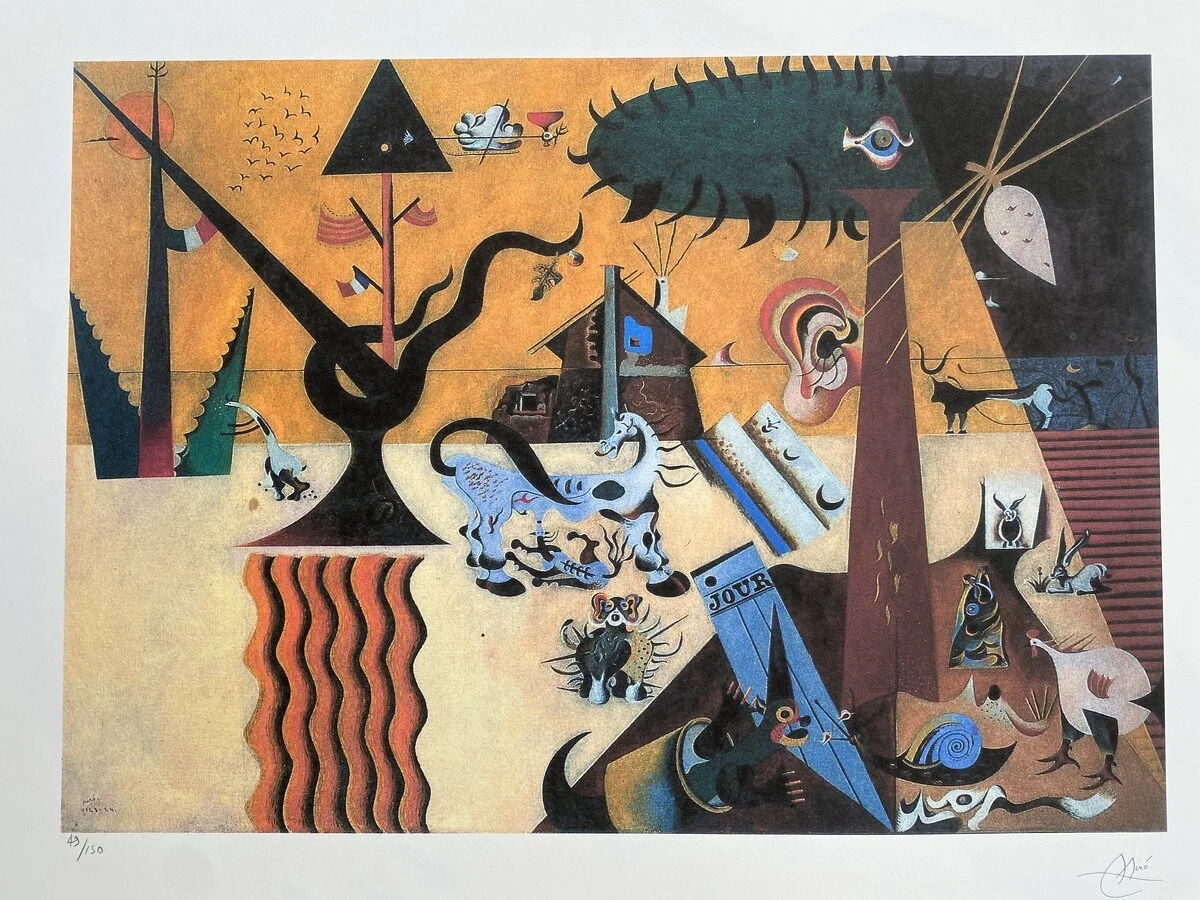
"Everything we see hides another thing; we always want to see what is hidden by what we see." – René Magritte
Por meio da transformação, o Surrealismo sugeriu que tudo na vida está interconectado e sujeito a mudanças. Esse conceito ajudou a derrubar as barreiras entre sujeito e objeto, eu e o outro, e incentivou os espectadores a abraçar a natureza fluida e em constante mudança da percepção.
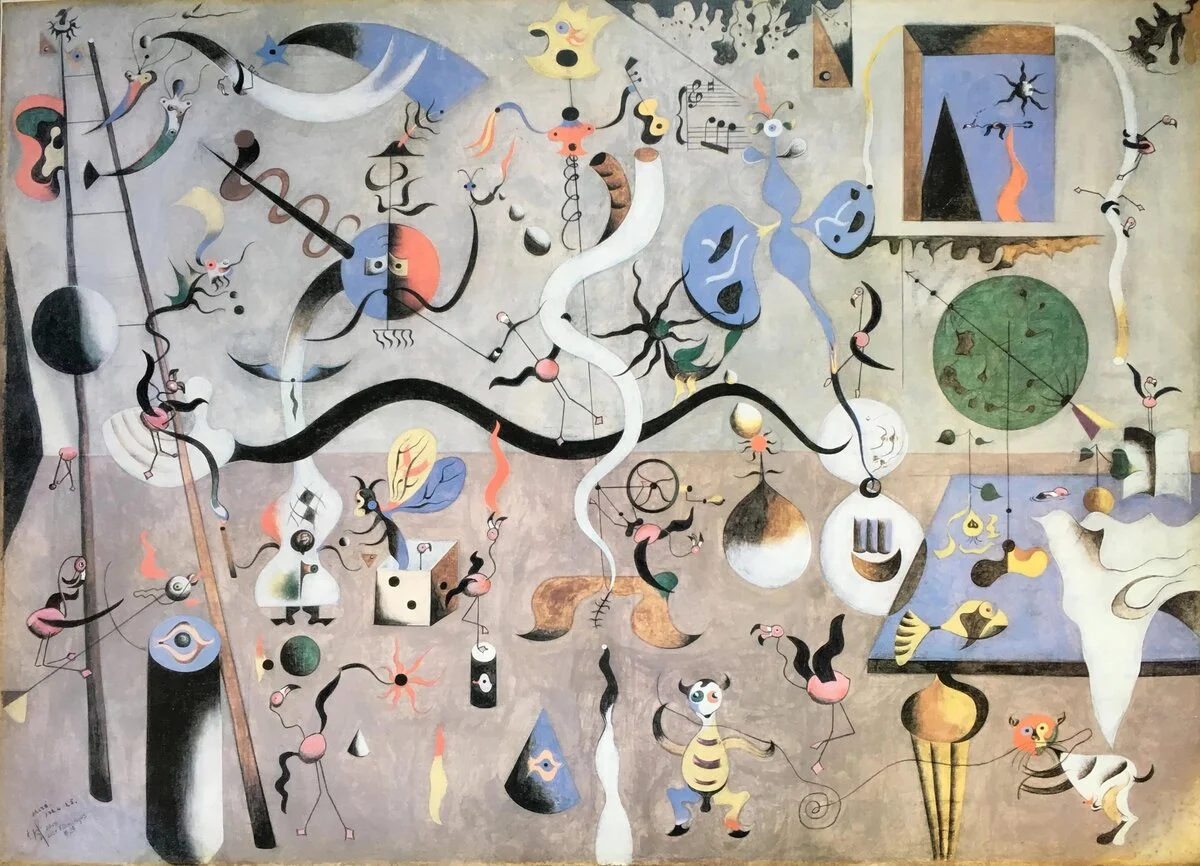
Impacto e Influência
Influência na Arte, Literatura e Cinema
Surrealism had a impacto profundo em arte visual, literatura e cinema, inspirando criadores a explorar temas de fantasia, o subconsciente e o irracional. Na literatura, Surrealista poesia e prosa desafiou estruturas narrativas tradicionais, frequentemente adotando a escrita automática, onde os autores escreviam sem censura ou controle consciente. Essa técnica visava capturar a espontaneidade do pensamento, resultando em obras que parecem fragmentadas e oníricas.
No cinema, Surrealism influenced directors such as Luis Buñuel and Jean Cocteau, who used surreal, disorienting imagery to capture the psychological tension between reality and fantasy. Buñuel’s "Un Chien Andalou" (1929), made with Salvador Dalí, featured disturbing, surreal scenes intended to shock viewers and reveal hidden, subconscious fears and desires. Surrealist influence also found its way para animação, onde fantasia, abstração e transformações impossíveis se tornaram tropos comuns.
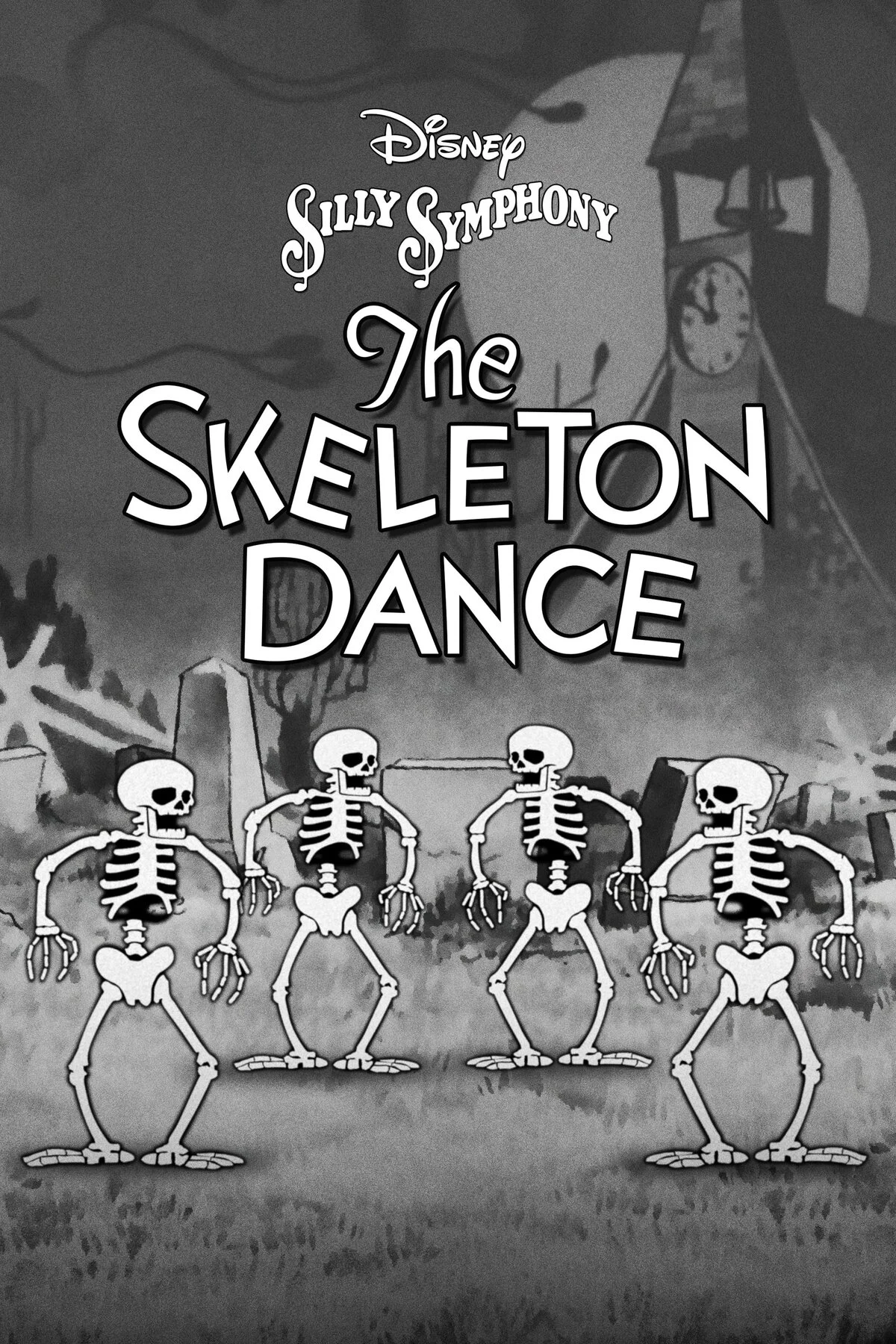
A influência do movimento se estendeu para a moda, o design e a publicidade, where the dreamlike and symbolic nature of Surrealism encouraged bold visual experimentation. Artists such as Salvador Dalí collaborated with designers, creating surrealist-inspired jewelry, fashion, and even shop displays. This widespread influence demonstrated Surrealism’s versatility and its capacity to resonate across multiple creative fields, permanently altering the landscape of modern art and culture.
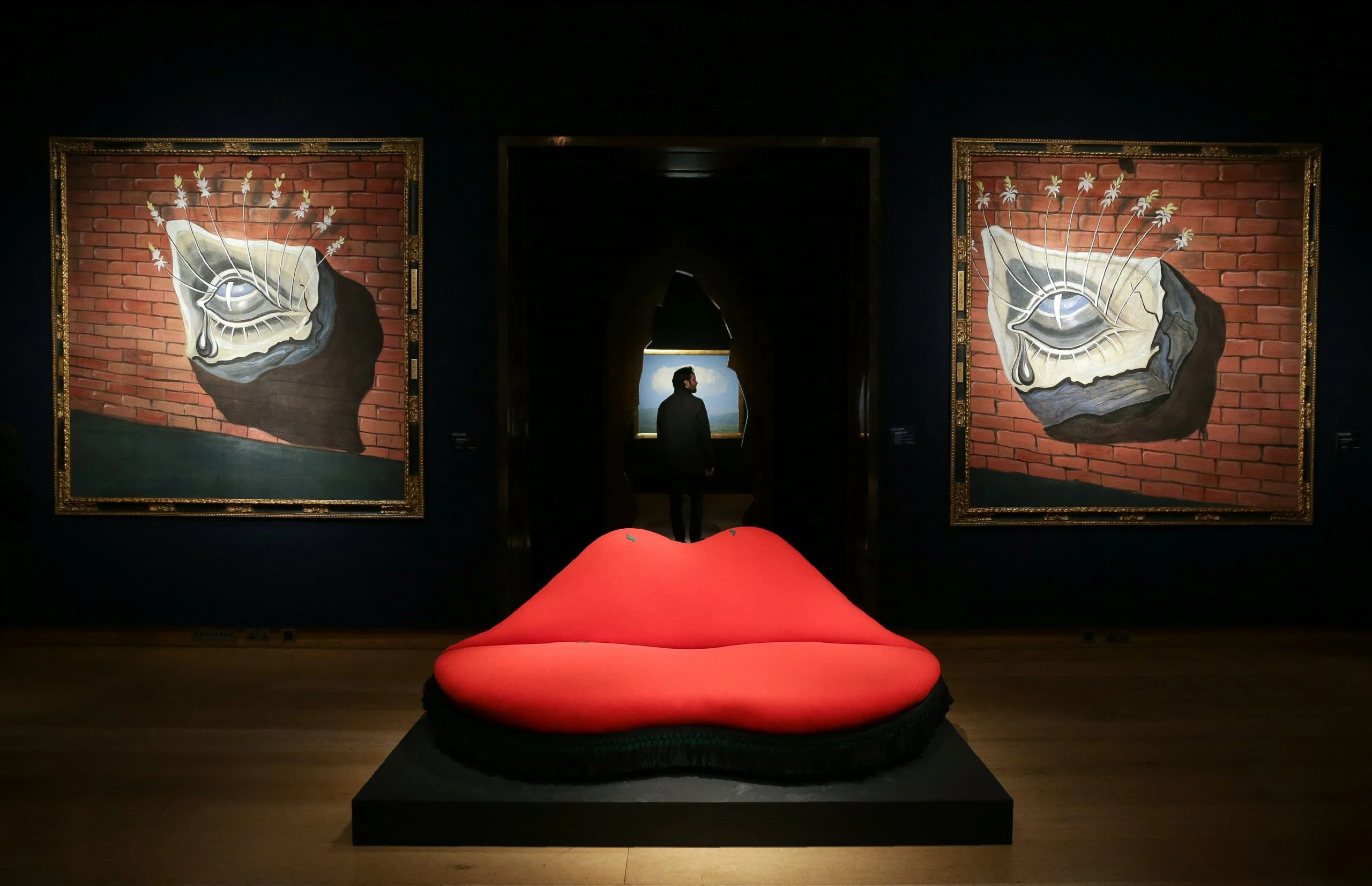
Exemplos representativos
The Temptation of St. Anthony by Salvador Dalí (1946)
Salvador Dalí’s "The Temptation of St. Anthony" is a vivid depiction of psychological struggle, rendered in surreal, dreamlike forms. In the painting, elongated, spindly-legged animals carry symbols of wealth, power, and sensuality, representing the temptations that torment St. Anthony, who stands in the foreground clutching a cross to defend himself. The exaggerated proportions and strange compositions emphasize o tema do desejo, sugerindo a fragilidade da força de vontade humana diante do avassalador, tentação maior que a vida. Dalí’s use of a barren desert landscape further reinforces a sense of isolation, intensifying the feeling that St. Anthony is confronted by an inner battle within an empty, desolate mindscape.
A pintura reflects Surrealism’s fascination with the unconscious, particularly with the notion that hidden desires and fears can emerge in bizarre, exaggerated forms. Dalí’s dreamlike imagery and symbolic juxtapositions capture o objetivo surrealista de iluminar as complexidades da psique humana. A combinação de iconografia religiosa e simbolismo grotesco ressalta a tensão psicológica entre a pureza espiritual e a tentação terrena, enquanto a imagem distorcida, semelhante a um pesadelo, convida os espectadores a interpretar a cena surreal de acordo com seus próprios conflitos internos e desejos.

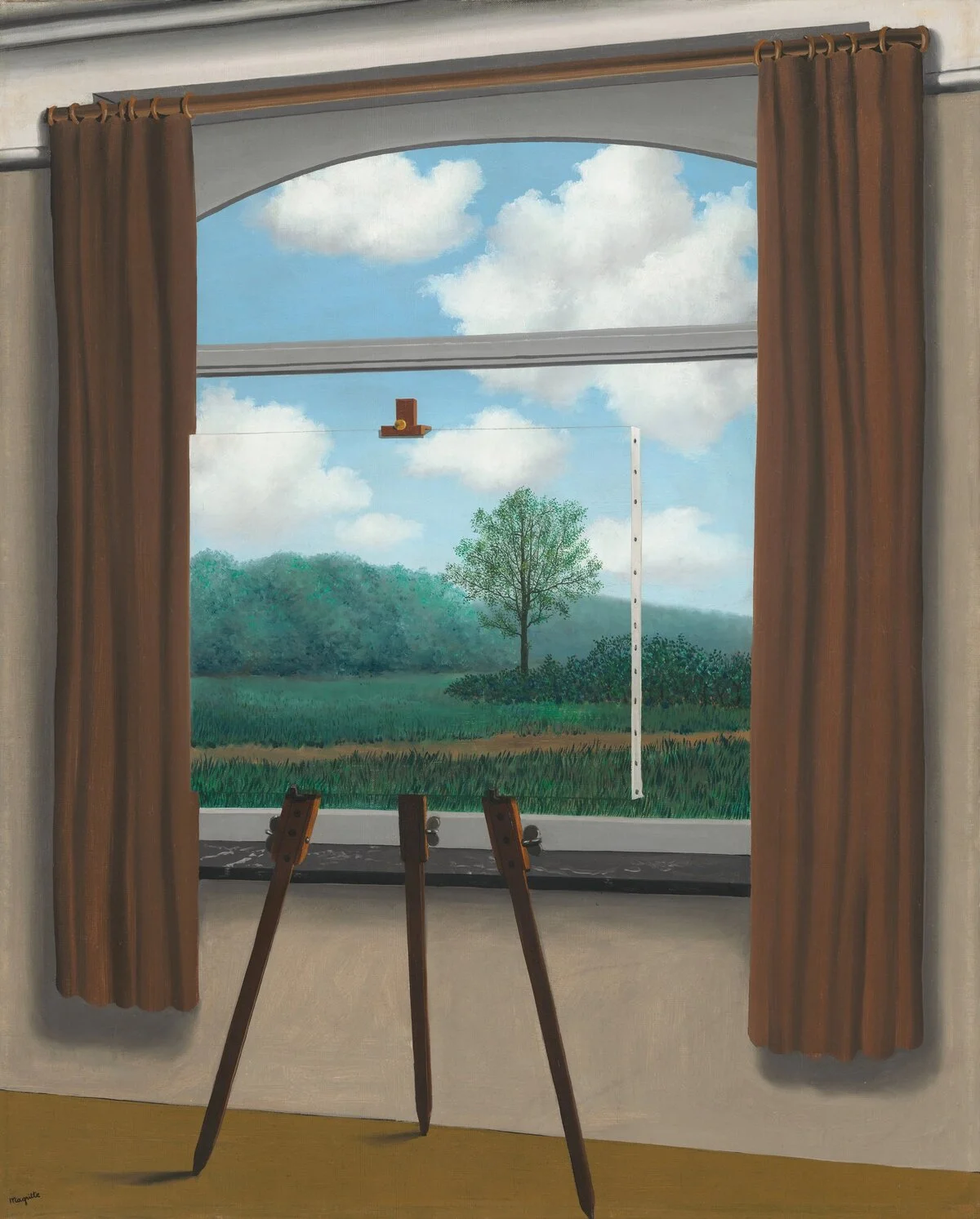
The Human Condition by René Magritte (1933)
René Magritte’s painting "The Human Condition" offers a paradoxical view of reality and perception, reflecting the surrealist theme of exploring the hidden nature of everyday existence. The painting shows an easel holding a canvas that seamlessly continues the landscape behind it, blending the painted and real elements into one. By creating this ilusão óptica, Magritte desafia os espectadores a questionar o confiabilidade de suas percepções, sugerindo que o que consideramos realidade pode ser simplesmente uma imagem ou interpretação moldada por nossas mentes.
O trabalho de Magritte frequentemente buscava revelar o oculto or ambiguous aspects of the familiar, and "The Human Condition" exemplifies this by blurring the line between the real and the represented. The painting can be seen as a commentary on the idea that our understanding of reality is always mediado pela percepção, nunca totalmente objetivo ou completo. Esta obra ressoa com o Surrealismo core interest in the subconscious mind, as it raises questions about the relationship between perception, reality, and the inner workings of human consciousness.
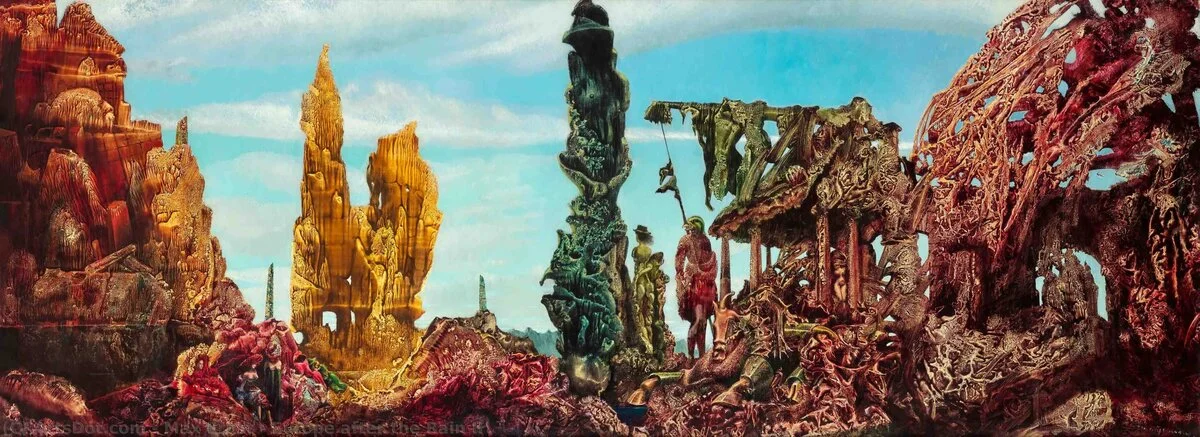
Europa Depois da Chuva II de Max Ernst (1940-42)
"Europe After the Rain II" by Max Ernst is a haunting, paisagem semi-abstrata que reflete a devastação e a turbulência psicológica da Segunda Guerra Mundial. Criada usando a inovadora "decalcomania" technique, where paint is pressed between surfaces and then manipulated to create chaotic, organic textures, the painting presents a fractured, alien landscape that seems to exist in a world devoid of life. The cracked, twisted forms within the landscape evoke ruins and decay, offering a symbolic vision of Europe ravaged by war. This eerie, almost ambiente apocalíptico destaca o foco surrealista em explorar aspectos sombrios e perturbadores da experiência humana.
The painting is a powerful example of Surrealism’s capacidade de fundir political and psychological themes, using surreal imagery to evoke a collective sense of dread and disillusionment. Ernst’s work captures the chaos and trauma of the period, presenting it as a surreal, visão de pesadelo do colapso societal. "Europe After the Rain II" também reflete o interesse surrealista em explorar paisagens as metaphors for the mind, with the desolate setting symbolizing both personal and cultural devastation, resonating deeply with audiences in a time of widespread uncertainty and upheaval.
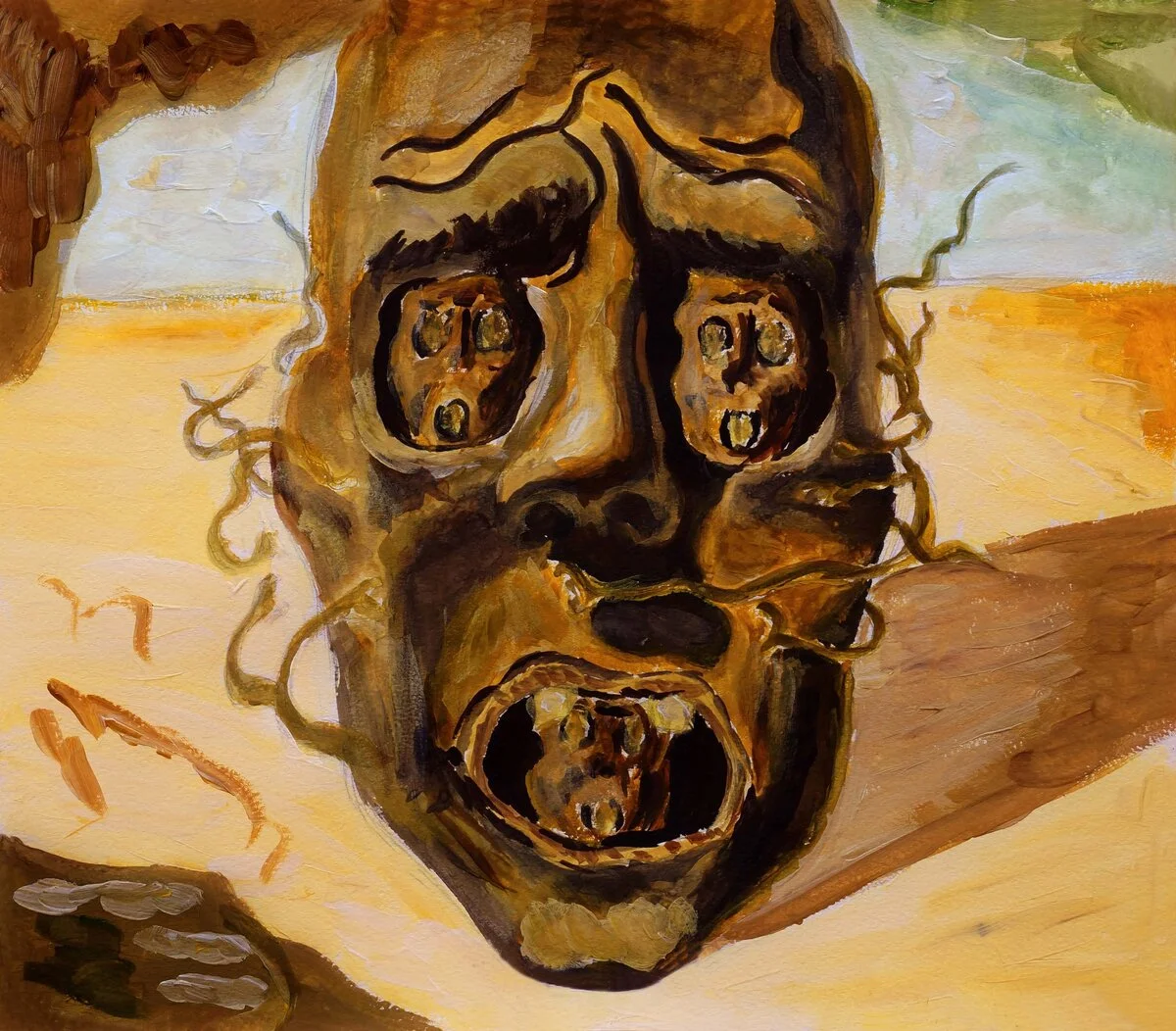
The Face of War by Salvador Dalí (1940)
Dalí’s "The Face of War" presents a grotesque, haunting depiction of war’s emotional and psychological toll. In the painting, a skull with hollow, empty eyes stares out at the viewer, and within each eye socket is another skull, creating uma regressão infinita of skulls that reinforces the sense of unending death and suffering. The background is a barren desert, emphasizing desolation and isolation, while snakes surround the skull, adding to the sense of menace. Esta imagética em camadas sugere que os horrores da guerra são repetitivos e inevitáveis, ecoando o trauma infligido àqueles que a vivenciam.
The painting reflects Dalí’s surrealist approach to symbolism, using haunting, dreamlike images to evoke complex emotional responses. "The Face of War" serves as an exploration of both the personal and collective subconscious in the aftermath of conflict, capturing o horror universal e a futilidade da guerra. Dalí’s distorted, surreal style magnifies the psychological impact of the piece, inviting viewers to confront their own fears and anxieties about violence and mortality in a deeply personal way, resonating with Surrealism’s intent to reveal hidden emotional depths.
Declínio e Legado
Declínio do surrealismo como movimento formal
Na década de 1960, o Surrealismo começou a influência to wane as new art movements like Abstract Expressionism, Pop Art, and Minimalism gained popularity. These emerging styles offered a more immediate, modern response to the social and cultural shifts of the post-war period, particularly in the United States. Abstract Expressionism, for example, shifted the focus toward pure emotion and gestural abstraction, distancing itself from the dreamlike, detailed imagery that defined Surrealism. As the art world moved toward abstraction and conceptualism, A ênfase do surrealismo na figuration, símbolos e narrativa perdeu parte de sua relevância dentro dos círculos de vanguarda.
"O surrealismo não é uma poesia, mas uma forma de libertação." – Otávio Paz
.webp)
O contexto político also played a role in Surrealism’s decline as a dominant force. Surrealists, particularly André Breton, had aligned the movement with leftist ideals, using art as a tool for social change. However, with shifting political landscapes in the mid-20th century and the rise of consumer culture, a missão surrealista de revolucionar a sociedade por meio da arte foi ofuscada por movimentos mais alinhados à sensibilidade modernista. O Pop Art, por exemplo, abraçou a mídia de massa e o consumismo, focando na cultura popular de maneiras que as explorações introspectivas e subconscientes do surrealismo não faziam.
Despite its decline as an organized movement, Surrealism não desapareceu but rather integrated itself into various aspects of popular culture. Many of its foundational ideas, such as dream analysis, automatic drawing, and the exploration of the subconscious, manteve-se influente and were carried forward by individual artists. Even though Surrealism no longer held a unified artistic identity, its impact continuou a formar a arte moderna e contemporânea.
Legado e Influência Duradoura do Surrealismo
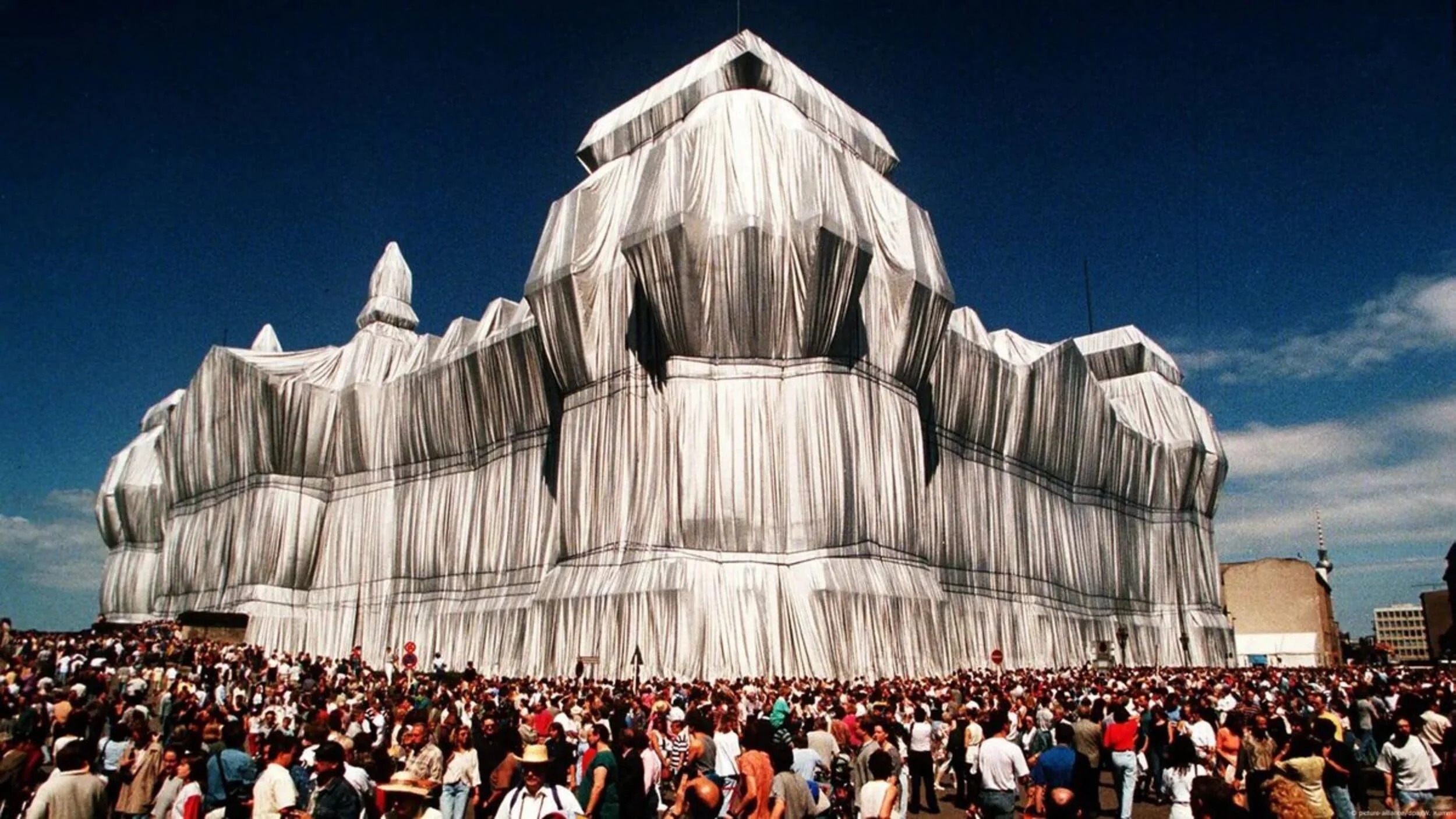
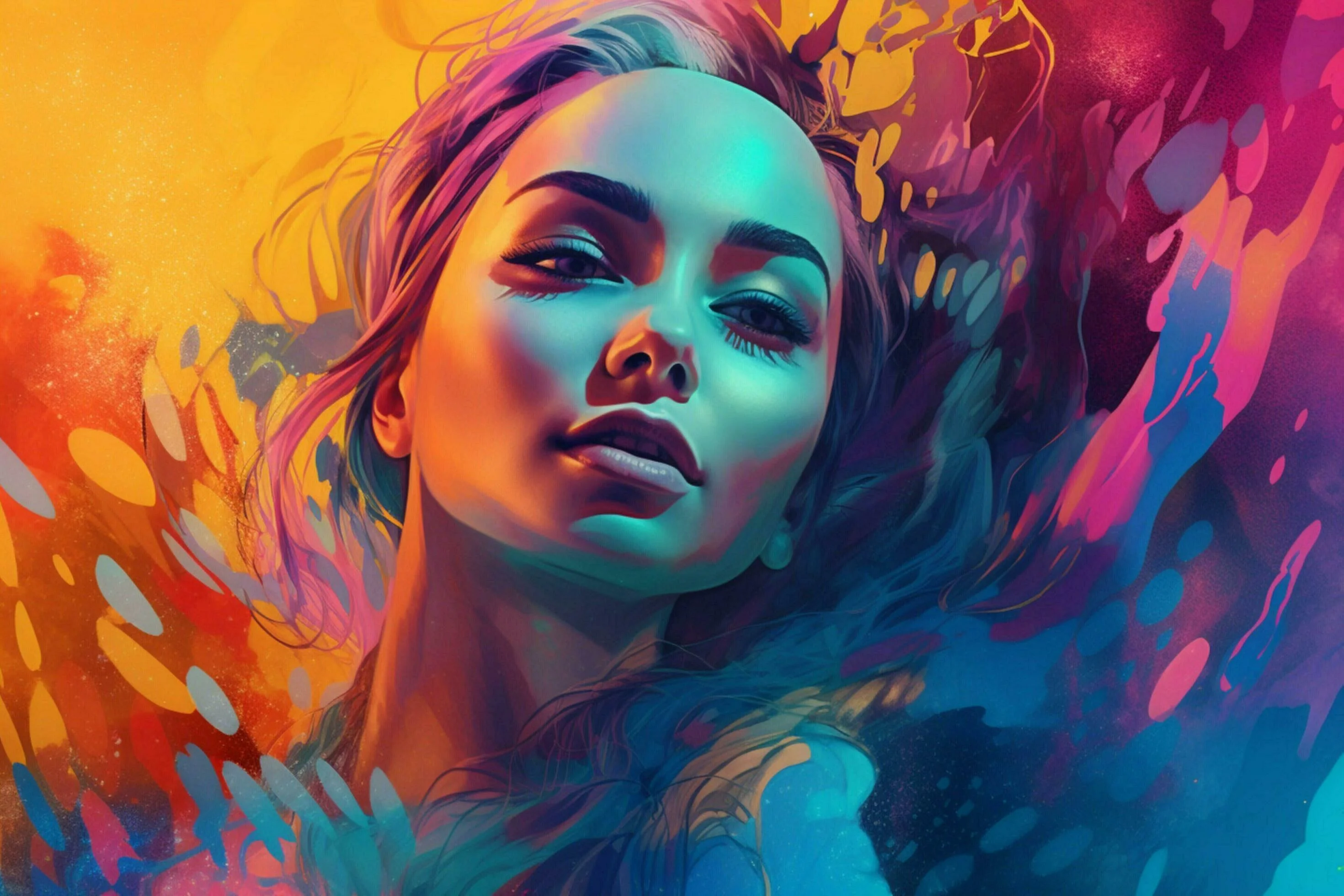
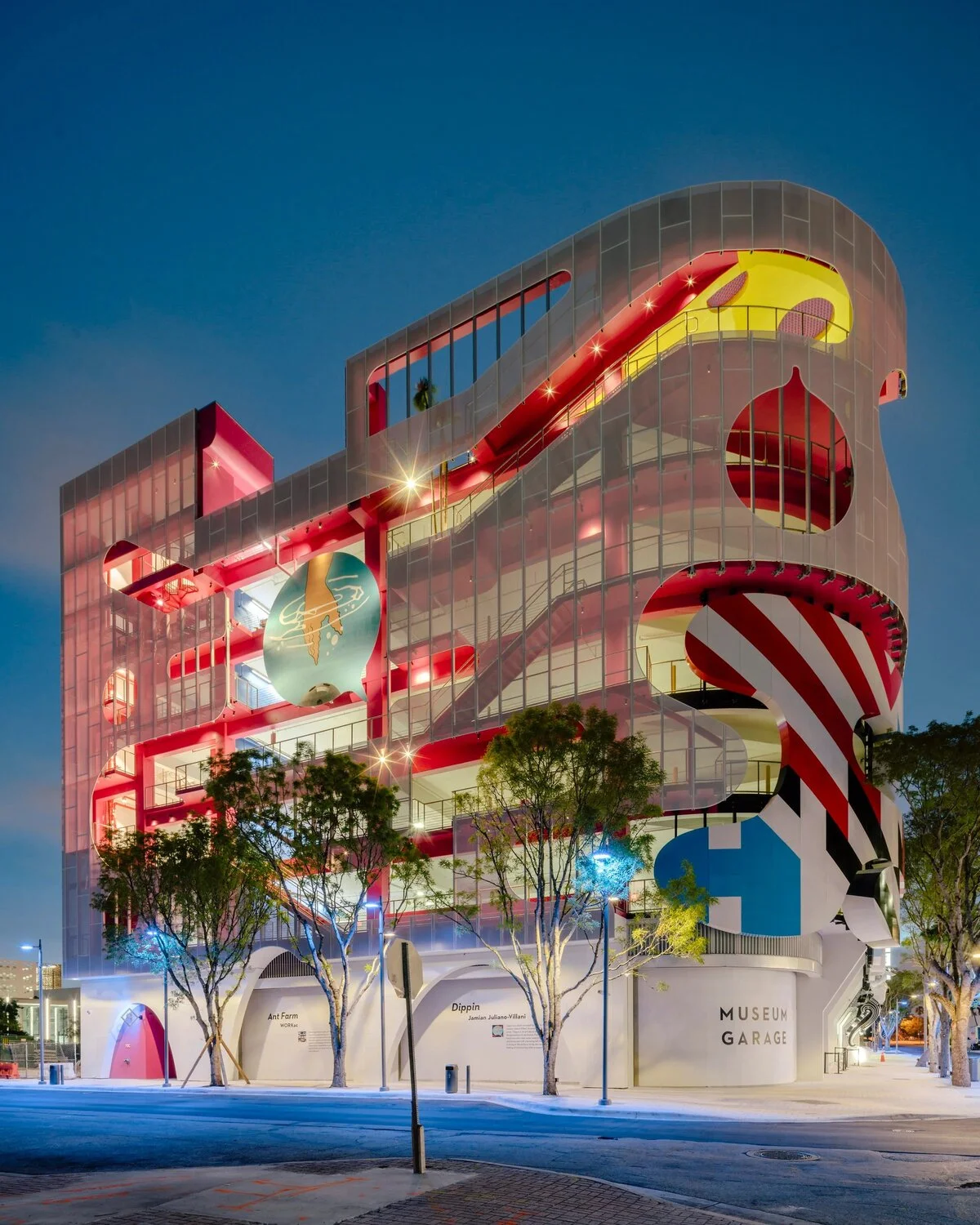
Embora o surrealismo tenha recuado formalmente, seu legado continua a ressoar em múltiplos domínios criativos, from art and film to literature and fashion. Contemporary artists regularly draw on Surrealist themes, such as dreamlike imagery, unexpected juxtapositions, and an emphasis on the subconscious mind, para explorar profundidade psicológica e emocional em seus trabalhos. Essa influência é especialmente prevalente na arte de instalação e em experiências imersivas, onde artistas criam espaços que distorcem a realidade, incentivando os espectadores a vivenciar o surreal e questionar suas percepções. A arte digital também abraçou o surreal, misturando elementos realistas e fantásticos para criar ambientes virtuais outros que refletem estados oníricos.
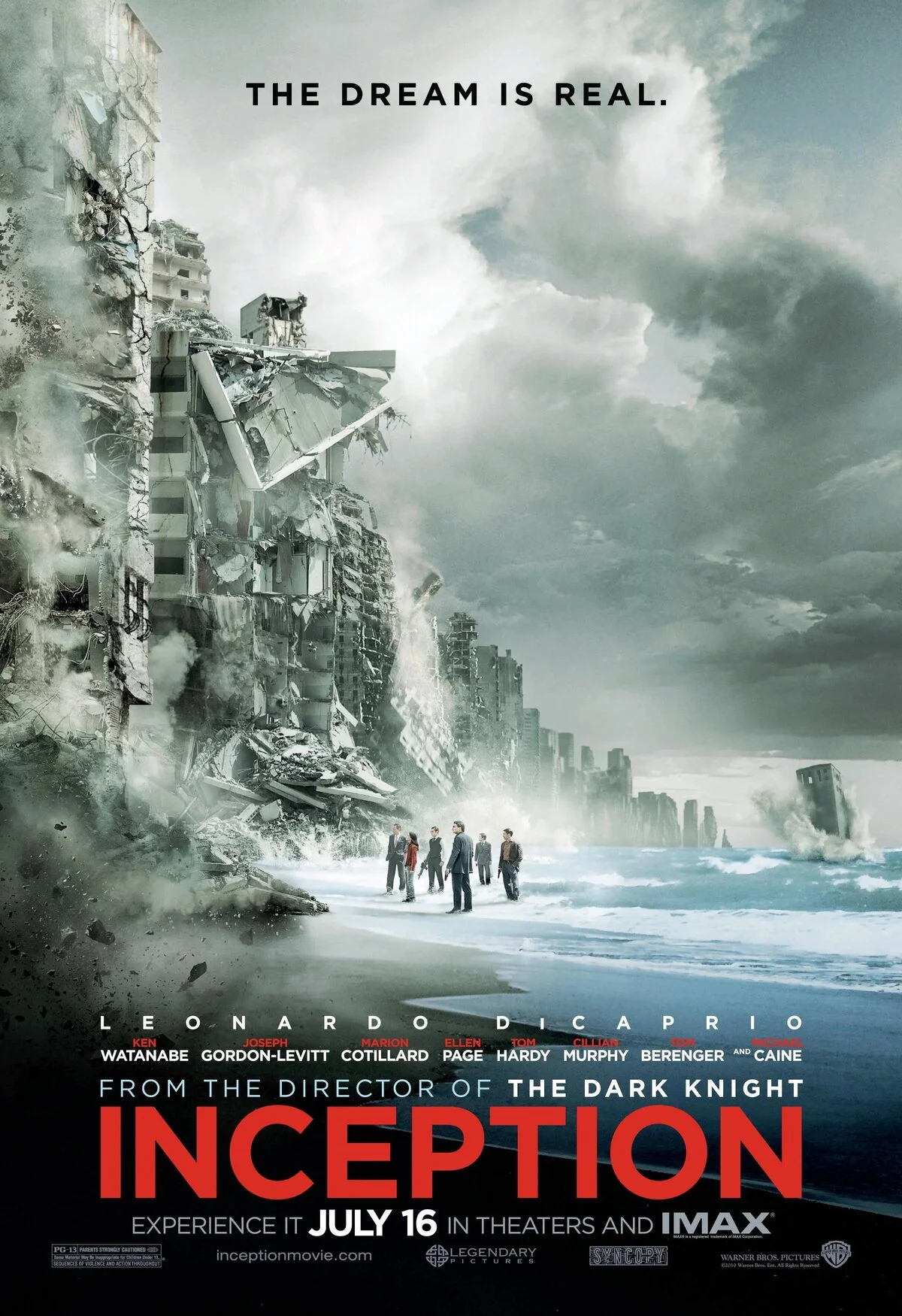
Surrealism has also left a lasting mark on popular culture, particularly in cinema, where directors like David Lynch and Guillermo del Toro have incorporated surrealist elements into their storytelling. Their work captures Surrealism’s ability to transport audiences to alternate realities filled with enigmatic symbols, unsettling visuals, and complex emotions. Literature and graphic novels continue to explore surrealist themes as well, especially in genres like magical realism, where the strange and inexplicable are integrated into otherwise ordinary narratives. Publicidade e moda também adotaram a fascinação do surrealismo pelo inquietante, usando estéticas oníricas e surreais para criar peças visualmente marcantes e provocativas que cativam a imaginação.
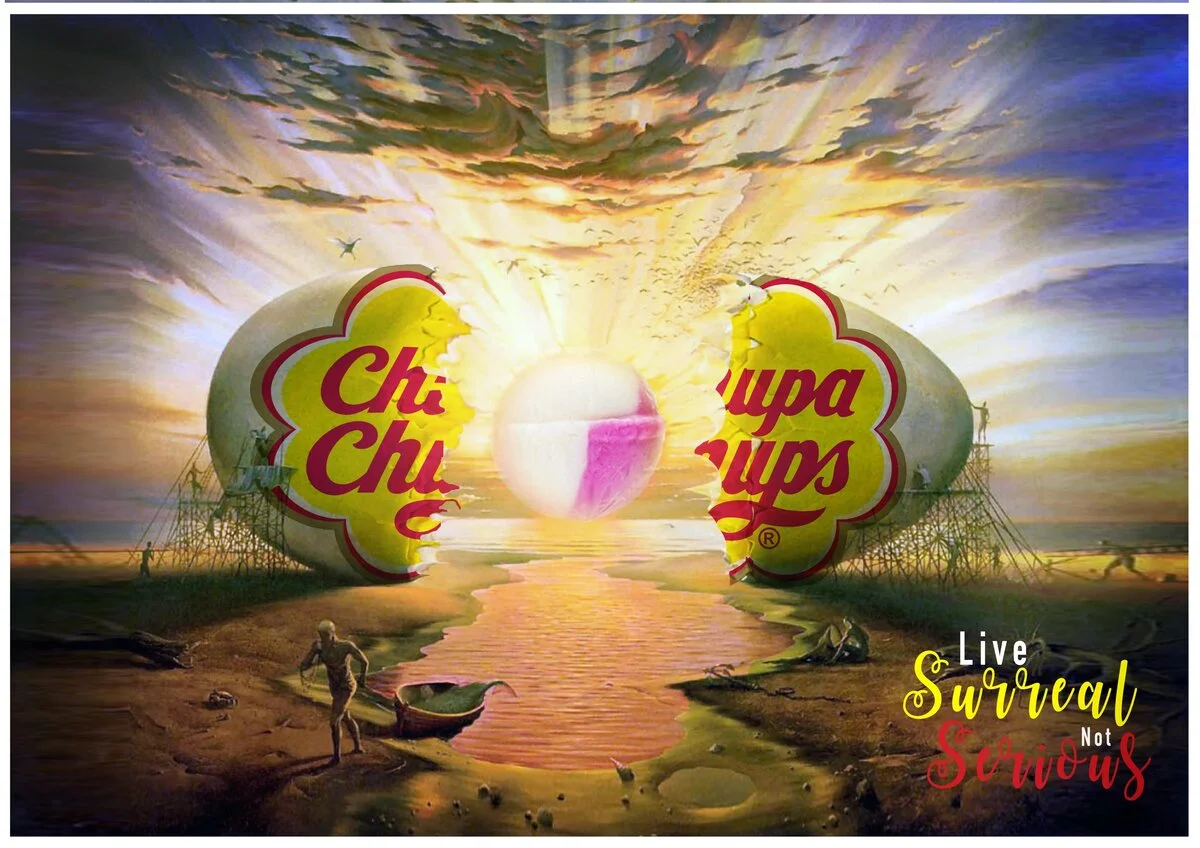
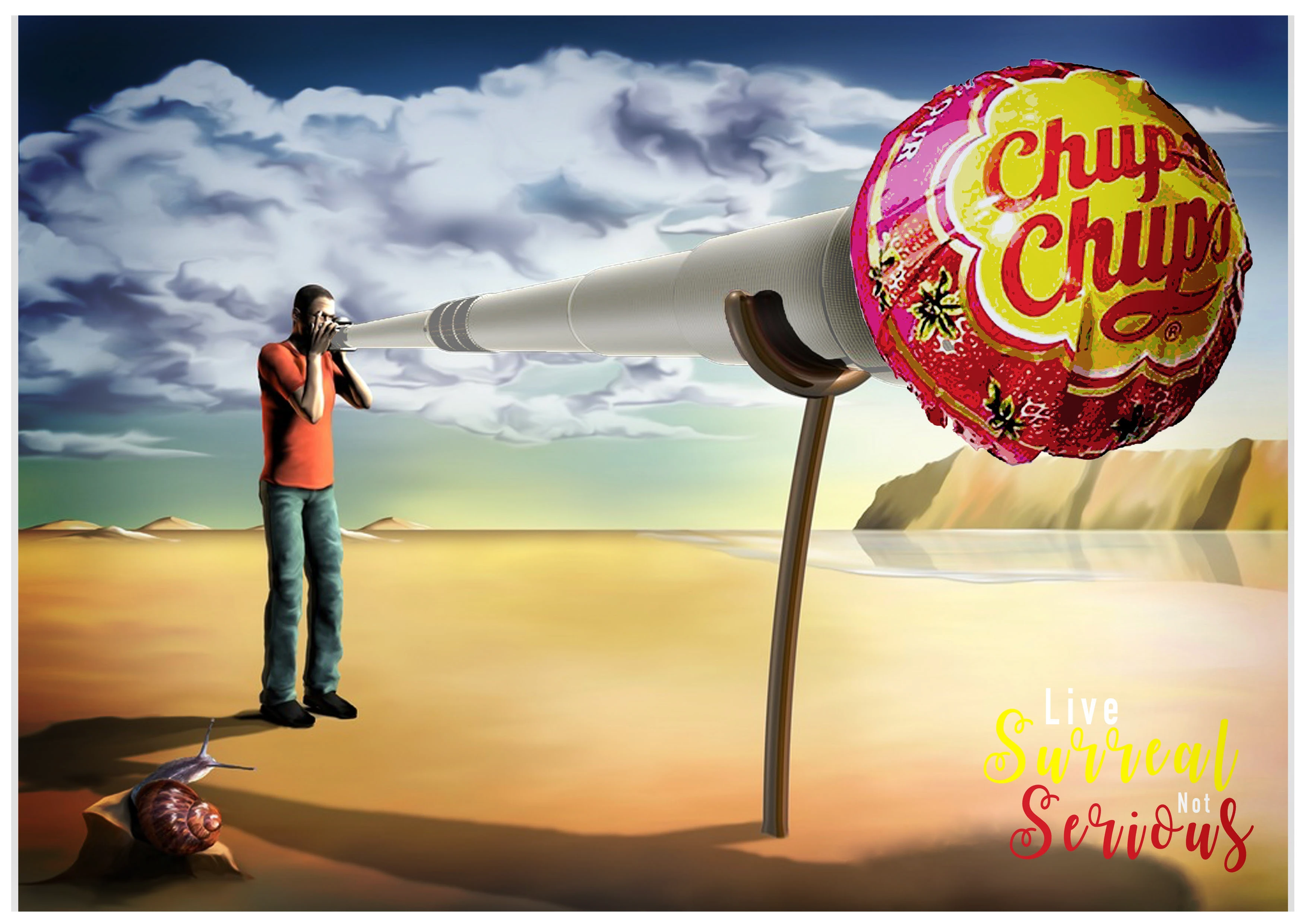
O logotipo do pirulito Chupa Chups is a fascinating example of Salvador Dalí’s influence extending into popular culture and commercial design. In 1969, the Spanish confectionery company Chupa Chups, founded by Enric Bernat, approached Dalí to create a distinctive logo for their brand. Dalí, known for his surrealist art, brought his unique vision and iconic style to the project, designing a logo that remains instantly recognizable to this day.
Dalí reportedly completed the design in under an hour, yet it became one of the most logotipos duradouros na história da marca. His work on the Chupa Chups logo demonstrates how he applied his surrealist creativity to mainstream products, using art to enhance everyday experiences and bridging the gap between high art and popular culture. Today, the Chupa Chups logo is still widely used, a testament to Dalí’s lasting impact on branding and visual design.
Edward James, a British poet and ardent supporter of Surrealism, conceived Las Pozas, an extraordinary sculpture garden in Xilitla, Mexico, as a surrealist haven que mescla arte com a exuberante e indomada beleza da selva. Constructed over several decades from the 1940s to the 1980s, Las Pozas is an imaginative landscape filled with massive concrete structures, designed to evoke a dreamlike escape where the natural and surreal collide. Inspired by the ideals of Surrealism, James envisioned the garden as a space that invites visitors into uma experiência outros com formas e caminhos inesperados que parecem fluir da mente subconsciente em vez de princípios racionais de design.
O jardim inclui arquitetura surreal elements such as towering columns, staircases leading nowhere, arched doorways, and abstract sculptures that feel unfinished or spontaneously formed, as if part of a living dream. These structures were intended to reflect A fascinação do surrealismo with the subconscious, capturing an atmosphere of mystery and the unexpected. James collaborated with local artisans to realize his vision, creating a “Surrealist Xanadu” where art and nature intertwine in a continuous, immersive experience. Las Pozas stands as a monumental testament to o compromisso de James to Surrealism, bringing the movement’s poetic and imaginative spirit to life in a uniquely physical and interactive form.
.webp)
O compromisso do Surrealismo com a exploração dos aspectos ocultos da psique e dos mistérios da percepção humana deixou uma marca indelével na forma como a arte e a cultura se relacionam com o desconhecido. Ao defender o irracional e o enigmático, o Surrealismo encouraged generations to see reality as multifaceted and open to interpretation, inspiring new ways of understanding creativity, self, and the world.
Conclusão: O Surrealismo permanece um dos movimentos artísticos mais inovadores, instigando artistas e espectadores a explorar as profundezas do subconsciente e a abraçar o desconhecido. Por meio da exploração dos sonhos e da irracionalidade, o Surrealismo transformou as percepções da realidade, inspirando gerações em arte visual, literatura e cinema. Embora o movimento tenha se dissolvido formalmente, seu legado perdura, incentivando abordagens criativas que revelam camadas ocultas de significado. Hoje, o Surrealismo nos lembra que o mundo — e nossas mentes — contêm mistérios infinitos, convidando-nos a olhar para além do óbvio e a abraçar os aspectos enigmáticos da experiência humana.
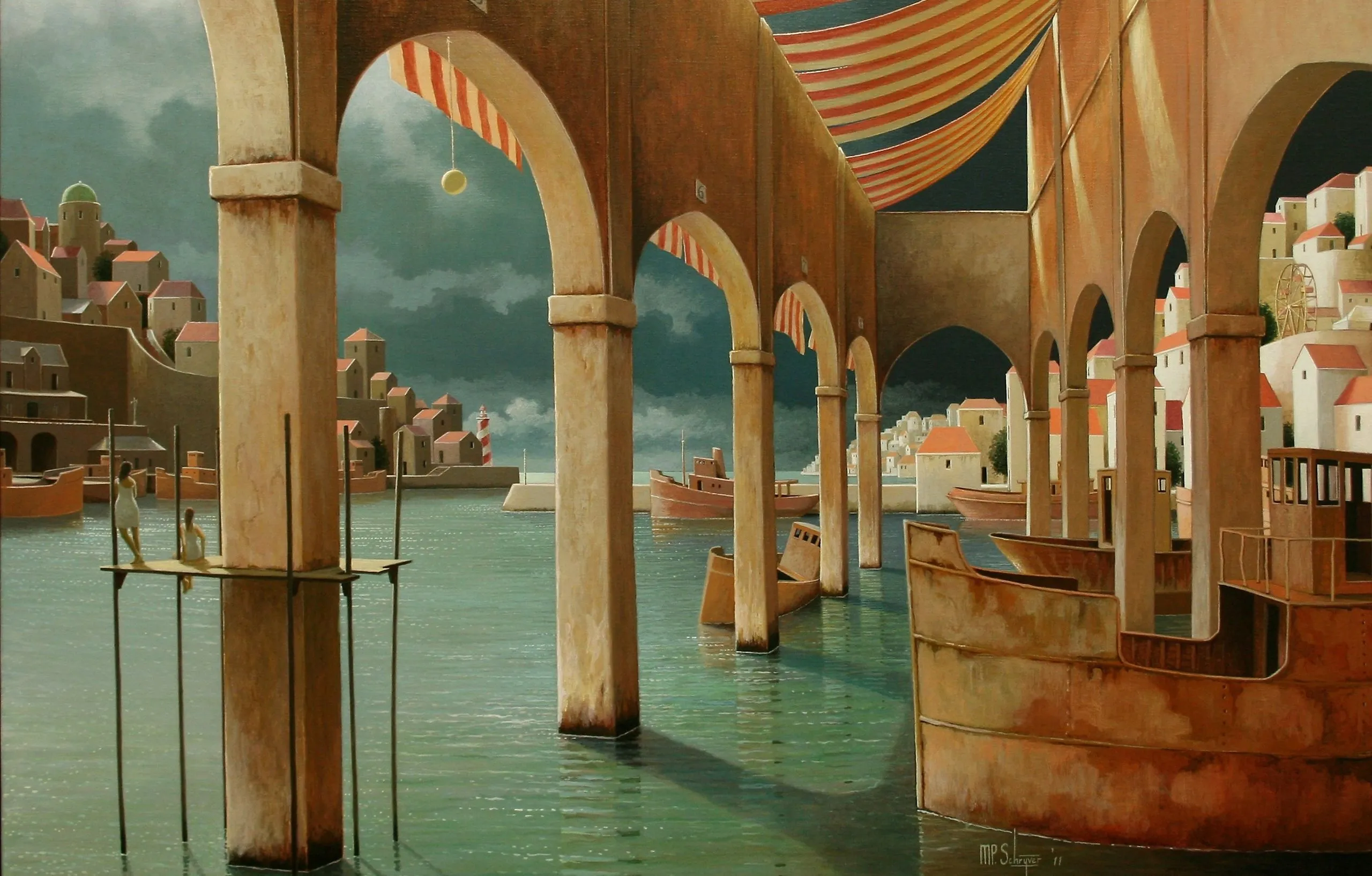
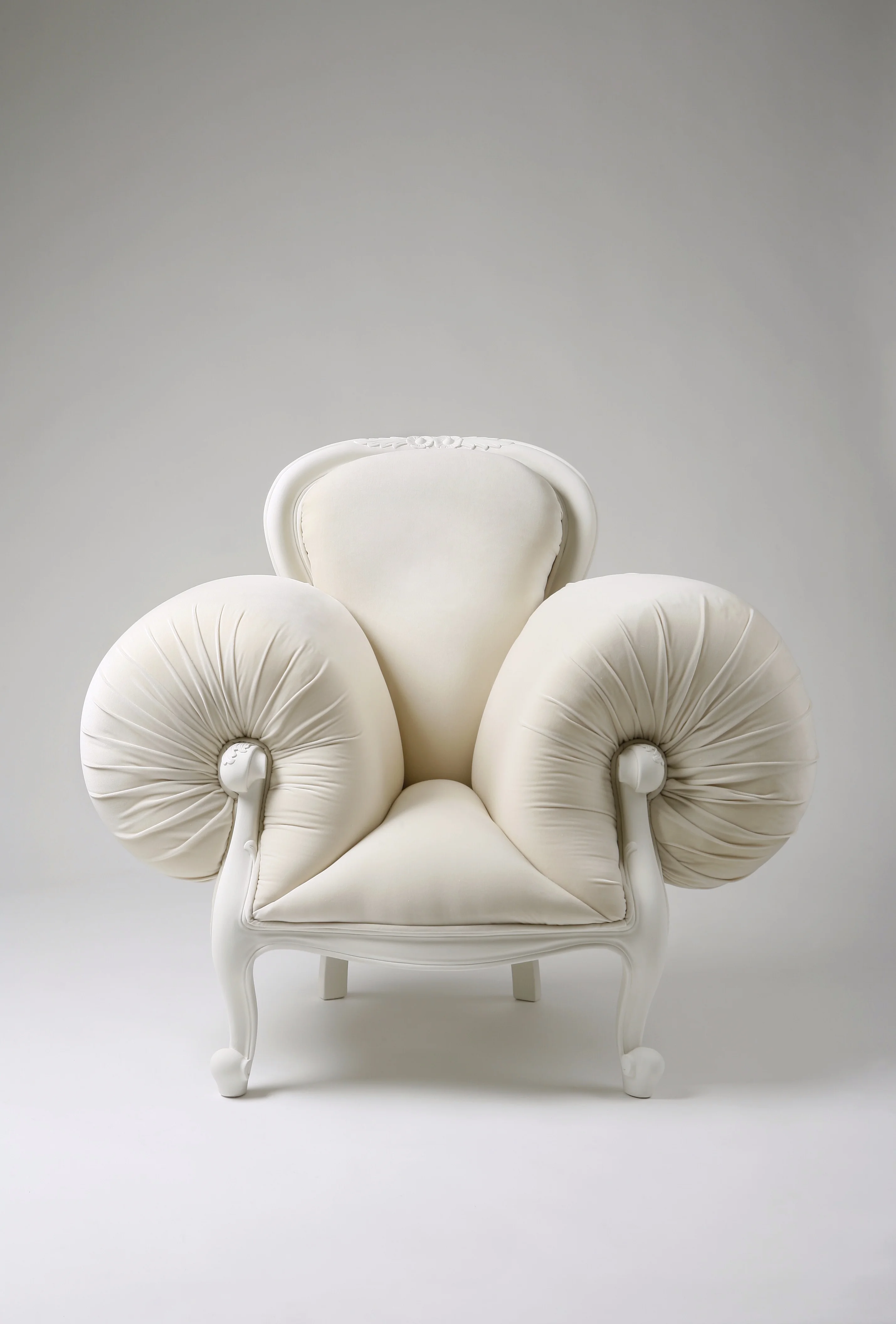
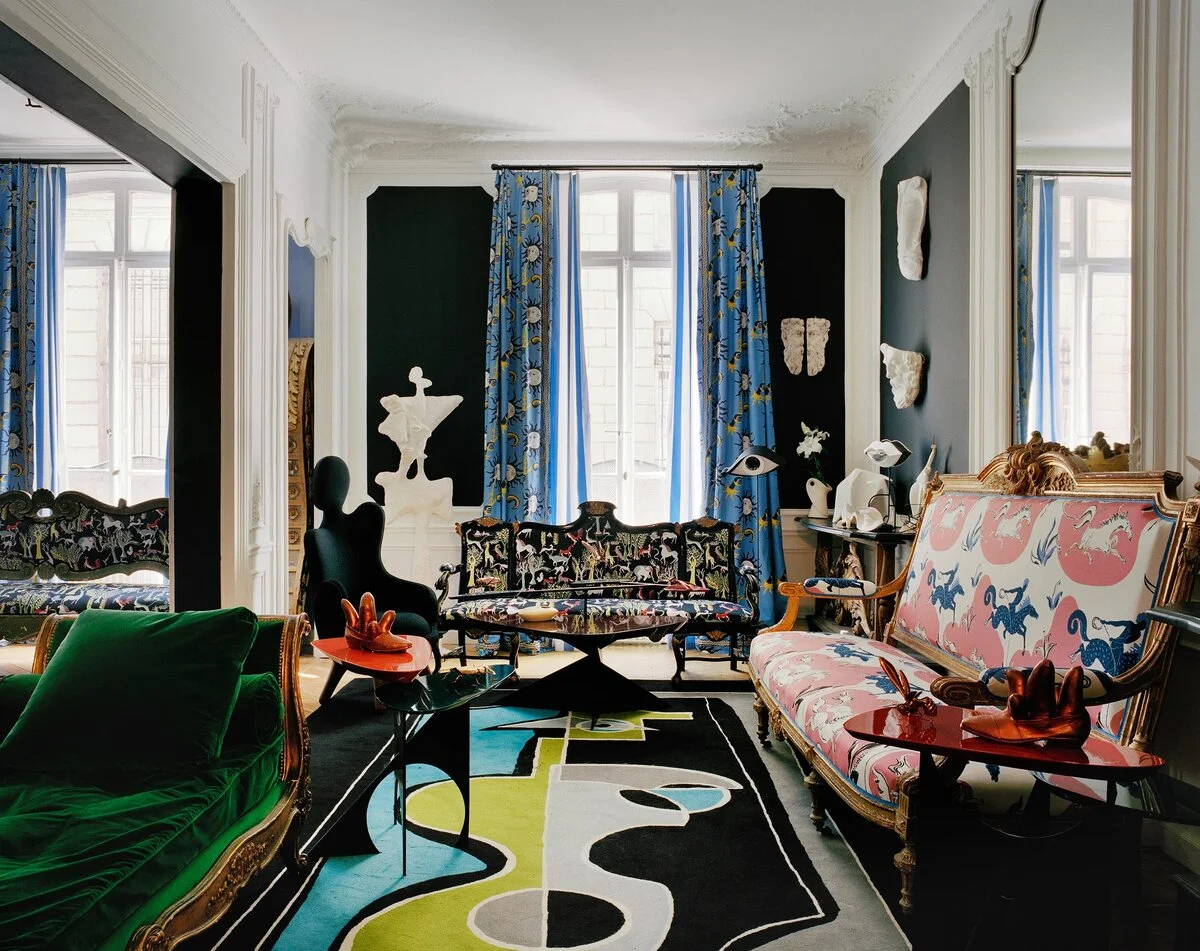
Visual Examples
Como o Surrealismo desafiou a arte tradicional?

O Surrealismo afastou-se da arte tradicional ao focar no subconsciente, nos sonhos e na irracionalidade. Rejeitando a lógica e o realismo, os artistas criaram obras que combinavam elementos inesperados, distorciam a realidade e exploravam desejos ocultos. Essa abordagem redefiniu a expressão artística, expandindo os limites da imaginação e da criatividade de maneiras novas e revolucionárias.
Que técnicas os artistas surrealistas usaram para expressar suas ideias?
Artistas surrealistas usaram técnicas como o automatismo para contornar o pensamento consciente, bem como colagem e fotomontagem para criar combinações surpreendentes. Eles também empregaram imagens oníricas e motivos simbólicos, recorrendo à psicanálise para explorar o subconsciente. Esses métodos os ajudaram a criar arte que desafiava a lógica e evocava profundas respostas emocionais e psicológicas.
Por que o Surrealismo permanece relevante na arte contemporânea?
O Surrealismo continua influente por sua capacidade de explorar o subconsciente e conceitos abstratos. Suas imagens oníricas e ideias que desafiam fronteiras inspiram a arte moderna, o cinema e a moda, incentivando criadores a abraçar o inesperado. O legado do movimento continua a redefinir a expressão artística, desafiando normas e fomentando criatividade ousada nos dias de hoje.

Sofiya Valcheva
Redatora Publicitária
Quando estou escrevendo, estou no meu estado ideal, concentrada, criativa e colocando meu coração em cada palavra. Quando não estou, provavelmente estou dançando, perdida na minha música favorita ou perseguindo a inspiração para onde quer que ela me leve!