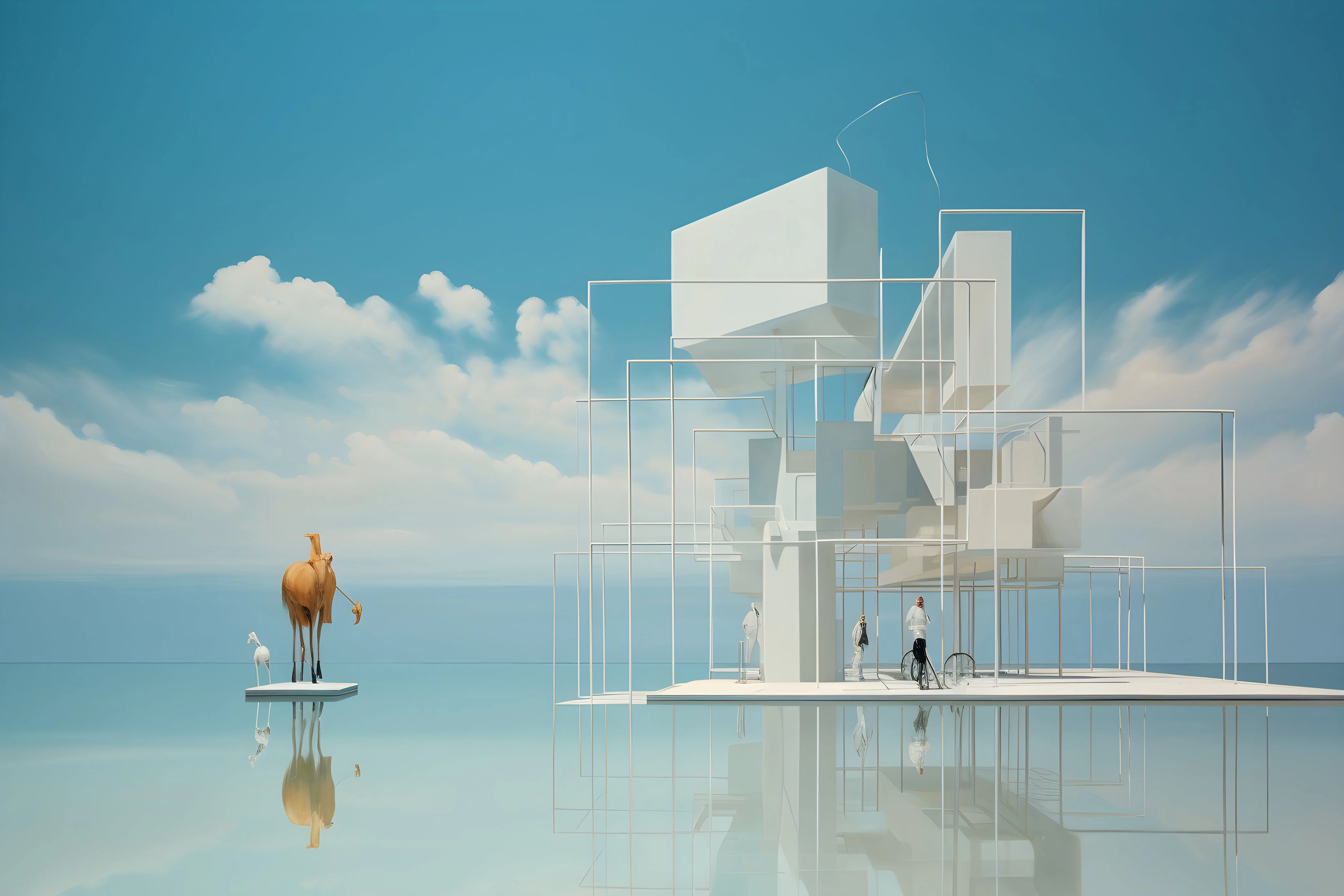
Surrealism emerged as a revolutionary force in the early 20th century, driven by a desire to explore realms of the mind that had been largely ignored in traditional art. Founded in Paris in the 1920s by André Breton, who was inspired by the theories of psychoanalyst Sigmund Freud.
Skupiając się na tajemnice snów i unconscious pragnień, artyści surrealistyczni wierzyli, że mogą odkrywać prawdy ukryte pod powierzchnią codziennej rzeczywistości.
Odrzucając ograniczenia logiki, surrealiści przyjęli unconventional techniques to access the depths of the mind, creating artworks that merged fantasy with reality and challenged viewers’ perceptions of the ordinary. The movement was a response to a world shaken by the upheavals of World War I, przy czym surrealiści poszukują to escape okropności rzeczywistości, zagłębiając się w surrealistyczne i absurdalne. Poprzez dziwaczne obrazy i nieoczekiwane zestawienia, Surrealizm stał się a portal to new dimensions of thought and expression, influencing not only visual art but also literature, film, and culture on a global scale.
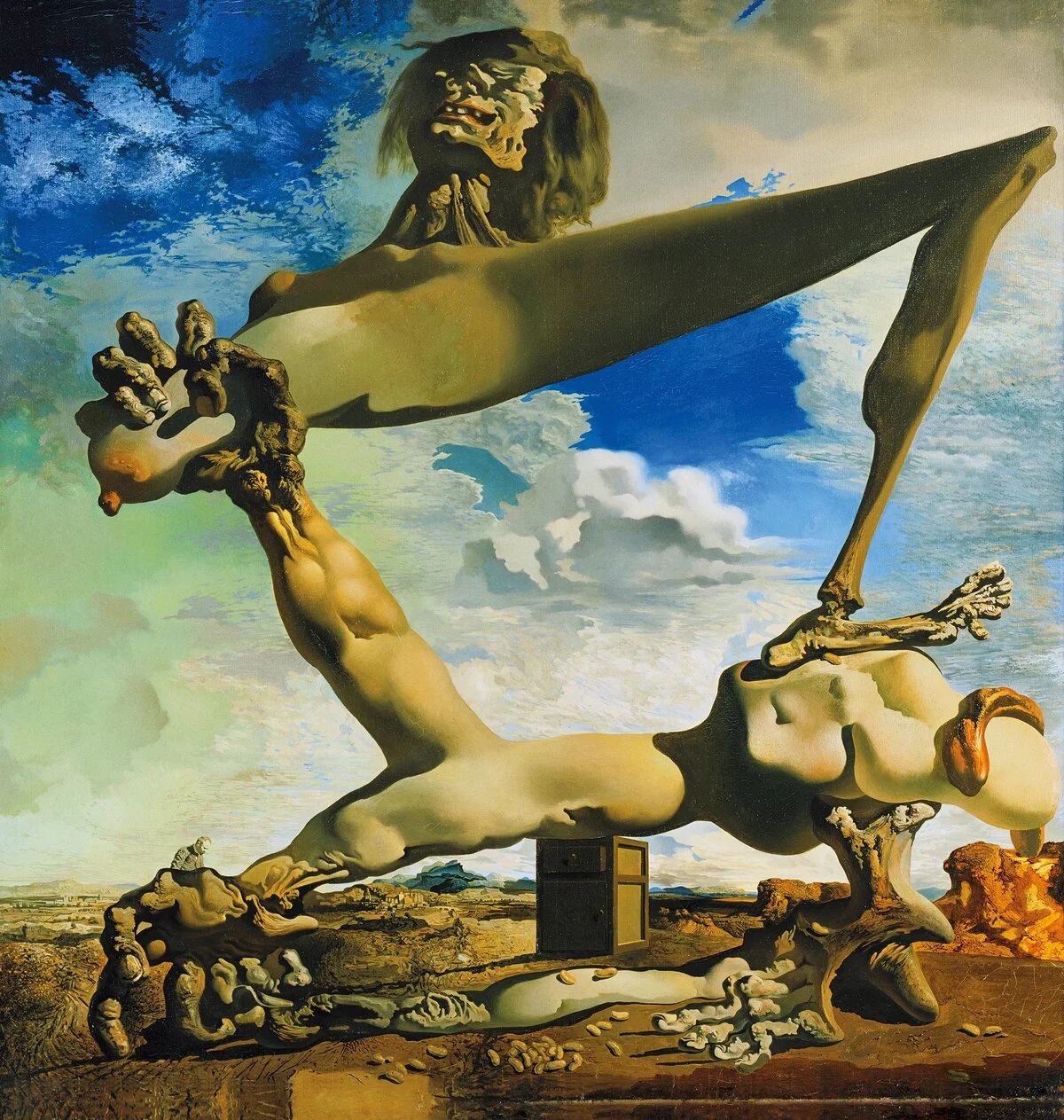
"Surrealism is destructive, but it destroys only what it considers to be shackles limiting our vision." – Salvador Dalí
As a movement, Surrealism aimed to subvert established norms, encouraging artists to venture beyond the boundaries of conscious thought w krainy fantazji and the irrational. By tapping into the subconscious, Surrealists sought to dismantle the conventional structures that dictated artistic expression, allowing imagination to roam freely and unfiltered. This exploration into the surreal provided a profound escape from the grim realities of post-war Europe, offering a space where one could examine the depths of human desire, fear, and curiosity. Surrealism’s impact extended well beyond visual art, infiltrating literature, theater, and philosophy, ultimately fostering a cultural environment where creativity was redefined as a pathway to deeper understanding and personal liberation.
Początki i Ewolucja
Inspiracja Dada i psychoanalizą
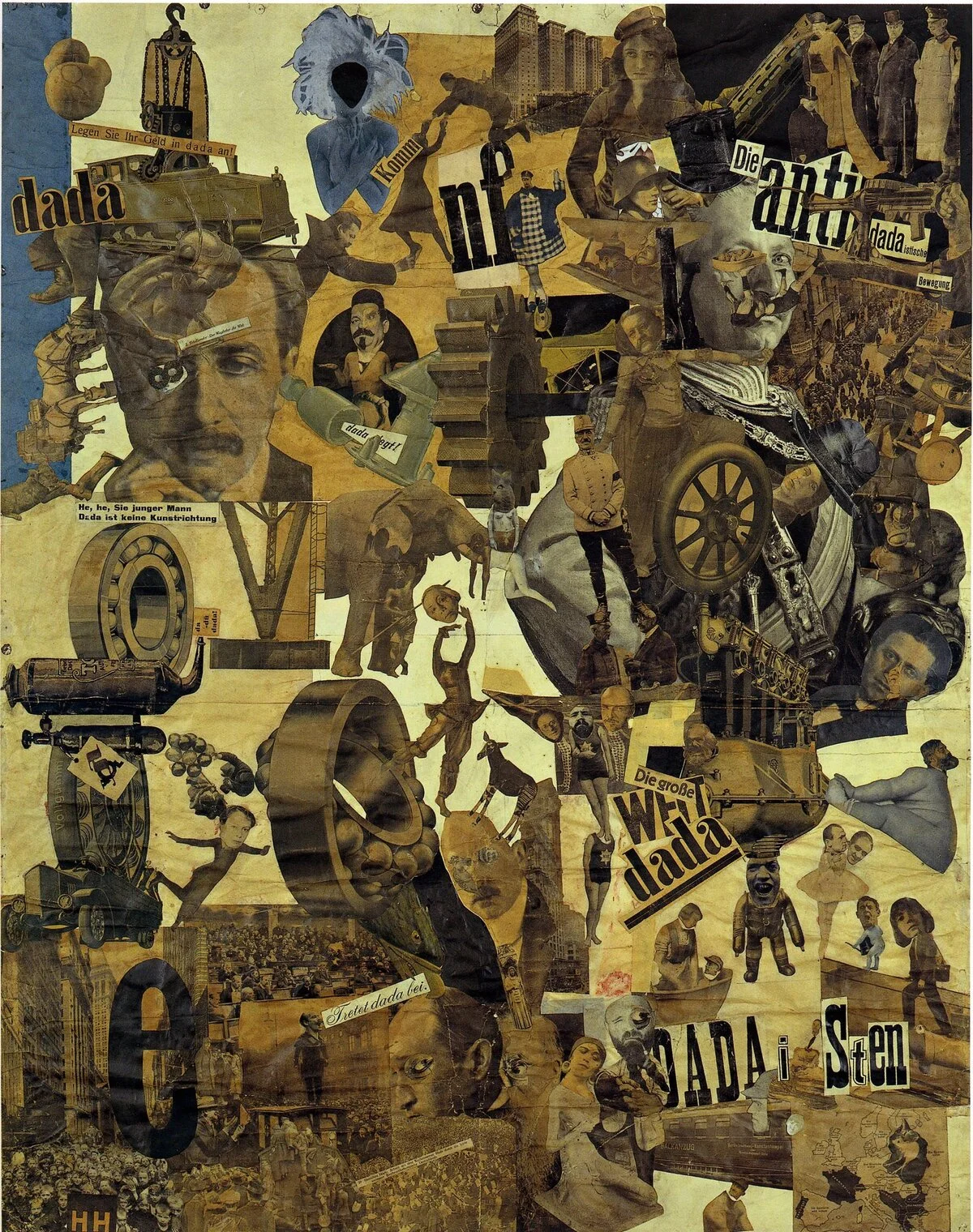
Surrealizm wyłonił się jako rozwinięcie ruchu Dada, który kwestionował tradycyjne wartości w sztuce, przyjmując nonsens i absurd. Niezadowolony z nihilistycznych tendencji Dady, francuski pisarz André Breton published the "Surrealist Manifesto" in 1924, officially establishing Surrealism as a movement dedicated to exploring the nieświadomy umysł. Był silnie zainspirowany przez Sigmunda Freuda theories on psychoanalysis, particularly the concepts of dreams, free association, and the unconscious as a repository for suppressed desires and thoughts.
Breton and his fellow Surrealists sought to liberate creativity from the constraints of rationalism, employing techniques like rysunek automatyczny and cadavre exquis to bypass conscious control. These methods allowed artists to tap into raw, unfiltered emotions and images. Surrealism’s core mission was to revolutionize human experience, breaking down boundaries between dream and reality and creating sztuką, która kwestionowała societal norms. The movement quickly attracted a following across Europe, łącząc artists, writers, and filmmakers eager to break away from the limits of realism.
"I believe in the future resolution of these two states, dream and reality, which are seemingly so contradictory, into a kind of absolute reality, a surreality, if one may so speak." – André Breton
W miarę rozprzestrzeniania się Surrealizmu internationally, ewoluował w dialogu z kulturami regionalnymi i pejzażami politycznymi. Do lat 30. XX wieku Surrealizm wpływał na sztukę amerykańską i stał się kojarzony z antyfaszystowskimi i rewolucyjnymi ideami, wyrażając resistance to oppression. This expansion introduced new perspectives, with Surrealists adapting the movement’s emphasis on the irrational to explore deeper psychological, social, and cultural themes.
Aesthetic Concept
Obrazy snu i nieświadomość
Surrealism is perhaps best known for its use of dream imagery and its attempts to access the unconscious. By portraying bizarre, dreamlike scenes, Surrealists sought to ujawniają ukryte prawdy i emocje. This use of fantastical imagery allowed artists to depict thoughts and desires that were repressed or hidden beneath the surface. Objects often appear distorted, and scenes are filled with unexpected, uncanny juxtapositions, odzwierciedlając ideę Freuda that dreams allow repressed memories and feelings to resurface. This visual style evokes a sense of mystery and wonder, as though inviting the viewer to question the reality they inhabit.
"The mind loves the unknown. It loves images whose meaning is unknown, since the meaning of the mind itself is unknown." – René Magritte
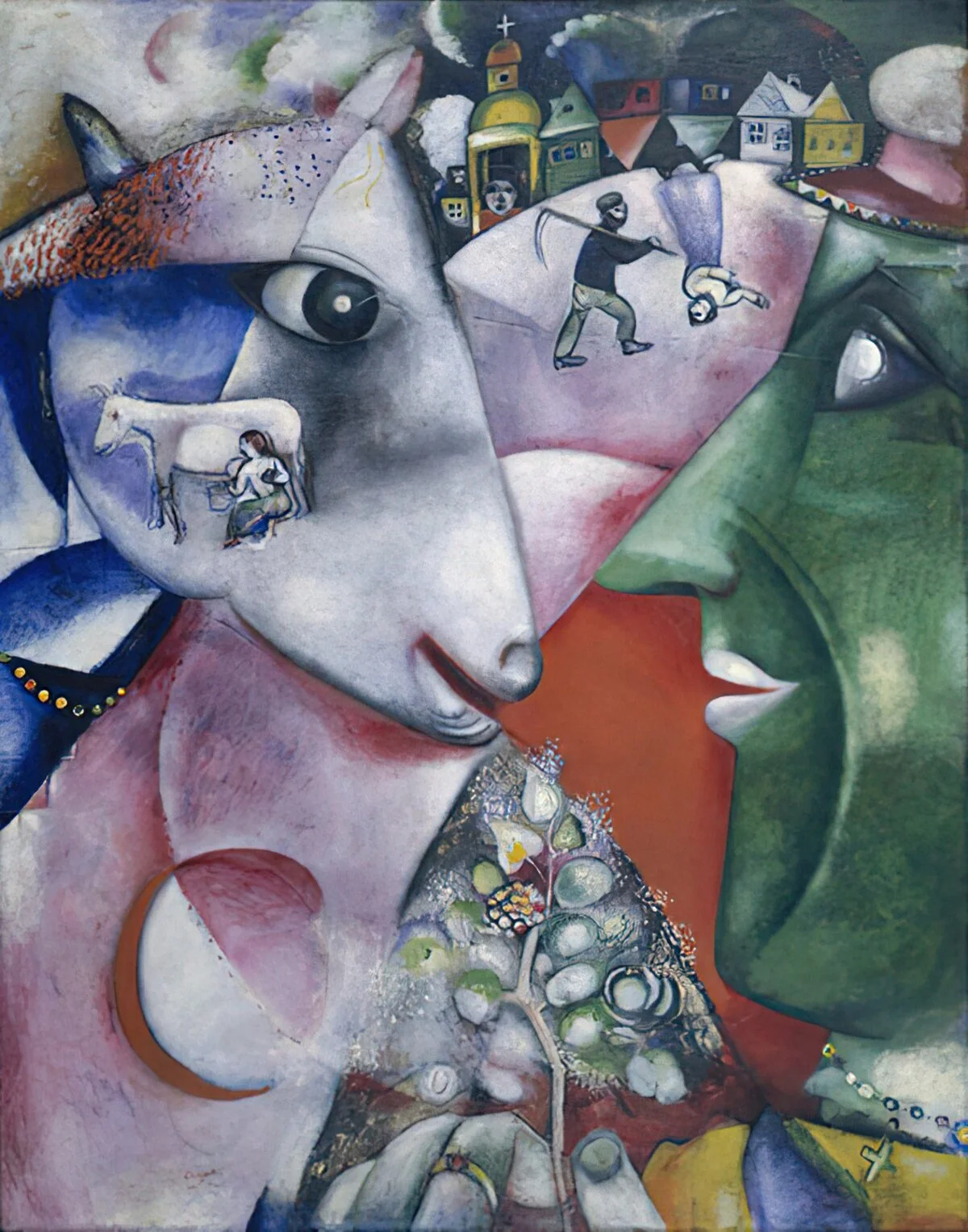
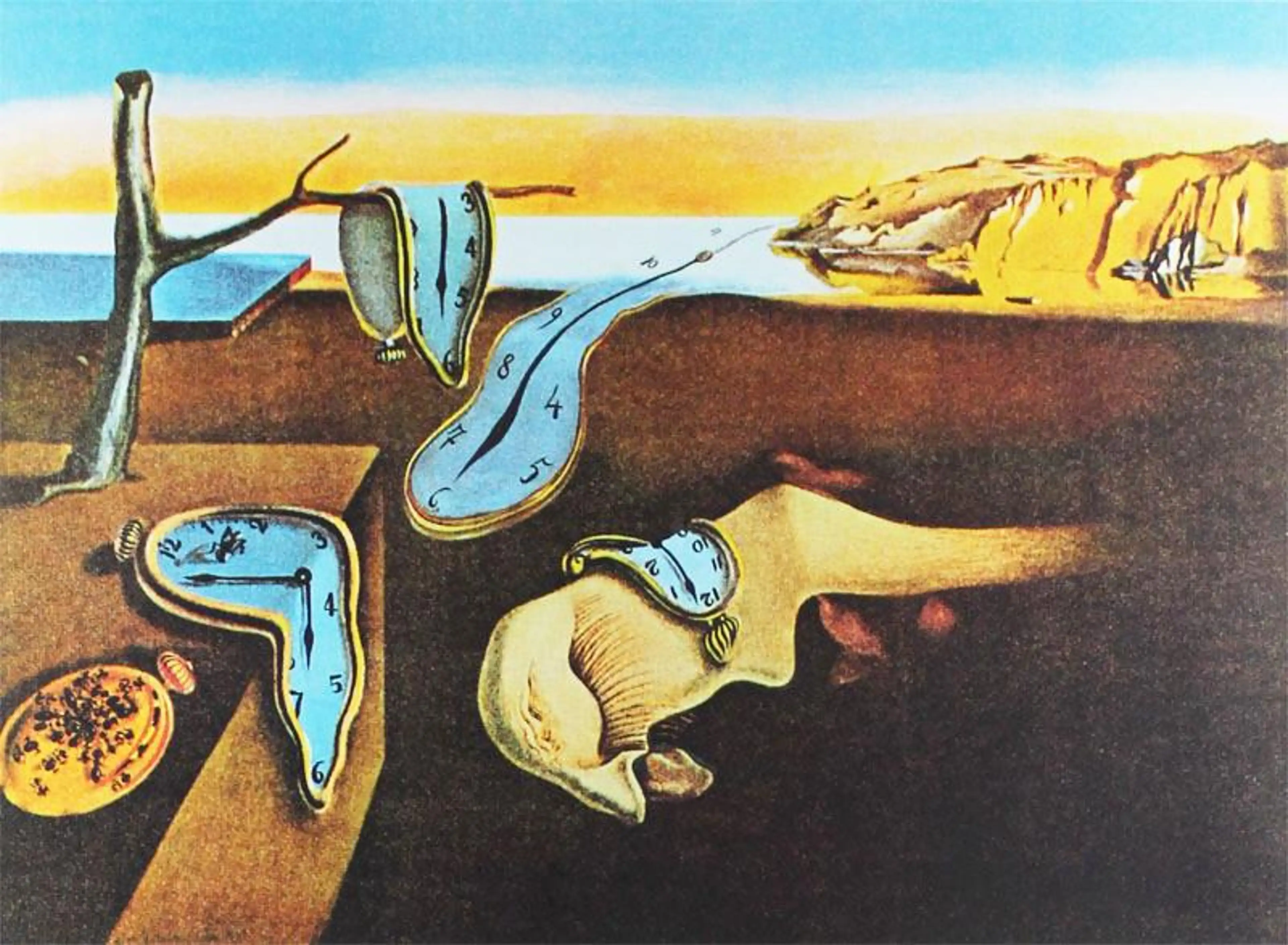
The movement’s approach to form and content was often influenced by "automatic" techniques, where artists let their minds wander freely to capture raw, subconscious thoughts without rational interference. Ta spontaniczność stworzyła a fluid, illogical quality that captured the irrational nature of dreams. Surrealist compositions are often filled with obiekty symboliczne—such as clocks, eyes, and distorted figures—that carry deep psychological meanings, encouraging viewers to interpret the scenes through their own subconscious associations.
Poprzez uchwycenie podświadomego umysłu, Surrealism challenged the emphasis on logic and reason that had dominated Western art and culture. Its exploration of dreams and the irrational introduced a radical new way of seeing, one that valued the mystical and unknown aspects of existence.
Themes and Motifs
Zestawienie i nieoczekiwane
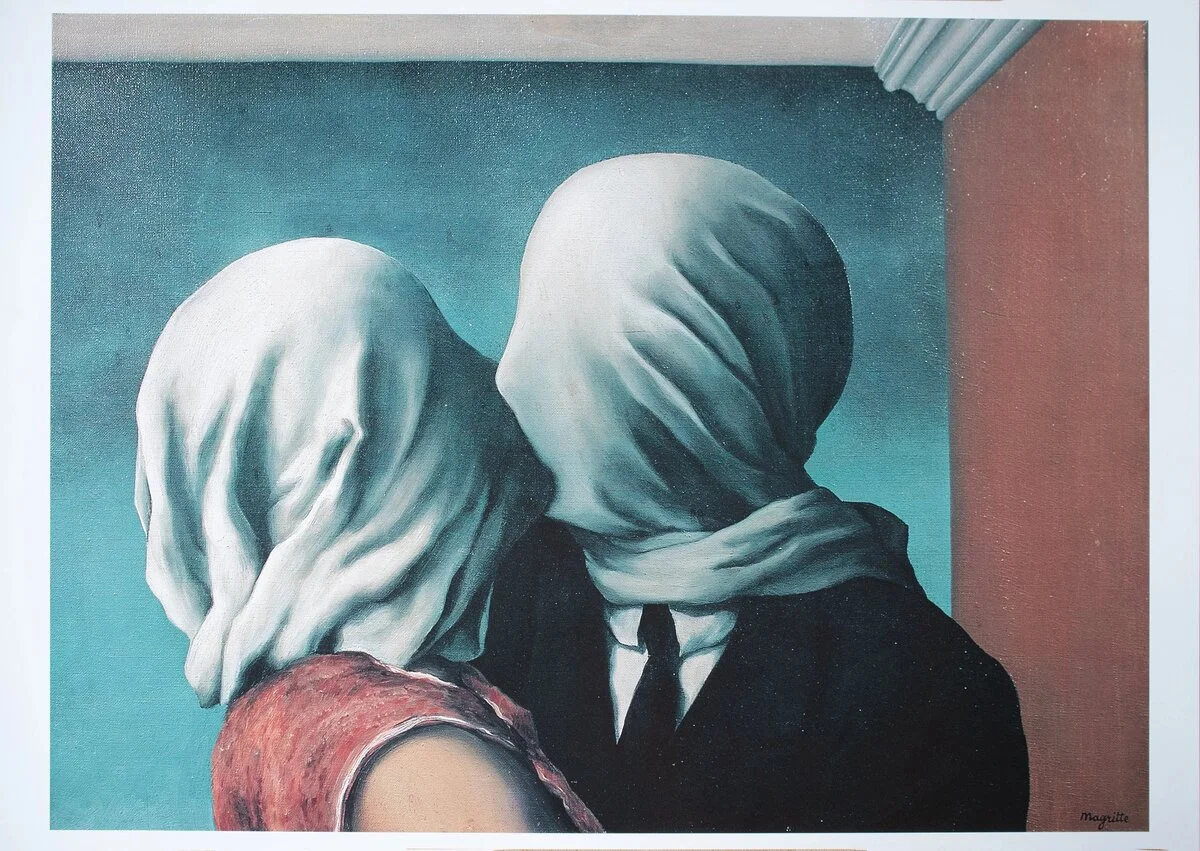
Surrealism is characterized by its use of startling juxtapositions, combining unrelated or incongruous objects and scenes to create a sense of the uncanny. This technique was intended to shock the viewer and disrupt their expectations, forcing them to question the nature of reality. Surrealists would often place familiar objects w dziwnych kontekstach or alter them in bizarre ways to create a dreamlike effect. Through these unexpected pairings, Surrealism explored how the mind makes meaning and associations. Surrealism’s juxtapositions invite viewers to engage with familiar objects in new, unsettling ways, revealing layers of meaning often hidden beneath ordinary appearances. By transforming mundane items into symbols of the subconscious, Surrealists emphasized the power of imagination to disrupt conventional perception and evoke deep emotional responses.

The motif of juxtaposition allowed Surrealists to convey the complexity ludzkiej psychiki i jej sprzecznych emocji. Umożliwiło to także artystom to explore social and political themes, using strange, disjointed compositions to comment on the absurdity of societal norms. This method encouraged viewers to see the world from a different perspective, challenging them to interpret the hidden connections between unrelated elements in the artwork.
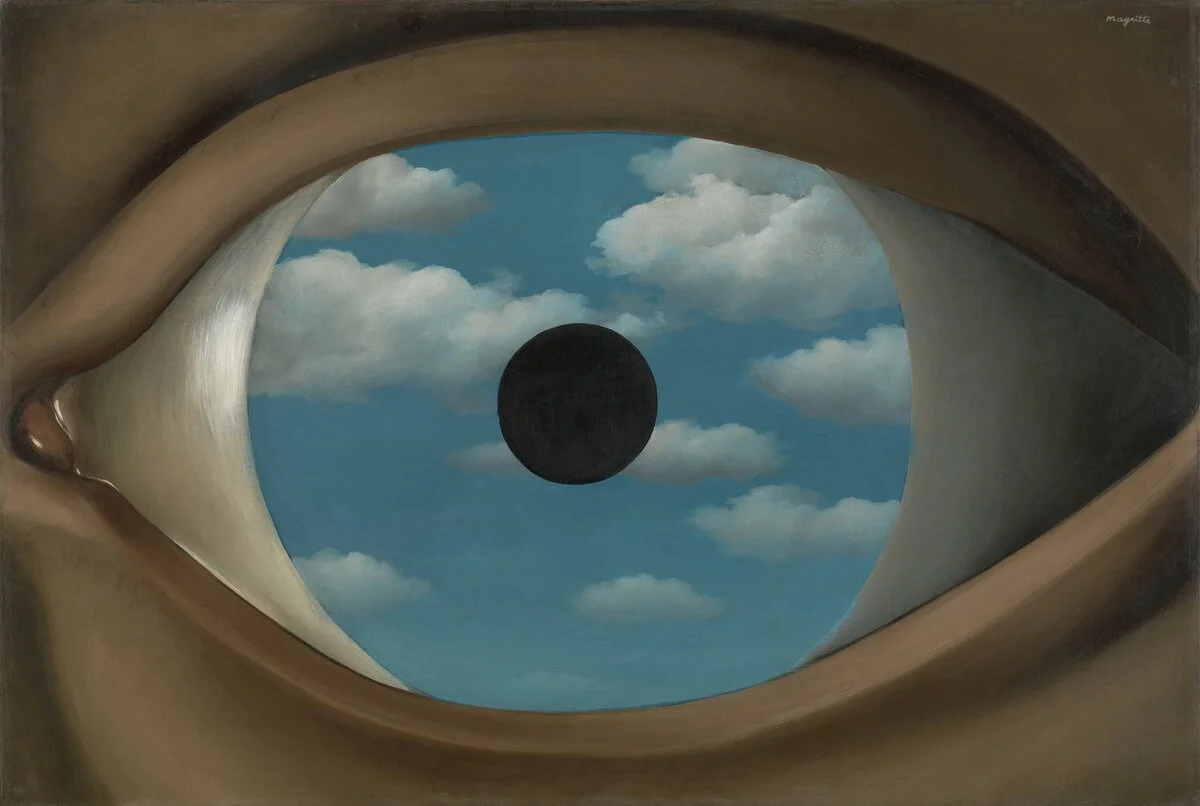
Poprzez te nieprawdopodobne kombinacje, Surrealizm ujawnił irracjonalną i nieprzewidywalną naturę myśli. Łącząc fantazję z rzeczywistością, Surrealists brought viewers into a space where both ordinary and fantastical elements coexist, often in unnerving or whimsical ways. By merging the familiar with the fantastical, Surrealists invited viewers to confront the limitations of logic, encouraging a more fluid and imaginative understanding of reality. These juxtapositions created scenes where the ordinary was infused with mystery, revealing that even the most recognizable elements of life could be transformed w symbole podświadomości. This blending of realms allowed Surrealism to act as a bridge between everyday experience and the deeper, often hidden layers of thought, challenging the viewer to find new meaning in what might otherwise go unnoticed.
Transformacja i Metamorfoza
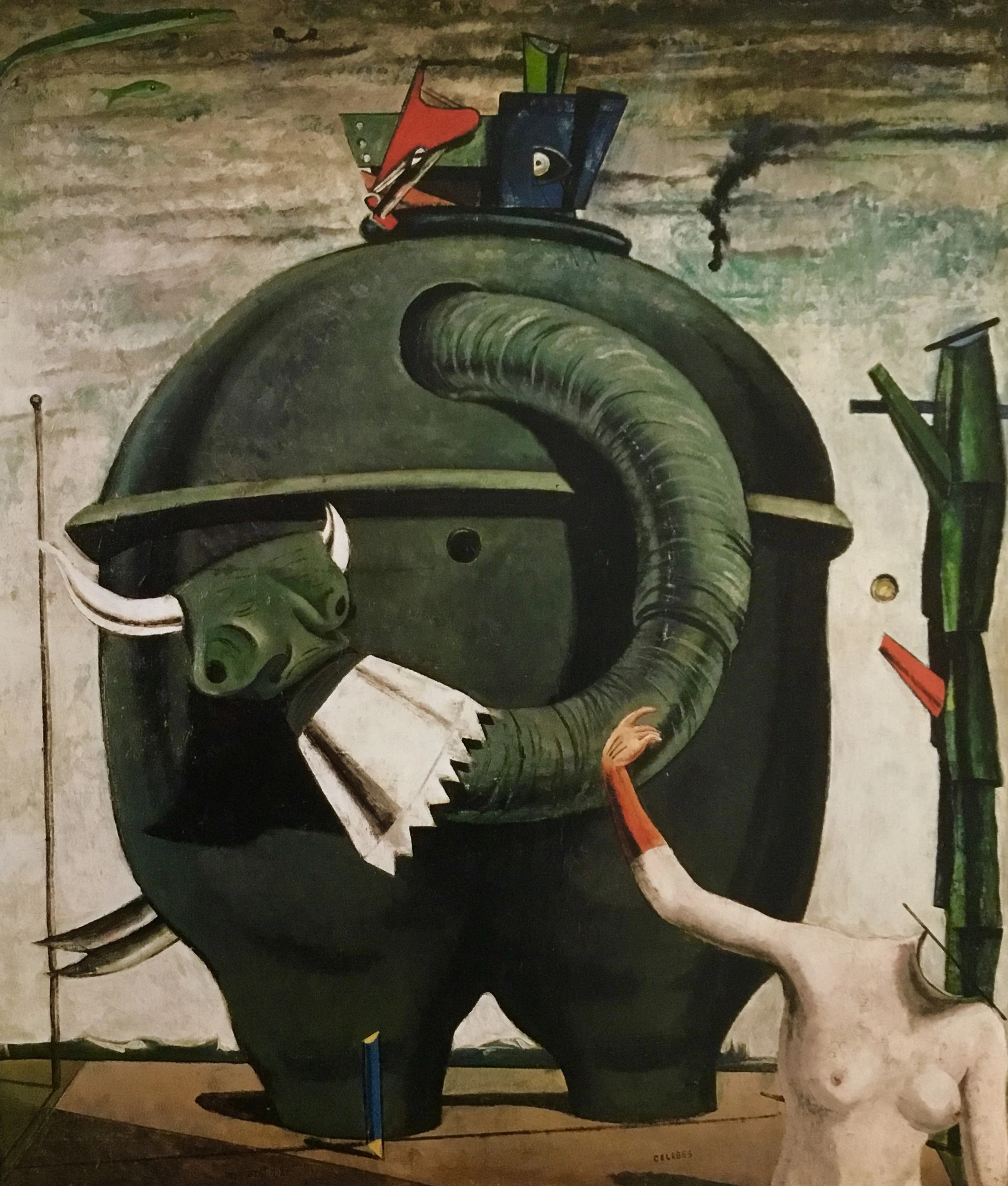
Kolejnym powracającym motywem w Surrealizmie jest temat transformation , w którym znane przedmioty lub postacie przekształcane są w dziwne, często nierozpoznawalne formy. Ta transformacja odzwierciedla płynną naturę snów, gdzie tożsamości i wyglądy się zmieniają unpredictably. Metamorphosis was used as a metaphor for change and the hidden layers of identity, encouraging viewers to see beyond surface appearances and into the complex inner worlds of the psyche.
The theme of transformation also allowed artists to explore idee psychologiczne i filozoficzne. By depicting objects in the process of becoming something else, Surrealists conveyed the impermanence of identity and the power of the subconscious to reshape reality. This motif challenged the viewer to confront the fragility of reality and embrace a world where forms and meanings are constantly shifting.
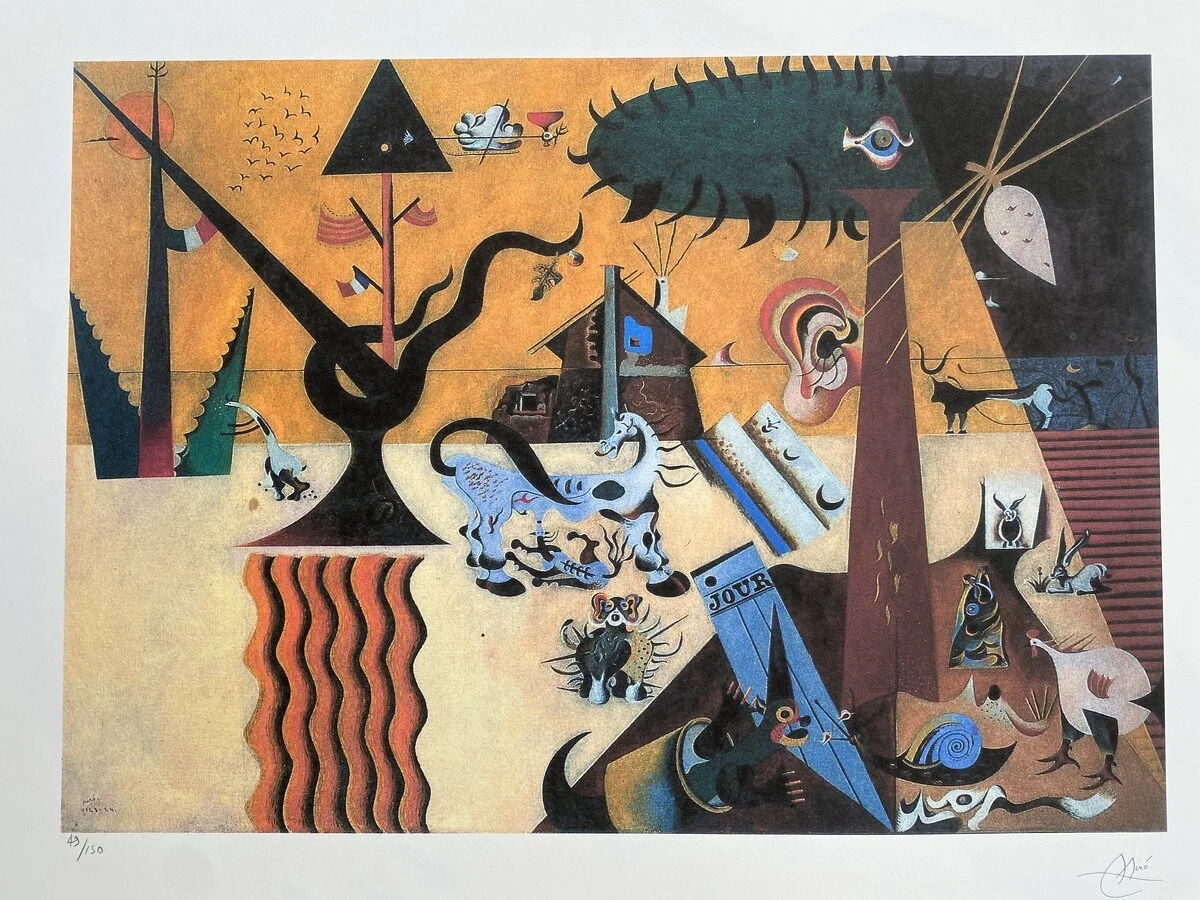
"Everything we see hides another thing; we always want to see what is hidden by what we see." – René Magritte
Poprzez transformację, Surrealizm sugerował, że wszystko w życiu is interconnected and subject to change. This concept helped to break down the barriers between subject and object, self and other, and encouraged viewers to embrace the fluid, ever-changing nature of perception.
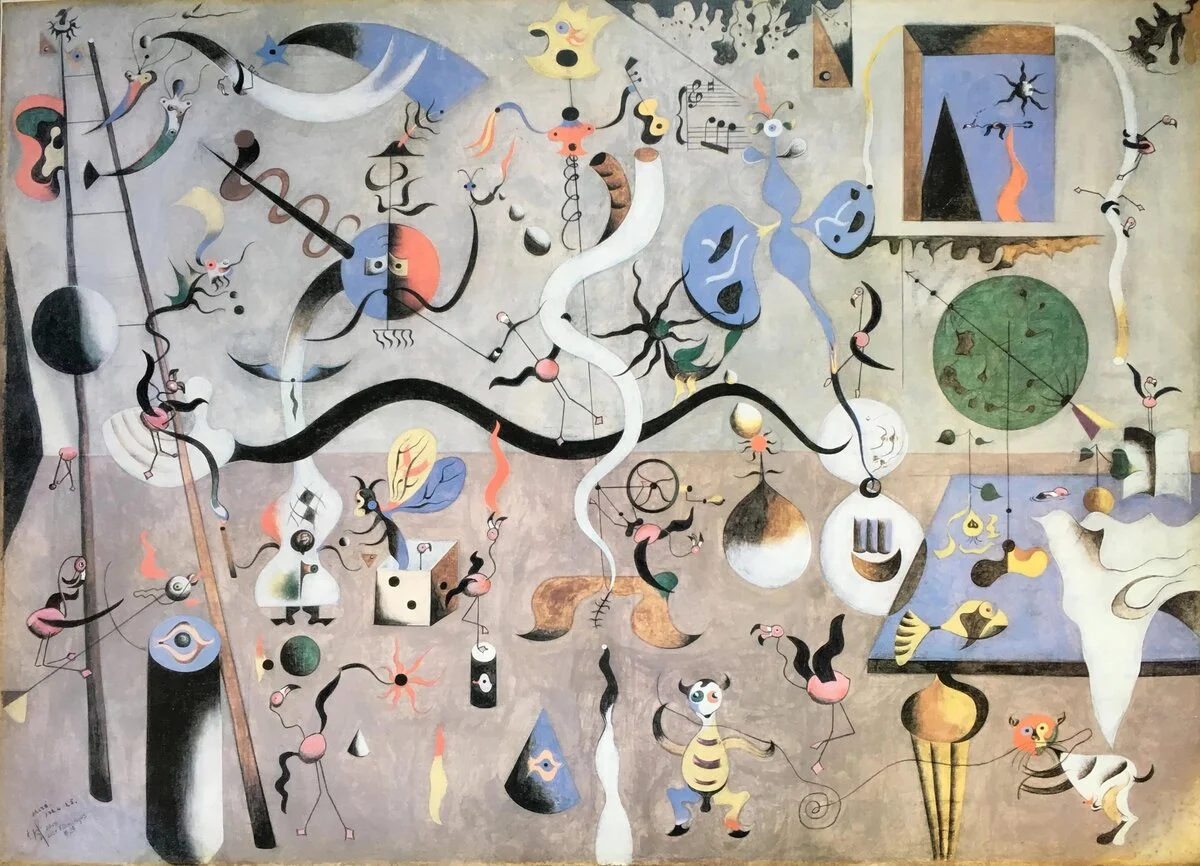
Impact and Influence
Wpływ na sztukę, literaturę i film
Surrealism had a głęboki wpływ na visual art, literature, and film, inspiring creators to explore themes of fantasy, the subconscious, and the irrational. In literature, Surrealist poezję i prozę defied traditional narrative structures, often embracing automatic writing, where authors wrote without censorship or conscious control. This technique aimed to capture the spontaneity of thought, resulting in works that feel fragmented and dreamlike.
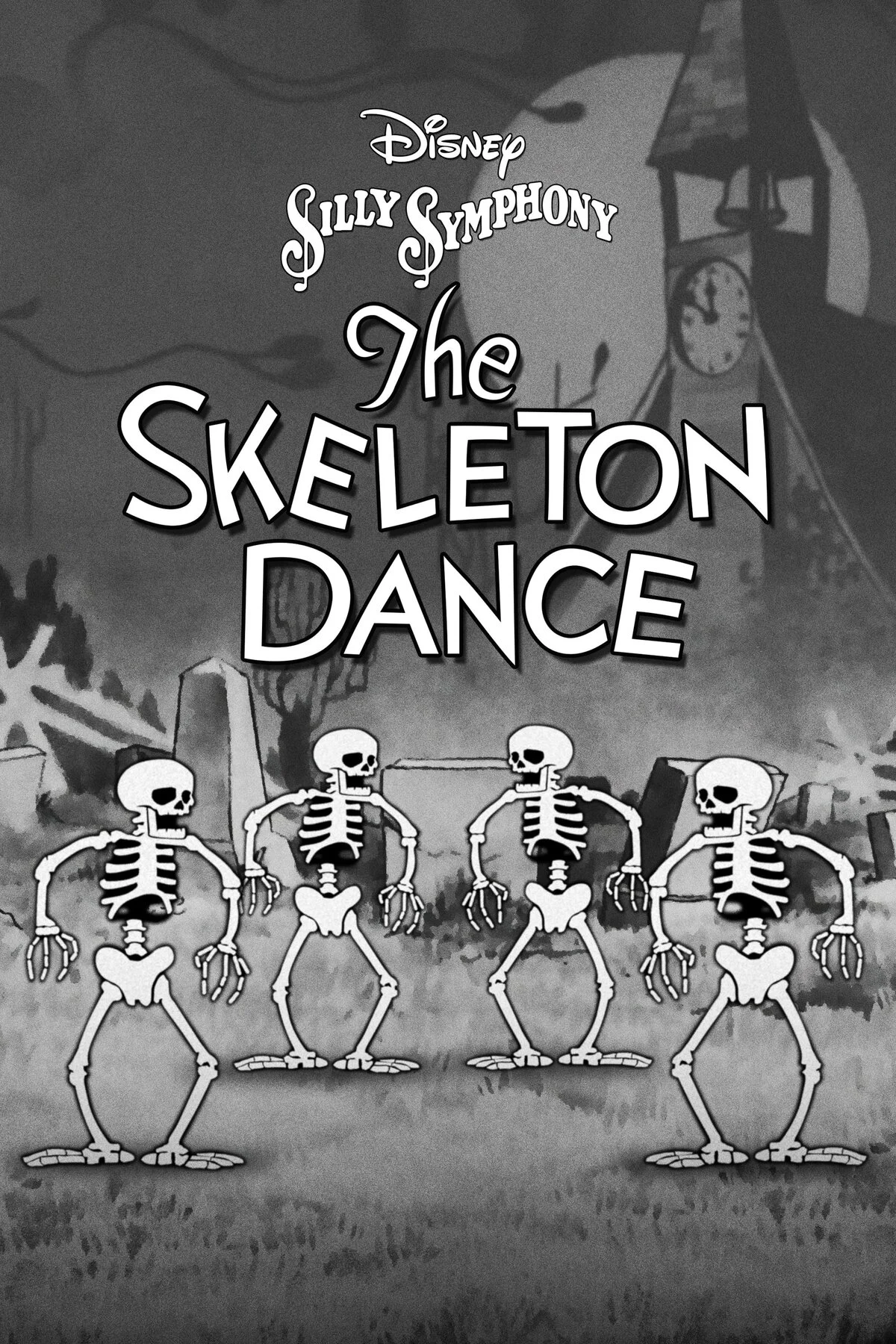
W kinie , Surrealizm wpłynął na reżyserów takich jak Luis Buñuel and Jean Cocteau, who used surreal, disorienting imagery to capture the psychological tension between reality and fantasy. Buñuel’s "Un Chien Andalou" (1929), made with Salvador Dalí, featured disturbing, surreal scenes intended to shock viewers and reveal hidden, subconscious fears and desires. Surrealist influence also found its way w animacji , gdzie fantazja, abstrakcja i niemożliwe transformacje stały się powszechnymi motywami.
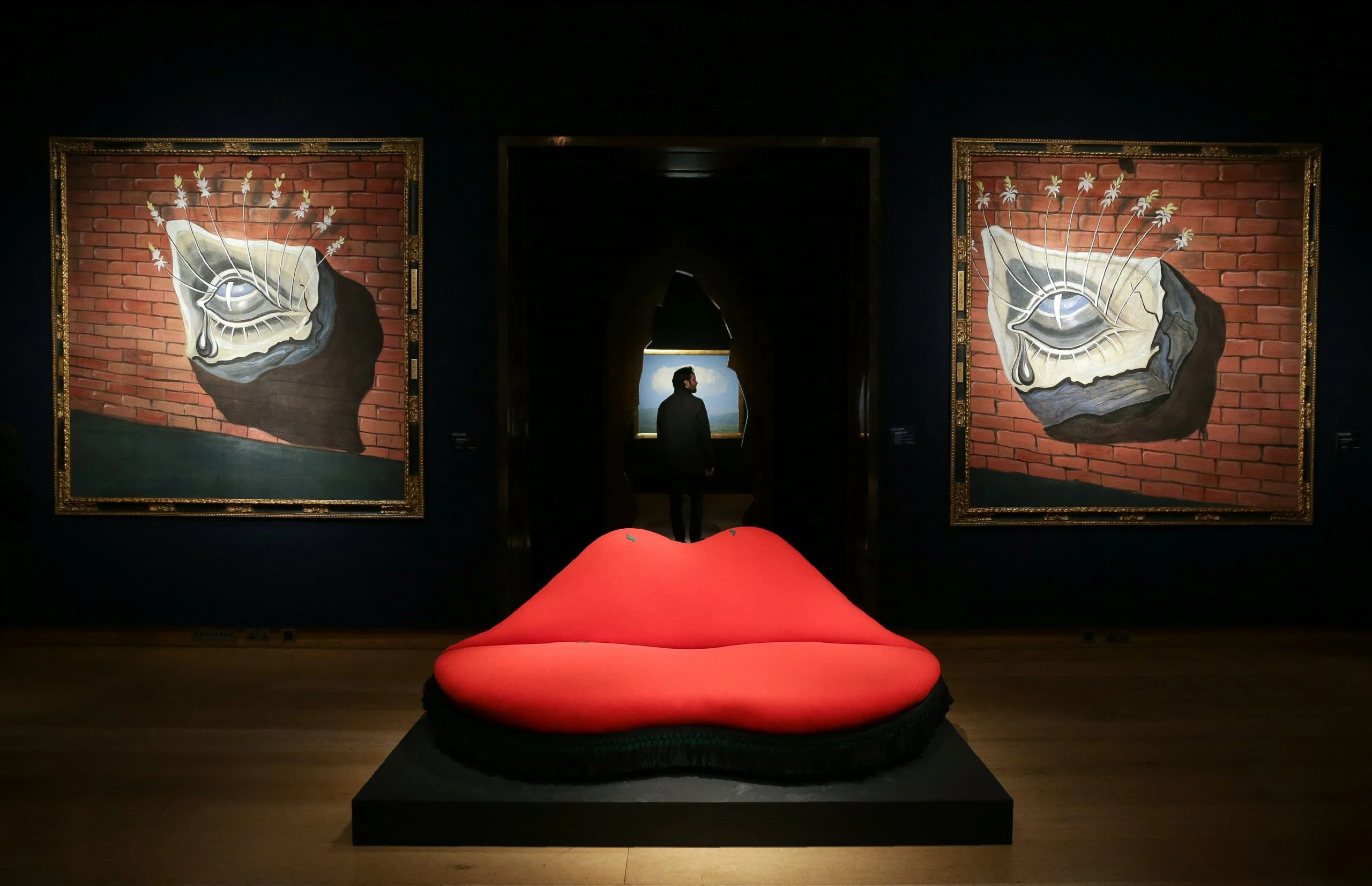
Wpływ ruchu rozciągnął się na modę, design i reklamę, where the dreamlike and symbolic nature of Surrealism encouraged bold visual experimentation. Artists such as Salvador Dalí collaborated with designers, creating surrealist-inspired jewelry, fashion, and even shop displays. This widespread influence demonstrated Surrealism’s versatility and its capacity to resonate across multiple creative fields, permanently altering the landscape of modern art and culture.
Przykłady reprezentatywne
The Temptation of St. Anthony autorstwa Salvadora Dalí (1946)
„The Temptation of St. Anthony” Salvadora Dalí to a vivid depiction of psychological struggle, rendered in surreal, dreamlike forms. In the painting, elongated, spindly-legged animals carry symbols of wealth, power, and sensuality, representing the temptations that torment St. Anthony, who stands in the foreground clutching a cross to defend himself. The exaggerated proportions and strange compositions emphasize temat pożądania , sugerujący kruchość ludzkiej woli wobec przytłaczających, przyciągających, większych niż życie pokus. Dalí’s use of a barren desert landscape further reinforces a sense of isolation, intensifying the feeling that St. Anthony is confronted by an inner battle within an empty, desolate mindscape.
Obraz reflects Fascynacja Surrealizmu nieświadomością, szczególnie ideą, że ukryte pragnienia i lęki mogą pojawiać się w dziwacznych, wyolbrzymionych formach. Marzycielskie obrazy Dalí i symboliczne zestawienia uchwycą surrealistyczny cel rozświetlania złożoności ludzkiej psychiki. Kombinacja of religious iconography and grotesque symbolism underscores the psychological tension between spiritual purity and earthly temptation, while the distorted, nightmare-like imagery invites viewers to interpret the surreal scene according to their own inner conflicts and desires.

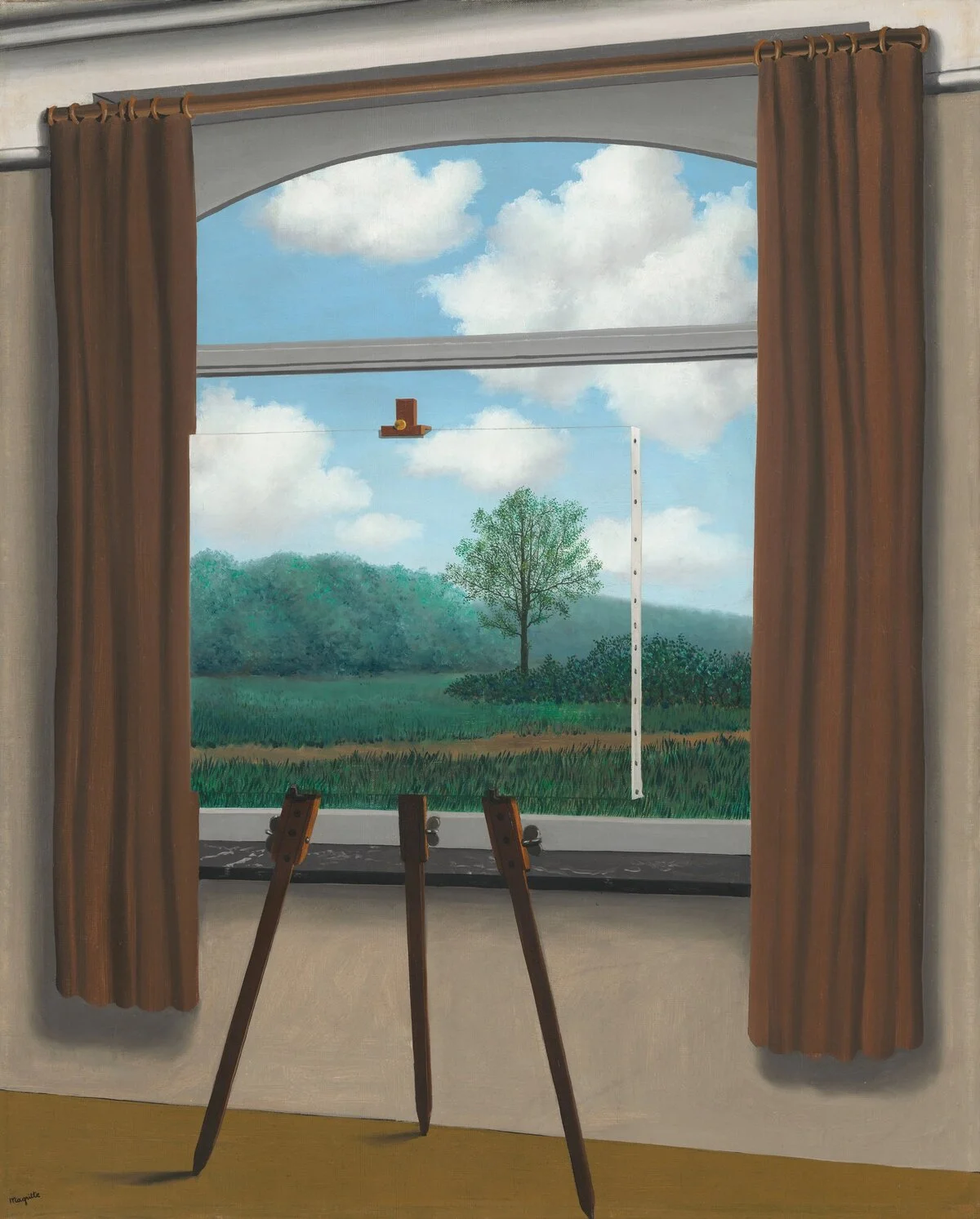
The Human Condition autorstwa René Magritte (1933)
Obraz René Magritte’a „The Human Condition” oferuje a paradoxical view of reality and perception, reflecting the surrealist theme of exploring the hidden nature of everyday existence. The painting shows an easel holding a canvas that seamlessly continues the landscape behind it, blending the painted and real elements into one. By creating this iluzję optyczną, Magritte challenges viewers to question the wiarygodność ich percepcji, sugerując, że to, co uważamy za rzeczywistość, może być po prostu obrazem lub interpretacją ukształtowaną przez nasz umysł.
Twórczość Magritte’a często dążyła to reveal the hidden or ambiguous aspects of the familiar, and "The Human Condition" exemplifies this by blurring the line between the real and the represented. The painting can be seen as a commentary on the idea that our understanding of reality is always mediowaną przez percepcję, nigdy w pełni obiektywna ani kompletna. To dzieło rezonuje z Surrealizmem core zainteresowaniem podświadomością, gdyż podnosi pytania o związek między percepcją, rzeczywistością a wewnętrznymi mechanizmami ludzkiej świadomości.
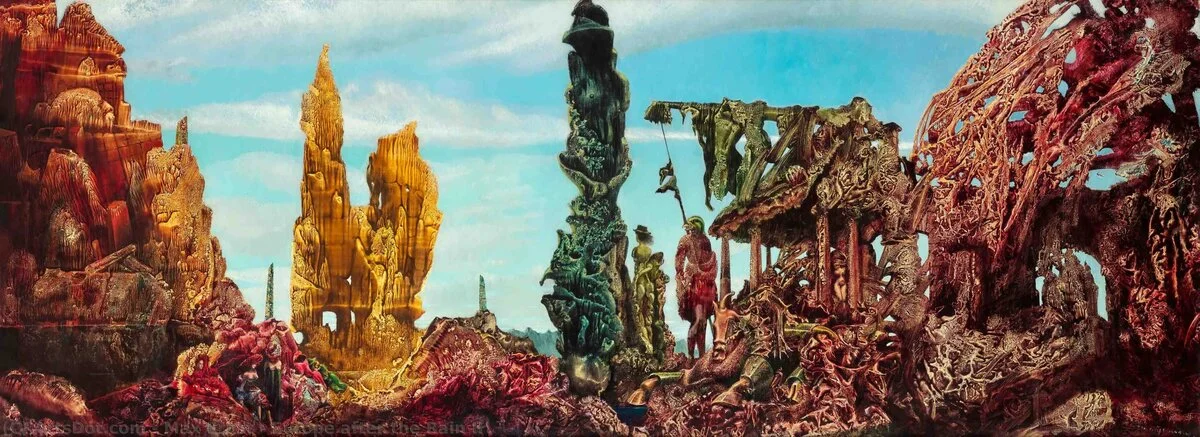
Europe After the Rain II autorstwa Maxa Ernsta (1940-42)
"Europe After the Rain II" by Max Ernst is a haunting, półabstrakcyjny krajobraz odzwierciedlający zniszczenia i psychologiczny niepokój II wojny światowej. Stworzony przy użyciu innowacyjnych "decalcomania" technique, where paint is pressed between surfaces and then manipulated to create chaotic, organic textures, the painting presents a fractured, alien landscape that seems to exist in a world devoid of life. The cracked, twisted forms within the landscape evoke ruins and decay, offering a symbolic vision of Europe ravaged by war. This eerie, almost apokaliptycznego otoczenia podkreśla surrealistyczne skupienie na badaniu mrocznych i niepokojących aspektów ludzkiego doświadczenia.
The painting is a powerful example of Surrealism’s ability to merge political and psychological themes, using surreal imagery to evoke a collective sense of dread and disillusionment. Ernst’s work captures the chaos and trauma of the period, presenting it as a surreal, koszmarna wizja upadku społeczeństwa. „Europe After the Rain II” odzwierciedla również surrealistyczne zainteresowanie badaniem krajobrazów jako metafor for the mind, with the desolate setting symbolizing both personal and cultural devastation, resonating deeply with audiences in a time of widespread uncertainty and upheaval.
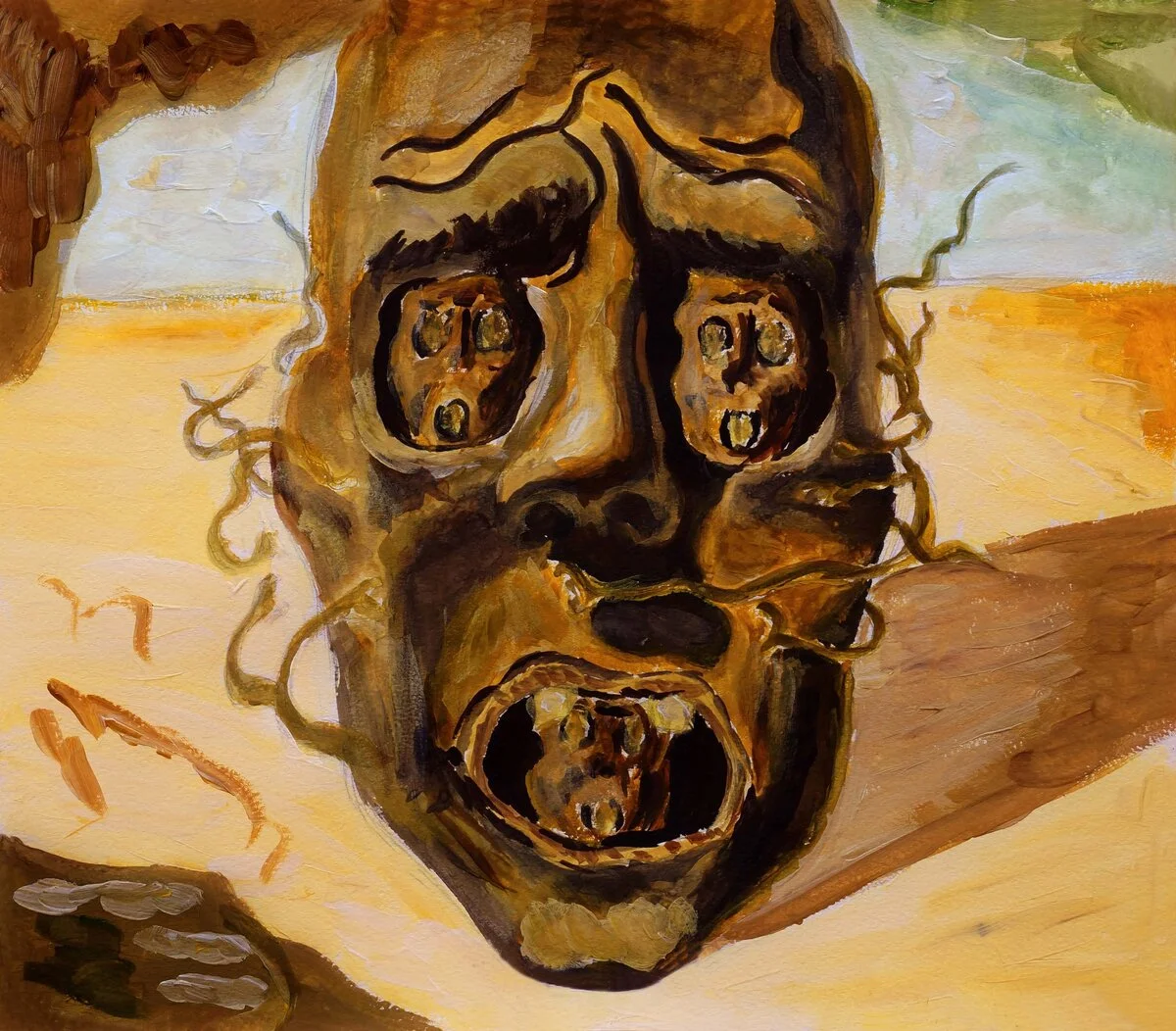
The Face of War autorstwa Salvadora Dalí (1940)
„The Face of War” Dalí przedstawia a grotesque, haunting depiction of war’s emotional and psychological toll. In the painting, a skull with hollow, empty eyes stares out at the viewer, and within each eye socket is another skull, creating nieskończoną regresję of skulls that reinforces the sense of unending death and suffering. The background is a barren desert, emphasizing desolation and isolation, while snakes surround the skull, adding to the sense of menace. Ta warstwowa wizualizacja sugeruje, że okropności wojny są powtarzalne i nieuniknione, odbijając traumę zadawaną tym, którzy ją przeżywają.
The painting reflects Dalí’s surrealist approach to symbolism, using haunting, dreamlike images to evoke complex emotional responses. "The Face of War" serves as an exploration of both the personal and collective subconscious in the aftermath of conflict, capturing uniwersalny horror i bezcelowość wojny. Zniekształcone dzieło Dalí, surreal style magnifies the psychological impact of the piece, inviting viewers to confront their own fears and anxieties about violence and mortality in a deeply personal way, resonating with Surrealism’s intent to reveal hidden emotional depths.
Upadek i dziedzictwo
Decline of Surrealism as a Formal Movement
Do lat 60. Surrealizmu wpływ zaczął to wane as new art movements like Abstract Expressionism, Pop Art, and Minimalism gained popularity. These emerging styles offered a more immediate, modern response to the social and cultural shifts of the post-war period, particularly in the United States. Abstract Expressionism, for example, shifted the focus toward pure emotion and gestural abstraction, distancing itself from the dreamlike, detailed imagery that defined Surrealism. As the art world moved toward abstraction and conceptualism, Nacisk Surrealizmu na figurację, symbole i narrację stracił część swojej istotności w kręgach awangardy.
"Surrealism is not a poetry but a way of liberation." – Octavio Paz
.webp)
Kontekst polityczny also played a role in Surrealism’s decline as a dominant force. Surrealists, particularly André Breton, had aligned the movement with leftist ideals, using art as a tool for social change. However, with shifting political landscapes in the mid-20th century and the rise of consumer culture, misja surrealistyczna to revolutionize society through art was overshadowed by movements more closely aligned with the modernist sensibility. Pop Art, for example, embraced mass media and consumerism, focusing on popular culture in ways that Surrealism’s introspective, subconscious explorations did not.
Mimo upadku jako zorganizowany ruch, Surrealizm nie zniknął ale raczej zintegrował się z różnymi aspektami kultury popularnej. Wiele z jego podstawowych idei, takich jak analiza snów, automatyczne rysowanie i badanie podświadomości, pozostał wpływowy and were carried forward by individual artists. Even though Surrealism no longer held a unified artistic identity, its impact continued to kształtować sztukę nowoczesną i współczesną.
Dziedzictwo i trwały wpływ surrealizmu
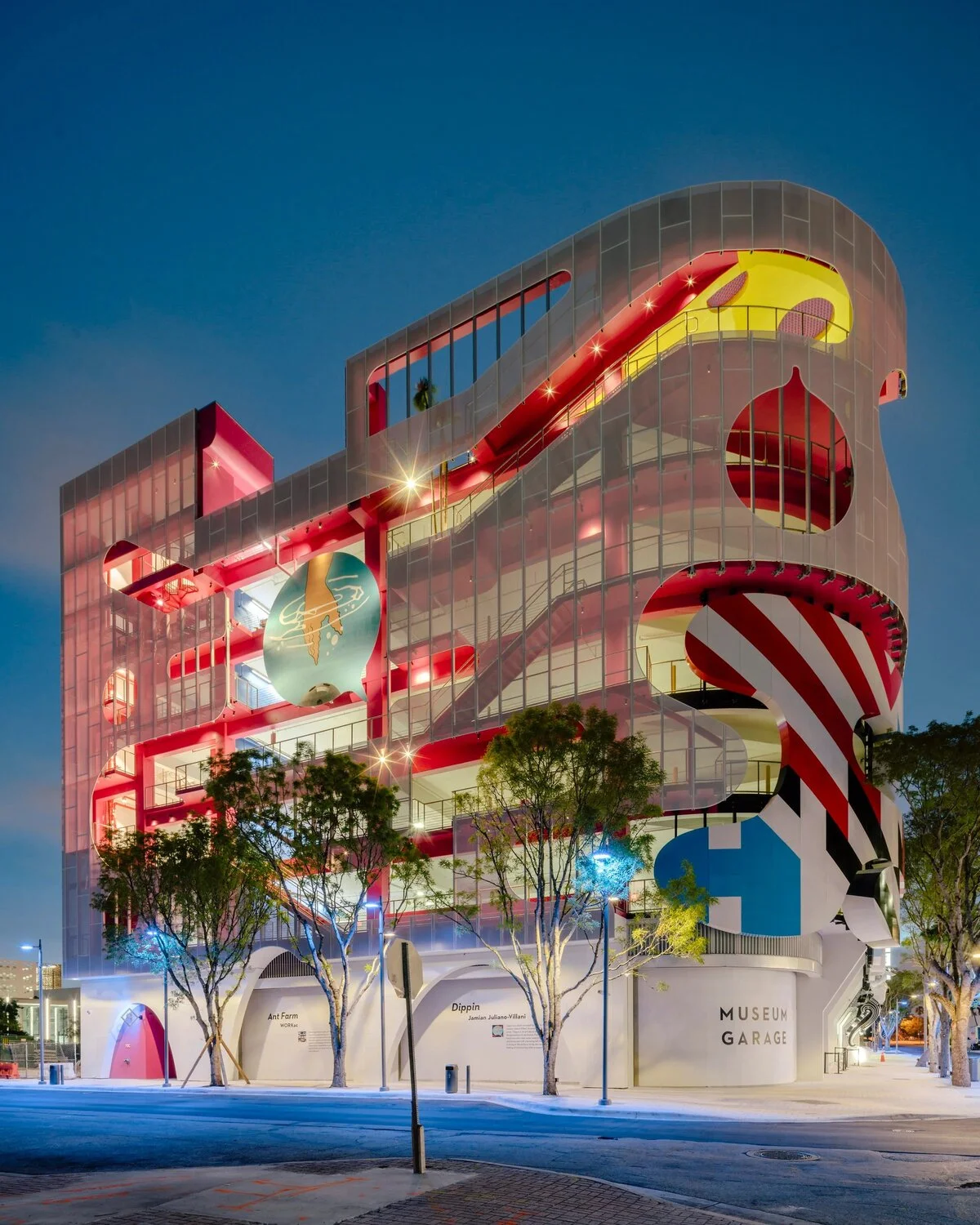
While Surrealism formally receded, its legacy continues to resonate w wielu dziedzinach twórczych, from art and film to literature and fashion. Contemporary artists regularly draw on Surrealist themes, such as dreamlike imagery, unexpected juxtapositions, and an emphasis on the subconscious mind, to explore psychological and emotional depth in their work. This influence is especially prevalent in installation art and immersive experiences, where artists create spaces that distort reality, encouraging viewers to experience the surreal and kwestionować ich percepcję. Digital art has also embraced the surreal, blending realistic and fantastical elements to create otherworldly virtual environments that mirror dream states.
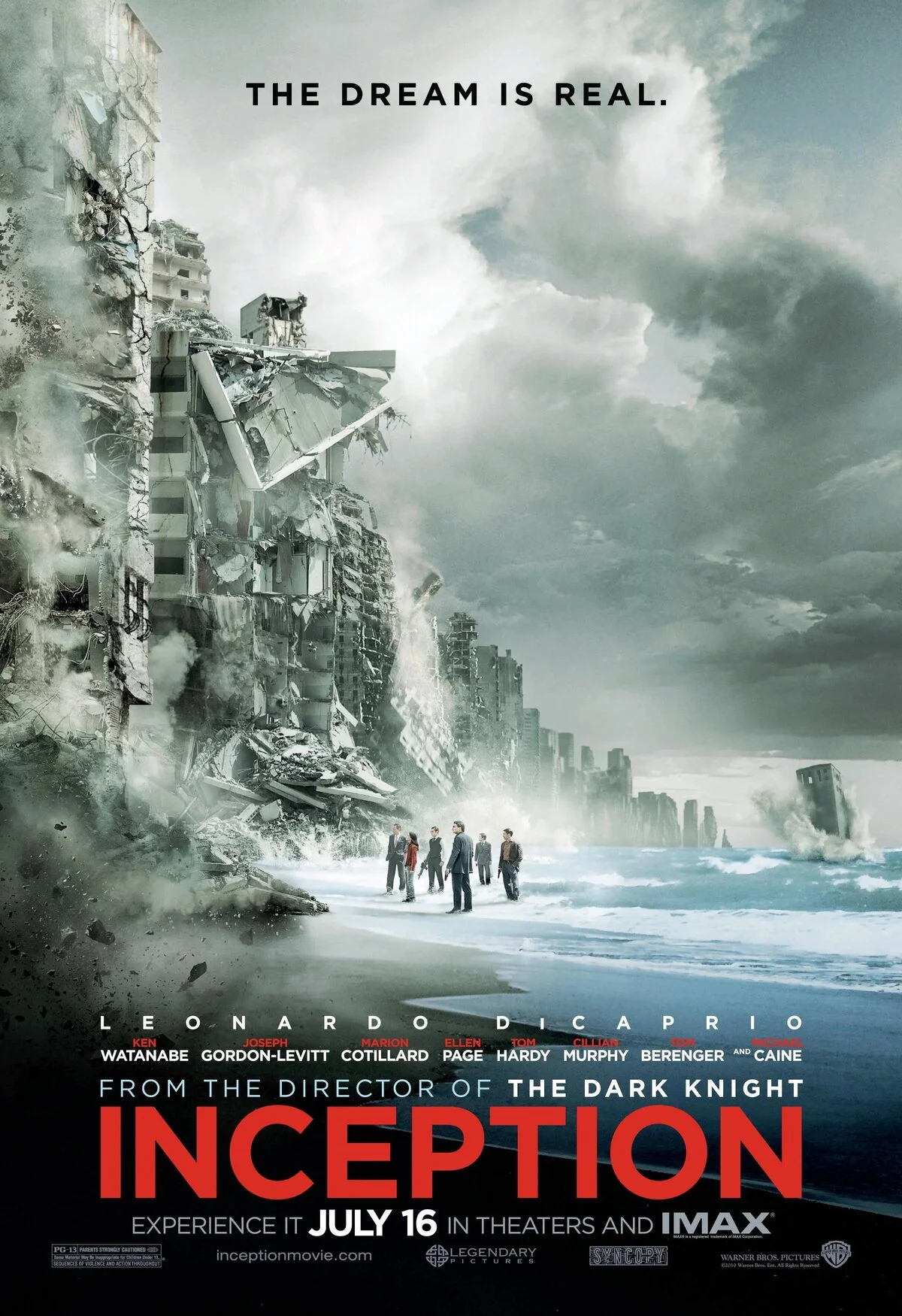
Surrealism has also left a lasting mark on popular culture, particularly in cinema, where directors like David Lynch and Guillermo del Toro have incorporated surrealist elements into their storytelling. Their work captures Surrealism’s ability to transport audiences to alternate realities filled with enigmatic symbols, unsettling visuals, and complex emotions. Literature and graphic novels continue to explore surrealist themes as well, especially in genres like magical realism, where the strange and inexplicable are integrated into otherwise ordinary narratives. Reklama i moda have likewise adopted Surrealism’s fascination with the uncanny, using dreamlike and surreal aesthetics to create visually memorable, provocative pieces that capture the imagination.
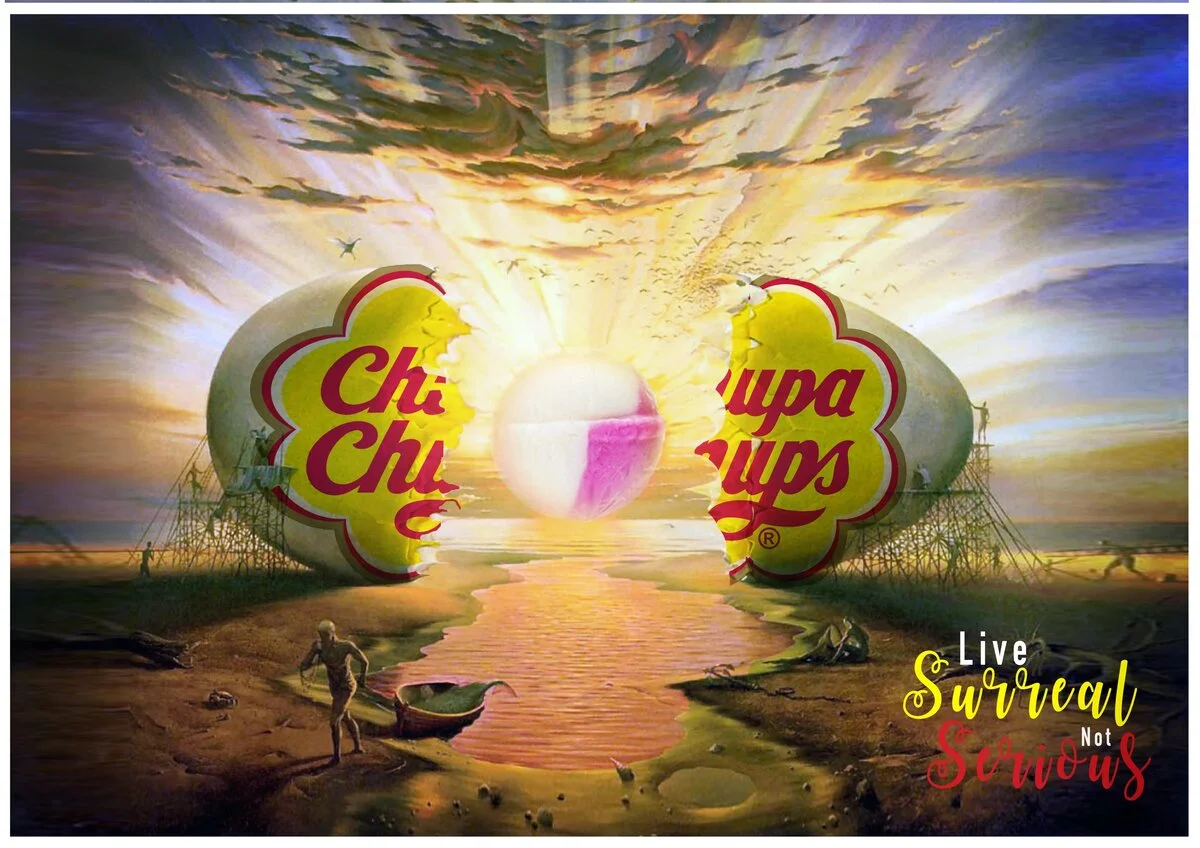
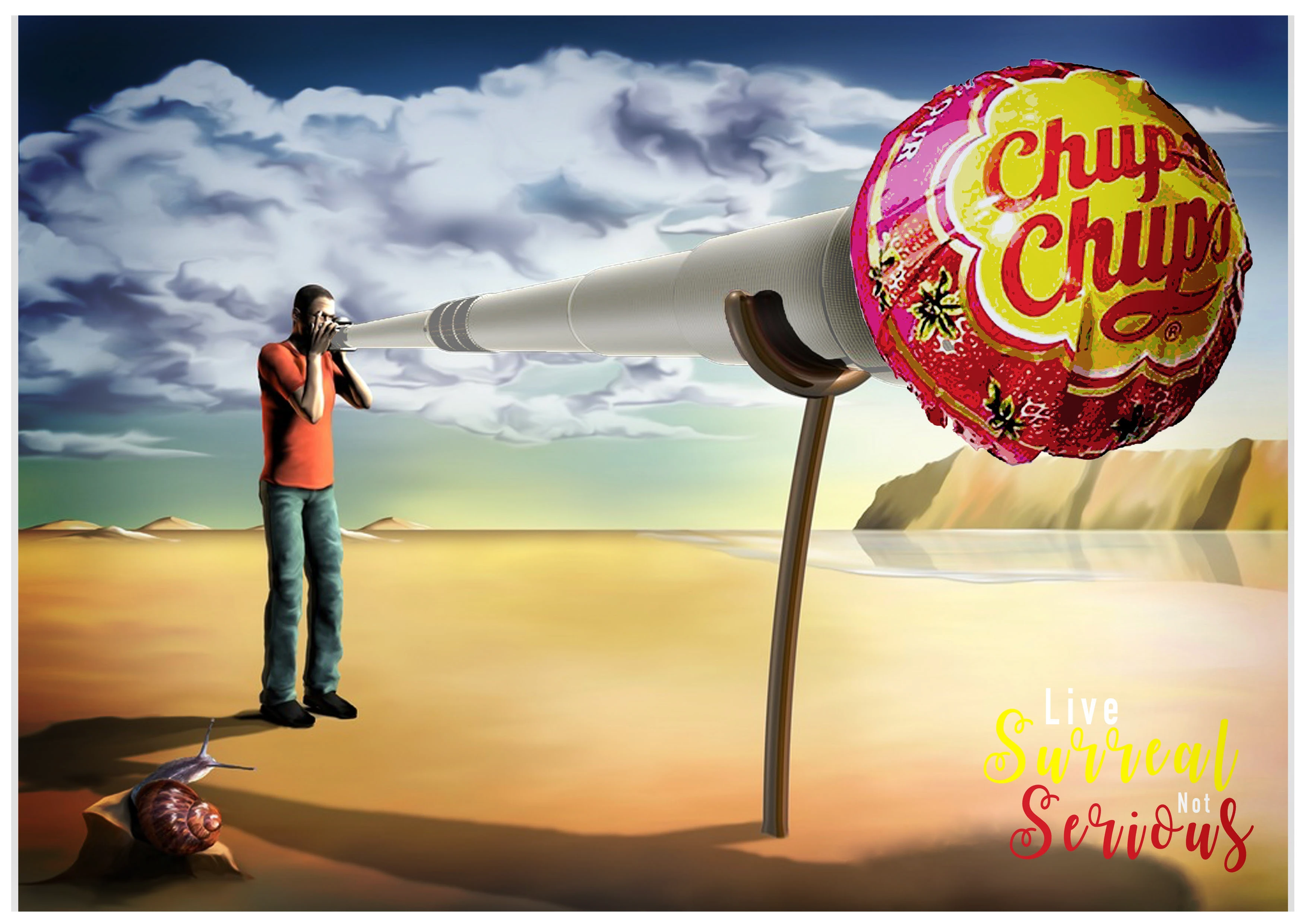
Logo lizaka Chupa Chups is a fascinating example of Salvador Dalí’s influence extending into popular culture and commercial design. In 1969, the Spanish confectionery company Chupa Chups, founded by Enric Bernat, approached Dalí to create a distinctive logo for their brand. Dalí, known for his surrealist art, brought his unique vision and iconic style to the project, designing a logo that remains instantly recognizable to this day.
Podobno Dalí ukończył projekt w mniej niż godzinę, a jednak stał się jednym z najbardziej trwałych logotypów w historii brandingu. His work on the Chupa Chups logo demonstrates how he applied his surrealist creativity to mainstream products, using art to enhance everyday experiences and bridging the gap between high art and popular culture. Today, the Chupa Chups logo is still widely used, a testament to Dalí’s lasting impact on branding and visual design.
Edward James, a British poet and ardent supporter of Surrealism, conceived Las Pozas, niezwykły ogród rzeźby w Xilitla, Meksyk, jako a surrealist haven łączący sztukę z bujną, dziką urokliwością dżungli. Constructed over several decades from the 1940s to the 1980s, Las Pozas is an imaginative landscape filled with massive concrete structures, designed to evoke a dreamlike escape where the natural and surreal collide. Inspired by the ideals of Surrealism, James envisioned the garden as a space that invites visitors into inny niż światowy experience, with unexpected forms and pathways that seem to flow from the subconscious mind rather than rational design principles.
Ogród zawiera surrealistyczną architekturę elements such as towering columns, staircases leading nowhere, arched doorways, and abstract sculptures that feel unfinished or spontaneously formed, as if part of a living dream. These structures were intended to reflect Fascynacja surrealizmem with the subconscious, capturing an atmosphere of mystery and the unexpected. James collaborated with local artisans to realize his vision, creating a “Surrealist Xanadu” where art and nature intertwine in a continuous, immersive experience. Las Pozas stands as a monumental testament to Zaangażowanie Jamesa to Surrealism, bringing the movement’s poetic and imaginative spirit to life in a uniquely physical and interactive form.
.webp)
Zaangażowanie surrealizmu to exploring the hidden aspects of the psyche and the mysteries of human perception has left niezatarty ślad na to, jak sztuka i kultura angażują się w nieznane. Poprzez propagowanie irracjonalnego i zagadkowego, surrealizm ma encouraged generations to see reality as multifaceted and open to interpretation, inspiring new ways of understanding creativity, self, and the world.
Conclusion: Surrealism remains one of the most groundbreaking art movements, urging both artists and viewers to explore the depths of the subconscious and embrace the unknown. Through its exploration of dreams and irrationality, Surrealism transformed perceptions of reality, inspiring generations across visual art, literature, and film. While the movement formally dissolved, its legacy endures, encouraging creative approaches that reveal hidden layers of meaning. Today, Surrealism reminds us that the world—and our minds—hold infinite mysteries, inviting us to look beyond the obvious and embrace the enigmatic aspects of human experience.
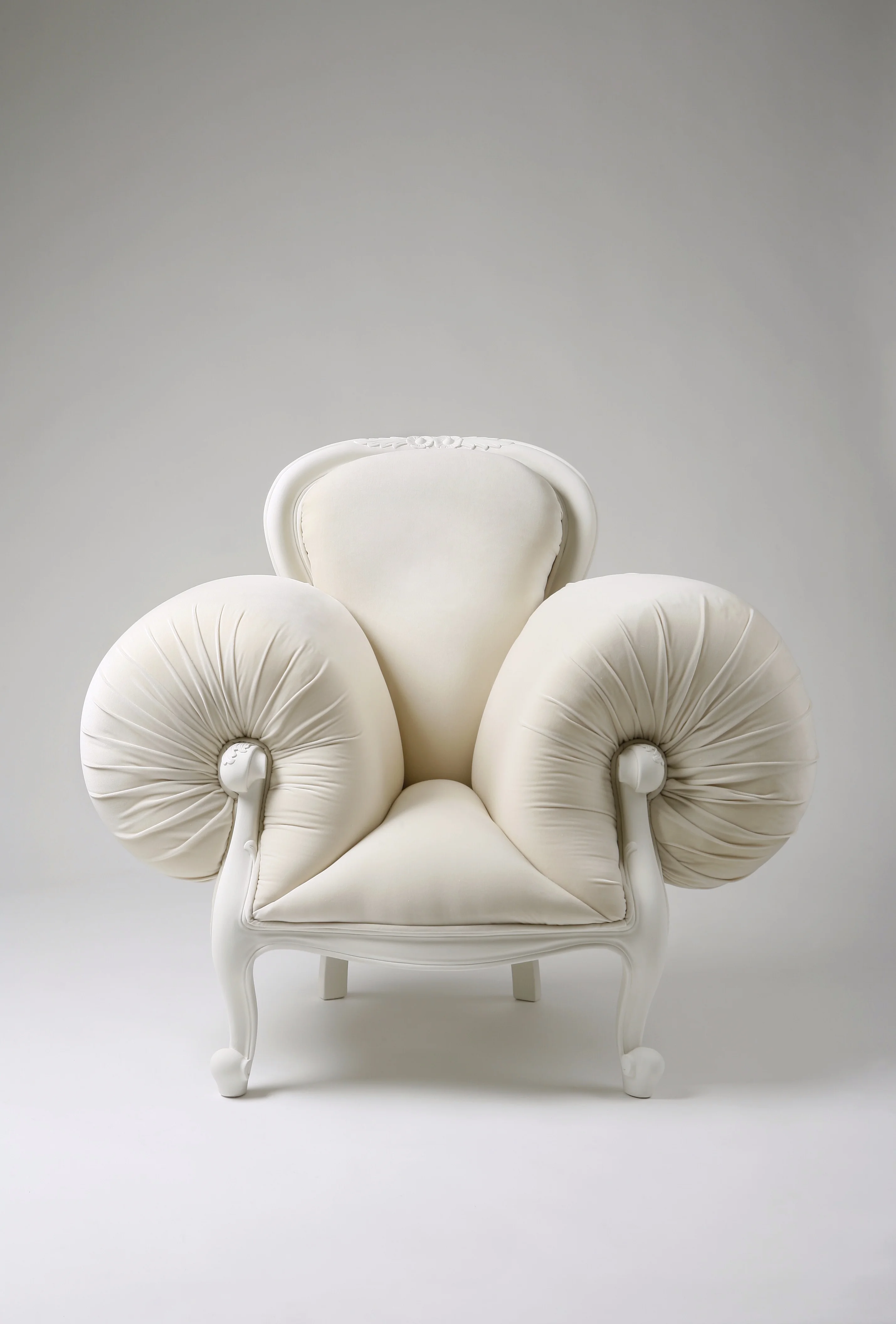
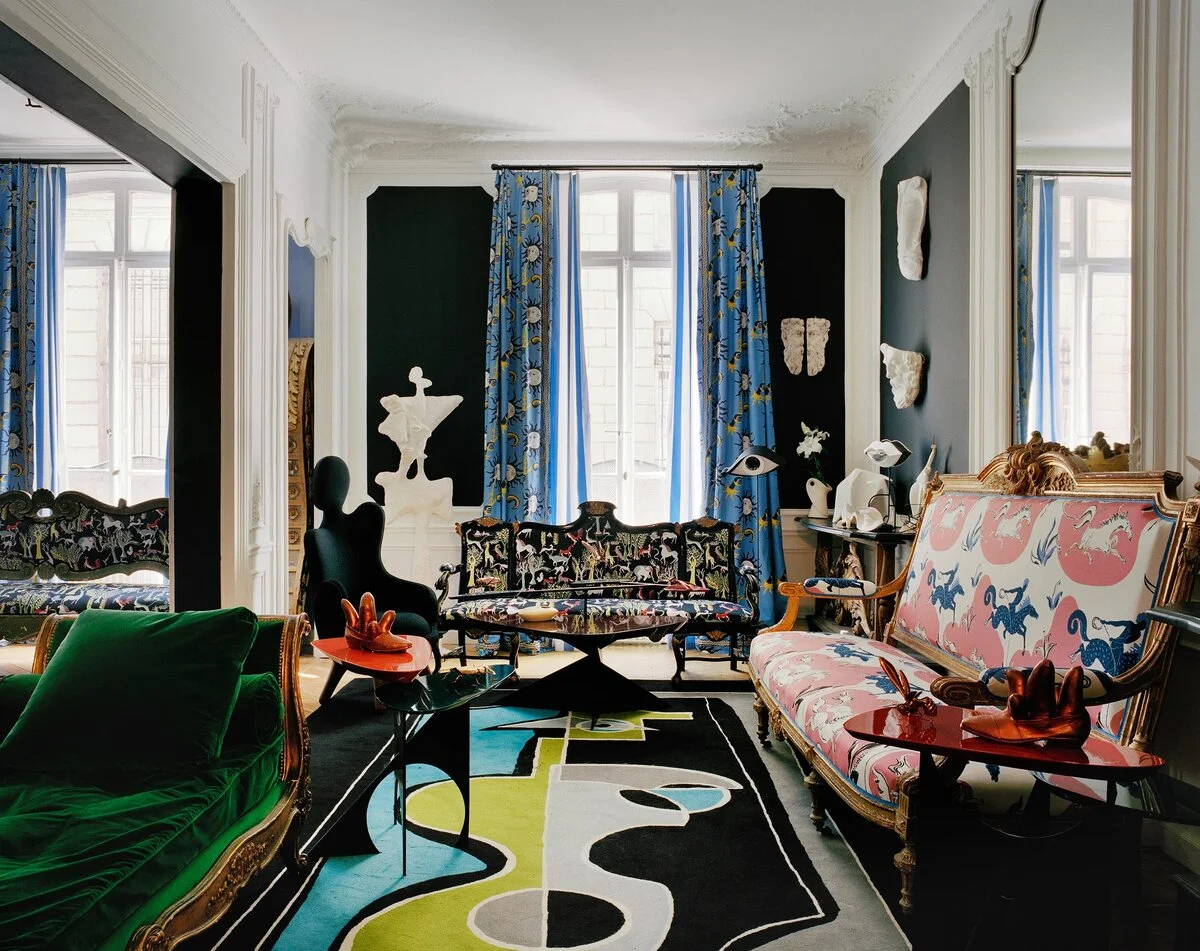
Przykłady wizualne
Jak surrealizm kwestionował tradycyjną sztukę?

Surrealizm odszedł od tradycyjnej sztuki, koncentrując się na podświadomości, snach i irracjonalności. Odrzucając logikę i realizm, artyści tworzyli dzieła łączące nieoczekiwane elementy, zniekształcając rzeczywistość i badając ukryte pragnienia. Takie podejście zdefiniowało na nowo wyraz artystyczny, przesuwając granice wyobraźni i kreatywności w nowy, rewolucyjny sposób.
What techniques did Surrealist artists use to express their ideas?
Surrealist artists used techniques like automatism to bypass conscious thought, as well as collage and photomontage to create surprising combinations. They also employed dreamlike imagery and symbolic motifs, drawing from psychoanalysis to explore the subconscious. These methods helped them create art that defied logic and evoked profound emotional and psychological responses.
Dlaczego surrealizm pozostaje istotny we współczesnej sztuce?
Surrealism remains influential for its ability to explore the subconscious and abstract concepts. Its dreamlike visuals and boundary-pushing ideas inspire modern art, film, and fashion, encouraging creators to embrace the unexpected. The movement’s legacy continues to redefine artistic expression, challenging norms and fostering bold creativity today.

Sofiya Valcheva
Copywritter
When I’m writing, I’m in my zone, focused, creative, and pouring my heart into every word. When I’m not, I’m probably dancing around, lost in my favorite music, or chasing inspiration wherever it may lead!