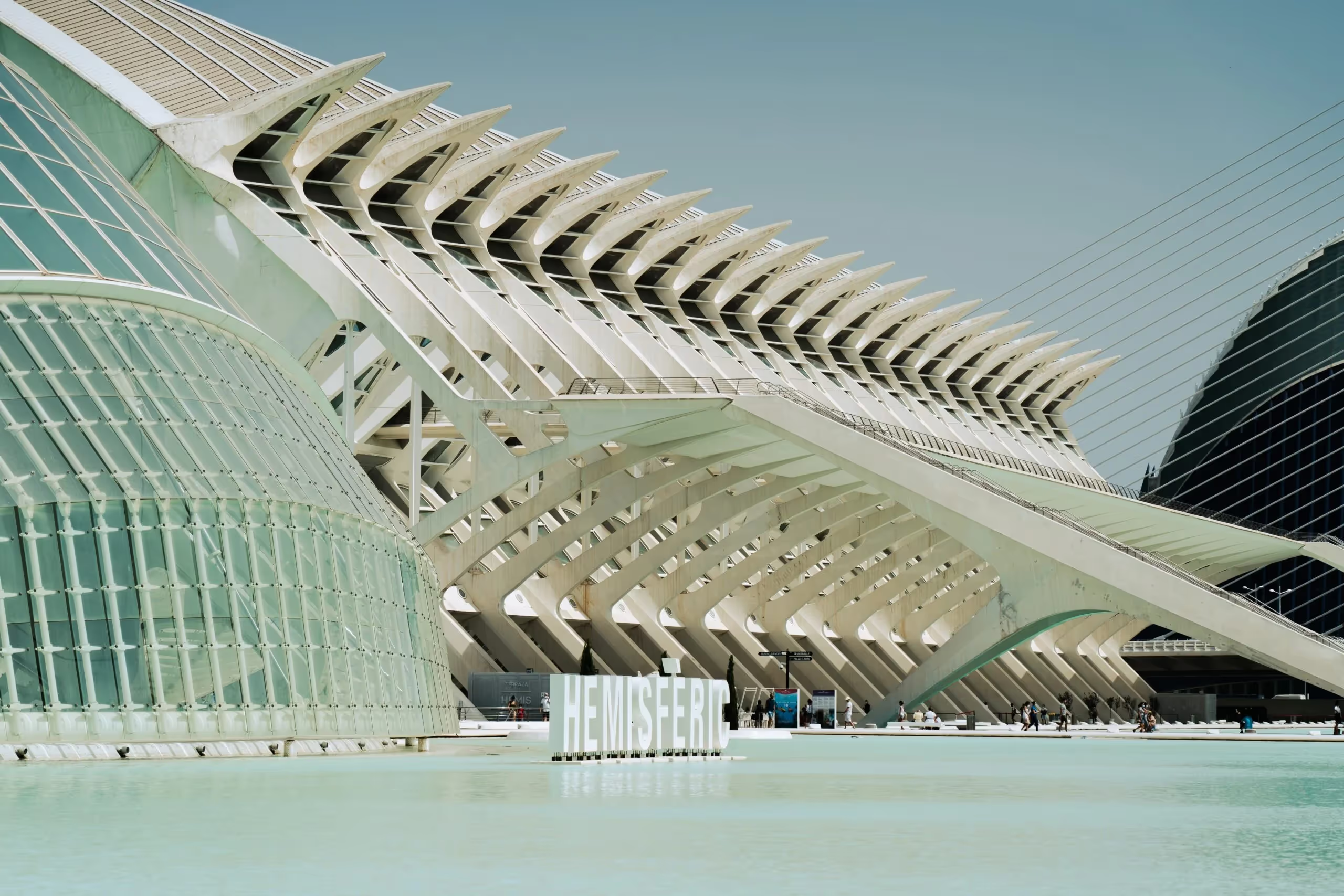
Pojawiając się w czasie, gdy architektura przechodziła głębokie zmiany, dekonstruktywizm oznaczał radykalne odejście od konwencjonalnego projektowania architektonicznego. Była to reakcja zarówno na czystość modernizmu, jak i na historyczny eklektyzm postmodernizmu.
By applying these ideas to architecture, Deconstructivism breaks z sztywnych form, tworząc budynki, które wydają się fragmented lub nawet w procesie rozkładu. To unikalne podejście pozostawiło niezatarty ślad on contemporary architecture, encouraging an experimental attitude that continues to inspire architects globally.
Emerging as a response to the growing complexities of nowoczesne społeczeństwo, Deconstructivism przyjął chaos i fragmentację, challenging the notion that architecture should always seek stability and unity. By disrupting traditional ideas of order, it encouraged architects to view buildings as expressions of dynamic change, resonating with the cultural and philosophical shifts of the late 20th century.
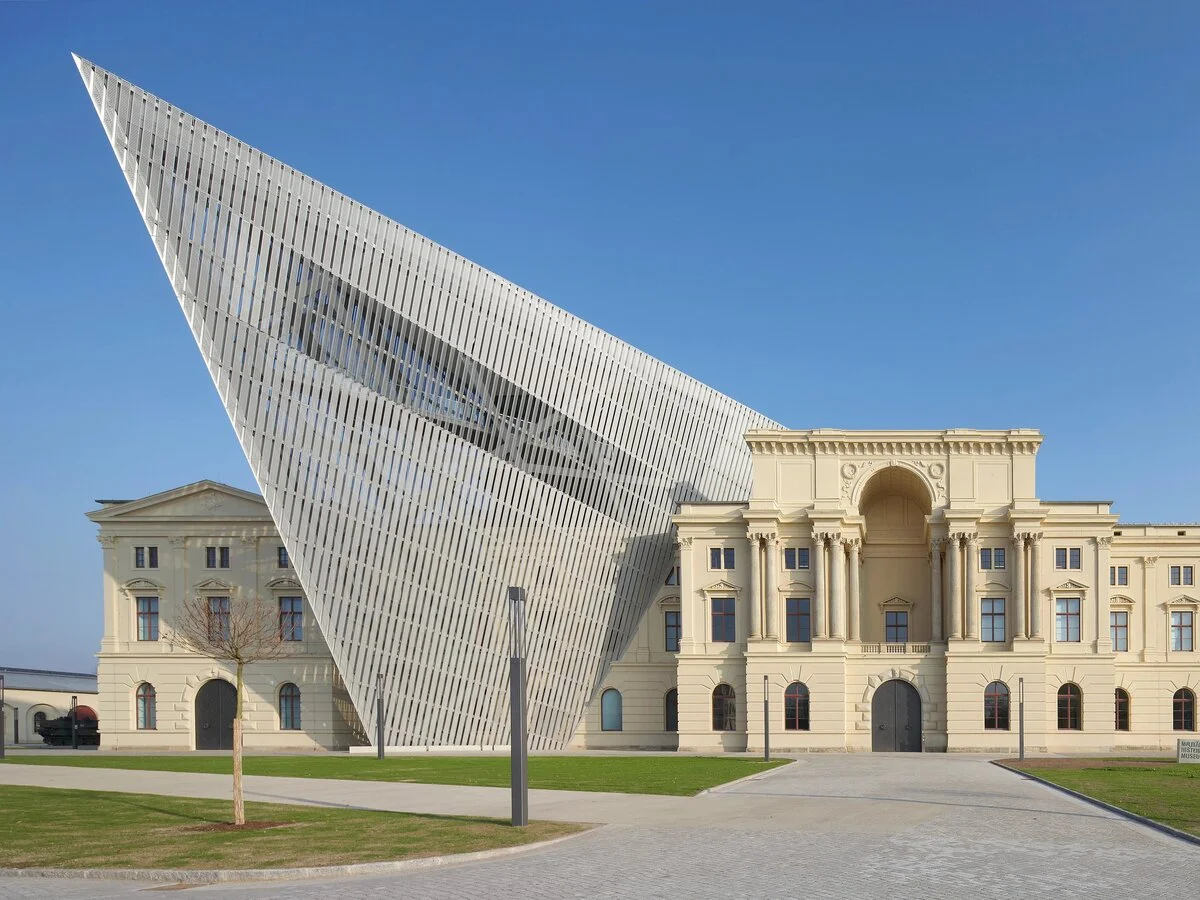
Początki i Ewolucja
Filozoficzne korzenie dekonstrukcji
Podstawowa koncepcyjna baza Deconstructivism jest głęboko powiązana z filozofią Derridy filozofią dekonstrukcjonistyczną, która kwestionuje wiarygodność znaczenia i trwałość struktury. Derrida argued that meaning is inherently fluid, shaped by context and interpretation, a concept that resonated strongly within architectural theory. This perspective was embraced and adapted by architects and theorists such as Bernard Tschumi, who suggested that buildings, much like texts, could be “deconstructed” to reveal multiple layers of meaning, often contradictory and ambiguous. By applying deconstruction, architects defied conventional ideas of form, purpose, and balance, creating designs that intentionally disrupt visual and spatial expectations.
„W dekonstruktywizmie architektura staje się aktywnym dialogiem, rozwijającą się opowieścią, a nie ustalonym stwierdzeniem.” – Peter Eisenman
This intellectual approach led architects to embrace experimentation, crafting buildings that destabilize traditional perspectives. Struktury stały się statements, challenging assumptions of coherence and symmetry and offering a fresh way to experience built space. The 1988 "Deconstructivist Architecture" exhibition at the Museum of Modern Art (MoMA) in New York, curated by Philip Johnson and Mark Wigley, provided a pivotal moment for the movement. The exhibit highlighted the works of architects such as Frank Gehry, Zaha Hadid, and Peter Eisenman, whose designs embodied fragmentation, asymmetry, and unconventional forms. This event not only introduced the broader public to Deconstructivism but also cemented the movement’s place in contemporary architectural discussions, where it wywołały debaty na temat samej istoty celu architektonicznego i wyrazu.
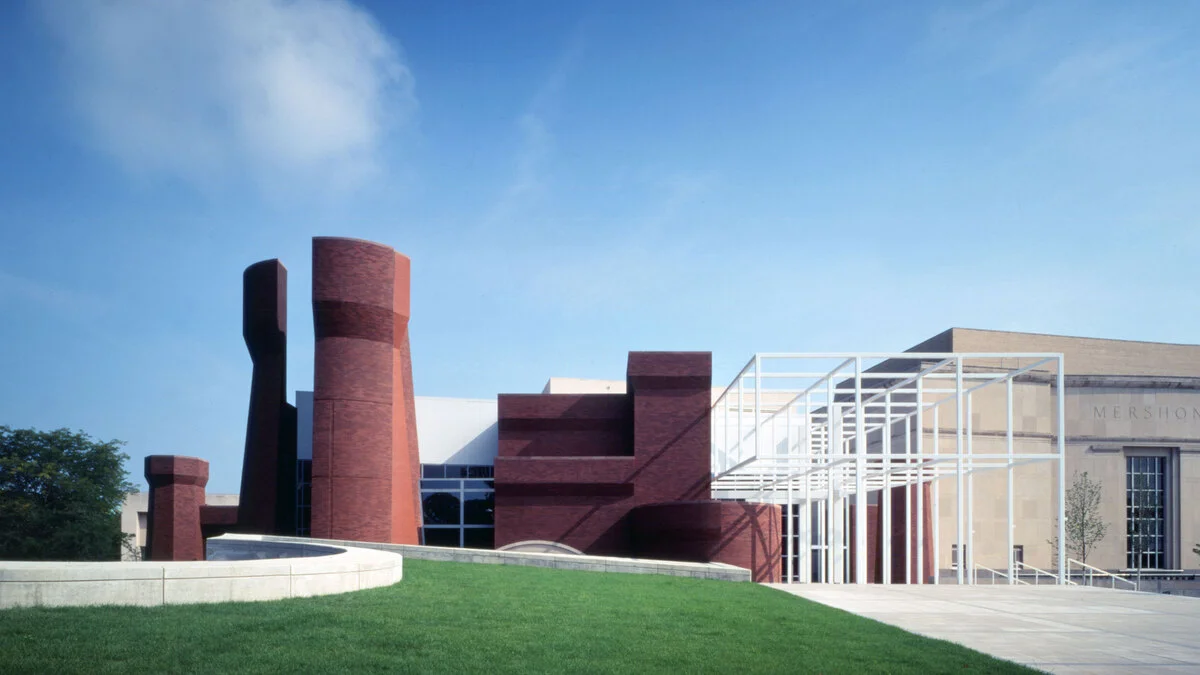
Reakcja przeciwko modernizmowi i postmodernizmowi
Deconstructivism emerged as a response to the prevailing architectural movements of Modernism and Postmodernism, marking a departure from both the rationalist simplicity of the former and the historical eclecticism of the latter. Modernism emphasized clarity, simplicity, and functionality, striving for forms that prioritized usability and structural efficiency. Postmodernism, in contrast, celebrated ornamentation and often referenced historical styles, creating buildings that blended past and present. However, Deconstructivism uwolnił się od obu szkół myślenia, odrzucając jednolitość i harmonię estetyczną na rzecz złożoności, wielowarstwowych form i wizualnej dysonansu.
Rather than adhere to established ideals of balance and practicality, Deconstructivist architects introduced a style that sprzeciwił się łatwej kategoryzacji. This novel approach led to buildings with unusual geometries, unexpected spatial arrangements, and a lack of traditional hierarchy, inviting viewers to engage with architecture as an ewoluujące, interpretacyjne doświadczenie. Deconstructivist designs often evoke a sense of unease or wywołać ciekawość, demanding the viewer to reconsider assumptions about architectural purpose and unity. This experimental, almost rebellious stance makes Deconstructivism a singular movement, one that prioritizes intellectual engagement and sensory impact over established notions of utility and beauty.
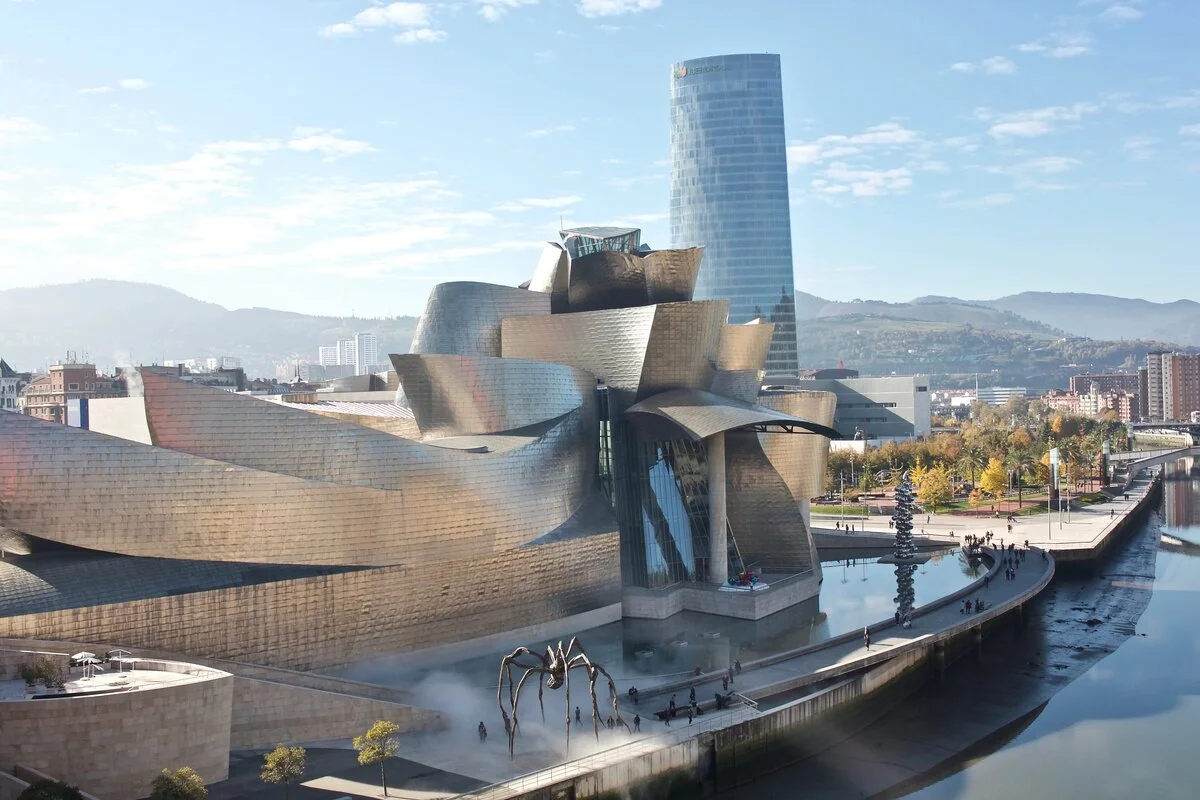
Koncepcja Estetyczna
Fragmentacja i asymetria
U podstaw Deconstructivism leży estetyka naznaczona fragmentacją, gdzie formy wydają się rozmontowane lub przekształcone w nieoczekiwane sposoby. This fragmentation breaks away from the cohesive, symmetrical structures that have historically defined architectural design, introducing a sense of disruption and unpredictability. Through intersecting planes, jagged edges, and overlapping geometric shapes, Deconstructivist buildings embody a sense of zorganizowany chaos, giving the impression that parts of the structure are in a state of flux or out of alignment. This departure from unity creates an architectural experience that is as much about what is omitted or displaced as it is about what is visibly present.

Nacisk na asymetrię dodatkowo pogłębia to poczucie ruchu, jakby budynki były aktywnie interagujące ze swoimi otoczeniami, rather than existing as static, grounded structures. Asymmetrical forms reject balance, presenting a structure that shifts and redefines itself depending on the viewer's position and angle. This approach contributes to a layered, wielowymiarowa interpretacja of the structure, inviting viewers to engage with its details in a fluid, interactive way. It encourages an ewoluująca interpretacja, gdzie żaden pojedynczy punkt widzenia nie jest w stanie w pełni uchwycić złożoność projektu.
„Architektura musi wyrażać poczucie zerwania i sprzeczności.” – Bernard Tschumi
Fragmentation and asymmetry combine to tworzyć iluzję of disarray that is meticulously calculated. Architects use these elements not to create literal chaos, but to convey a complex order that appears spontaneous and organic. By designing structures that seem to resist architectural conventions, Deconstructivism questions the necessity of uniformity and challenges the viewer’s expectations.
Nacisk na zniekształcenie i nieliniowość
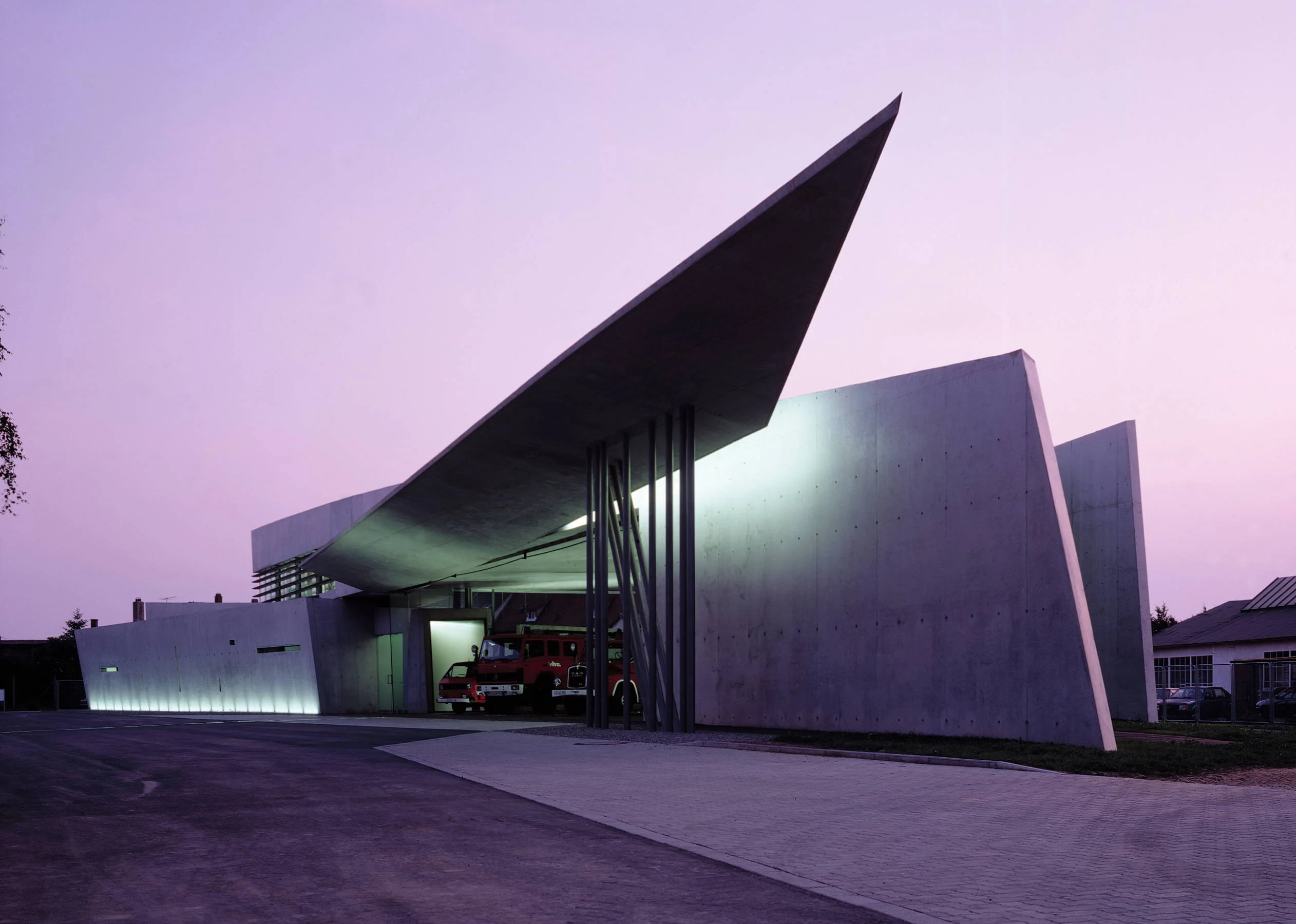
A defining feature of Deconstructivist architecture is its emphasis on distortion and non-linear design, which redefines percepcja widza układu przestrzennego i celu. Poprzez celowe zniekształcanie tradycyjnych elementów architektonicznych, takich jak ściany, dachy i fasady, struktury dekonstruktywistyczne prezentują wypaczone kształty, nieoczekiwane krzywe i nieregularne kąty. Formy te są często nietradycyjne i niezgodne z normą, with layouts that defy conventional design logic. This calculated distortion breaks away from established norms, prioritizing creative freedom over adherence to symmetry and utility.
To podejście przedefiniowuje koncepcję funkcji architektonicznej, faworyzując złożoność i niejednoznaczność ponad klarowną, prostą użyteczność. Przestrzenie w budynkach dekonstruktywistycznych są często disorienting, with unconventional layouts and a refusal to prioritize practicality. By rejecting functional simplicity, this aesthetic engages viewers in a sensory experience that challenges their rozumieniem przestrzeni, pushing them to explore and interact with their surroundings in a subjective, introspective manner. The intentional use of non-linearity and distortion conveys a sense of płynnością i nieprzewidywalnością, turning each structure into an immersive work of art. Rather than serving as passive backdrops, Deconstructivist buildings actively invite interpretation, providing a journey through spaces that transform with each step.
Tematy i motywy
Chaos i niestabilność
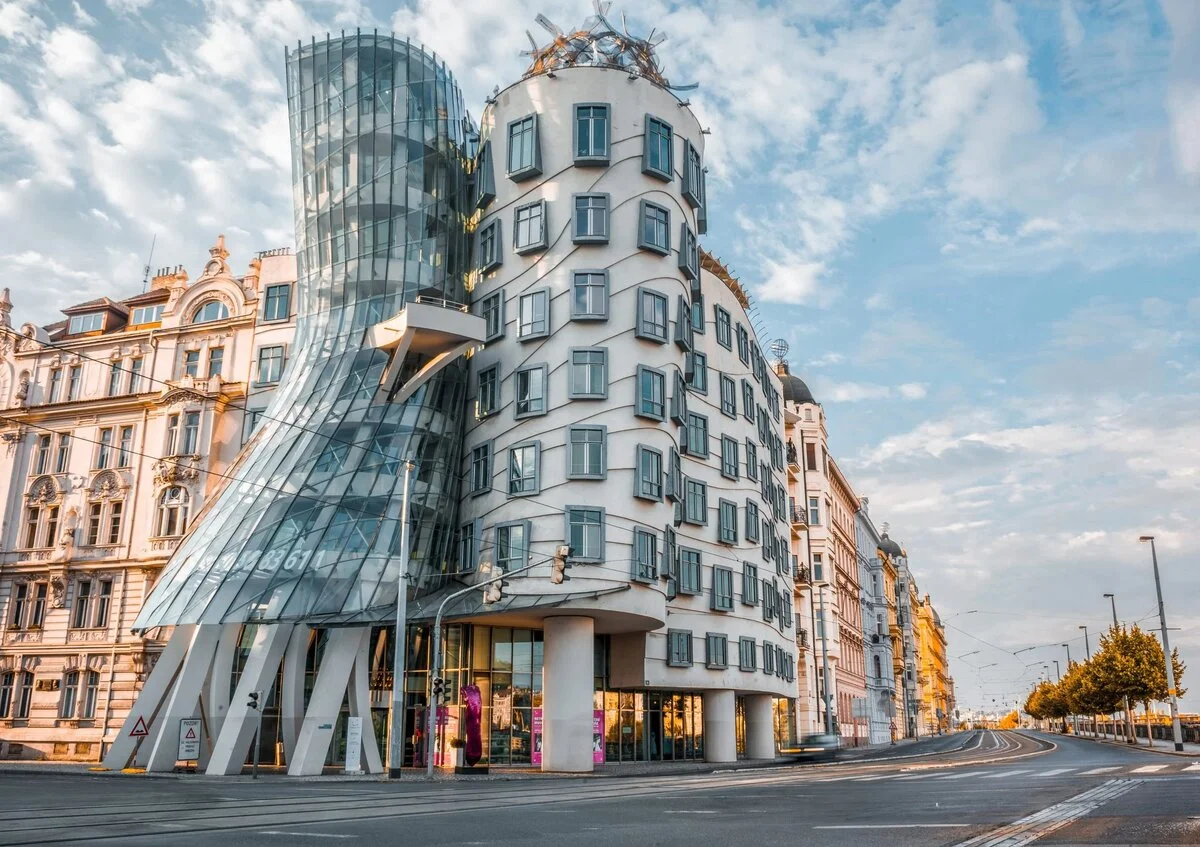
Instability is a core theme in Deconstructivism, both in the visual design of its structures and the movement’s underlying philosophy. Through fragmented, non-linear forms, Deconstructivist architecture intentionally rejects the order and harmony traditionally sought in architectural design. By appearing chaotic, even unstable, these structures kwestionują zrozumienie stabilności w architekturze przez widza. Budynki często wydają się być na granicy rozpadu, wywołując emocjonalną reakcję odzwierciedlającą kwestionowanie przez dekonstruktywizm trwałości i równowagi.
"Chaos nie jest brakiem porządku; jest po prostu najwyższą formą porządku, którego jeszcze nie rozumiemy." – M.C. Escher
This thematic emphasis on instability acts as a critique of established ideals in architecture that prioritize longevity, symmetry, and coherence. Instead of static, harmonious forms, Deconstructivist structures are dynamic, appearing to ewoluować lub zmieniać kształt, which invites viewers to question their assumptions about what a building can or should convey. The visually complex and often jarring design choices push the boundaries of structural resilience, making each building eksperyment w ryzyku architektonicznym i napięciu wizualnym.
Odczucie niestabilności w budynkach dekonstruktywistycznych służy a dual purpose: nie tylko niepokoi widza, ale także highlights przemijającej, czasem zmiennej naturze ludzkiego doświadczenia. Tworząc formy wydające się nieukończone lub fragmentaryczne, architekci zachęcają do refleksji nad naturą egzystencji, upływem czasu i kruchością skonstruowanego porządku.

Eksploracja niejednoznaczności
Niejednoznaczność stanowi kolejny centralny temat w architekturze dekonstruktywistycznej, zachęcając interpretację otwartą. Rather than guiding the viewer toward a singular understanding, Deconstructivist designs use fragmented and distorted forms to evade clear-cut definitions. This approach creates spaces that lack a definitive purpose or straightforward navigation, offering a multiplicity of meanings rather than a fixed, functional narrative. Through this deliberate ambiguity, Deconstructivist buildings allow viewers to project their own interpretations onto the space, making each experience personal and unique.
The embrace of ambiguity aligns with Deconstructivism’s philosophical foundation in Derrida’s deconstruction, which asserts that meaning is not absolute but rather fluid and subject to change. Buildings designed with this concept in mind are often challenging to navigate or comprehend in a traditional sense, encouraging visitors to explore and interpret in ways that are indywidualnie znaczące. By rejecting a linear or predictable layout, Deconstructivist architecture transforms space into an interaktywne doświadczenie, zapraszając do eksploracji i introspekcji zamiast prostego użytkowania.
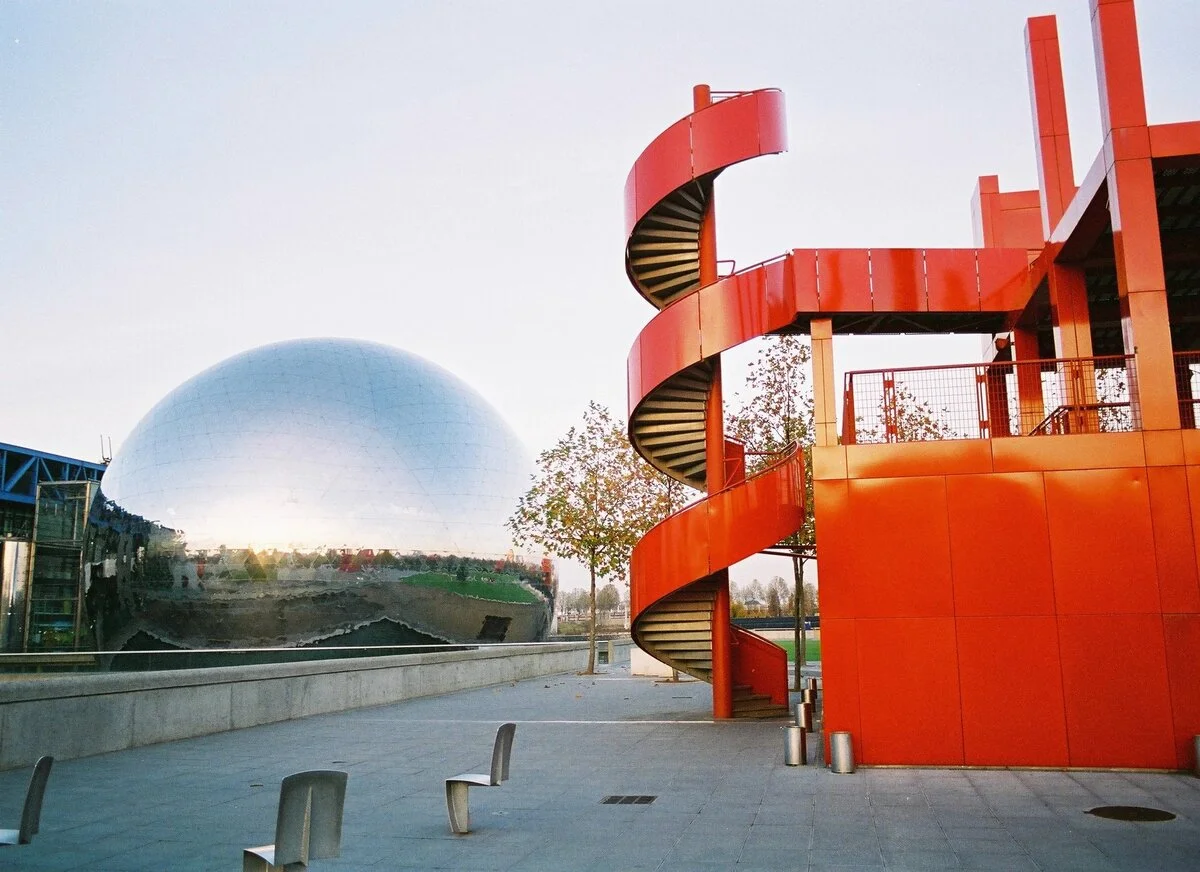
To otwarta natura gives Deconstructivist buildings the quality of being “open texts” - structures that resist simple classification, allowing viewers to derive meaning based on their own perceptions and emotions. The sense of tajemnica lub nieokreśloność w tych przestrzeniach odzwierciedla krytykę norm architektonicznych przez ruch, przedstawiając budynki zarówno jako struktury fizyczne, jak i koncepcyjne płótna.
Wpływ i oddziaływanie
Wpływ na współczesną architekturę
Deconstructivism has had a głęboki i trwały wpływ na współczesną architekturę, inspirując eksperymentalne podejście to form, material, and spatial arrangement. By prioritizing fragmented design and dynamic forms, Deconstructivism paved the way for digital modeling and parametric design, which have allowed architects to push structural and aesthetic boundaries bardziej niż kiedykolwiek wcześniej. This technological advancement has expanded the Deconstructivist legacy, enabling architects to create increasingly complex and non-linear forms that continue to defy traditional expectations of symmetry and order.
"Architektura powinna mówić o swoim czasie i miejscu, ale tęsknić za ponadczasowością." – Frank Gehry

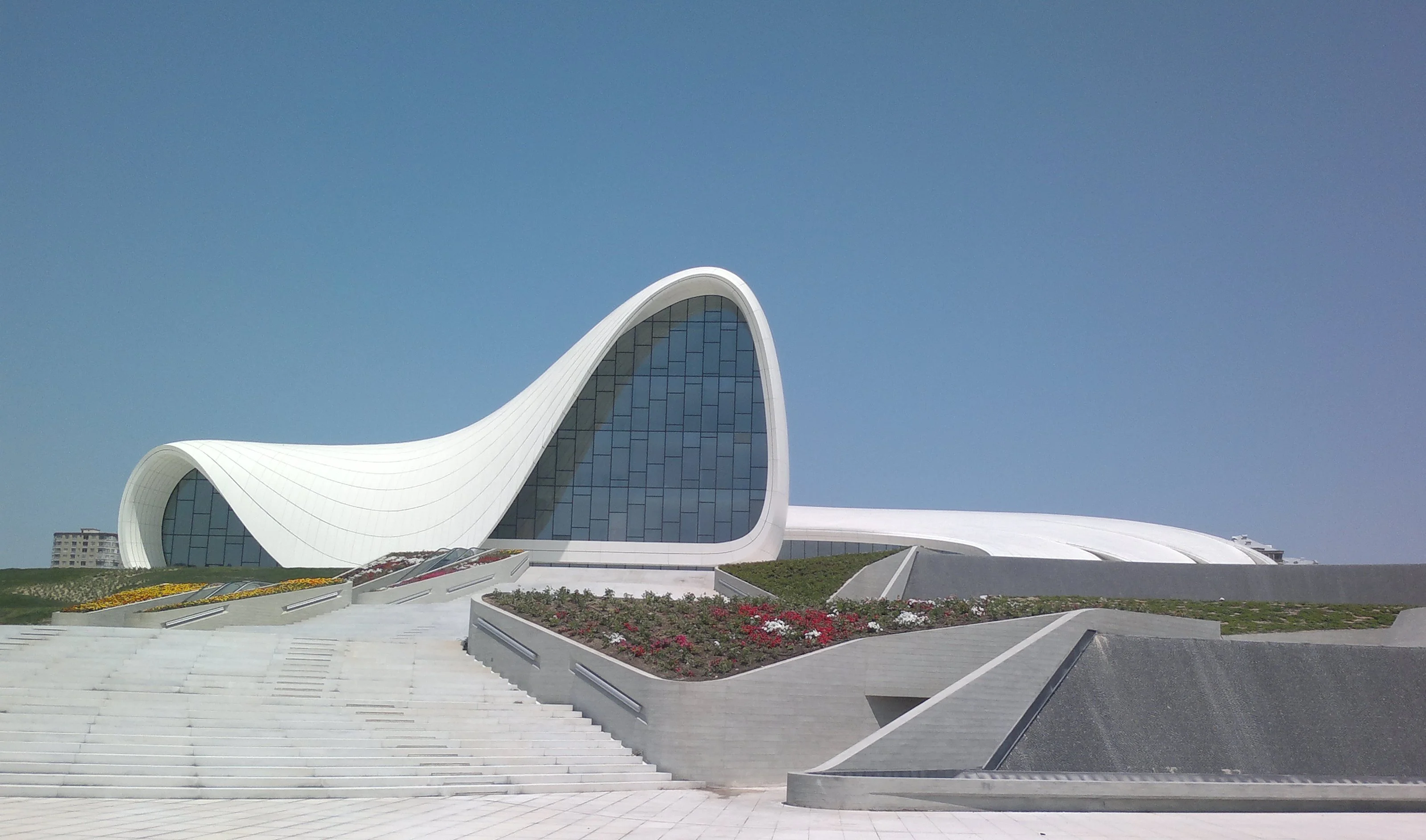
Digital technology, especially parametric software, has empowered architects to refine the irregular, layered forms that Deconstructivism introduced, producing designs that are both visually complex and structurally sound. This digital innovation has fostered an architectural landscape where experimentation with asymmetry and fragmentation is not only possible but actively celebrated. Wpływ dekonstruizmu można zauważyć w płynnym, rzeźbiarskich budynkach współczesnych, where organic, unpredictable forms mirror the Deconstructivist commitment to breaking free from convention.
Wpływ ruchu można również zauważyć w zrównoważonej architekturze, where Deconstructivist elements are used to incorporate natural elements in unconventional ways. Designs inspired by Deconstructivism often feature bold facades, fragmented sections, and unique material combinations, allowing contemporary architects to integrate environmental considerations within abstract, visually compelling frameworks.
Szerszy wpływ kulturowy i artystyczny
Poza architekturą zasady dekonstruizmu wpłynęły na różne dziedziny twórcze, including visual arts, graphic design, and fashion. In graphic design, Deconstructivism’s fragmented and asymmetrical aesthetic has led to layouts that eschew traditional alignment na korzyść chaotic, layered visuals. This approach disrupts conventional page structure, using scattered text and images to create compositions that reflect the movement’s core principles of instability and unpredictability.
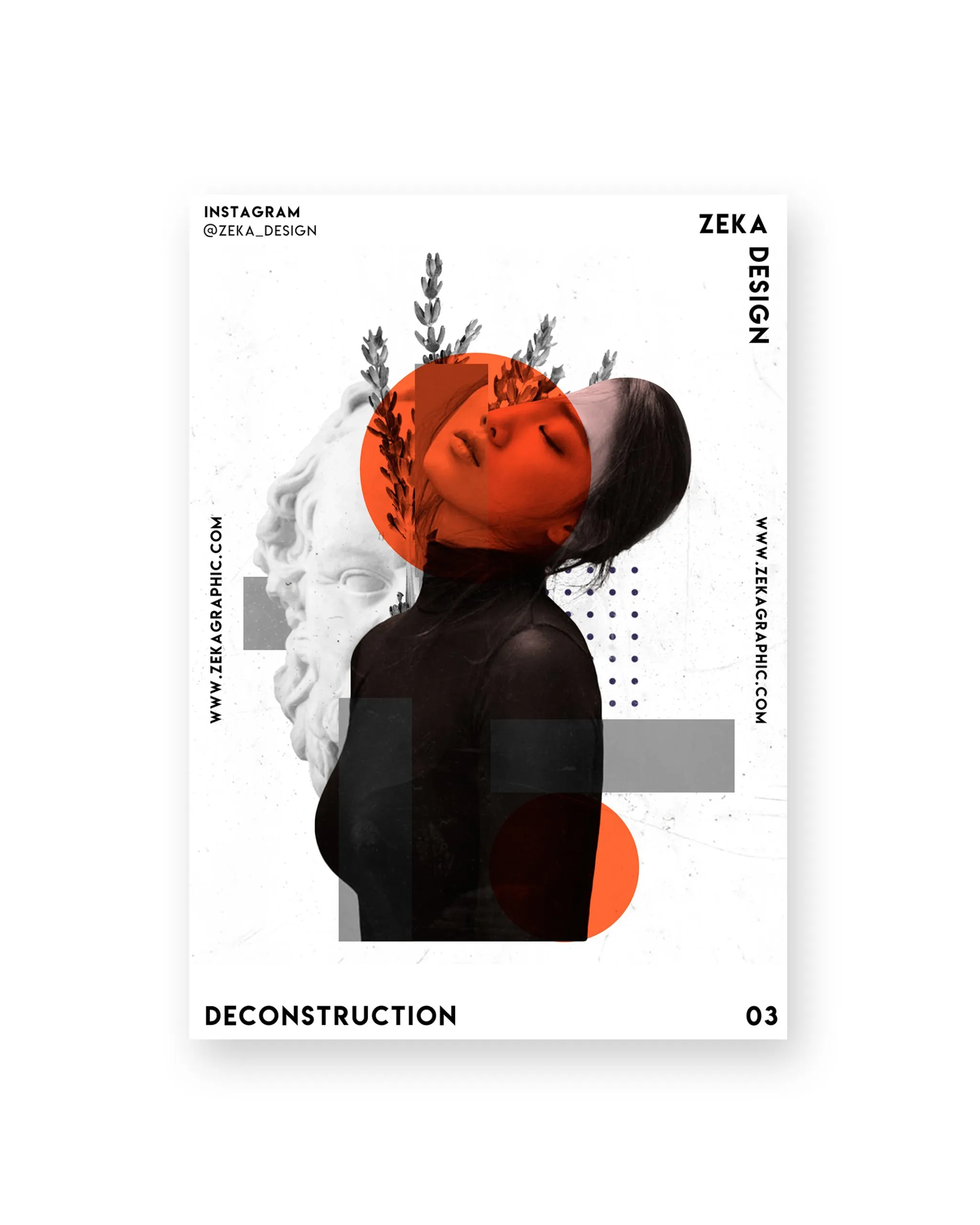
In fashion, designers have drawn inspiration from Deconstructivism to craft asymmetrical garments, unconventional silhouettes, and multi-layered pieces that kwestionować ustalone normy piękna i porządku. Ten wpływ jest widoczny w kolekcjach podkreślających zniekształcone, rzeźbiarskie formy, często łączących nieoczekiwane materiały i faktury. Odrzucając czyste linie i przewidywalne wzory, moda inspirowana dekonstruizmem celebruje nieregularność i indywidualność, odzwierciedlając dążenie ruchu do przeciwstawienia się jednolitości w architekturze.
Dekonstruizm wywarł wpływ także na projektowanie filmowe i sceniczne, where sets utilize asymmetry and disjointed visual elements to create atmospheres of unease or abstraction. The movement’s emphasis on multiple interpretations allows these designs to support złożone narracje i tematy, zgodne z filozofią dekonstruizmu o płynności znaczenia.

Przykłady reprezentatywne
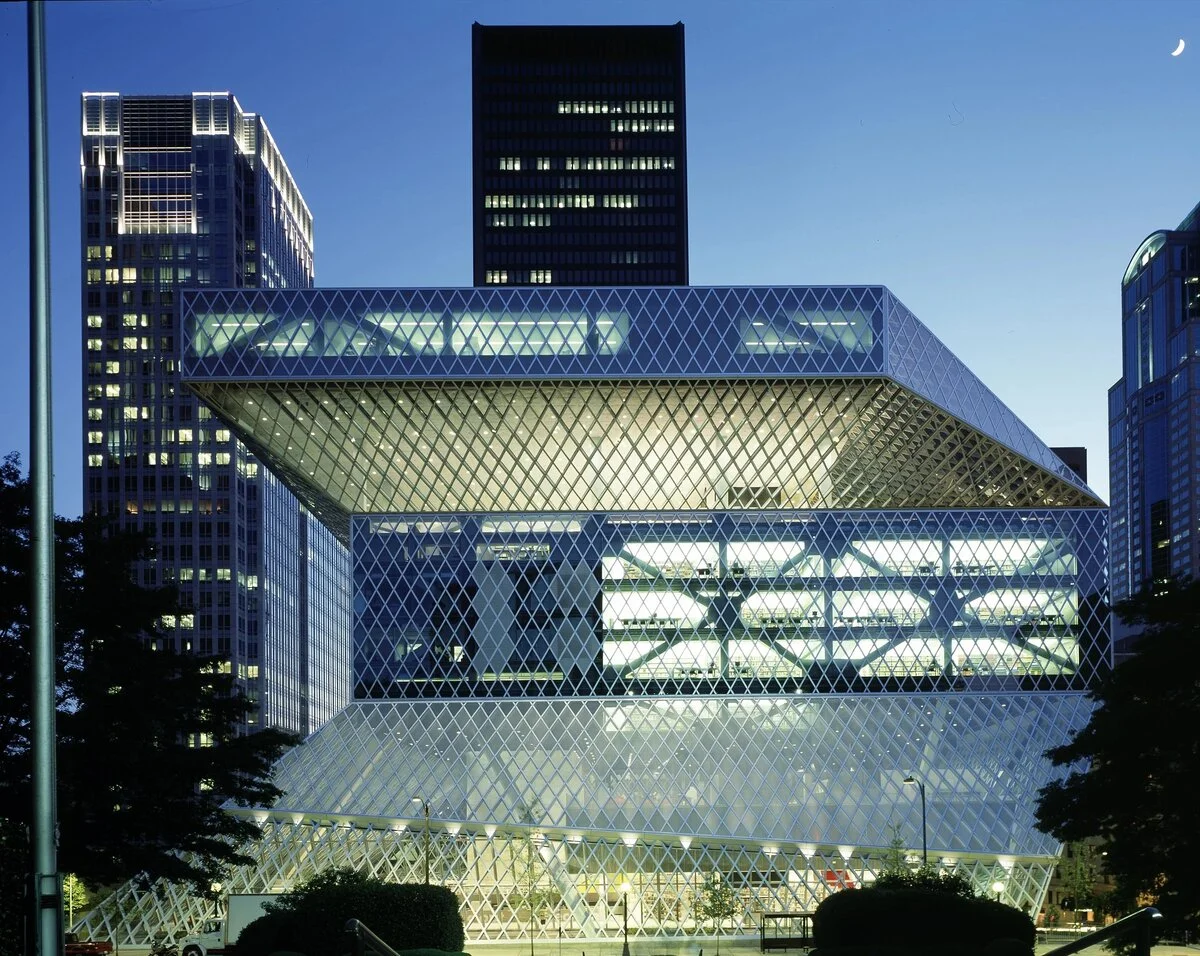
Seattle Central Library autorstwa Rema Koolhaasa i Joshua Prince-Ramusa (2004)
Seattle Central Library przełamuje konwencjonalny projekt biblioteki through a striking system of interwoven grids, sharp angles, and a spatial layout that disregards typical boundaries. Its transparent, lattice-like exterior, made of glass and steel, grants an uninterrupted view of the surrounding cityscape while flooding the building with natural light. This lattice-covered structure contributes to its openness, reinforcing the concept of a public space that is accessible and welcoming. Inside, the library features unique, non-traditional spaces organized around flexible, multi-functional areas, kwestionując standard expectations of a library environment. By breaking with traditional symmetry and hierarchy, the library embodies Deconstructivism’s dynamic and innovative approach, making it a prominent example of how architecture can inspire community engagement and interaction.
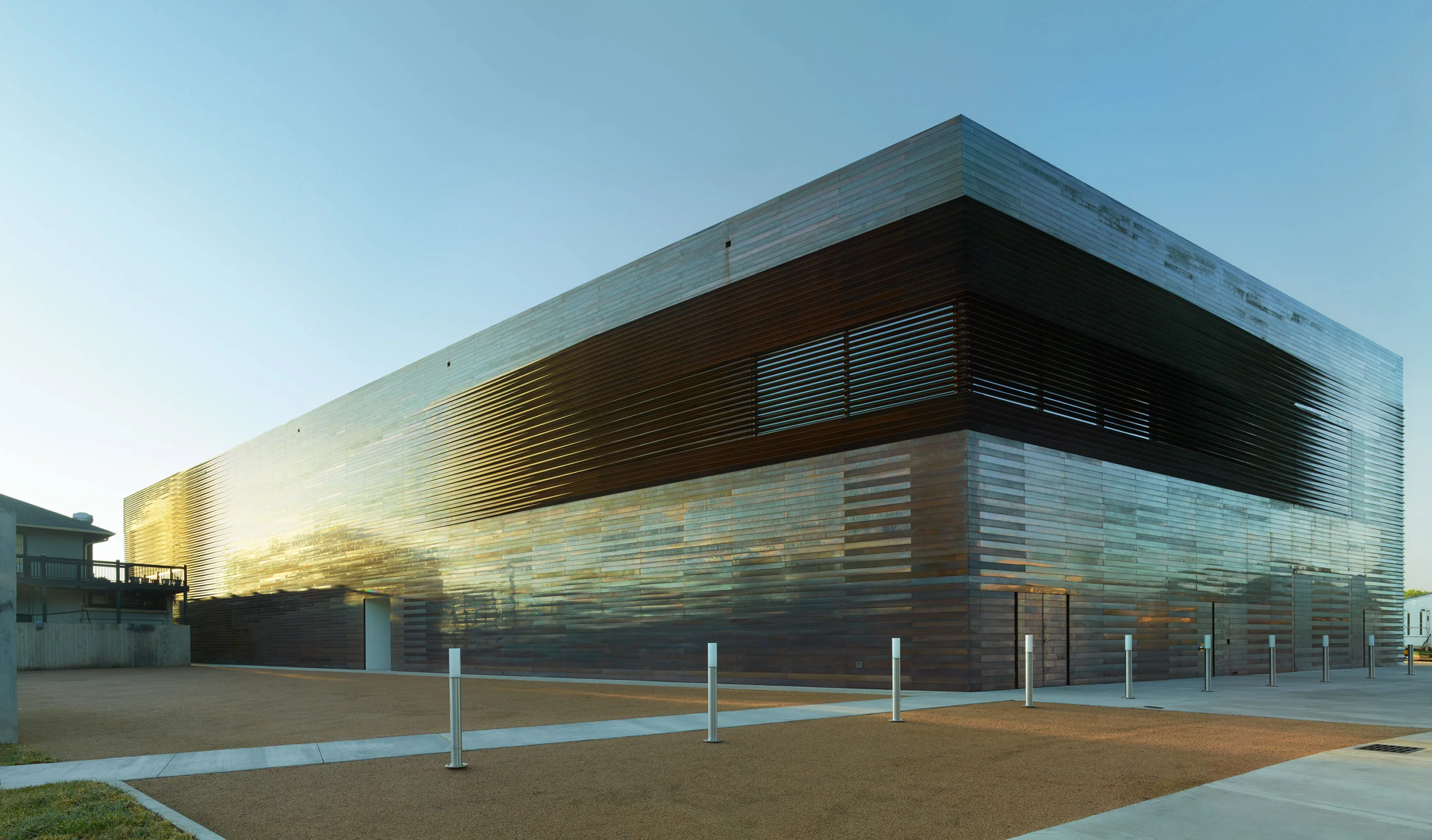
Louisiana State Museum and Sports Hall of Fame autorstwa Trahan Architects (2013)
Położony w Natchitoches w Luizjanie, ten kompleks muzealny jest doskonałym przykładem zdolności dekonstruktywizmu do integracji lokalnej tożsamości z progresywnymi koncepcjami architektonicznymi. Zakrzywione, organiczne formy muzeum ostro kontrastują z historycznymi strukturami okolicy, podczas gdy gra materiałów – od lokalnego kamienia po nowoczesne metale – tworzy wrażenie ruchu i przepływu. Wewnątrz, skomplikowane przestrzenie zaprojektowano tak, aby prowadzić zwiedzających przez płynną narrację, z każdym pomieszczeniem prezentującym wystawy w unikalny, nieliniowy sposób. To podejście projektowe odzwierciedla zasady dekonstruizmu, tworząc architektoniczne doświadczenie, które wydaje się dynamiczne i stale ewoluujące. Łącząc lokalne rzemiosło z nowoczesnymi technikami architektonicznymi, muzeum stanowi świadectwo zdolności dekonstruktywizmu do szanowania dziedzictwa przy jednoczesnym przyjmowaniu innowacji.
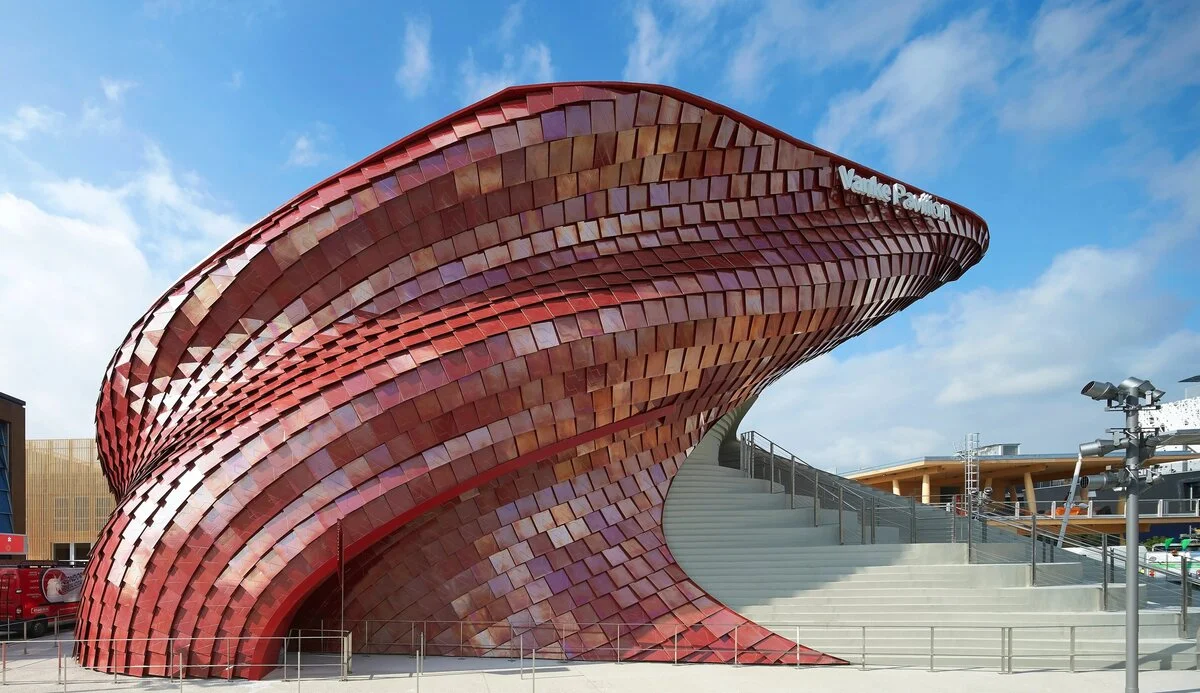
Vanke Pavilion autorstwa Daniela Libeskinda (2015)
Zbudowany na Expo w Mediolanie 2015, Vanke Pavilion autorstwa Daniela Libeskinda czerpie inspirację z tradycyjnych chińskich motywów, płynnie łącząc je z estetyką dekonstruizmu. Pawilon przypominającego łuski smoka exterior, crafted from thousands of metallic, red tiles, wraps around the structure in a sinuous, twisting form, symbolizing movement and vitality. Each reflective tile creates an ever-changing visual experience that captures and distorts the surrounding environment, lending the pavilion an appearance of constant motion. Inside, the asymmetrical layout and spatial distortions encourage visitors to navigate through the pavilion as a journey rather than a fixed experience. Libeskind’s fusion of traditional symbols with abstract forms exemplifies Deconstructivism’s capability to create cultural dialogues within the framework of modern architecture.
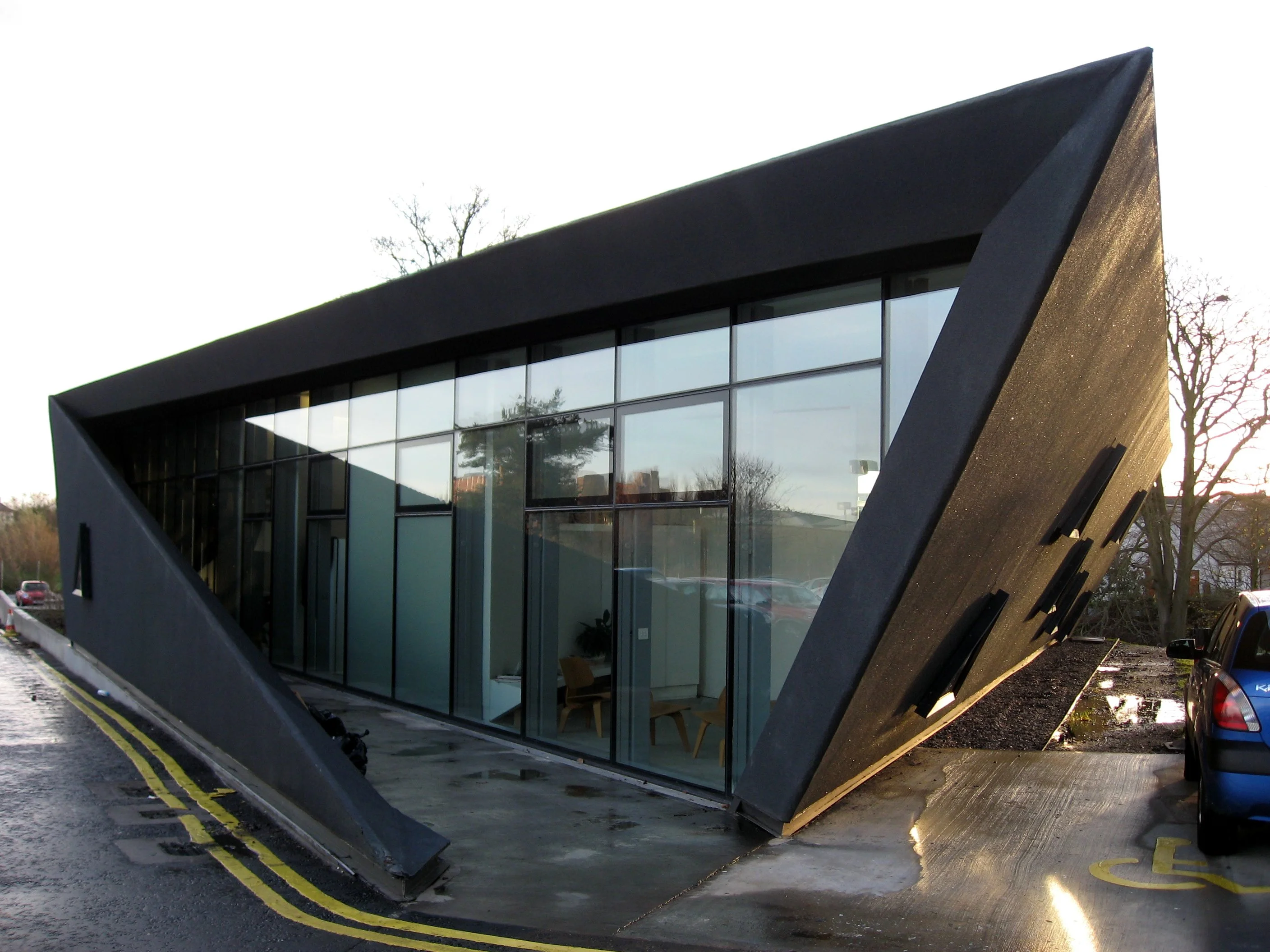
Maggie’s Centre, Kirkcaldy autorstwa Zaha Hadid (2006)
Located in Scotland, Zaha Hadid’s Maggie’s Centre is a striking departure from traditional placówka opieki zdrowotnej designs, with its fractured, angular form and flowing, asymmetrical layout. Conceived as a cancer care center, the building’s innovative design balances architectural boldness with a nurturing atmosphere. The fragmented structure creates cozy, intimate spaces that provide patients with a sense of comfort and privacy while encouraging openness through fluid, interconnected areas. The center’s angular forms and unique spatial organization create a dynamic and supportive environment, making it feel less like a clinical institution and more like a welcoming retreat. Maggie’s Centre embodies Deconstructivism’s potential to transcend conventional design, demonstrating how architectural innovation can be applied to meet emotional and functional needs in sensitive settings.
Upadek i dziedzictwo
Dekonstruktywizm w XXI wieku
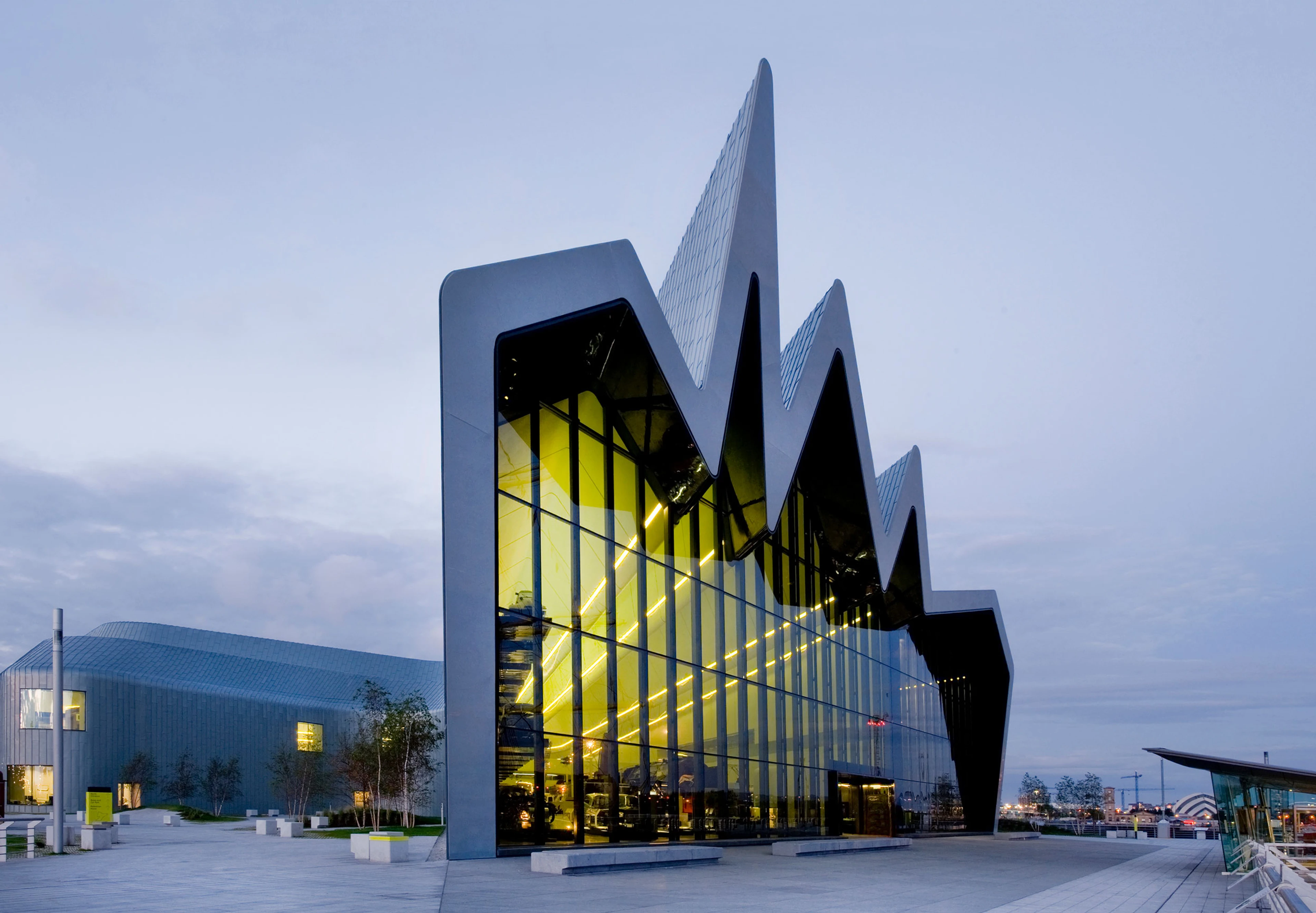
Though Deconstructivism reached its zenith in the 1990s, the movement’s radical approach to architectural design continues to reverberate in the 21st century. As architectural styles evolved, Deconstructivism’s intense experimentation with form, space, and structural conventions laid the groundwork for era kreatywności nieograniczony zasadami jednolitości i porządku. Dziedzictwo ruchu jest widoczne nie tylko w współczesnej architekturze, ale także w dziedzinach takich jak projektowanie produktów, moda i sztuka cyfrowa. Choć niektórzy twierdzą, że charakterystyczny styl dekonstruktywistyczny stracił na popularności, jego podstawowe zasady – fragmentacja, asymetria i kwestionowanie stabilności strukturalnej—pozostają głęboko zakorzenione w współczesnych praktykach architektonicznych.
.webp)
The advent of digital design technology, particularly through parametric and generative design software, has amplified Deconstructivism’s influence, enabling architects to explore increasingly ambitious forms that were wcześniej nieosiągalne. Oprogramowanie parametryczne umożliwia precyzyjną kontrolę nad złożonymi, krzywoliniowymi strukturami i warstwowymi geometriami, odzwierciedlając fragmentowaną, rozłączną estetykę, którą zainicjował dekonstruktywizm. Ta zmiana uczyniła abstrakcyjne ideały dekonstruktywizmu bardziej wykonalnymi i elastycznymi w rzeczywistych projektach, allowing architects to apply its principles to large-scale structures and experimental public spaces. The computational advancements have also expanded the movement’s vocabulary, creating more nuanced forms that evolve Deconstructivism’s legacy into new architectural territory.

The movement’s influence extends beyond aesthetics; Deconstructivism has shaped a more conceptual approach to architecture, where buildings are designed as immersive, przestrzenie skłaniające do refleksji. Architekci dziś czerpią inspirację z odważnego odrzucenia symetrii przez dekonstruktywizm, przekształcając ich pracę w interaktywne środowiska, które kwestionują tradycyjne pojęcia funkcjonalności i komfortu. To podejście rozwinęło się w tandem with a cultural shift toward experiential architecture, where the focus is on creating a lasting emotional impact through innovative spatial experiences.
Dziedzictwo kulturowe i trwały wpływ
Kulturowy wpływ dekonstruktywizmu transcends the architectural world, resonating deeply within the realms of art, graphic design, fashion, and visual culture. Its hallmark traits—fragmentation, visual unpredictability, and the embrace of asymmetry—have inspired visual artists and designers to disrupt conventions across various mediums. In graphic design, for example, Deconstructivism’s influence manifests in bold layouts that defy traditional grid systems, often featuring scattered text, layered images, and non-traditional alignments that challenge poczucie porządku u odbiorcy. This approach has become especially popular in digital media, where designers experiment freely with deconstructivist aesthetics to produce unique, often disorienting visuals that reflect the complexities of modern digital culture.
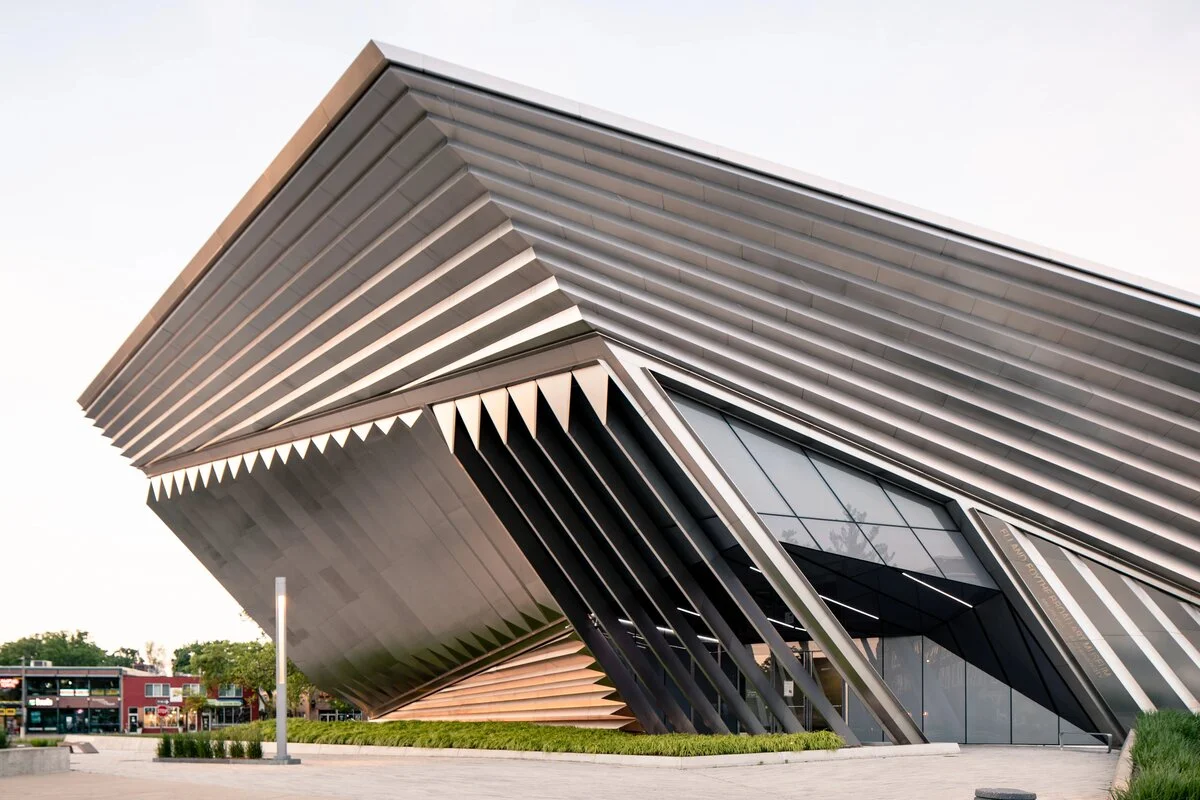
The movement’s influence on fashion design is equally significant, seen in collections that incorporate asymmetric cuts, layered fabrics, and abstract silhouettes. Designers have adopted Deconstructivism’s disregard for conventional form to create garments that resist predictability, favoring structure and form over practicality or ease of wear. This stylistic choice aligns with Deconstructivism’s philosophical roots, as it promotes otwarty interpretację kształtu i stylu. Przenosząc zasady architektoniczne na sztukę noszoną, projektanci uchwycają etos ruchu, oparty na nieprzewidywalności i indywidualności, wykazując jego znaczenie w wyrażaniu osobistym i kulturowym.


Additionally, Deconstructivism’s legacy can be seen in stage and set design, where distorted and fragmented spaces are used to heighten drama and atmosphere, often zacierając granicę pomiędzy zestawem a narracją. Reżyserzy filmowi i projektanci scenografii często wprowadzają tematy dekonstruktywistyczne to reflect psychological disorientation, social complexity, or cultural fragmentation. By creating spaces that feel deliberately disjointed or unbalanced, these designs serve to underscore narrative themes and add an immersive, experiential quality that echoes Deconstructivism’s challenge to linear storytelling in architecture.
Ewolucja dekonstruktywizmu i kierunki przyszłości
W XXI wieku dekonstruktywizm ewoluował beyond its initial aesthetic focus, transitioning into a broader design philosophy that explores sustainability, social engagement, and digital fluidity. Many architects inspired by Deconstructivism are now exploring ways to integrate fragmented forms with sustainable building practices, merging abstract design with environmental considerations. Poprzez użycie materials that reduce waste and energy consumption, architects adapt Deconstructivism’s principles to meet modern ecological standards. This evolution reflects a shift from purely visual innovation to a more holistic approach, aligning the movement’s core ideals with contemporary values of environmental responsibility.
„Architektura to nie tylko usługa; to odzwierciedlenie tego, kim jesteśmy i dokąd zmierzamy.” – Jeanne Gang
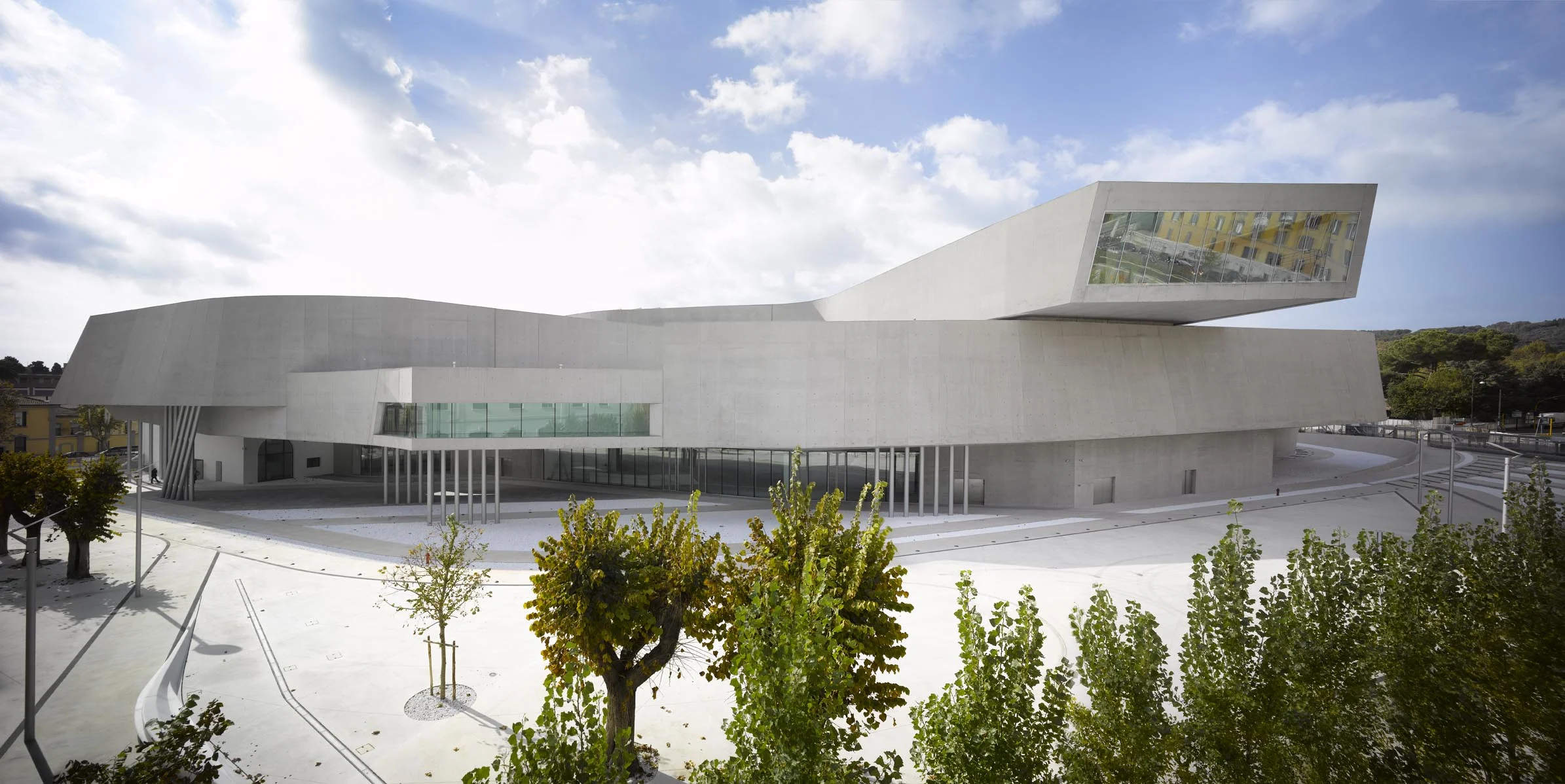
W miarę jak kultury globalne stają się coraz bardziej powiązane, nacisk dekonstruktywizmu na różnorodność i złożoność resonates strongly, encouraging architects to design structures that reflect a fusion of cultural influences and symbolic interpretations. This shift has led to the rise of „globalny” architekturę – projekty, które łączą zarówno globalne trendy, jak i lokalne elementy kulturowe, tworząc przestrzenie jednocześnie znajome i nowatorskie. Dziedzictwo dekonstruktywizmu jest więc evolving to accommodate these shifts, positioning the movement as a catalyst dla projektowania, które ceni wielokulturową ekspresję i głębię koncepcyjną ponad jednorodność i prostotę.
Looking to the future, Deconstructivism continues to inspire architects and designers to question established norms and explore uncharted possibilities in spatial design. Its principles remain particularly relevant in the context of digital architecture and virtual spaces, where Deconstructivism’s experimental ethos aligns with nieograniczony potencjał rzeczywistości wirtualnej i metawersum. Tutaj architekci i projektanci są free to push poza fizycznymi ograniczeniami, tworząc immersyjne doświadczenia, które ucieleśniają nacisk Deconstructivism na niejednoznaczność, wielość i zaangażowanie doświadczeniowe. Wirtualne instalacje i immersyjne przestrzenie cyfrowe, takie jak projekty architektoniczne oparte na danych Refika Anadola, pokazują, jak ideały Deconstructivism są reinterpretowane dla a digitally oriented future, zapewniając trwałą aktualność ruchu w zmieniającym się krajobrazie designu
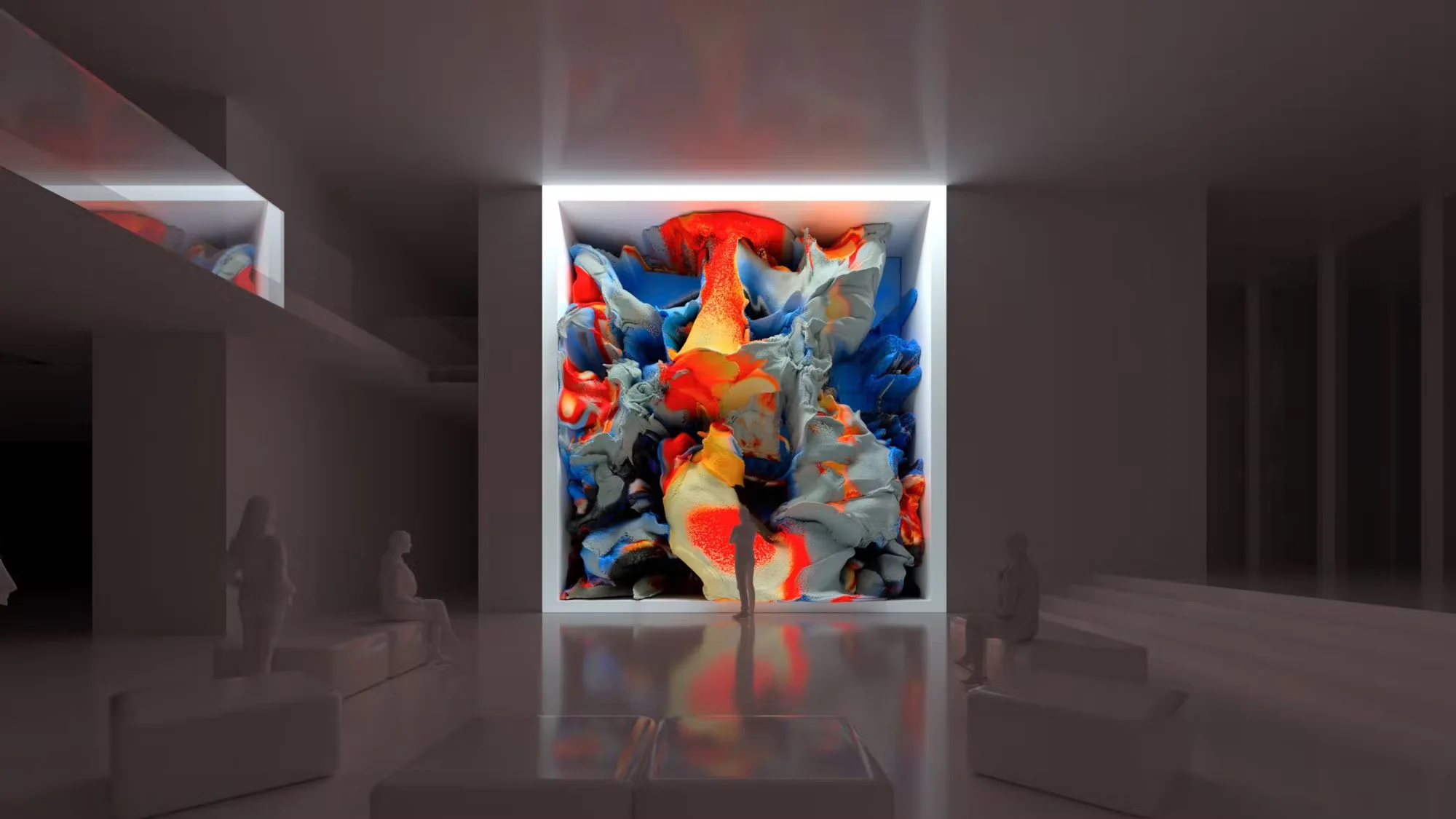
Podsumowanie: Dekonstruktywizm przekształcił architekturę w odważną, eksperymentalną formę sztuki, akceptując fragmentaryzację, asymetrię i niestabilność. Kwestionując konwencje, przedefiniował struktury jako dynamiczne doświadczenia, pozostawiając trwałe dziedzictwo, które inspiruje innowacje w dziedzinach projektowania i kreatywności.
Przykłady wizualne
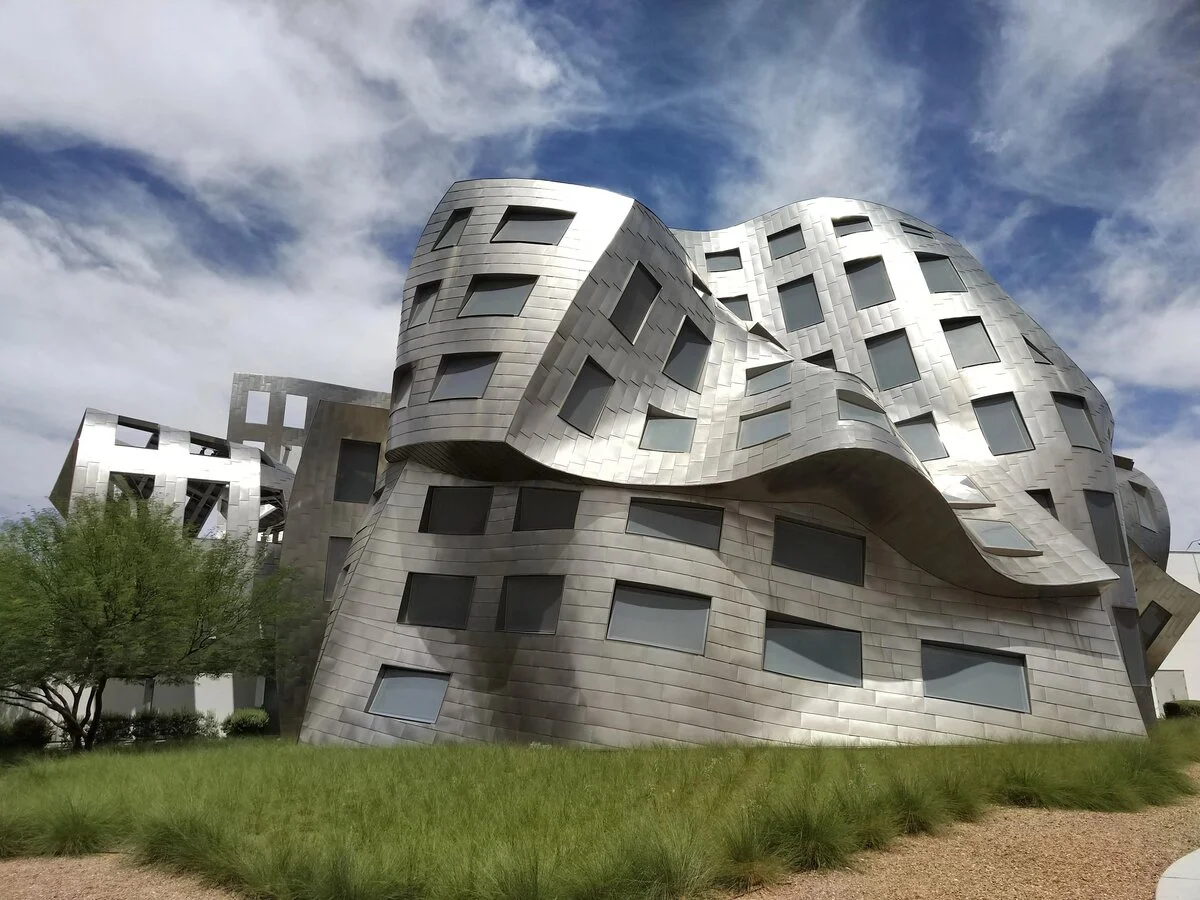
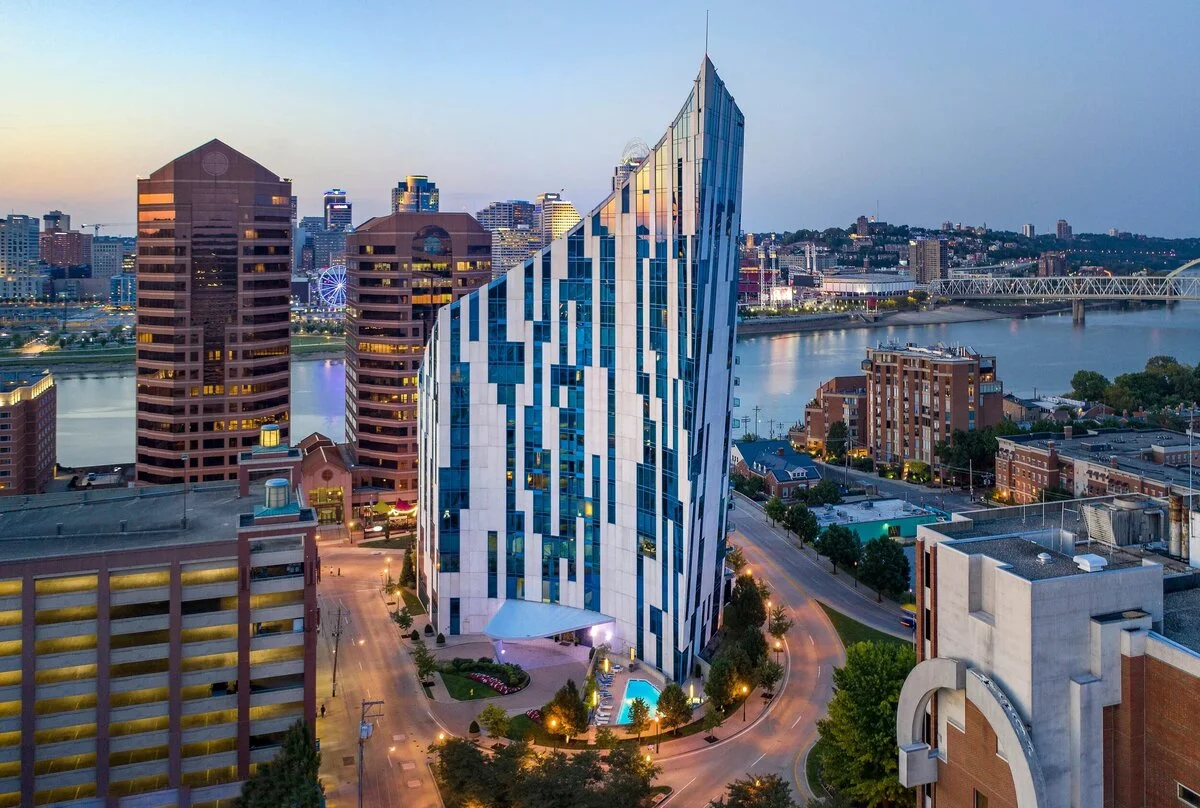
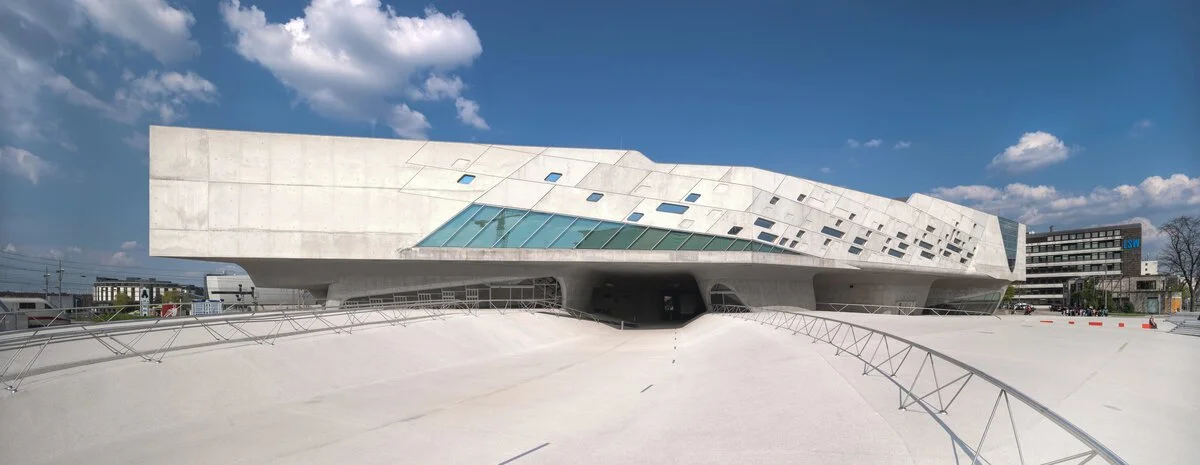
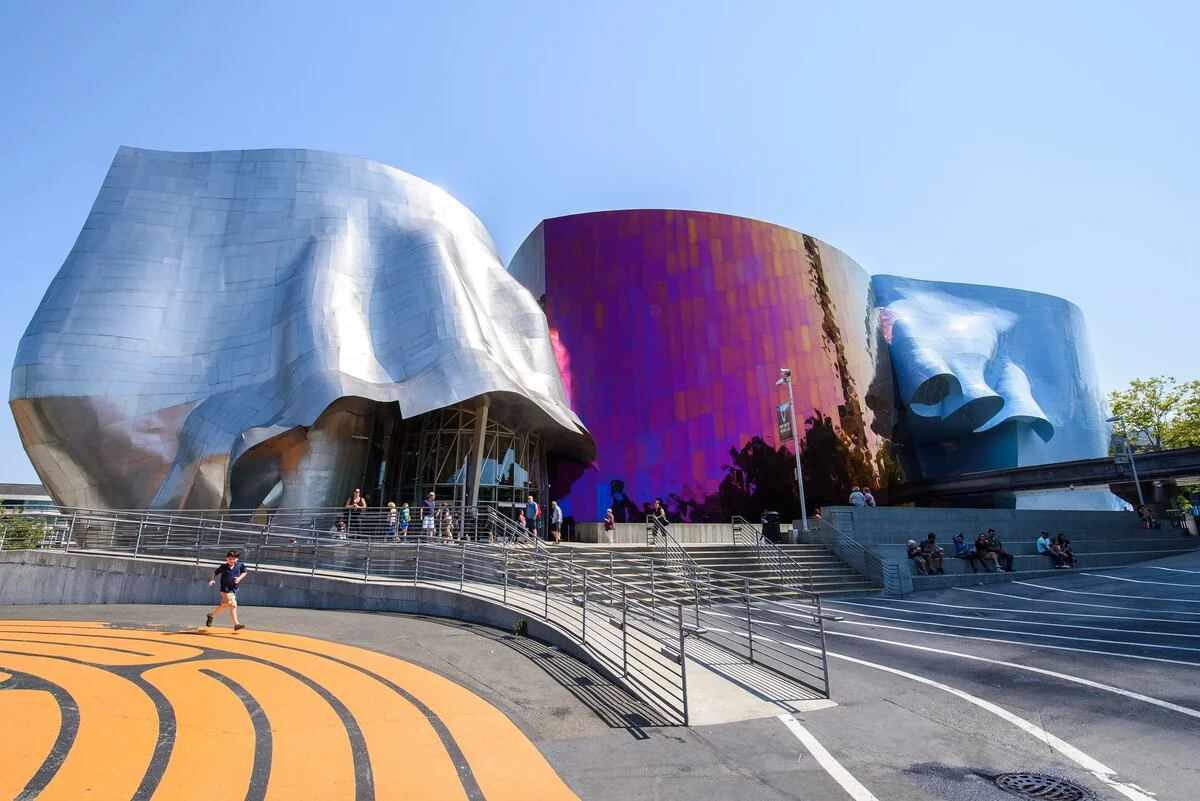
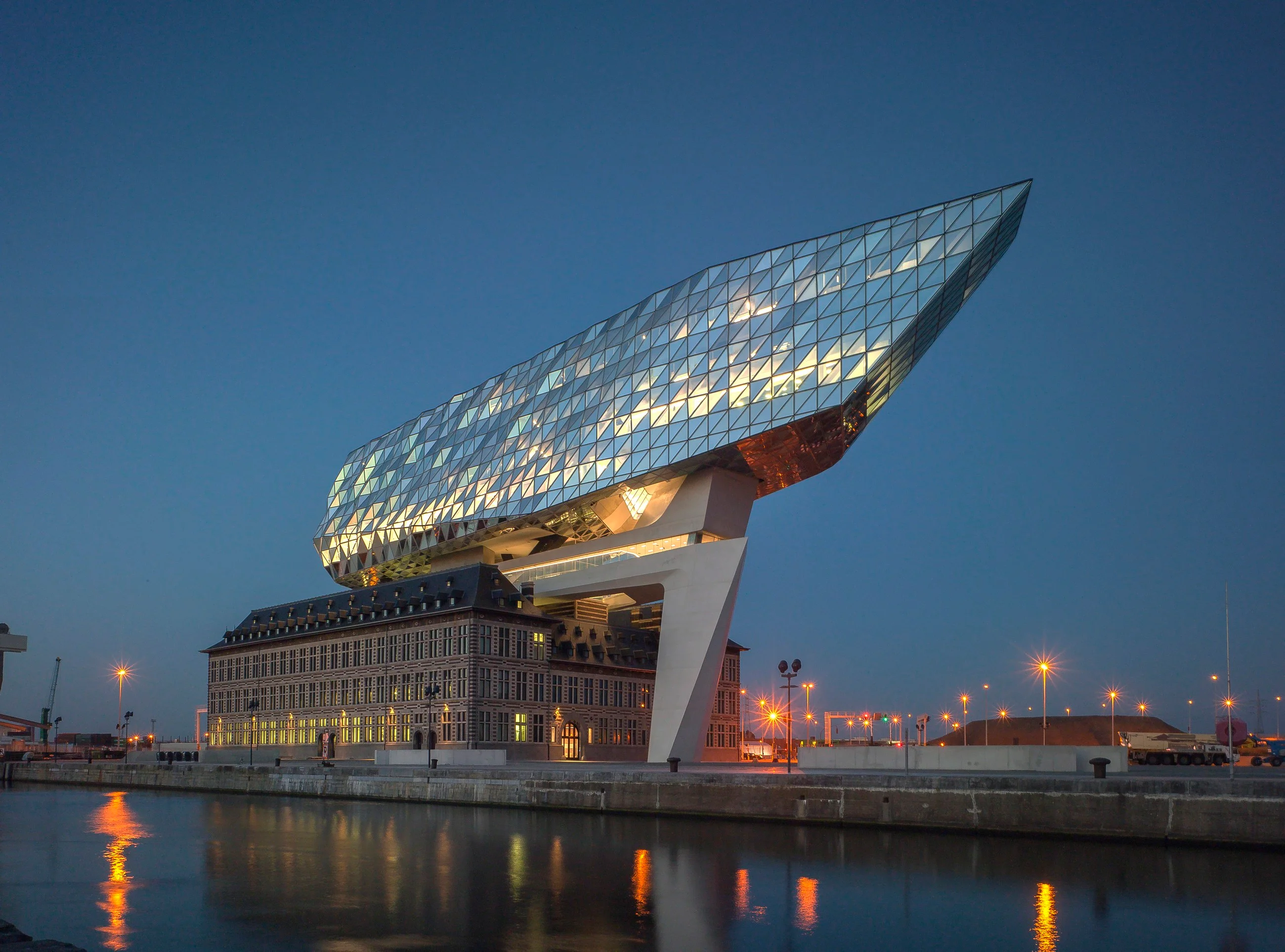
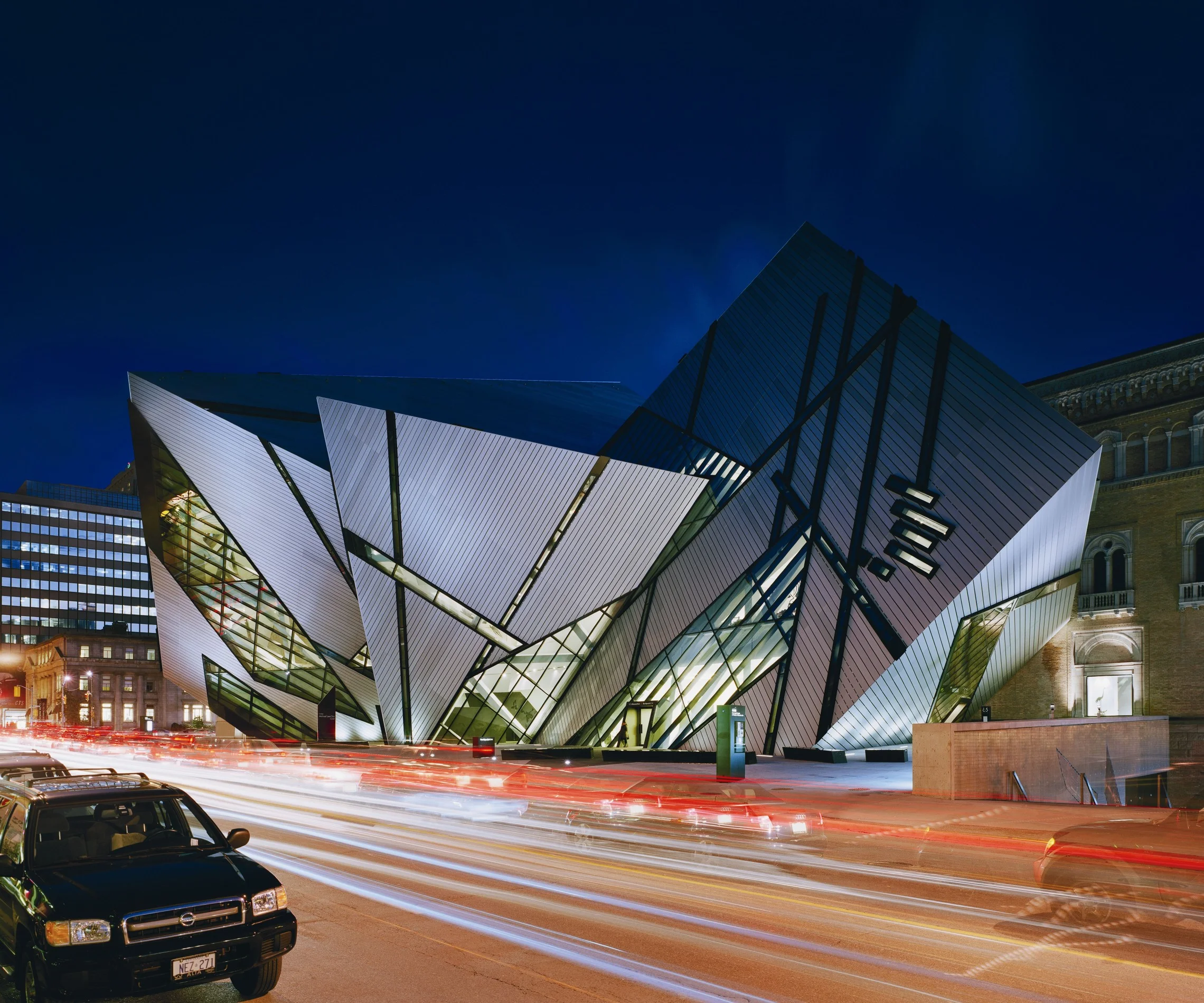
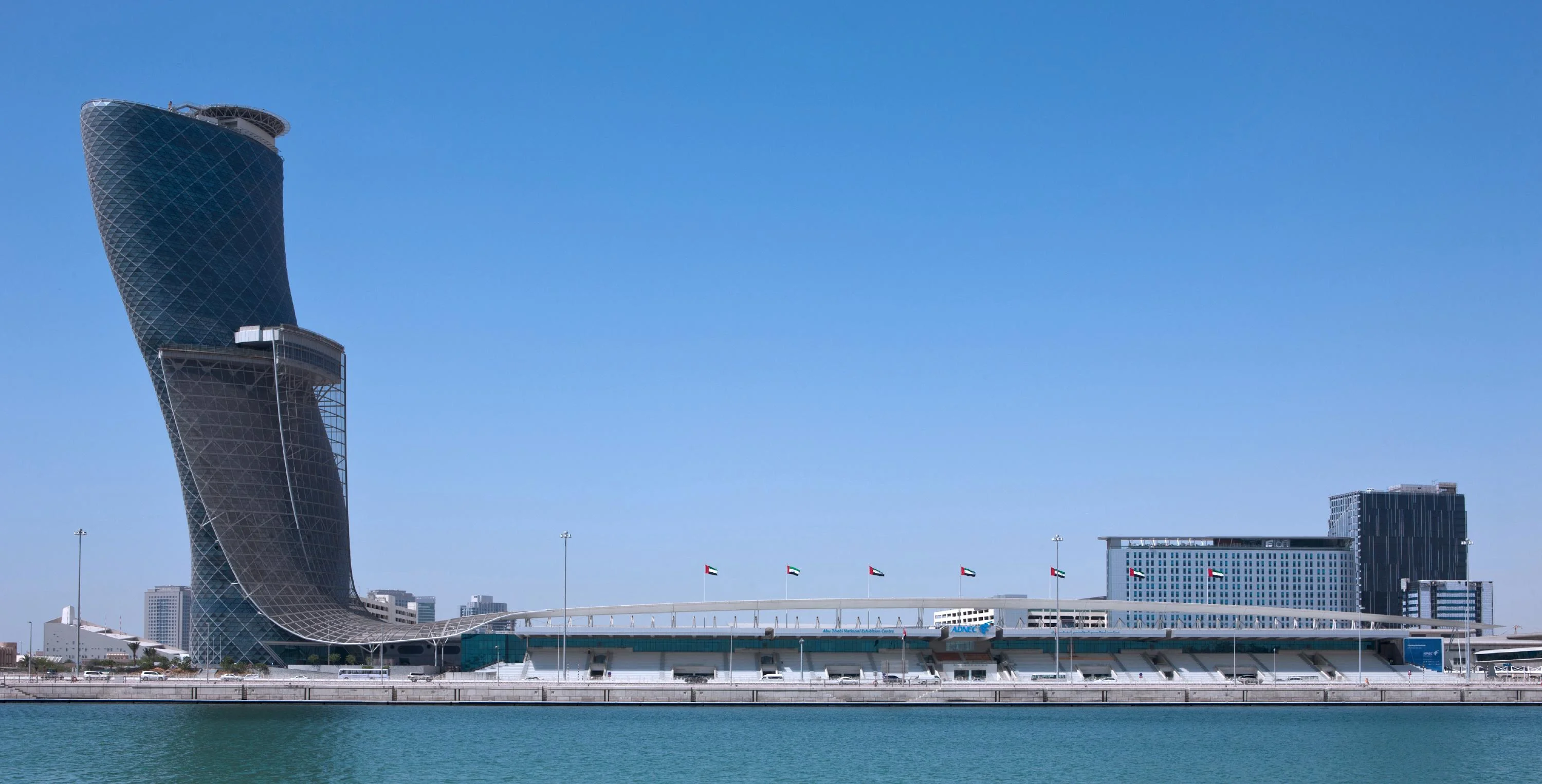
Jaka jest podstawowa koncepcja dekonstruktywizmu w architekturze?

Dekonstruktywizm kwestionuje tradycyjne normy architektoniczne, podkreślając fragmentację, asymetrię i nieliniowe formy. Odrzuca ideę harmonii i porządku, tworząc dynamiczne, niekonwencjonalne konstrukcje, które wydają się rozłączone lub chaotyczne, ale są skrupulatnie zaprojektowane, aby kwestionować percepcję przestrzeni i formy.
Jak architekci dekonstruktywistyczni projektują swoje konstrukcje?
Architekci dekonstruktywistyczni wykorzystują zaawansowane technologie, takie jak CAD (projektowanie wspomagane komputerowo), do tworzenia złożonych, nieliniowych form. Koncentrują się na przecinających się płaszczyznach, zniekształconych geometriach i materiałach takich jak stal i szkło, aby tworzyć unikalne konstrukcje. Takie podejście priorytetowo traktuje wpływ wizualny i przeciwstawia się tradycyjnym ideom równowagi i proporcji.
Dlaczego deconstructivism jest ważny w nowoczesnej architekturze?
Dekonstruktywizm redefiniuje granice architektoniczne, priorytetowo traktując innowacyjność i kreatywność. Odrzuca uniformizm, inspirując architektów do eksplorowania odważnych, eksperymentalnych projektów. Ruch ten wpływa na architekturę współczesną, kwestionując konwencje, promując indywidualność i tworząc przestrzenie, które wywołują emocje i prowokują do myślenia.

Sofiya Valcheva
Copywriter
Kiedy piszę, jestem w swoim żywiole, skupiona, kreatywna i wkładam całe serce w każde słowo. Kiedy nie piszę, prawdopodobnie tańczę, zatracona w ulubionej muzyce, albo gonię za inspiracją, gdziekolwiek mnie ona zaprowadzi!
.webp)