The Early Days of Digital Illustration
In the 1960s and 1970s, digital illustrations were in their infancy. The technology was crude, and graphic design was primarily experimental. During this period, digital art was created on large computers, often using vector graphics or rudimentary bitmap images.
In the 1980s, digital illustration began to gain traction with the release of more accessible software. Programs like Adobe Illustrator (1987) and Adobe Photoshop (1990) marked a turning point in the history of digital art. These programs allowed artists to create detailed, scalable illustrations that were far more sophisticated than earlier techniques. The introduction of drawing tablets, particularly from companies like Wacom, enabled artists to draw directly on the screen, mimicking traditional hand-drawing techniques in a digital format.
Despite these early breakthroughs, digital illustration was still limited by the technology of the time, and artists had to work with lower resolution images and limited tools.
The Rise of Graphic Design Software
The 1990s and early 2000s saw a dramatic shift in the accessibility and functionality of digital illustration. The launch of more robust graphic design software allowed artists to move away from traditional methods and embrace digital techniques.
- Adobe Illustrator en Photoshop werden industriestandaarden voor het maken van high‑resolution kunstwerken.
- The availability of CorelDRAW expanded digital artists’ ability to work with both vector and raster images.
During this time, digital art flourished in commercial applications, from advertising to web design. Artists could now create complex, layered artwork quickly and with greater precision, making digital illustration a popular choice in industries requiring high-quality visuals on tight deadlines.
The Introduction of Drawing Tablets
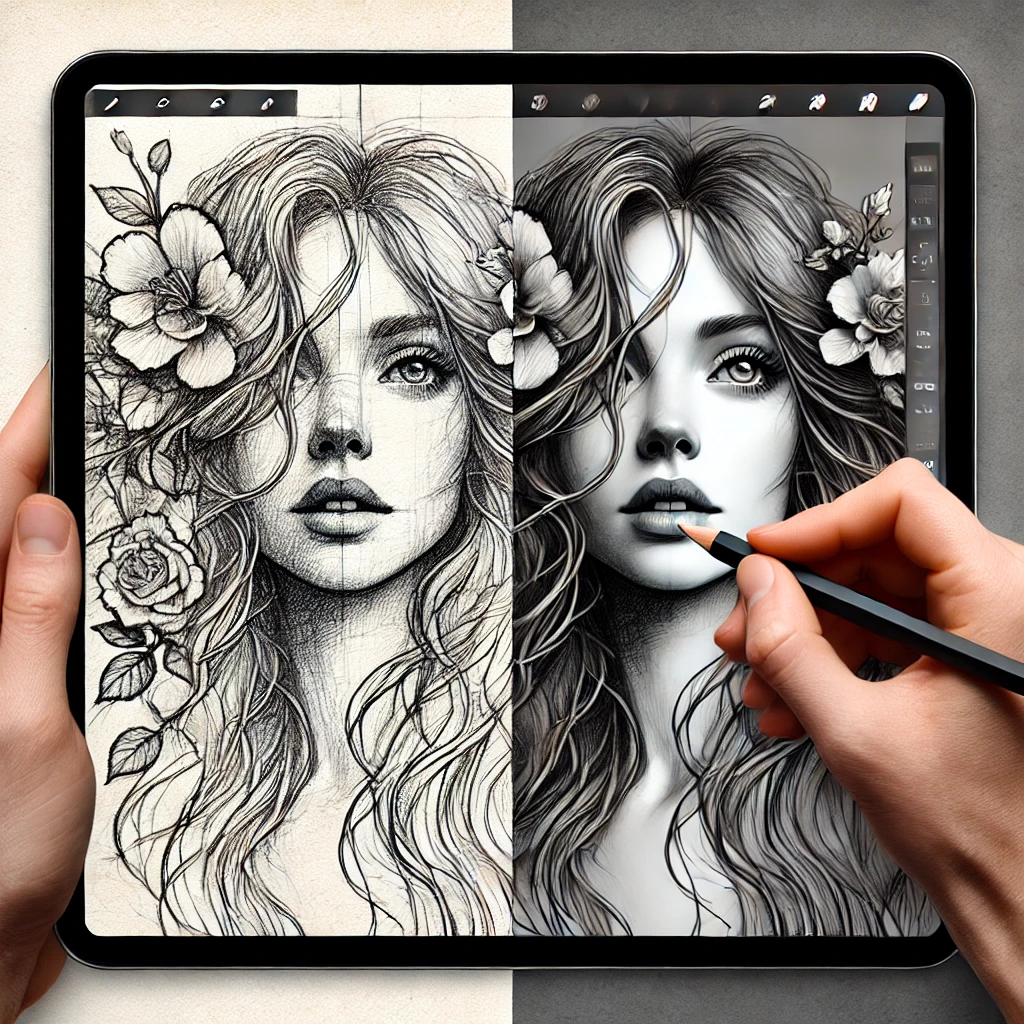
As digital illustration technology progressed, the introduction of drawing tablets in the early 2000s transformed the workflow for digital artists. Unlike using a mouse, tablets allowed artists to draw directly on the screen, giving them more control over their work.

Wacom became the industry standard for professional digital artists, offering tablets with pressure-sensitive styluses that mimicked traditional drawing tools like pencils, pens, and brushes. The release of touchscreen devices like the iPad brought digital illustration to mobile, enabling artists to create on the go with apps like Procreate. The use of drawing tablets allowed artists to recreate traditional drawing techniques with greater ease, while digital tools offered the ability to edit and refine artwork more quickly than ever before.
The evolution of digital painting techniques
Naarmate de technologie verbeterde, ontwikkelden digitale kunstenaars nieuwe technieken die de artistieke mogelijkheden uitbreidden. Het vermogen om lagen te gebruiken, kleuren te mengen en texturen toe te passen maakte digitaal schilderen tot een volledig gerealiseerd medium.
- Aangepaste penselen: Digitale software begon aanpasbare penselen aan te bieden die traditionele materialen simuleerden, zoals olieverf, aquarel en houtskool.
- Mengmodi: Artists could mix colors and textures in ways not possible with traditional media, creating new styles and effects.
- 3D integration: Some artists combined 2D and 3D elements in their illustrations, adding depth and complexity to digital artwork.
Met elke software‑update werden digitale schildergereedschappen geavanceerder, waardoor kunstenaars meer vrijheid kregen om te experimenteren en hun technieken te verfijnen.
The Impact of Mobile Devices on Digital Art
In recent years, mobile devices have transformed digital illustration. Artists can now create and edit digital artwork anywhere, without needing a desktop computer or high-end tablet.
Procreate, released in 2011, quickly became a favorite among digital artists, offering powerful tools and a seamless experience for iPad users. Cloud-based apps and services have enabled artists to work on digital illustrations across multiple devices, improving workflow and enabling collaboration among artists. The accessibility and portability of digital art tools have made it easier for both hobbyists and professionals to embrace digital illustration. The rapid development of mobile devices, combined with powerful apps, has democratized the medium, allowing artists to create on the go.
The Rise of AI-Assisted Digital Illustration
Artificial intelligence is playing an increasing role in digital illustration. AI tools can now assist artists by suggesting color palettes, enhancing compositions, or even generating artwork based on text prompts.
AI-powered brushes and filters are now available, such as those in Photoshop, which use AI to automatically apply artistic effects, such as adding texture or enhancing details in an illustration. Generative art platforms like MidJourney and DALL·E can generate entire pieces of art from a written description, sparking discussions on the role of AI in creativity and its implications for the future of art. While some artists embrace AI tools as a way to augment their creative process, others remain skeptical about the authenticity and originality of AI-generated art. Regardless, AI tools have already begun to shape the future of digital illustration, opening up new creative possibilities.
The Future of Digital Illustration
Looking forward, the future of digital illustration is filled with exciting possibilities. As technology continues to advance, new tools and techniques will emerge, further blurring the lines between traditional and digital art.
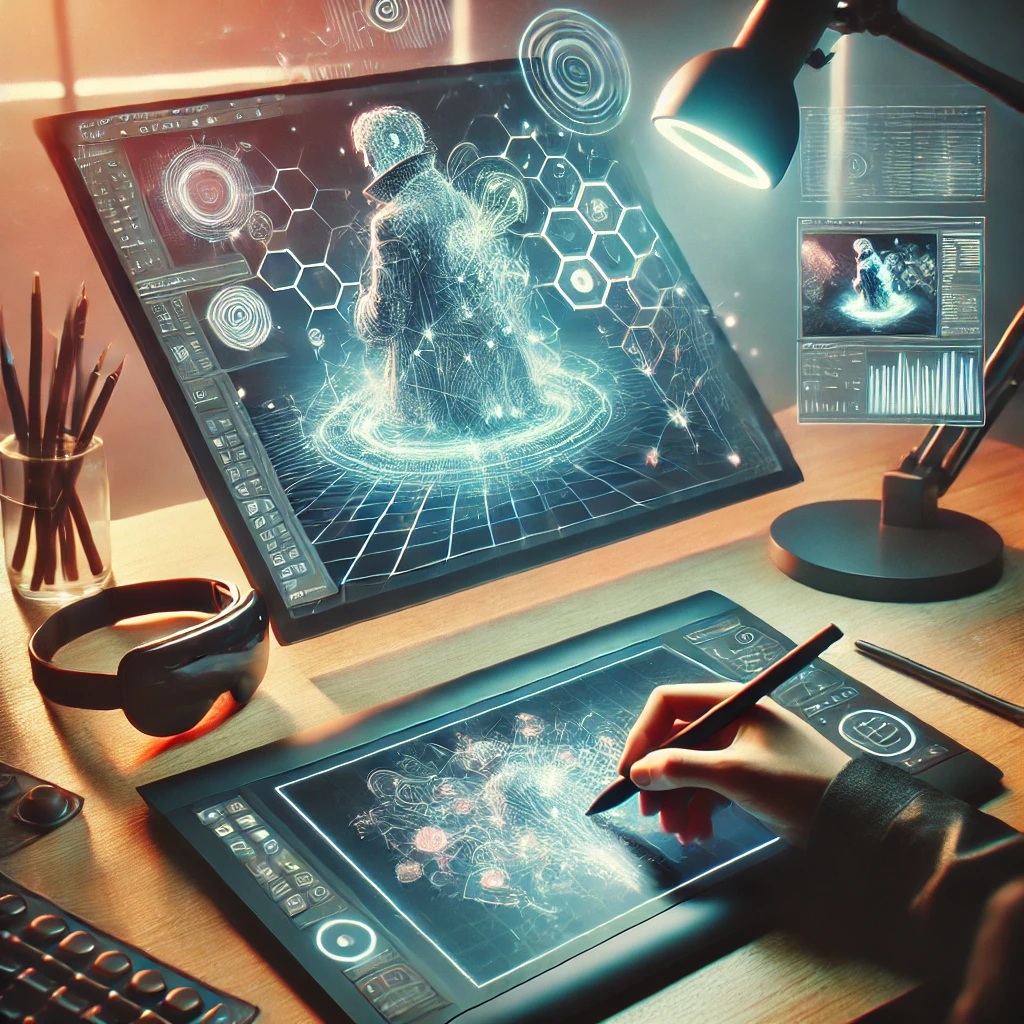
Virtual reality (VR) and augmented reality (AR) will offer new ways for artists to interact with their work, creating immersive, 3D environments and visual experiences. Haptic feedback drawing tools will allow digital artists to feel the texture of their work, mimicking the sensation of drawing or painting on physical surfaces. As digital art tools continue to evolve, artists will have even more freedom and control to experiment with new mediums and techniques. The future of digital illustration is as limitless as the creativity that drives it.
Conclusion: Digital illustration has come a long way since its early days, with technological advancements continually pushing the boundaries of what artists can create. From early pixel-based graphics to today’s AI-assisted designs, digital illustration has grown into a sophisticated art form that offers endless creative possibilities. As technology continues to evolve, so too will the tools and techniques used by artists, ensuring that digital illustration remains a vibrant and dynamic medium for artistic expression.
Wat was de eerste digitale illustratiesoftware?

De eerste grote digitale illustratiesoftware was Adobe Illustrator (1987), die vector‑graphics introduceerde. Adobe Photoshop (1990) werd later een standaard voor digitaal schilderen en fotobewerking. Vroege experimentele programma’s zoals Ivan Sutherland’s Sketchpad (1963) droegen ook bij aan de ontwikkeling van digitale kunst.
Hoe heeft digitale illustratie traditionele kunst veranderd?
Digitale illustratie biedt nieuwe tools voor kunstenaars, waardoor er meer flexibiliteit, snellere revisies en creatievere effecten mogelijk zijn. Hoewel het traditionele kunst niet vervangt, breidt het de artistieke mogelijkheden uit, waardoor kunstenaars digitale en traditionele technieken kunnen combineren voor unieke stijlen.
What is the future of digital illustration?
Future developments in AI, VR, and AR will likely shape digital illustration by offering new interactive tools and automation features. Cloud-based collaboration and haptic feedback drawing tools will enhance workflow and realism, making digital illustration even more dynamic and accessible.